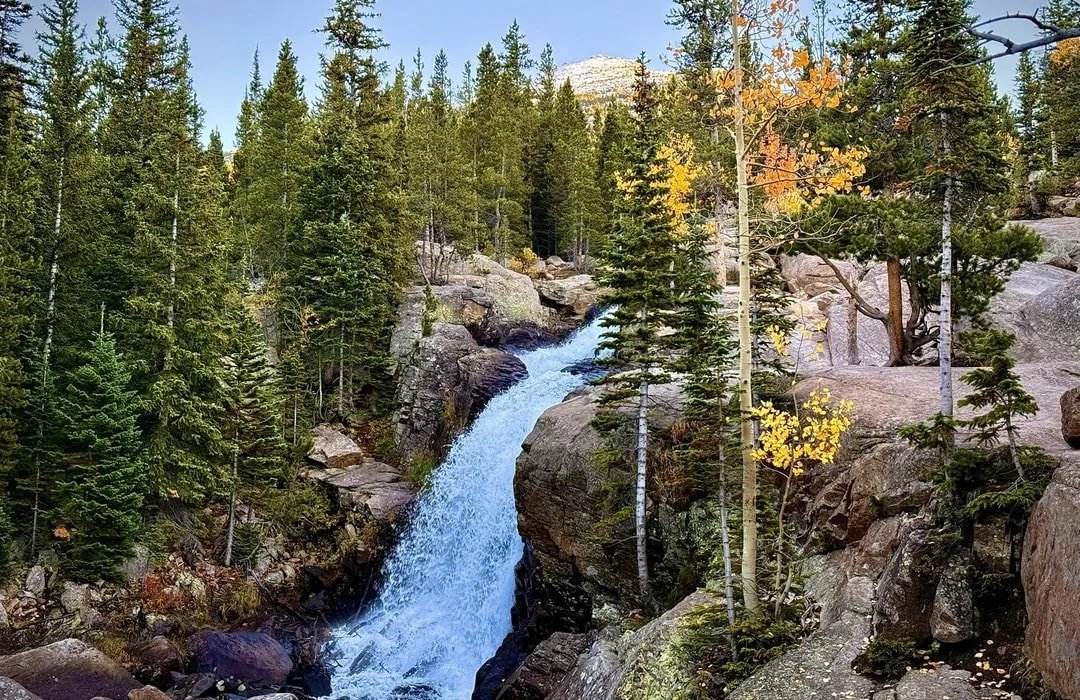
The best places for hiking in Colorado are Rocky Mountain National Park, Garden of the Gods, the Maroon Bells near Aspen, Great Sand Dunes National Park, and Brainard Lake Recreation Area. All of them give you big mountain scenery with trails you can finish in a day. What separates them is effort: some you can walk in sneakers, others climb above 12,000 feet and need real preparation.
Colorado hiking spots compared
Here’s every spot this page covers, side by side. Pick the row that matches your legs and your schedule, then read that trail’s own section below.
| Trail or area | Best for | Example you’d recognise |
|---|---|---|
| Rocky Mountain National Park | Alpine lakes and wildlife | Emerald Lake trail |
| Garden of the Gods | Easy walks near Colorado Springs | Central Garden trail |
| Maroon Bells (near Aspen) | The most photographed peaks in the state | Crater Lake trail |
| Great Sand Dunes | Something completely different | High Dune on First Ridge |
| Brainard Lake Recreation Area | High-country hiking close to Denver | Blue Lakes trail |
| Hanging Lake | A short, dramatic canyon climb | The boardwalk to the falls |
Rocky Mountain National Park
Rocky Mountain National Park is the state’s headline act, and it suits almost anyone because it has more than 300 miles of trails, from flat lakeside strolls to summit climbs. It sits west of Estes Park, about an hour and a half from Denver, and you’ll need a timed-entry reservation in the busy season — check the Rocky Mountain National Park page on the National Park Service site before you go.
- Emerald Lake: 3.6 miles round trip, mostly gentle, ending at a lake under a rock wall
- Bear Lake loop: under a mile, paved, works for strollers and wheelchairs
- Sky Pond: about 9 miles round trip, for hikers who want a full day
- Trail Ridge Road viewpoints: you drive up high, then walk short trails at the top
A realistic first visit: park at the Park & Ride, take the shuttle to Bear Lake, and walk to Emerald Lake in the morning — you’re back by early afternoon with elk sightings on the drive out.
Garden of the Gods
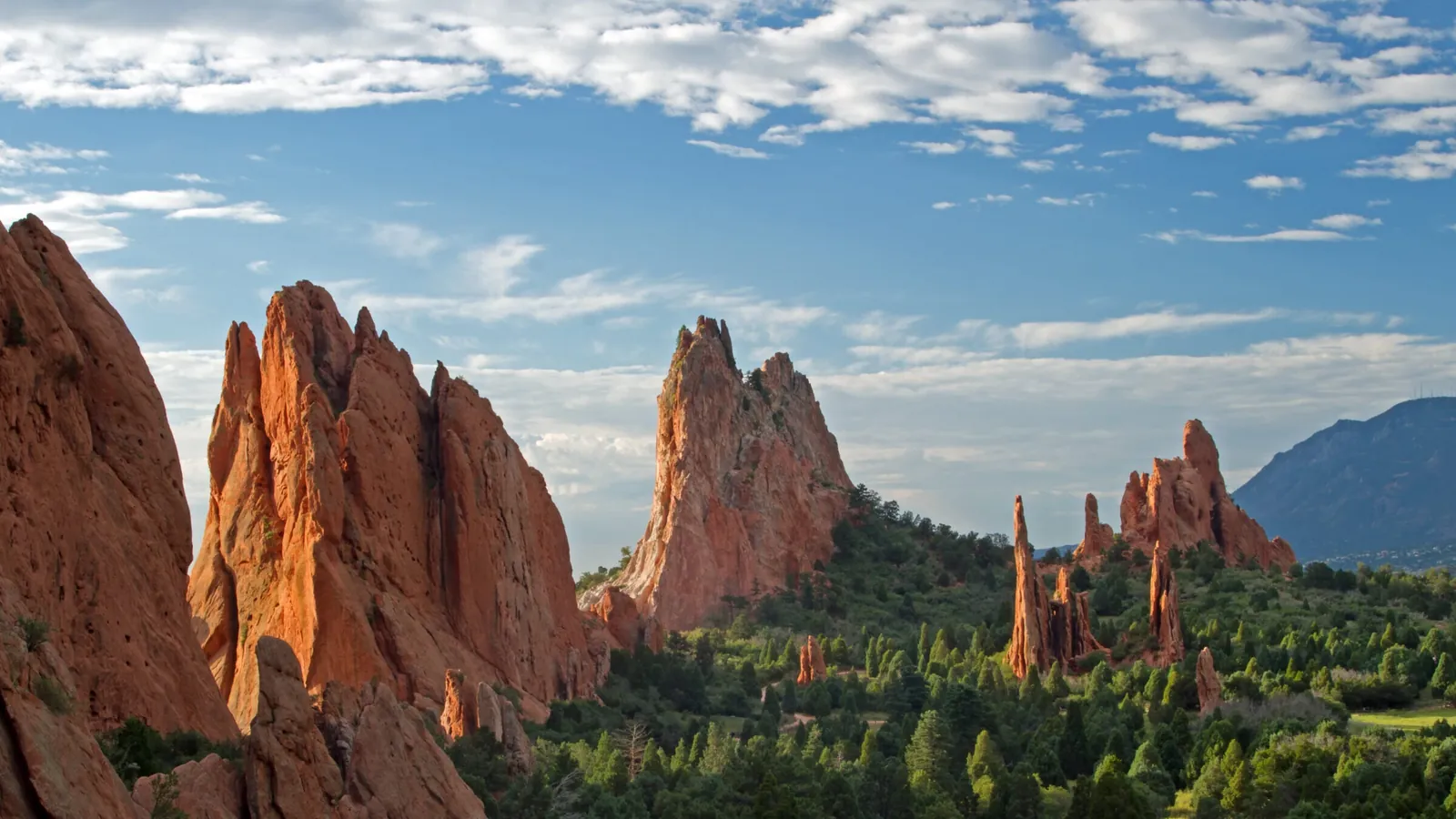
Garden of the Gods trades alpine lakes for red rock towers, and unlike Rocky Mountain it costs nothing to enter. It sits right inside Colorado Springs, so you can hike before breakfast and still make your day’s plans. The trails are short and mostly flat, which makes it the easiest walk on this list.
- Central Garden trail: about 1.5 miles, paved, right under the big rock formations
- Siamese Twins loop: just over a mile, with Pike’s Peak framed between the rocks
- Ridge Trail: quieter, unpaved, good if the main loop feels crowded
- Balanced Rock: a photo stop you can reach by car
If you have one hour in Colorado Springs, walk the Central Garden loop. If you have half a day, add the Ridge Trail and you’ll leave the crowds behind within ten minutes.
Maroon Bells near Aspen
The Maroon Bells give you the two peaks you’ve seen on every Colorado postcard, and no other spot on this list matches the view per step. They sit about 10 miles southwest of Aspen, and in summer you can’t drive to the trailhead between roughly 8 a.m. and 5 p.m. — you take a shuttle bus from Aspen Highlands instead.
- Maroon Lake Scenic Loop: 1.9 miles, flat, the classic photo angle
- Crater Lake trail: 3.6 miles round trip, steady climb, lake with both peaks behind it
- West Maroon trail: for strong hikers heading toward the pass, much steeper
The trade-off is real: the views are the best in the state, but you share them with a lot of people, and the shuttle plus parking fees add up. If you want the same peaks in quiet, arrive for the first shuttle or come in late September after the crowds thin.
Great Sand Dunes National Park
Great Sand Dunes is the odd one out: instead of mountains, you climb sand hills up to 700 feet high near Alamosa in southern Colorado. It suits families and anyone who wants a short, memorable walk rather than a long trail. The catch is the surface — hiking in sand is far more tiring than the distance suggests, so plan half the miles you would on dirt.
- High Dune on First Ridge: about 2.5 miles round trip, but it feels like twice that in soft sand
- Medano Creek: in late May and June, kids wade in a shallow stream at the dunes’ base
- Star Dune: the tallest dune in North America, a half-day push for fit hikers
Go early in the morning. Sand at midday in summer can burn bare skin, and the climb to High Dune takes most people 1 to 2 hours up despite the short distance.
Brainard Lake and other strong picks
- Brainard Lake Recreation Area, west of Boulder: high-country lakes and wildflowers on trails from 2 to 10 miles round trip. Reach for it if you’re based in Denver and want altitude without the Rocky Mountain reservation system.
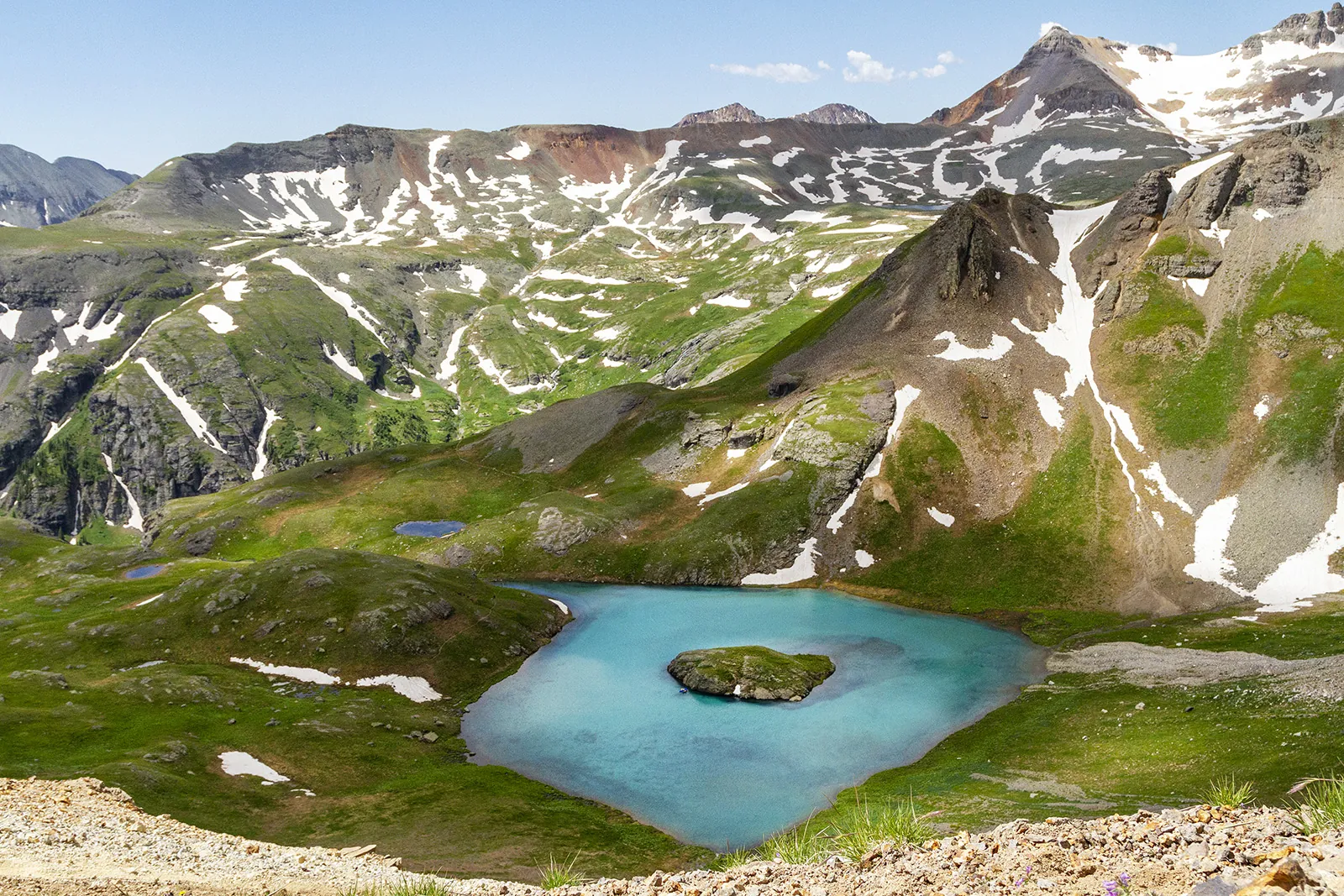
- Ice Lakes Basin near Silverton: unreal blue alpine lakes, but the main trail climbs over 2,000 feet to about 12,500 feet. Only for acclimatised, fit hikers.
- Hanging Lake near Glenwood Springs: a short 3-mile round trip to a travertine lake, but it needs a paid permit and a reserved shuttle slot in summer — book ahead or you won’t get in.
How to pick your trail
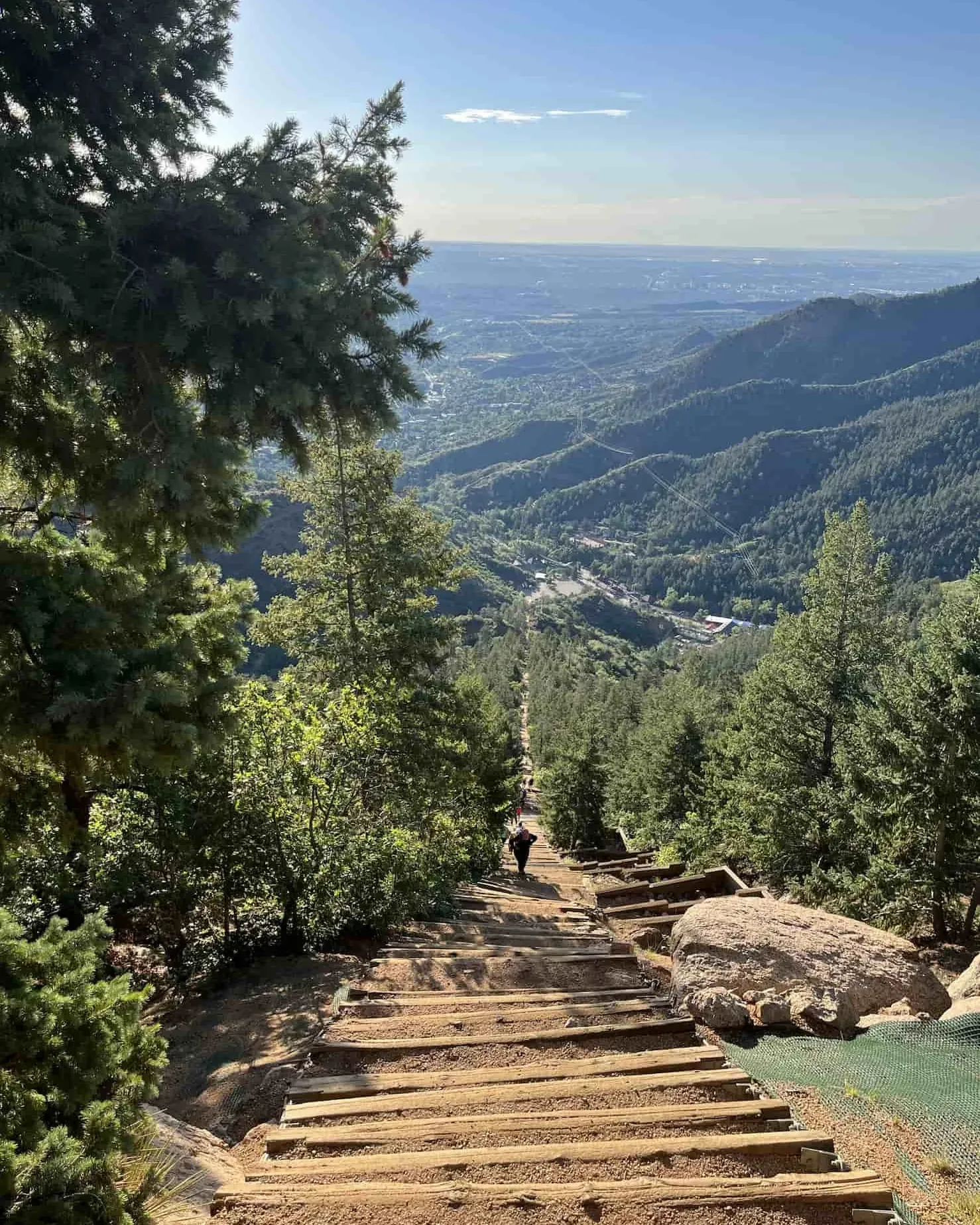
Three things about you settle it. First, your fitness and altitude history: if you’ve never hiked above 8,000 feet, start at Garden of the Gods or Great Sand Dunes, both low; if you’re acclimatised, Rocky Mountain or Brainard Lake give you the real alpine day. Second, your base: from Denver, Brainard Lake and Rocky Mountain are day trips; from the southwest, the Maroon Bells or Great Sand Dunes fit.
Third, your time: under two hours of walking points to Garden of the Gods or the Maroon Lake loop, while a full day opens up Sky Pond or Ice Lakes. You can combine them on one trip — most people pair a hard mountain hike with one easy recovery walk.
The mistake that costs people their trip is ignoring altitude. Denver sits at 5,280 feet, and trailheads here start higher than many people’s hometowns. Visitors who sprint up a trail on day one often spend the next day with a headache and nausea, or worse — altitude sickness doesn’t care how fit you are. Drink more water than feels necessary, sleep low, and pick an easy trail for your first day.
Frequently asked questions
Can you hike in Colorado year-round?
Yes, but winter transforms hiking above 8,000 feet. Front Range spots like Garden of the Gods stay hikeable all year, while high trails need snowshoes or microspikes from roughly November to April. Always check current trail conditions before you leave, since a trail that’s clear in town can hold deep snow an hour away.
How long does it take to adjust to Colorado’s altitude?
Most people need 1 to 3 days to feel normal at 8,000 to 10,000 feet, and longer above that. Plan easy hikes for your first two days. If you get a bad headache, nausea, or unusual tiredness, stop climbing and descend — the CDC’s altitude travel guidance says going lower is the only real cure.
Is it safe to hike alone in Colorado?
Usually yes on popular, well-marked trails like those in this article, especially midweek mornings when others are around. The risks that matter are weather, getting lost, and altitude, not other people. Tell someone your route, carry more water than you think you need, and turn back if afternoon clouds build.
What happens if you hike without a permit?
At Hanging Lake, you can be turned away or fined, since access is permit-only in summer. Rocky Mountain National Park’s timed-entry system checks reservations at the gate during peak season. Most other trails on this list need no permit at all — but rules change, so check the managing agency’s page before you drive.
Does it matter what time of year you visit?
Yes, and July through September is the safest bet for high country: trails are snow-free and wildflowers or fall colors are out. June can still hold snowfields above 11,000 feet, and afternoons in July and August bring lightning storms, so start hikes early and be below treeline by noon.
Why do hikes feel so much harder in Colorado?
Altitude. There’s roughly 25% less oxygen in the air at 10,000 feet than at sea level, so your heart and lungs work harder at the same pace. The fix is simple: walk slower than your fitness tells you, drink water constantly, and don’t judge yourself against your flatland times.
What should you pack for a day hike in Colorado?
Water (at least 2 liters per person for a half-day hike), sunscreen, a rain shell, snacks, and layers — mountain weather can swing 30 degrees in an afternoon. Add microspikes if you’re going high in spring or fall. A printed or downloaded map matters too, since phone signal dies fast in the mountains.
Start with one easy trail
Pick the one trail from the table that matches your fitness and your base, and book any reservation it needs this week. You’ll know it’s working when you finish tired but clear-headed, with photos you’d actually print. If a headache, dizziness, or nausea sets in on the trail, that’s your sign to stop, descend, and rest before trying again.