Fishing has always been a mix of tradition and innovation. Every angler, whether a child at a pond or a seasoned competitor, learns the value of simple tools that make a big difference. One such tool is the bubble float. While it looks modest—just a small plastic sphere—it brings real advantages to many fishing situations. If you are looking to fish with light tackle, in clear water, or want to present your bait in a more natural way, bubble floats could be the answer. Let’s explore what makes bubble floats special, how to use them, and why they might become your new favorite fishing accessory.
What Is A Bubble Float?
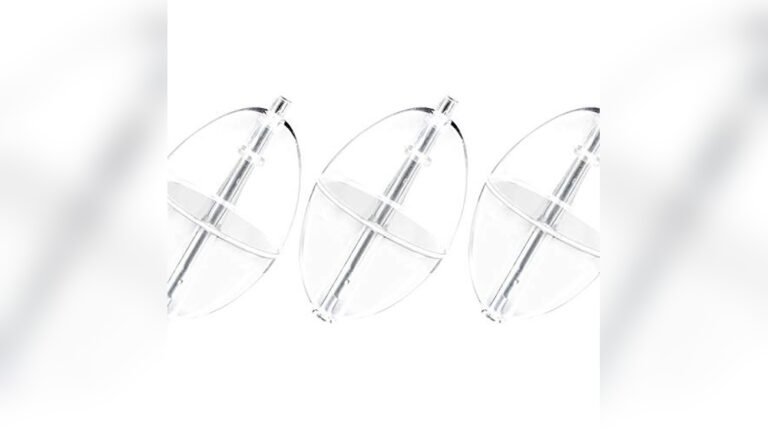
A bubble float is a lightweight, usually clear plastic float designed for fishing. It looks like a small, hollow ball or oval with holes at both ends. You can fill it with water to adjust its weight, which is what makes it unique compared to traditional floats. Bubble floats are sometimes called “casting bubbles” because anglers use them to cast light baits much farther than they could with line alone.
These floats are popular in both freshwater and saltwater fishing. They are especially common in Europe, Japan, and among anglers targeting shy or easily spooked fish.
How Bubble Floats Work
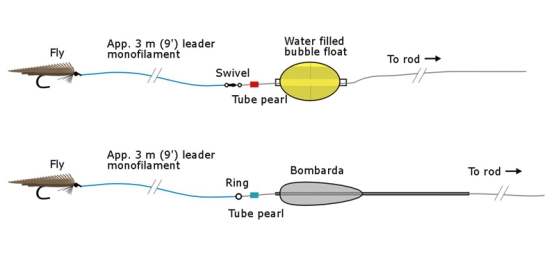
A bubble float’s main function is simple: help you cast lightweight bait or lures far from shore. You thread your fishing line through the float, fill it with the desired amount of water, and then tie your leader and hook below. The added weight from water lets you cast farther, while the float’s buoyancy keeps your bait at the right depth.
What makes bubble floats different is their adjustability. By adding or removing water, you control how deep your bait sits, how fast it sinks, and how visible the float is. A nearly full float will ride low and be less visible to fish, while an empty one floats high.

Credit: www.pyxisyachts.com
Types Of Bubble Floats
There are several styles of bubble floats, each suited to a slightly different job. Here are the most common:
1. Standard Spherical Bubble Floats
These are round, clear balls with rubber stoppers on each end. They are the most common style for general fishing.
2. Oval Or Torpedo Bubble Floats
Shaped like a football or cigar, these floats offer less resistance in the water and are great for fishing in current or wind.
3. Weighted Bubble Floats
These have a small weight built into the base, making them easier to cast even without water inside.
4. Colored Bubble Floats
Some floats are tinted or have colored stripes, making them easier to see in rough water or low light.
Here is a comparison of the main types:
| Type | Best Use | Visibility | Adjustability |
|---|---|---|---|
| Standard Spherical | Still water, general use | Medium | High |
| Oval/Torpedo | Wind/current, distance casting | Medium | High |
| Weighted | Long casting, beginners | Medium | Low |
| Colored | Low light, choppy water | High | Medium |
When To Use Bubble Floats
Bubble floats are not for every fishing situation, but they shine in several scenarios:
- Lightweight Bait: When using live insects, bread, or small artificial flies that are too light to cast far.
- Clear Water: In lakes or streams where fish are easily spooked by visible tackle.
- Surface or Near-Surface Fishing: For species like trout or bass that feed just below the surface.
- Windy Conditions: The extra weight helps in making accurate casts when there is wind.
- Distance Casting: Reaching fish that are far from shore or structure.
A common mistake is using bubble floats with heavy baits—they work best with lighter tackle.
How To Rig A Bubble Float
Setting up a bubble float is straightforward, but there are a few details that make a big difference. Here’s a step-by-step guide:
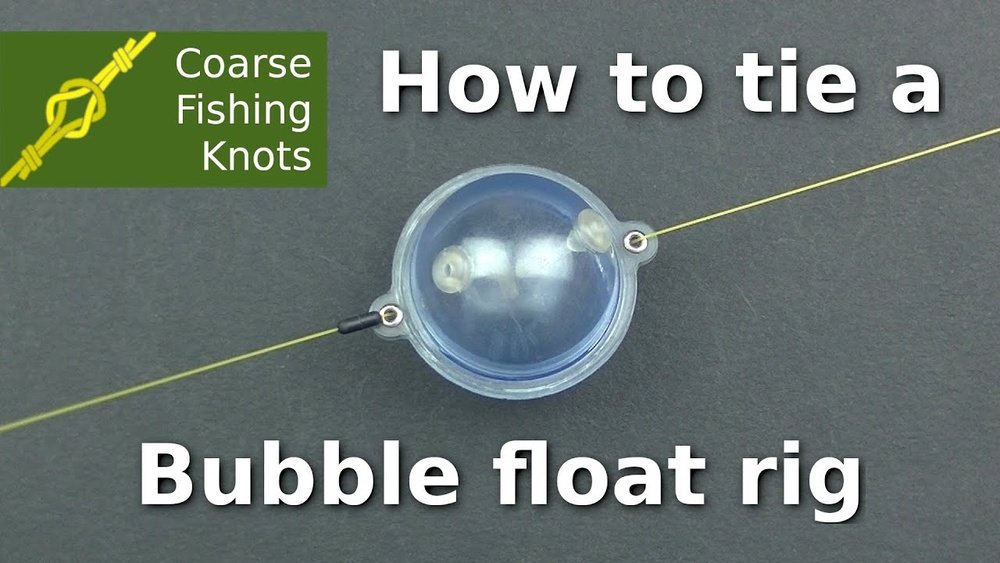
1. Thread The Float
Pass your main fishing line through both holes in the float. Some floats have a plastic tube through the center; others use rubber stoppers.
2. Add Water
Remove the stopper and fill the float with the desired amount of water. For more casting distance, add more water. For a lighter, more sensitive float, use less.
3. Secure The Float
Replace the stopper to seal the water inside.
4. Attach A Stopper Bead
Slide a small bead onto your line below the float. This helps protect the knot from the float’s weight.
5. Tie On A Swivel
Attach a small swivel below the bead to prevent line twist.
6. Add Your Leader
Tie a leader (18–36 inches is common) to the swivel. The leader should be light and clear for the best presentation.
7. Attach Hook Or Lure
Tie on your hook, bait, or artificial fly.
Here’s a simple rig setup:
| Component | Purpose | Tips |
|---|---|---|
| Main line | Connects to rod/reel | Use 4–8 lb test for most freshwater |
| Bubble float | Adjustable casting weight | Fill with water for distance |
| Bead | Protects knot | Plastic beads work best |
| Swivel | Prevents line twist | Size 12–16 for trout |
| Leader | Invisible to fish | Fluorocarbon is ideal |
| Hook/lure | Holds bait | Match to target species |
Best Baits And Lures For Bubble Floats
Bubble floats are versatile because they let you present baits that would otherwise be impossible to cast. Here are some top choices:
- Dry Flies: Mimic insects on the surface, perfect for trout.
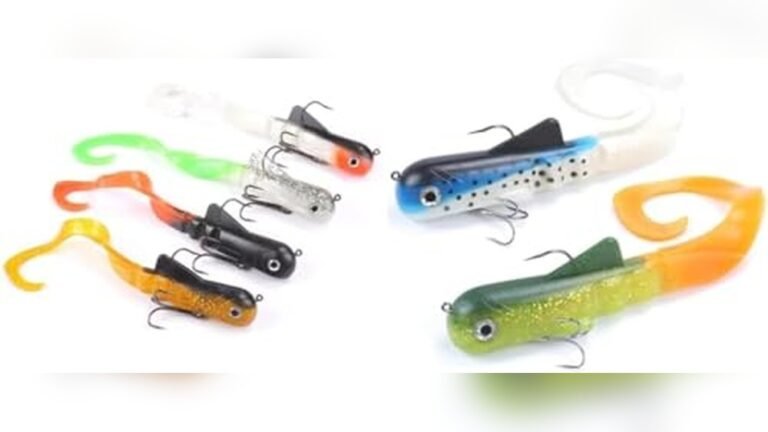
- Small Soft Plastics: Imitate small minnows or worms for panfish or bass.
- Live Bait: Small worms, crickets, or bread for carp and trout.
- Artificial Insects: Foam ants, beetles, or grasshoppers.
- Bread Flakes or Dough: For carp or mullet, especially in clear water.
A non-obvious trick: Use a tiny split shot about 12 inches above the hook to help keep the bait down if fish are feeding just below the surface.
Credit: globalflyfisher.com
Advantages Of Bubble Floats
Many anglers overlook bubble floats, but they offer unique benefits:
1. Stealth
Clear plastic makes them almost invisible underwater, reducing the chance of spooking fish.
2. Castability
The adjustable weight means you can cast tiny lures or flies much farther than with line alone.
3. Control
You can control the depth and presentation simply by adjusting the water inside.
4. Versatility
Suitable for many species and environments—rivers, lakes, reservoirs, and even saltwater.
5. Affordability
Bubble floats are inexpensive and reusable, making them a good value for beginners and pros.
Common Mistakes With Bubble Floats
Even experienced anglers make errors with bubble floats. Here are a few to avoid:
- Overfilling with water: Too much weight will sink your float or make it hard to see strikes.
- Using with heavy tackle: Bubble floats are best for light lines and small hooks.
- Ignoring leader length: Too short a leader makes your bait look unnatural; too long can tangle.
- Not checking for leaks: A cracked float will slowly lose water and affect casting.
A good practice is to test your rig in shallow water before casting to ensure it sits and moves as you want.

Credit: www.coarsefishingknots.co.uk
Best Fish To Target With Bubble Floats
Bubble floats are especially effective for certain fish:
- Trout: Both stream and lake trout respond well to lightly presented baits and flies.
- Panfish: Bluegill, crappie, and perch are often near the surface and easily spooked.
- Bass: Largemouth and smallmouth bass will hit insects or small lures fished near the top.
- Carp: In clear water, carp will take floating bread or dough presented with a bubble float.
- Saltwater Species: Mullet, sea trout, and small jacks can be caught using bubble floats in estuaries and shallow bays.
Tips For Success With Bubble Floats
To get the most from your bubble float fishing, keep these strategies in mind:
- Use light line: Four to six-pound test gives the most natural presentation.
- Watch the float closely: Strikes can be subtle; a small dip or sideways movement often means a bite.
- Experiment with leader length: Start with 18 inches and adjust based on fish activity.
- Try slow retrieves: Sometimes, gently moving the float brings more bites than letting it sit still.
- Keep spare floats: They are easy to lose or break, so always have extras.
One insight many beginners miss: Fish can become “float shy” in pressured waters. If you notice fewer bites, try filling the float almost full so it rides low and is less visible.
Comparing Bubble Floats To Other Floats
How do bubble floats compare to classic fishing floats? Here’s a simple side-by-side:
| Feature | Bubble Float | Classic Red/White Float |
|---|---|---|
| Visibility | Low (clear plastic) | High (bright color) |
| Adjustable Weight | Yes (add water) | No |
| Distance Casting | Excellent | Poor |
| Best For | Clear water, spooky fish | Beginner, visible strikes |
| Price | Low | Low |
As you can see, bubble floats are not always the best for beginners who need to see every bite, but they excel when subtlety and casting distance matter.
Where To Buy And What To Look For
Bubble floats are sold at most tackle shops and large online retailers. When choosing, look for:
- Durable plastic: Cheap floats crack and leak easily.
- Quality stoppers: Weak stoppers pop out and leak.
- Clear design: Avoid colored or cloudy plastic unless you need visibility.
- Variety pack: Different sizes let you adjust for different conditions.
A small investment in a few quality floats can last for years.
Care And Maintenance
Taking care of your bubble floats is simple but important. Always empty water from the float before storing it, as trapped water can lead to mold or split the plastic if frozen. Check for cracks or damaged stoppers regularly. If you fish in saltwater, rinse the float in fresh water to remove salt and prevent clouding.
Many anglers forget to dry their floats after use, which leads to early failure. Keeping your floats in a small tackle box compartment can extend their life.
Frequently Asked Questions
What Is The Main Advantage Of A Bubble Float Over A Regular Float?
The main advantage is adjustability. You can add water to make the float heavier for longer casts or keep it light for delicate presentations. This lets you fish tiny baits far from shore, which is hard with classic floats.
Can Bubble Floats Be Used In Saltwater?
Yes, bubble floats work well in saltwater for species like mullet, sea trout, and pompano. Just be sure to rinse them after use to prevent salt damage.
How Much Water Should I Add To My Bubble Float?
Start with the float about half full. If you need more casting distance, add more water. If the float is sinking or hard to see, remove some water. Testing at the water’s edge is the best way to find the right amount.
Are Bubble Floats Good For Children Or Beginners?
Bubble floats can be used by beginners, but classic red and white floats are often easier for kids because they are more visible. Bubble floats are better for older kids or adults who want to cast farther and fish more quietly.
Where Can I Learn More About Fishing Float Types?
To explore more about fishing floats and their uses, visit the Wikipedia page on fishing floats.
Bubble floats are a simple tool that open up new possibilities for many anglers. With a little practice and care, they can help you catch more fish in challenging conditions. Next time you want to present a bait softly and cast far, consider adding a bubble float to your tackle box.
You might be surprised by the results.