Choosing the best fishing drone depends on your bait weight, flight experience, and need for a waterproof body. For heavy saltwater tasks, the SwellPro Fisherman MAX FD2 is a common choice, while the DJI Flip appeals to those wanting a lightweight, beginner-friendly drone for general use.
As an Amazon Associate, we earn from qualifying purchases. This post contains affiliate links – if you buy through them, we may earn a commission at no extra cost to you.
1. SwellPro Fisherman MAX FD2 Advanced Fishing Drone with Bait Release

Best for: Serious saltwater anglers needing heavy bait capacity and reliable range.
This drone is built for demanding offshore environments where you need to carry large rigs. The 7 lb bait capacity allows you to drop heavy shark baits far from the shore. Because it’s IP67 rated, the body handles the salt and spray of the ocean better than standard aerial cameras.
The built-in 4K camera and dedicated display remote mean you don’t need your phone to see where you’re dropping your line. It’s a specialized tool, so it might feel like overkill if you’re only fishing in calm, shallow lakes or small ponds.
Good if:
- You fish in saltwater regularly.
- You need to carry heavy bait rigs.
- You prefer a remote with a built-in screen.
Skip it if:
- You want a lightweight drone for travel.
- You only need to drop small lures.
2. SwellPro Fisherman FD3 Fishing Drone with 4K Camera & 4.4LBS

Best for: Anglers who want a balance of power and efficient battery swaps.
The FD3 offers a 4.4 lb payload capacity and a design that makes changing batteries fast. Its Level 7 wind resistance is helpful when the weather on the coast turns unpredictable. The GPS 9.0 system ensures that once you find a good spot, the drone can return there with precision.
If you’re fishing in light breezes, the drone remains stable. However, if the wind exceeds Level 7, ground the unit immediately to avoid losing control over open water. Use the 1.3 km casting range to scout deeper zones, but always monitor your battery levels to ensure the auto-return feature has enough power to complete the flight home.
This model is designed for efficiency during long sessions on the water. The slide-in battery design is the primary advantage here; it allows for quick swaps that keep your line in the water while others are still charging. It lacks the massive capacity of the MAX version, but it’s a steady choice for general fishing needs.
Good if: * You fish in windy coastal areas. * You want to swap batteries quickly. * You need reliable GPS positioning.
Skip it if: * You’re carrying the heaviest shark baits. * You’re a first-time drone pilot.
3. SwellPro Fisherman FD1+ Best Entry-Level Fishing Drone with Bait Release

Best for: Beginners who want a rugged, waterproof drone for fishing.
The FD1+ is designed to be approachable for someone new to using drones for fishing. It features an automatic flip function, which helps you right the drone if it lands in the water upside down. With a 4.8 lb capacity, it remains capable despite being an entry-level model.
It’s fully waterproof, but keep in mind that the remote controller is not, so you must keep your transmitter dry. It’s a straightforward option for those who want to start drone fishing without complex settings.
The drone uses GPS 9.0 technology and calibration-free sensors to maintain precise positioning. If you operate in open water, the 1.3 km casting range allows you to reach distant targets without needing a kayak.
When the drone is out of sight, press the auto-return button to bring it back to your take-off point. The system also triggers this return automatically if you lose signal or hit a low battery threshold. If you’re flying in choppy conditions, the self-floating design ensures the aircraft stays operational even after a splashdown.
Good if:
- You’re new to drone fishing.
- You want a waterproof, self-floating aircraft.
- You need a simple auto-return function.
Skip it if:
- You need a waterproof remote controller.
- You want advanced cinematic camera features.
4. Waterproof Drone 4K Camera Single-axis Gimbal 28 mins Night Vision

Best for: Fishermen who want a specialized waterproof switch design.
This drone uses a patented waterproof switch, which is helpful if you’re dropping bait multiple times and want to keep the power running. The integrated night light is a nice touch for those who prefer fishing after dark. It relies on a mobile phone app for monitoring, which offers a different experience than drones with built-in screens.
The flight control system is designed for stability, which helps when you’re carrying a load over the water. It’s a niche choice for those who value specific waterproof engineering over all-in-one screen controllers.
Good if:
- You fish in the dark or at night.
- You want a specialized waterproof power switch.
- You prefer using your phone for flight data.
Skip it if:
- You dislike using a phone for FPV.
- You need the highest payload capacity available.
5. AE60 Drone with Camera 4K

Best for: Those who need extended flight times for long-range trips.
The AE60 stands out with a 90-minute total flight time provided by its dual 9800mAh batteries. It includes a 7.2-inch screen on the remote, offering a clear, real-time view of your flight path. For true 4K resolution, connect your smartphone to the drone to access the original footage.
It features 360-degree obstacle avoidance, which adds a vital layer of safety for newer pilots. The drone supports a 1.32 lb payload, making it capable of bait dropping or delivery. If you’re flying in windy conditions, the reinforced frame and high-torque release system keep the flight stable.
Use this model when you need to scout large areas or perform multiple drops in one outing. If you’re primarily filming, the 3-axis mechanical gimbal ensures smooth video by reducing vibration across pitch, roll, and yaw.
Good if:
- You need long flight times for extended scouting.
- You want a large, integrated screen.
- You value obstacle avoidance for safety.
Skip it if:
- You need to carry heavy bait rigs exceeding 1.32 lbs.
- You want a purpose-built saltwater drone.
6. GPS Drone with 4K UHD Camera

Best for: Users who want a portable, all-in-one kit for casual trips.
This drone is very light at 248g, making it easy to pack into a camping or fishing bag. The 4.5-inch screen on the controller provides a simple way to see your view without needing to set up a phone connection. The one-key drop function is designed for small baits or surprise gifts.
It isn’t built for harsh saltwater environments like the SwellPro models, so it’s better suited for freshwater lakes or calm outdoor settings. If you fly in wind or near dense trees, the omni-directional obstacle avoidance system will help prevent crashes. However, keep your payload light; the 20-minute flight time per 2650mAh battery drops quickly if the motors are strained by heavy items.
Good if:
- You want a highly portable, foldable drone.
- You want an integrated screen remote.
- You’re fishing in calm freshwater.
Skip it if:
- You fish in salt spray or rain.
- You need to carry heavy fishing gear.
- You require professional-grade cinematic stabilization.
7. FPV Drone with 4K HD Camera

Best for: Pilots who want an immersive experience while fishing.
This model is similar to other portable options but focuses on the FPV experience with its 4K camera. The 180-degree electric adjustment lets you change your camera angle mid-flight to spot fish or check the water. The inclusion of two batteries in the box is helpful for extending your time on the water.
It uses an obstacle avoidance system, which helps prevent collisions during flight. It’s a good choice for someone who wants to record their fishing adventures while enjoying a responsive flying experience.
Good if:
- You enjoy FPV-style flying.
- You want a camera with adjustable angles.
- You need a complete kit with extra batteries.
Skip it if:
- You need heavy-duty saltwater protection.
- You’re a professional cinematographer.
8. Airdrop HD Camera Drone

Best for: Beginners who want gesture control and easy operation.
This drone is packed with features like gesture controls and follow modes, making it feel like a modern consumer drone. The 4.5-inch screen on the controller is a major benefit for those who don’t want to fiddle with phone apps. It’s designed for ease of use, with simple one-key return and obstacle avoidance.
If you’re flying in windy conditions, the 1504 brushless motors provide the necessary thrust to maintain stability. Use the GPS and optical flow positioning for steady hovering when you need to capture a precise shot. Beginners should rely on the auto return function to prevent loss if the battery runs low.
It’s a great pick if you want a drone that handles fishing drops or picnic supply deliveries but also works well for travel vlogs. However, it lacks the specialized sealing of dedicated fishing models. Avoid using this unit for heavy payloads or in wet, rough environments where the internal components might be compromised.
Good if: * You want gesture-based camera controls. * You’re a beginner looking for stability. * You want a screen remote included.
Skip it if: * You fish in rough, wet conditions. * You need heavy payload capacity.
9. Drones with Camera for Adults 4K

Best for: Anglers who want a compact, high-tech package.
This drone features a large 7.2-inch touchscreen controller, which is one of the most responsive ways to fly without a phone. The 3-axis gimbal ensures your footage stays smooth even if the wind kicks up. It offers a 10km transmission range, which is impressive for a compact unit.
The integrated bait release system carries a 600g payload, allowing you to drop bait precisely over lakes, rivers, or offshore locations beyond your casting range. If you’re fishing in tight spaces, the 360° obstacle avoidance system prevents collisions. Always check your surroundings before takeoff, as the sensors perform best in open water.
You should use the Follow Me or Waypoint Flight modes when you want to focus on your line rather than the flight path. For longer sessions, swap between the included intelligent batteries to reach the maximum possible flight time.
Good if: * You want a high-quality touchscreen remote. * You need smooth 4K video. * You want a long transmission range.
Skip it if: * You need a massive payload capacity.
10. DJI Flip (RC-N3)
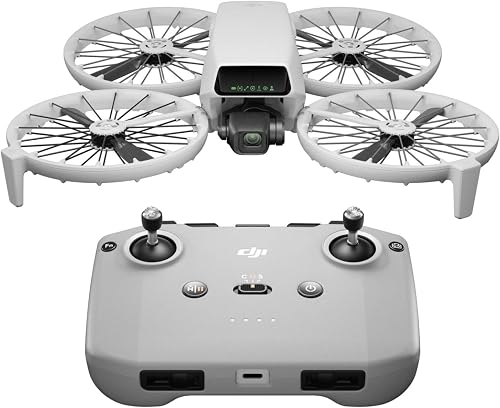
Best for: Travelers who want a compact, reliable camera drone.
The DJI Flip isn’t a specialized bait-drop drone, but its stability and camera quality are industry standards. It weighs under 249g, meaning it’s very easy to carry anywhere. It’s perfect for capturing your fishing trip from the air, though you would need to add your own aftermarket release mechanism if you want to drop bait.
It’s the most refined flyer in the list. Choose this if your priority is high-quality video and reliable flight performance rather than fishing-specific hardware. The 1/1.3-inch CMOS sensor excels in varying light, while the 31-minute flight time ensures you have enough battery to scout the water thoroughly.
Because the DJI Fly app is no longer on Google Play, you must download the software directly from the official DJI website to maintain functionality. If you use an Android device, check the manufacturer portal before your first flight to avoid connectivity errors.
Good if:
- You want the best camera and flight stability.
- You want a drone that’s easy to travel with.
- You’re a beginner who wants a reliable brand.
Skip it if:
- You need a built-in bait release system.
- You fish in harsh, wet, or salty environments.
Where These Overlap
Many of these drones share the same core features: GPS return-to-home, obstacle avoidance, and integrated screen controllers. The SwellPro Fisherman FD3, FD1+, and the Waterproof 4K Fishing Drone are clearly aimed at those who need water resistance. If you’re fishing in freshwater, the difference between the AE60, the GPS 4K Airdrop Drone, and the FPV 4K Fishing Drone is mostly about the remote controller’s screen size and the camera’s stabilization.
The DJI Flip stands apart as a pure photography tool, while the SwellPro Fisherman MAX FD2 stands apart as a specialized heavy-lift tool. For most users, the choice will depend on whether they prioritize the ability to land on water and carry heavy weights, or if they prioritize a better camera and easier flight software. Always check FAA drone registration requirements before your first flight to ensure you follow local laws for your specific drone weight.
Still Not Sure?
How often will I really use it for fishing?
If you only plan to fish a few times a year, a smaller, foldable drone like the GPS 4K Airdrop Drone will be easier to store and carry. If you’re a dedicated angler who heads out every weekend, the durability of the SwellPro Fisherman MAX FD2 is worth the investment. Think about whether the drone is a primary tool or just a fun extra to bring along.
What do I already own that this must work with?
Check if you already have a tablet or phone you prefer using for flight monitoring. If you hate connecting devices, choose a model with an integrated screen like the GPS Fishing Drone. If you already own high-end camera gear, you might prefer the DJI Flip for its superior image quality, even if it requires a DIY bait-release modification.
What am I most likely to regret choosing?
The most common regret is buying a drone that can’t handle the environment you fish in. If you need to drop heavy baits, don’t buy an entry-level model with a 1 lb limit, as you’ll quickly outgrow its capabilities.
Deciding on a fishing drone comes down to your environment and your payload needs. For the toughest saltwater conditions and heaviest baits, the SwellPro Fisherman MAX FD2 is the most robust choice. If you prefer a portable, easy-to-fly option for freshwater trips, the GPS 4K Airdrop Drone is a practical pick. Before you head out, double-check your local regulations and ensure your bait release is properly secured to avoid any mid-flight issues.
Related guides
- Is 20lb Line Good for Carp Fishing?
- Is 20 Pound Line Enough for Saltwater Fishing?
- Is Braided Line Effective for Saltwater Fishing? Expert Insights
Frequently Asked Questions
Do I need a special license to fly a fishing drone?
Most regions require registration if your drone exceeds a certain weight. Some drones are designed to stay under this limit to simplify the process. Always check your local aviation authority website for the latest rules on commercial versus recreational flight, especially if you’re using your drone to help catch fish for profit or in restricted coastal zones.
Can I fly my fishing drone in the rain?
Only drones specifically rated for water resistance, such as the SwellPro Fisherman series, are designed to handle moisture or light rain. Most standard camera drones will suffer electronics damage if they get wet. Even with waterproof models, always check that your battery compartment and seals are properly closed before takeoff to prevent water ingress during your flight.
How do I attach my fishing line to the drone?
Most fishing drones come with a dedicated payload release mechanism that attaches to the underside of the aircraft. You typically loop your fishing line into the release clip, which then opens when you trigger it from your remote controller. Ensure your line is clear of the propellers and the gimbal, and always test the release on the ground before you fly over the water.
What happens if I lose my drone signal over the water?
Most modern fishing drones, such as the SwellPro Fisherman FD3 or the AE60, feature an automatic return-to-home function that triggers if the signal is lost. The drone will climb to a pre-set altitude and return to your GPS takeoff coordinates. Always ensure you have a strong GPS lock before you take off, as this is critical for the drone to find its way back to you.
Conclusion
Before you head out to the water, take a moment to practice your release mechanism in a safe, open field. Getting comfortable with how your bait drops will save you plenty of frustration once you’re at the shore. You’ll be landing that dream catch in no time if you’re prepared.