As an Amazon Associate, we earn from qualifying purchases. This post contains affiliate links – if you buy through them, we may earn a commission at no extra cost to you.
Finding the best gloves for hiking in cold weather isn’t about picking a single “perfect” pair, as the right choice depends entirely on your personal circulation, the intensity of your hike, and the specific temperatures you face. Some hikers prioritize maximum insulation for static activities, while others need high dexterity for trekking poles and touchscreen access. The primary differences between these options lie in their insulation weight, material composition, and the balance between waterproof protection and breathability. If you need heavy-duty warmth for freezing summits, look at the MOREOK or UMEWARM options, while those seeking a slim, flexible fit for high-output movement should consider the North Face or Carhartt models.
1. Waterproof Windproof Thinsulate Gloves

Best for: Someone needing heavy, reliable insulation for extreme, freezing winter conditions.
These gloves are designed for those who face harsh, sub-zero elements where heat retention is the only priority. The 200g 3M Thinsulate insulation provides a thick barrier against the cold, while the TPU waterproof membrane ensures that snow and ice don’t soak through to your skin.
The trade-off for this high level of protection is a bulkier feel compared to lightweight liners. This makes them less ideal for tasks requiring fine motor skills, such as adjusting small camera settings or tying intricate knots.
Good if:
- You spend long hours in sub-zero temperatures.
- You need a reliable, waterproof barrier against deep snow.
- You prefer a secure, adjustable wrist fit to seal out drafts.
Skip it if:
- You require high dexterity for technical climbing.
- You want a slim glove that fits easily into a pocket.
2. Etip Fleece Recycled Gloves

Best for: Hikers who want a technical, comfortable glove for brisk morning walks.
These gloves focus on the “5-Dimensional Fit,” which aims to keep the hand in a natural, relaxed position. The use of four-way stretch fleece provides excellent mobility, while silicone gripper palms help maintain a secure hold on your essentials.
Because they prioritize flexibility and comfort, they lack the heavy insulation needed for standing still in extreme alpine cold. They’re best suited for active movement where your body generates its own heat. If you’re standing at a campsite or waiting for a bus in freezing temperatures, you’ll likely find these gloves too thin.
The silicone gripper palms provide a secure hold on essentials, but they don’t add warmth. Use these for high-output activities like ice skating or brisk morning hikes. If your primary goal is protection against wet, driving snow, look for a waterproof shell instead. These gloves are designed to keep you connected through touchscreen compatibility while you stay moving.
Good if: * You value a natural, ergonomic fit for long hikes. * You want touchscreen compatibility for quick device access. * You prefer sustainable materials in your outdoor gear.
Skip it if: * You’re heading into deep, sub-zero winter storms. * You need a fully waterproof outer shell.
3. HYLA Waterproof Wool Gloves

Best for: Hikers who want the natural benefits of wool with modern waterproofing.
The Hyla gloves stand out by blending wool’s natural thermal properties with a technical waterproof membrane. This gives you a “second-skin” fit that’s much less bulky than traditional ski gloves, allowing for better handling of zippers and gear.
While they’re excellent for damp, chilly environments, they aren’t designed for the same level of deep-freeze protection as the heavy-duty 3M insulation models. They’re best for temperatures around 37°F and above.
Good if:
- You prefer the feel and moisture management of wool.
- You need a slim profile for better grip and dexterity.
- You frequently hike in wet, rainy, or damp conditions.
Skip it if:
- You need maximum warmth for extreme sub-zero mountain peaks.
- You dislike the specific texture of wool-blend fabrics.
4. Winter Gloves Men Women Made with 3M Insulation

Best for: Someone who wants the most robust, weather-defying construction available.
These gloves utilize a 5-layer thermal system, including 3M C100 insulation. This creates a high warmth-to-weight ratio, which is ideal if you want to stay warm without feeling like you’re wearing heavy, restrictive mittens.
The reinforced PU leather palm adds significant durability, but the heavy construction means they’re best suited for winter sports or cold-weather hiking rather than casual, warm-weather trail use. They’re built specifically for freezing conditions. If you find your hands sweating during high-output activities, the moisture-wicking GEANI-TEX technology will work to keep you dry.
Good if:
- You want maximum thermal protection for very cold days.
- You need a reinforced palm for gripping poles or tools.
- You want a reliable waterproof barrier against heavy snow.
- You need to use your phone without exposing your skin to the cold.
Skip it if:
- You want a lightweight, breathable glove for high-output running.
- You prefer a minimalist, low-profile design.
- You’re operating in mild, above-freezing temperatures.
5. Merino Wool Thermal Gloves

Best for: Hikers who want a versatile liner or a lightweight glove for cool days.
Merino wool is famous for its ability to regulate temperature and wick moisture, making these gloves excellent for high-energy hiking where you might otherwise get sweaty. They’re soft and flexible, fitting well under a heavier shell if the weather turns. The brushed interior creates air pockets that trap heat, while the four-way stretch fabric allows for full dexterity when typing or working.
Because they’re a knit fabric, they aren’t naturally waterproof. They aren’t meant to be used as a standalone glove in heavy rain or deep snow, as they will soak through quickly. These gloves function well as a liner under heavier gloves for extra warmth.
Good if:
- You want natural odor resistance and moisture-wicking.
- You need a thin, flexible glove for layering.
- You want high-precision touchscreen control via graphene-woven fingertips.
Skip it if:
- You need a waterproof barrier for wet, slushy conditions.
- You’re heading out in severe, sub-zero wind chills without an additional outer shell.
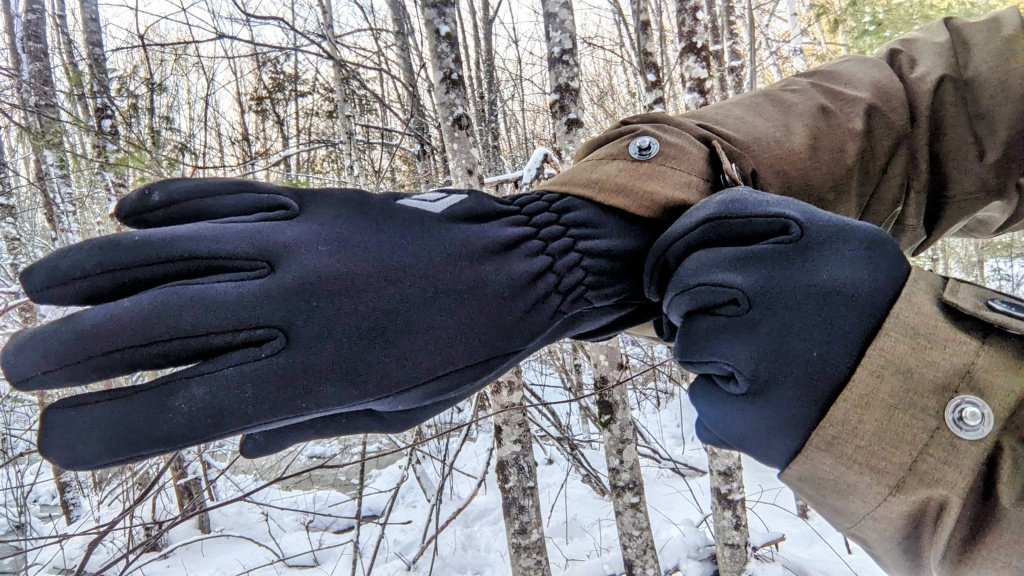
6. Men’s Stretch Fleece Liner

Best for: Hikers who prioritize dexterity above all else.
Carhartt’s liner uses a simple, effective stretch fleece shell that moves with your hand. The silicone grip palm is a major advantage for hikers who use trekking poles, as it provides a secure hold even when the grips are slick. Because the material is thin, you can operate touch screens or handle small tools without removing the gloves.
The primary limitation is the lack of a waterproof membrane. These are designed for flexibility in dry, cold conditions. If the forecast calls for rain or heavy snow, these gloves will quickly soak through, leaving your hands colder than if you wore nothing at all.
If you plan to use these as a base layer, choose a shell glove at least one size larger than your usual fit. This prevents the fleece from bunching at the fingers, which restricts blood flow and defeats the purpose of the extra warmth.
Good if: * You need maximum dexterity for using tools or phones. * You want a glove that works well as a base layer. * You prefer a simple, non-bulky design.
Skip it if: * You need a waterproof or windproof outer layer. * You’re hiking in very wet or snowy environments.
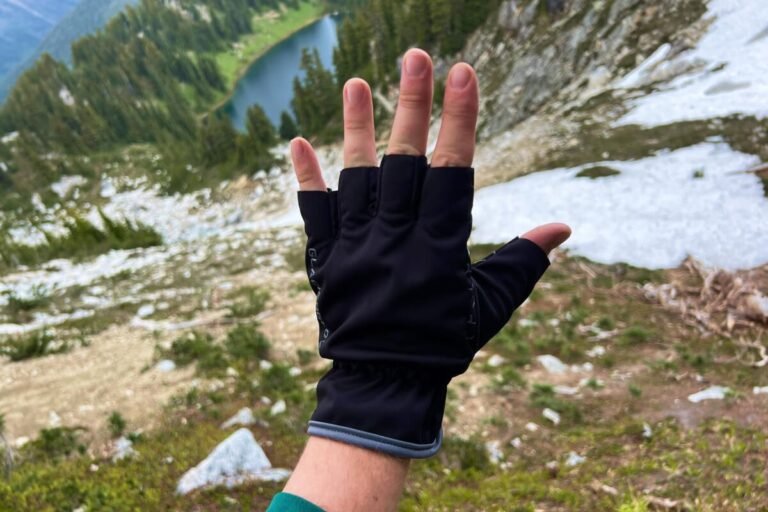
7. Convertible Mitten Running Gloves

Best for: Hikers who need to switch between warmth and dexterity on the fly.
The “flip-top” design is the standout feature here, allowing you to expose your fingers when you need to tie laces or use a touchscreen, then cover them back up with the mitten hood for extra warmth. It’s a highly practical design for changing weather.
Because they’re built for running, they’re lighter than dedicated ski gloves. They offer great versatility, but they aren’t the warmest option for someone who is going to be standing still in the freezing cold for hours.
Good if:
- You appreciate the ability to expose fingers instantly.
- You want a dedicated watch window for tracking stats.
- You need an all-in-one solution for varied trail conditions.
Skip it if:
- You prefer a permanent full-finger design.
- You need maximum protection for extreme alpine environments.
8. Winter Gloves Women Men Cold Weather Touch Screen 3-Layers Liner

Best for: Hikers who want a balance of wind-blocking and breathability.
The 3-layer construction seals out wind while allowing sweat to escape. This is a “middle-ground” glove for those who find standard fleece liners too thin but heavy ski gloves too bulky for moderate winter days. Use these when temperatures range between 32–50 °F. If the mercury drops below 25 °F, you must layer these under a shell for any outing longer than a quick commute.
The water-repellent coating handles light road spray or mist, but it isn’t waterproof. If you face steady rain or all-day wet rides, pair these with a waterproof shell. A common mistake is relying on the fabric alone in a downpour; doing so will leave you with cold, soaked hands.
Good if: * You want a wind-blocking layer without the bulk. * You need a versatile glove for both hiking and driving. * You prefer a “second-skin” fit for better control.
Skip it if: * You need a completely waterproof glove for heavy rain. * You’re hiking in extreme, sub-zero temperatures. * You require heavy-duty insulation for long exposure to deep winter conditions.
9. Winter Gloves Men Women Made with 3M Thinsulate

Best for: Hikers who need lightweight insulation and a secure grip.
Using 3M C40 insulation, these gloves offer a good compromise between warmth and mobility. The stretchable PU outer shell makes them easy to move in, while the silicone stripes on the palm ensure that your gear stays in your hand.
They offer water resistance, but they aren’t fully waterproof, so they’re better suited for dry cold or light snow rather than heavy, wet conditions. They’re a solid choice for general outdoor use.
Good if:
- You want a lightweight, thermal-insulated glove.
- You need a reliable grip for trekking poles or driving.
- You want a snug, elastic cuff to keep out the chill.
Skip it if:
- You need full waterproof protection for deep, wet snow.
- You prefer a heavier, more substantial fabric feel.
10. Water Resistant Thermal Gloves

Best for: Hikers who want an all-purpose utility glove for varied activities.
These gloves feature a waterproof membrane between the shell and the fleece, which is a great feature for general hiking in unpredictable weather. They’re designed to fit a wide range of hand sizes and offer good touchscreen sensitivity.
The fit can be slightly large according to the manufacturer, so potential buyers should check the size chart carefully. They’re reliable for general outdoor use but lack the specialized features of the more technical mountaineering options.
Good if:
- You want a versatile, water-resistant glove for multiple sports.
- You need reliable touchscreen access for your devices.
- You prefer a simple, no-fuss design.
Skip it if:
- You have very small hands and require a precise, slim fit.
- You need professional-grade gear for high-altitude expeditions.
Where These Overlap
Many of the products here, such as the Aerynx 3-Layer and the FanVince Water Resistant gloves, occupy a similar space as “all-purpose” winter gear. They provide a balance of wind-blocking, light water resistance, and touchscreen compatibility. For most hikers, the choice between these often comes down to the specific fit and the type of insulation used. For example, those who prefer the feel of synthetic fleece will naturally lean toward the Carhartt or North Face options, while those who want the added security of a membrane will prefer the Hyla or FanVince models. The differences are subtle, often boiling down to the specific shape of the fingers or the type of wrist closure. If you aren’t doing extreme cold-weather mountaineering, these mid-weight options are usually close enough in performance that the design you find most comfortable will serve you best.
Still Not Sure?
How often will I really use these in extreme cold?
If you’re a casual hiker who sticks to well-marked trails on mild winter days, you likely don’t need the heavy-duty, multi-layer bulk of the GEANI-TEX or MOREOK gloves. These are built for significant exposure to freezing air and snow. A lighter, more flexible option like the Etip Fleece Recycled Gloves will be more comfortable and easier to wear for most of your outings. Choose a heavy glove only if your winter plans include long, static hours in the cold.
What gear am I already using on the trail?
If you frequently use trekking poles, your priority should be the grip and dexterity of your gloves. Options like the Men’s Stretch Fleece Liner from Carhartt or the RIGWARL Convertible Mitten offer excellent silicone palms that prevent your poles from slipping. If you rely heavily on your phone for navigation, the Heat equation Merino Wool Thermal Gloves offer advanced conductive fingertips that will save you from having to take your gloves off in the wind.
What am I most likely to regret choosing?
The most common regret for new winter hikers is choosing a glove that’s too bulky for the task at hand. If you struggle to tie your boots or open your pack zippers, you’ll eventually take your gloves off, which defeats the purpose of wearing them. If you’re unsure, look for a glove with a “second-skin” fit, such as the HYLA Waterproof Wool Gloves. Being able to keep your hands protected while maintaining full manual control is the key to a successful winter hike.
Related guides
- Top 5 Best Fishing Gloves for Cold Weather | Warm Picks
- Best Time Of Year For Hiking In San Francisco
- Best Hiking Boots for Hot Weather 2026: Top Picks for Summer Trails
Frequently Asked Questions
How do I ensure my hiking gloves fit properly?
Proper fit is essential for both warmth and dexterity. Measuring your hand circumference and palm width ensures the insulation works effectively and conductive fingertips align correctly. If a brand notes that their gloves run large, consider sizing down.
Are these gloves compatible with all touchscreen devices?
Most modern hiking gloves, including those from Deemii and UMEWARM, use conductive fibers or PU leather on the thumb and index finger to mimic the electrical charge of your skin. If you wear a screen protector, look for gloves that emphasize high-sensitivity materials, such as the Heat equation Merino Wool gloves, which utilize graphene for better responsiveness.
How should I care for my winter gloves?
Hand-wash technical gloves in cool water and air-dry them to preserve the waterproof membranes and insulation loft. Harsh detergents or bleach can strip water-repellent coatings from the outer fabric. Always check the care label to avoid high heat, which can damage the lamination.
Can I wear these gloves as liners?
Yes, thinner options like the Carhartt Stretch Fleece or Heat equation Merino Wool gloves are designed to be worn as liners. This strategy allows you to remove bulky outer shells for tasks without exposing bare skin. Ensure your outer shell accommodates the extra layer to avoid restricting circulation.
Conclusion
Hiking in the cold is most enjoyable when your hands stay dry and warm without limiting your ability to manage your gear. For those facing truly harsh, sub-zero conditions, the MOREOK and UMEWARM gloves offer the heavy-duty insulation required. If you prefer a more agile, high-dexterity experience for active movement, the North Face Etip and Carhartt liners are the way to go. Pick your primary environment first, and you’ll find the right pair for your next adventure.