Catfish are a true icon of North Carolina’s lakes, rivers, and fishing culture. For many locals, catching catfish is more than just a hobby—it’s a tradition. Visitors often come to North Carolina (NC) just to experience reeling in these unique fish.
Whether you’re a seasoned angler or just starting, learning about catfish in NC will help you appreciate their role in the state’s waters and communities. From the best fishing spots to tips on catching the biggest catfish, this guide will walk you through everything you need to know about these fascinating fish in North Carolina.
Types Of Catfish In North Carolina
North Carolina is home to several species of catfish, each with its own habits, size, and best fishing methods. Understanding the differences can help you target the type you want to catch.
Channel Catfish
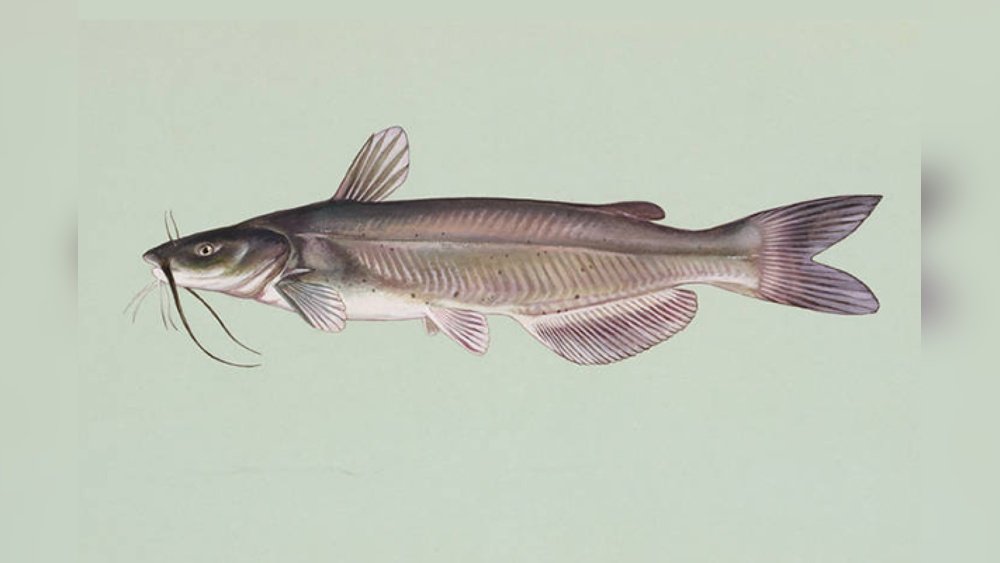
Channel catfish are the most common catfish in North Carolina. They are found in almost every major river, many lakes, and even farm ponds. Channel catfish are known for their spotted, slender bodies and forked tails. Most weigh between 2 and 10 pounds, but some can reach over 20 pounds. They are popular because they bite well on many baits and are excellent for eating.
Blue Catfish
The blue catfish is the giant of the catfish world in North Carolina. These fish can reach over 100 pounds in rare cases, with 30- to 50-pounders not unusual in some rivers. They have a blue-gray color and a straight-edged tail. Blue catfish thrive in large rivers like the Roanoke, Neuse, and Cape Fear, as well as in big lakes. Targeting these giants requires heavy tackle and patience.
Flathead Catfish
Flathead catfish are easy to recognize by their broad, flat heads and yellow-brown coloring. They prefer slow-moving rivers and large reservoirs. Unlike other catfish, flatheads feed mostly on live fish. They can grow very large, with catches over 50 pounds reported in several NC rivers. Anglers seeking a challenge often go after flatheads at night.
White Catfish
The white catfish is the smallest of the main catfish species in NC, rarely exceeding 8 pounds. They have a chunky body and a tail that’s less forked than the channel catfish. White catfish prefer brackish and slow-moving waters, often found in the eastern part of the state.
Bullhead Catfish
Bullheads include brown, black, and yellow bullheads. These are smaller, rarely over 3 pounds, and are common in ponds, small lakes, and creeks. Bullheads are a favorite for kids and beginners because they bite easily and are found almost everywhere.
Best Places To Catch Catfish In Nc
North Carolina offers many top spots for catfishing. Whether you prefer rivers or lakes, you’ll find plenty of options.
| Waterbody | Main Catfish Species | Notable Feature |
|---|---|---|
| Lake Norman | Channel, Blue, Flathead | Largest man-made lake in NC |
| Neuse River | Blue, Channel, Flathead | Excellent for trophy blue catfish |
| High Rock Lake | Channel, Flathead | Known for consistent catches |
| Roanoke River | Blue, Channel | Supports some record-sized blues |
| Cape Fear River | Flathead, Blue, Channel | Prime habitat for all major species |
| Jordan Lake | Channel, Flathead | Popular with families |
Two non-obvious insights: First, after heavy rains, rivers like the Cape Fear and Neuse often produce better catfishing because the flow stirs up food and attracts fish. Second, smaller farm ponds and creeks, often overlooked, can have excellent populations of bullheads and channel catfish, making them ideal for quick trips or family outings.
Best Time And Seasons For Catfishing
Timing matters when it comes to successful catfishing. While catfish can be caught year-round, certain seasons and times of day are more productive.
- Spring: As water warms, catfish become more active. Channel and blue catfish often move into shallow waters to feed and spawn, making them easier to catch.
- Summer: Night fishing is popular. Catfish feed more after sunset when the water cools, and they move closer to shore.
- Fall: Cooling water temperatures keep catfish active. Look for them in deeper holes during the day and shallows in the evening.
- Winter: Catfish are less active but can still be caught in deep, slow-moving water, especially on warmer days.
Most anglers agree that dawn and dusk are the best times to fish. However, during summer, all-night fishing can produce large catches, especially for flatheads.
Effective Catfish Baits And Tackle
Catfish are known for their strong sense of smell and taste, so using the right bait is crucial. The best bait depends on the species and location.
Top Baits
- Chicken liver: Very effective for channel catfish.
- Cut bait (shad, herring, or bluegill pieces): Works well for blue and flathead catfish.
- Nightcrawlers and worms: Good all-around bait, especially for bullheads and white catfish.
- Stink baits and dough baits: Designed for catfish, easy to use, and great for channels.
- Live bait (sunfish, shad): Best for big flatheads.
Tackle Tips
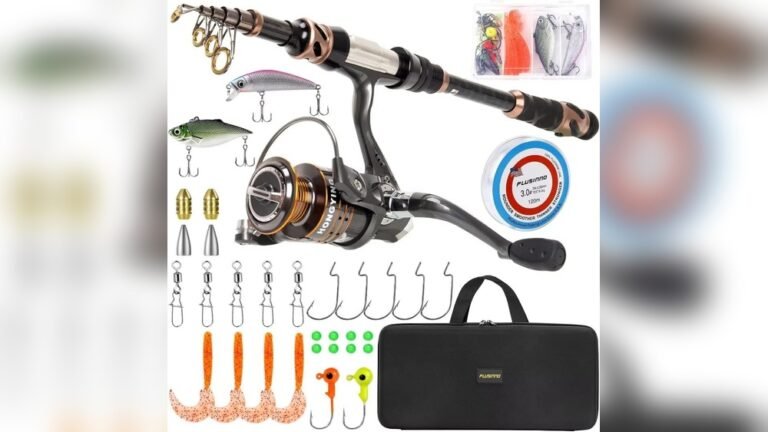
Catfish are strong fighters, so use a sturdy rod and reel. Medium-heavy rods with a strong line (15-30 lb test) are ideal for larger fish. For bullheads and white catfish, lighter gear is fine. Use circle hooks to increase your chances of hooking the fish securely and releasing it safely.
Pro Tip
Try using a slip sinker rig for most catfishing situations. This setup allows catfish to take the bait without feeling the weight, leading to more bites.
Techniques For Catching Catfish
Knowing where and how to present your bait can make a big difference. Here are practical methods:
- Bottom fishing: Most catfish feed near the bottom, so cast your bait and let it sink. Use enough weight to keep your bait in place, especially in rivers.
- Bank fishing: Many catfish are caught from shore. Look for deep holes near drop-offs, submerged logs, or rock piles.
- Boat fishing: In large lakes and rivers, boats let you reach deep channels and holes where big catfish hide.
- Jug fishing and trotlines: Legal in some NC waters, these methods allow you to set multiple lines and cover more water (always check local regulations).
- Drift fishing: Slowly move your bait along the bottom using a boat. This covers more area and finds active fish.
A common beginner mistake is to use too little weight, causing the bait to drift away from the target area. Another is to fish only in shallow water during the middle of the day; catfish often stay deep and come shallow only at certain times.
Catfish Size Records And Notable Catches In Nc
Catfish can grow very large in North Carolina waters. Some record catches have become local legends. Here’s a look at state records:
| Species | Record Weight | Location | Year |
|---|---|---|---|
| Blue Catfish | 121 lbs, 9 oz | Lake Gaston | 2021 |
| Flathead Catfish | 78 lbs, 14 oz | Neuse River | 2005 |
| Channel Catfish | 23 lbs, 8 oz | High Rock Lake | 1989 |
| White Catfish | 13 lbs, 8 oz | Waccamaw River | 1970 |
| Bullhead Catfish | 7 lbs, 6 oz | Lake Waccamaw | 1993 |
Stories of huge blue and flathead catfish caught in rivers like the Roanoke inspire anglers every year. These records show that North Carolina is one of the top states for trophy catfish fishing.

Credit: www.fayobserver.com
Catfish Regulations And Conservation In Nc
Fishing rules are important for protecting catfish populations. North Carolina’s Wildlife Resources Commission (NCWRC) sets limits and guidelines to help keep the fishery healthy.
Licensing And Limits
- Fishing license: Anyone 16 or older must have a valid NC fishing license.
- Daily limits: Most waters allow you to keep up to 10 catfish per day. Some lakes and rivers have special rules, so always check before fishing.
- Size limits: There are minimum and maximum size limits for certain species in some locations, especially for trophy blue and flathead catfish.
Conservation Efforts
The NCWRC stocks catfish in some lakes and ponds, especially those used for public fishing events. Conservationists encourage anglers to release very large catfish, as these fish are important breeders and help maintain healthy populations. Invasive flathead catfish are managed in some rivers because they can out-compete native species.
One insight many overlook: Using non-stainless, non-offset circle hooks can protect catfish and make catch-and-release safer, as these hooks are less likely to cause deep injuries.
Cooking And Eating Catfish
Catfish are a favorite on southern dinner tables. Their mild, flaky meat is perfect for many recipes.
Popular Cooking Methods
- Fried catfish: The classic way, with cornmeal breading and hot oil.
- Grilled catfish: Great for fillets; add lemon and herbs for extra flavor.
- Catfish stew: A Carolina tradition, combining catfish with tomatoes, potatoes, and spices.
- Baked catfish: A healthier option with less oil.
Always clean catfish well and remove any dark meat before cooking for the best taste. Many anglers say smaller catfish (under 5 lbs) are the tastiest, as bigger fish can be tough or have a muddy flavor.

Credit: www.carolinacountry.com
Community, Tournaments, And Catfish Culture
Catfishing is more than just fishing—it’s a community event in many parts of North Carolina. Annual tournaments draw anglers of all ages, and local fishing clubs welcome beginners.
Notable Events
- Catawba Catfish Tournament: Held on Lake Norman, it attracts hundreds of anglers each year.
- Neuse River Catfish Festival: Combines fishing with family activities and food.
Local bait shops and marinas are also great places to meet other catfish anglers and get up-to-date information. Some towns even host “youth fishing days” where kids fish for stocked catfish, building the next generation of anglers.
For those wanting to learn more or join a community, check out the NC Wildlife Resources Commission website for resources, maps, and regulations.
Safety Tips And Responsible Catfishing
Fishing for catfish is safe and fun, but it’s important to keep a few things in mind:
- Watch for spines: Catfish have sharp spines on their dorsal and pectoral fins. Handle them carefully to avoid getting stuck.
- Respect water safety: Wear life jackets when fishing from boats or near deep water.
- Keep it clean: Pick up all trash and fishing line to protect wildlife and waterways.
- Know your surroundings: Be aware of snakes, ticks, and changing weather.
Responsible fishing helps ensure North Carolina’s catfish waters remain healthy and enjoyable for everyone.

Credit: www.fayobserver.com
Frequently Asked Questions
What Is The Best Bait For Catfish In Nc?
The most effective bait depends on the species. Chicken liver works well for channel catfish, while cut bait (like shad or bluegill) is ideal for blue and flathead catfish. Nightcrawlers and stink baits are good choices for smaller catfish like bullheads.
Do I Need A License To Fish For Catfish In North Carolina?
Yes, anyone 16 years or older must have a valid North Carolina fishing license to fish for catfish in public waters. Licenses can be purchased online or at local tackle shops.
Where Can I Catch Trophy-size Catfish In Nc?
Lakes like Lake Norman, Lake Gaston, and rivers such as the Neuse and Roanoke are known for producing large catfish, especially blue and flathead species. Focus on deep holes and river bends for the best chance at a trophy.
Are Catfish Safe To Eat From North Carolina Waters?
Most catfish from NC lakes and rivers are safe to eat. However, always check local fish consumption advisories for warnings about mercury or other contaminants, especially for large, older fish.
Can I Fish For Catfish At Night In North Carolina?
Yes, night fishing for catfish is very popular and legal in North Carolina. In fact, many anglers catch their biggest catfish after dark, especially during the summer months.
North Carolina’s catfish offer something for everyone—from easy catches in ponds to the thrill of landing a trophy blue in a mighty river. With its rich variety of species, abundant fishing spots, and active fishing community, NC is a catfish angler’s paradise.
Whether you’re fishing for food, fun, or competition, understanding catfish in NC will help you get the most from your time on the water.