If you’re planning a fishing trip to Swofford Pond, knowing what fish you might catch can make all the difference. Whether you’re a seasoned angler or just starting out, understanding the types of fish in this pond will help you choose the right bait and techniques.
From largemouth bass to bluegill and channel catfish, Swofford Pond offers a variety of species that can turn your outing into a memorable experience. Ready to discover what’s swimming beneath the surface and how to land your next big catch?
Keep reading to get your complete Swofford Pond Fish Guide.
Fish Species In Swofford Pond
Swofford Pond offers a diverse range of fish species. This variety makes it a popular spot for anglers of all skill levels. Each species has unique habits and preferred habitats. Knowing which fish live in the pond helps improve your fishing experience.
The pond supports both warmwater and coldwater species. It provides good conditions for natural reproduction of many fish types. Some species have been stocked to maintain healthy populations. Let’s explore the main fish found in Swofford Pond.
Largemouth Bass
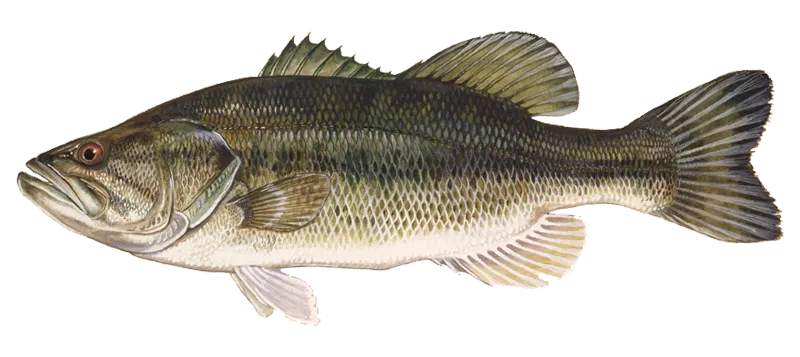
Largemouth bass is a common predator in Swofford Pond. It prefers shallow waters with plenty of cover like weeds and fallen trees. These bass are aggressive and fun to catch. They often strike at artificial lures and live bait. Anglers enjoy targeting largemouth bass for their fighting spirit.
Bluegill And Crappie
Bluegill and crappie are popular panfish species in the pond. They thrive in warmer, shallow waters near vegetation. Bluegill often gather in schools, making them easier to catch. Crappie prefer slightly deeper water and structure. Both fish provide excellent sport and tasty catches.
Brown Bullhead And Channel Catfish
Brown bullhead and channel catfish live near the pond’s bottom. They favor muddy or sandy areas with some cover. These fish are mostly active at night and dawn. Catfish have been stocked to increase their numbers. They feed on insects, small fish, and plant matter. Catfish offer a different challenge for anglers.
Rainbow And Brown Trout
Rainbow and brown trout add coldwater diversity to Swofford Pond. These trout prefer cooler, well-oxygenated water. They are often stocked to support year-round fishing. Trout feed on insects, small fish, and crustaceans. They provide exciting action, especially in spring and fall.

Credit: www.wta.org
Fishing Seasons And Conditions
Fishing at Swofford Pond offers unique experiences throughout the year. The seasons and conditions greatly affect fish activity. Knowing when and how to fish improves your chances of a good catch. Understanding the weather and water changes helps you prepare properly. Fish behavior shifts with the seasons. This guide breaks down key factors for successful fishing at Swofford Pond.
Best Times To Fish
Early morning and late evening are prime fishing times. Fish tend to be more active during these cooler hours. Spring and fall offer excellent fishing conditions. Fish feed actively to recover from winter or prepare for winter. Summer can be tough during midday due to heat. Winter fishing is possible but requires patience and proper gear.
Weather And Water Impact
Calm, overcast days boost fish activity. Bright, sunny days often drive fish to deeper, cooler water. Rain can stir up nutrients, attracting fish near shore. Wind affects water surface and fish movement. Clear water makes fish more cautious, while murky water can improve your chances. Water temperature influences fish metabolism and feeding habits.
Seasonal Behavior Of Fish
Spring triggers spawning for many fish species. Fish move to shallow waters to lay eggs. Summer sees fish seeking shade in deeper, cooler areas. Fall is a feeding frenzy as fish prepare for winter. Winter slows fish activity; they stay in deep water and eat less. Knowing these patterns helps choose the right fishing spots and bait.
Fishing Techniques For Swofford Pond
Fishing at Swofford Pond offers a rewarding experience for anglers of all skill levels. Using the right techniques can improve your chances of catching bass, bluegill, crappie, and catfish. This guide covers proven methods tailored for the pond’s unique environment.
Understanding the best baits, casting styles, and night fishing tips helps you adapt to changing conditions. The pond’s mix of fish species requires flexible strategies. Below are key techniques to enhance your fishing trips.
Bait And Lures
Live bait works well for Swofford Pond species. Worms and minnows attract bass and catfish effectively. Bluegill and crappie respond to small jigs and soft plastics. Bright colors like chartreuse or white catch fish attention in murky water. Spinnerbaits and crankbaits help cover more area quickly. Match your lure size to the fish you seek. Use scented bait to increase your catch rate, especially for catfish.
Casting And Jigging Methods
Cast near submerged structures like logs or weed beds. Fish often hide here for cover. Use a slow, steady retrieve to mimic injured prey. Jigging with light movements attracts curious fish. Let the lure drop to the bottom, then lift it gently. Repeat this motion to trigger bites. Vary your speed until you find what works best. Keep your line tight to feel subtle strikes early.
Night Fishing Tips
Night fishing at Swofford Pond can be very productive. Catfish become more active after dark. Use strong-smelling bait like chicken liver or stink bait. Fish closer to shore where water is warmer. Use a flashlight to check your gear and surroundings safely. Keep noise low to avoid scaring fish. Bring extra batteries for your light source. Nighttime fishing rewards patience and quiet persistence.
Catfish Strategies
Catfish are a popular catch at Swofford Pond. Anglers use specific strategies to increase their chances of landing these bottom dwellers. Understanding catfish habits and preferences helps improve your fishing experience. This guide covers bait choice, fishing locations, and timing for the best results.
Bait Selection
Catfish respond well to strong-smelling baits. Nightcrawlers and worms are classic choices. Cut bait, such as pieces of shad or herring, attracts larger catfish. Prepared stink baits also work well. Use fresh bait to keep fish interested. Change bait often to maintain scent and appeal.
Shore Vs. Boat Fishing
Fishing from the shore offers easy access and comfort. Look for quiet, shaded spots near underwater structures. Fishing from a boat allows access to deeper water and varied locations. It helps cover more area and find active catfish. Both methods can be successful at Swofford Pond depending on conditions.
Best Times For Catfish
Catfish feed mostly during low light conditions. Early morning and late evening are ideal. Night fishing can be very productive, especially in summer months. Overcast days increase catfish activity. Plan your trip to match these times for better catches.
Fishing Gear Recommendations
Choosing the right fishing gear makes your Swofford Pond trip better. Proper equipment helps catch more fish and enjoy the experience.
This guide covers rods, reels, tackle, line, clothing, and accessories for Swofford Pond fishing.
Rods And Reels
Use a medium-light to medium-action rod for Swofford Pond species. A 6 to 7-foot rod works well for shore and boat fishing. Spinning reels are easier for beginners and handle small to medium fish effectively.
For largemouth bass and channel catfish, a sturdy reel with smooth drag is best. Match the reel size with your rod to balance the setup. Quality gear improves casting distance and control.
Tackle And Line
Use light to medium tackle for bluegill, crappie, and bullheads. Small hooks from size 6 to 10 work well for these species. For largemouth bass and channel catfish, use bigger hooks and heavier tackle.
Monofilament line with 6 to 12-pound test is ideal for most fish at Swofford Pond. Fluorocarbon line helps with clear water and less visibility. Keep extra hooks, sinkers, and bobbers in your tackle box.
Clothing And Accessories
Wear comfortable, weather-appropriate clothing. Long sleeves and hats protect from sun and bugs. Waterproof shoes or boots help with slippery or wet spots near the shore.
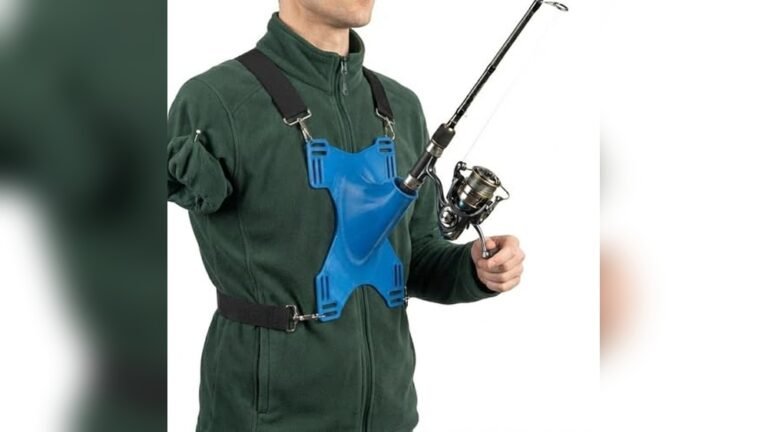
Bring polarized sunglasses to reduce water glare and spot fish easier. A fishing vest with many pockets keeps your gear organized and close. Don’t forget sunscreen, insect repellent, and a first aid kit for safety.
Credit: www.wta.org
Access And Facilities
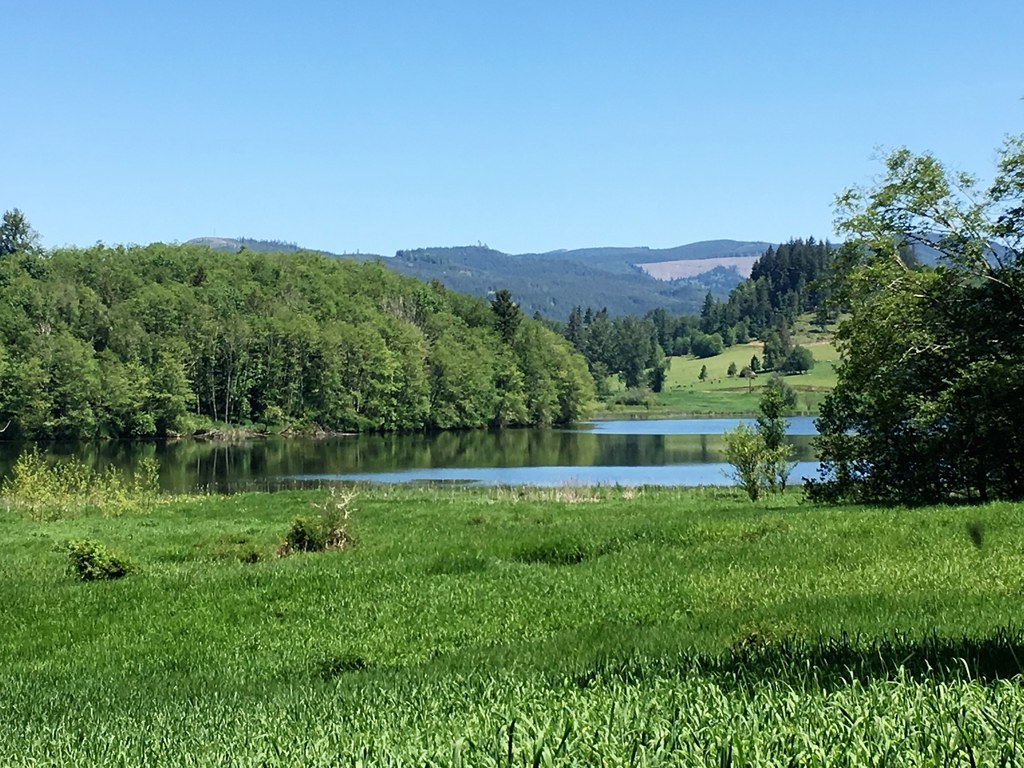
Access to Swofford Pond is straightforward, making it easy for anglers to enjoy their fishing trips. The pond offers several facilities that cater to both boaters and shore fishermen. Understanding the access points and available amenities helps visitors plan their visits better.
Boat Launch And Shoreline Access
Swofford Pond features an unimproved boat launch area. It suits small boats, canoes, and kayaks. Internal combustion engines are not allowed on the water, so electric motors or paddles are the best options. Shoreline access is good and offers many spots for bank fishing. Anglers can find quiet places along the shore to cast their lines.
Fishing Regulations
Fishing at Swofford Pond follows state regulations. Anglers must have a valid fishing license. Certain species have size and catch limits to protect fish populations. The use of live bait and specific tackle may be restricted. It is important to check the latest rules before fishing to ensure compliance and conservation.
Local Amenities
Nearby facilities include parking areas close to the pond. There are no public restrooms directly at Swofford Pond, so plan accordingly. Some picnic spots are available for visitors to rest and eat. Local stores and services are a short drive away for supplies or emergency needs. These amenities support a comfortable fishing experience.
Conservation And Ethics
Conservation and ethics are vital for keeping Swofford Pond healthy and thriving. Respecting fish and their environment helps future anglers enjoy the pond too. Following good practices protects fish populations and their habitats. Responsible fishing supports balance in nature and preserves the pond’s beauty.
Catch And Release Practices
Catch and release helps maintain fish numbers in Swofford Pond. Handle fish gently to avoid injuries. Use barbless hooks to make release easier. Keep fish in water while removing hooks quickly. Release fish back into the pond as soon as possible.
Protecting Fish Habitats
Fish need clean water and safe places to live. Avoid disturbing plants and shoreline areas. Do not leave trash near the pond. Stay on marked paths to reduce erosion. Healthy habitats produce strong fish populations for fishing.
Fishing Limits And Rules
Follow all fishing limits set for Swofford Pond. These limits control how many fish you can keep. Check local rules for size and species restrictions. Abide by seasonal closures or special regulations. Rules protect fish stocks and ensure sustainable fishing.
Credit: fishbrain.com
Frequently Asked Questions
What Types Of Fish Can Be Found In Swofford Pond?
Swofford Pond hosts largemouth bass, bluegill, crappie, brown bullhead, channel catfish, rainbow trout, and brown trout. These species thrive naturally or through stocking.
What Is The Current Fishing Report For Swofford Pond?
Swofford Pond offers good fishing for largemouth bass, bluegill, crappie, and catfish. Fish actively near shore at dusk. Use worms for catfish. Internal combustion engines are prohibited, so bring non-motorized boats or fish from the shore for the best experience.
What Is The Most Common Fish To Catch In A Pond?
The most common fish to catch in a pond is bluegill. Largemouth bass and crappie also appear frequently.
What Fish Has No Limit In Texas?
The fish with no limit in Texas is the Asian carp. Anglers can catch unlimited Asian carp year-round.
Conclusion
Swofford Pond offers a variety of fish for anglers to enjoy. Bluegill, largemouth bass, crappie, and catfish are common catches. The pond’s peaceful setting makes fishing relaxing for everyone. Knowing the types of fish helps plan a better fishing trip.
Try fishing near the shore during evening hours for best results. Remember to respect the environment and follow local rules. With this guide, your time at Swofford Pond can be more rewarding. Happy fishing and enjoy the natural beauty around you!