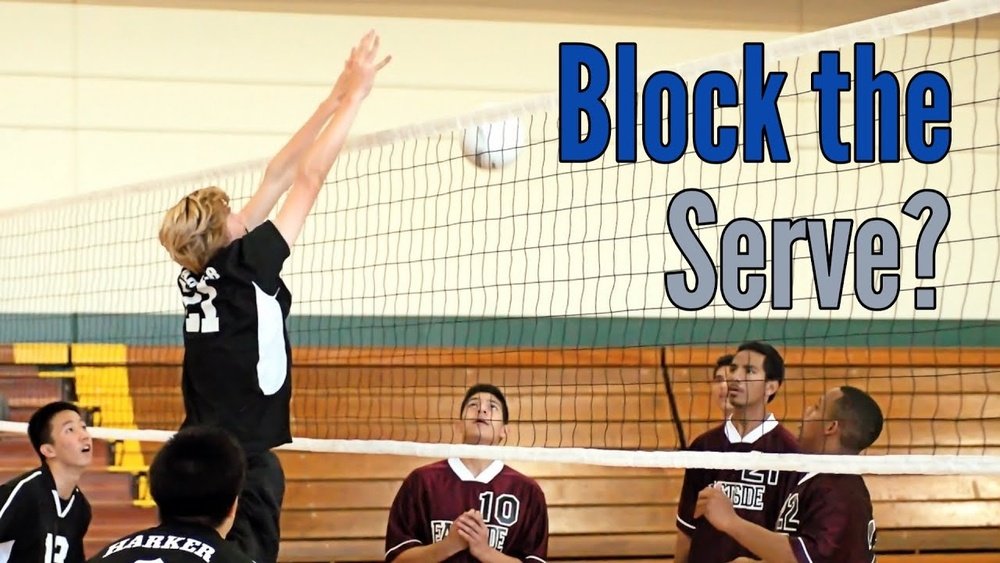
Have you ever wondered if you can block a serve in volleyball? It’s a common question for players and fans alike.
Blocking is a powerful move that can turn the game around, so it’s natural to think about using it against a serve. But here’s the truth: blocking a serve is actually against the rules. Why is that? And what happens if you try?
If you want to understand the ins and outs of serving and blocking, and how to improve your game legally, keep reading. This guide will clear up the confusion and help you play smarter on the court.
Credit: www.youtube.com
Blocking Rules In Volleyball
Blocking rules in volleyball set clear boundaries for players at the net. These rules ensure fair play and keep the game moving smoothly. Understanding what counts as a block and the limitations at the net helps players follow the rules and avoid faults.
What Constitutes A Block
A block happens when players near the net try to stop the ball. They reach above the net to catch or deflect the ball coming from the opponent. A block usually occurs during an attack hit, not on a serve. The goal is to stop the ball from crossing or to slow it down.
Blocking is a defensive move done by front-row players. It requires timing and skill to meet the ball at the right moment. The block can be one or more players jumping with hands raised above the net.
Blocking Limitations At The Net
Blocking a serve is not allowed in volleyball. The rules say you cannot block or attack the ball directly from a serve. Trying to block a serve is a fault and gives a point to the serving team. The serve must be received by the other team before any attack or block.
Players can only block after the ball crosses the net and an attack is made. The block must not touch the net or cross into the opponent’s space. Staying within these limits keeps the game fair and safe for everyone.
Blocking A Serve: The Rules
Blocking a serve in volleyball is a common question among new players and fans. Understanding the rules helps avoid mistakes during matches. Blocking a serve is not allowed in volleyball. This rule keeps the game fair and ensures smooth play. Let’s explore why blocking a serve is forbidden and what the official rulebook says.
Why Blocking A Serve Is Forbidden
Blocking a serve is against the rules because it gives an unfair advantage. The serve starts the rally and must be allowed to cross the net without interference. Players cannot jump or reach over the net to stop the ball during the serve. This rule protects the serving team’s chance to put the ball in play. It also encourages skillful serve reception and fair play.
Official Rulebook Stance
The official volleyball rulebook clearly states that blocking a serve is illegal. A block is only allowed after the ball is in play. The serve is considered a special action and cannot be attacked, blocked, or spiked. Attempting to block a serve results in a fault and awards a point to the serving team. Referees watch closely to enforce this rule during matches.
Consequences Of Blocking A Serve
Blocking a serve in volleyball is not allowed and carries clear consequences. Players must understand what happens if they try to block a serve. These rules keep the game fair and flowing. Breaking this rule affects both players and the match itself.
Faults And Penalties
Blocking a serve counts as a fault against the team. The referee immediately stops play and awards a point to the serving team. This penalty can hurt the blocking team’s score and momentum. Repeated blocking attempts can lead to more points lost. Teams must avoid this mistake to stay competitive.
Impact On The Game
Blocking a serve disrupts the natural rhythm of the game. It prevents the receiving team from properly setting up their attack. This rule encourages skillful passing and teamwork after the serve. The serve is meant to start play, not to be stopped at the net. Following this rule helps keep volleyball exciting and fair for all players.
Receiving A Serve Without Blocking
Receiving a serve without blocking is a key skill in volleyball. Players focus on controlling the ball after the opponent’s serve. This skill helps the team build a strong offense. Proper reception sets the stage for a successful play. It requires good technique and teamwork.
Techniques For Serve Reception
Stand with knees slightly bent and arms ready. Use your forearms to pass the ball, often called a bump. Keep your eyes on the ball from the server’s hand to your arms. Move your feet to get under the ball’s path. Stay balanced and absorb the ball’s force softly. Communication with teammates helps avoid confusion. Practice correct hand and arm positioning for accurate passes.
Setting Up The Attack
After receiving the serve, pass the ball to the setter. The setter then prepares for an attack by the hitters. Good passes make it easier to plan the next move. The goal is to place the ball where hitters can spike effectively. Teamwork between receivers and setters is crucial. Quick, precise passes increase the chance to score points. A well-set ball creates pressure on the opposing team’s defense.
Illegal Blocks And Common Violations
In volleyball, illegal blocks and common violations can change the flow of the match. Players must know these rules to avoid faults and keep the game fair. Blocking the serve is not allowed. Understanding what counts as an illegal block helps players play correctly and safely.
Interference And Net Touches
Interference happens when a player blocks or touches the ball before it crosses the net. During a serve, blocking the ball is not allowed. Touching the net while blocking or attempting to block is also a violation. Net touches disrupt the play and give the point to the other team. Players must keep their hands and body clear of the net to avoid penalties.
Back-row Blocking Restrictions
Back-row players cannot block or attempt to block near the net. They must stay behind the attack line during a block. If a back-row player blocks a serve or any attack, it is a fault. These restrictions keep the game fair and balanced. Knowing these limits helps teams avoid losing points due to illegal blocks.

Credit: buccaneersports.com
Blocking In Beach Volleyball Vs Indoor Volleyball
Blocking plays a key role in volleyball defense. The rules about blocking a serve differ between beach volleyball and indoor volleyball. Understanding these differences helps players know what is legal during play.
Both versions of volleyball forbid blocking a serve. Still, the way players position and react to serves changes because of the environment and team size. Let’s explore these distinctions.
Differences In Rules
Indoor volleyball has six players on each side. Beach volleyball only has two players per team. This difference affects how blocking works.
In indoor volleyball, blocking focuses on stops during rallies after the serve. Blocking a serve is not allowed and leads to a point for the serving team.
Beach volleyball also forbids blocking the serve. But with only two players, the defense strategy changes. Players must cover more ground and be ready for fast serves.
The rules clearly state that blocking a serve is illegal in both types. This keeps the serve fair and prevents unfair advantages at the start of the play.
Serving And Blocking In Beach Volleyball
Beach volleyball players cannot jump or reach over the net to block a serve. They must wait until the ball crosses the net and touches the sand or a player.
Blocking usually happens after the serve during the rally. Players try to stop or slow down the opponent’s attack near the net.
Because there are only two players, one often blocks while the other covers the court. Blocking requires timing and skill to read the opponent’s hits.
The serve is a critical moment, but it cannot be blocked. Teams focus on a strong pass to set up their offense after receiving the serve.
Tips To Improve Defensive Play Without Blocking Serves
Blocking a serve is not allowed in volleyball, but defending against serves remains crucial. Improving defensive play without blocking helps your team gain control and prepare for the next move. Focus on strong positioning and sharp anticipation to read the server’s intent. Develop effective passing skills to handle the serve cleanly and set up your offense.
Positioning And Anticipation
Stand in a balanced stance, ready to move quickly. Watch the server’s body and arm to predict where the ball will go. Stay low with knees bent to react faster. Adjust your position based on the server’s style and the game situation. Good anticipation reduces reaction time and improves your chances of a successful pass.
Effective Passing Skills
Use your forearms to create a flat surface for the ball. Keep your arms steady and together to control the pass. Focus your eyes on the ball from the moment it leaves the server’s hand. Step toward the ball to maintain balance and power. Practicing passing regularly builds confidence and consistency in serve reception.

Credit: ecosports.com
Frequently Asked Questions
Could You Ever Block A Serve In Volleyball?
No, you cannot block a serve in volleyball. Blocking a serve is illegal and results in a point for the serving team. Players must receive the serve by passing or bumping the ball to continue play. Attempting to block a serve causes a fault against the receiving team.
What Are 5 Things You Cannot Do In Volleyball?
You cannot block or spike a serve in volleyball. You cannot catch or throw the ball. You cannot touch the net or step over the center line during play. You cannot delay the game intentionally.
What Is An Illegal Block In Volleyball?
An illegal block in volleyball occurs when a player blocks the serve. Blocking a serve is against the rules. It results in a fault and awards a point to the serving team. Players must receive the serve with a pass instead of blocking it.
Can You Block A Serve In Sitting Volleyball?
No, you cannot block a serve in sitting volleyball. Blocking a serve is against the official rules and results in a fault.
Conclusion
Blocking a serve is not allowed in volleyball. It counts as a fault against your team. Players must focus on receiving the serve with a proper pass. This rule keeps the game fair and fun. Understanding this helps improve your volleyball skills.
Always follow the official rules during play. Keep practicing your serve receive techniques to support your team. Now you know why blocking serves is against the rules. Stay confident and enjoy the game!