Are you curious about the exact height of the NCAA volleyball net and why it matters so much to your game? Whether you’re a player aiming to improve your skills, a coach setting up the perfect court, or just a fan wanting to understand the sport better, knowing the correct net height is crucial.
The height of the net can influence every serve, spike, and block, shaping how the game unfolds. You’ll discover the official NCAA volleyball net height, how it compares to other levels, and practical tips to ensure your net is set just right.
Keep reading to gain the edge you need and take your volleyball knowledge to the next level!
Credit: sterlingvolleyball.com
Ncaa Net Height Standards
The NCAA sets clear standards for volleyball net heights. These heights vary based on the division of play and gender. Proper net height ensures fair competition and player safety. All NCAA volleyball matches follow these set measurements strictly.
Men’s Net Height
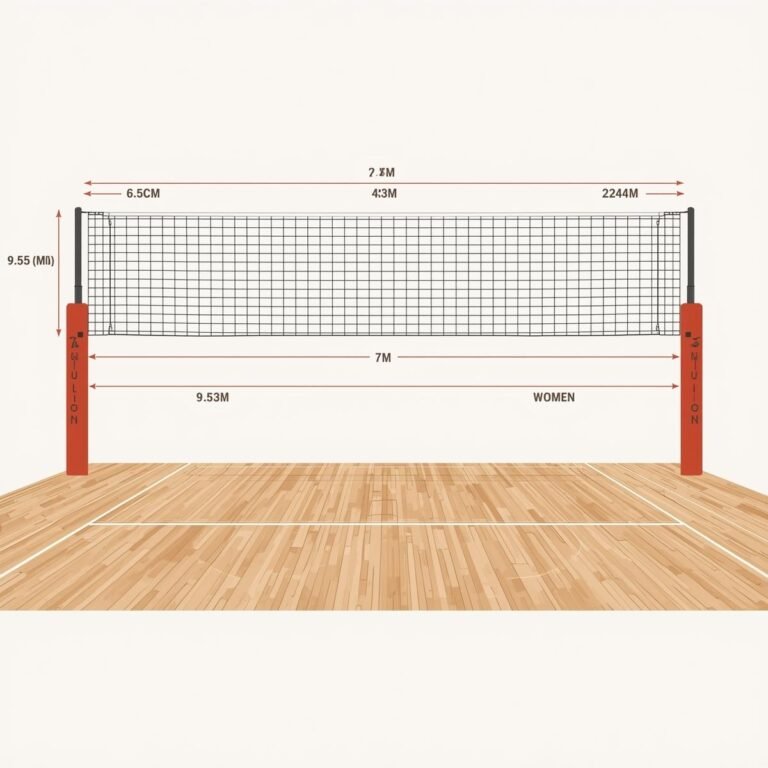
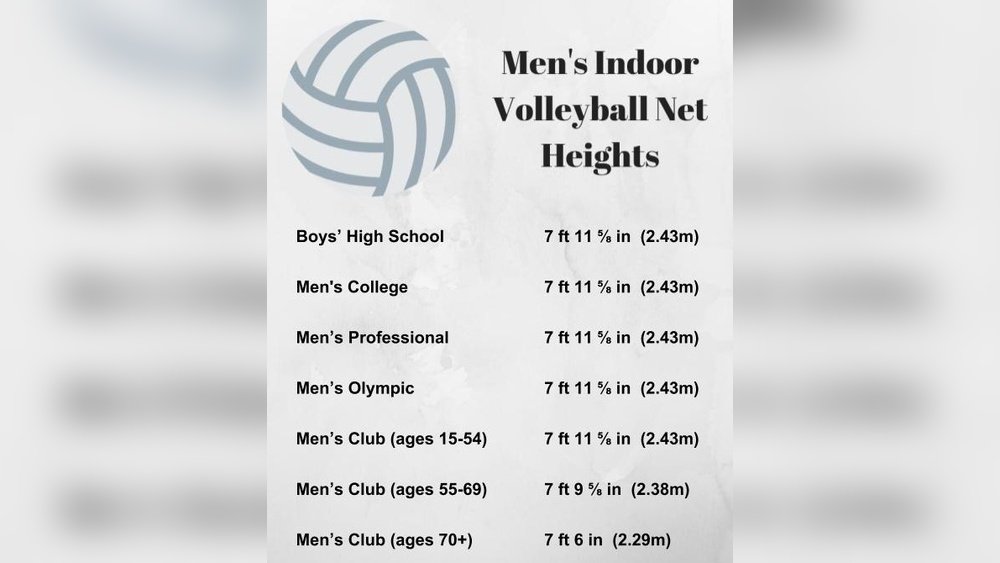
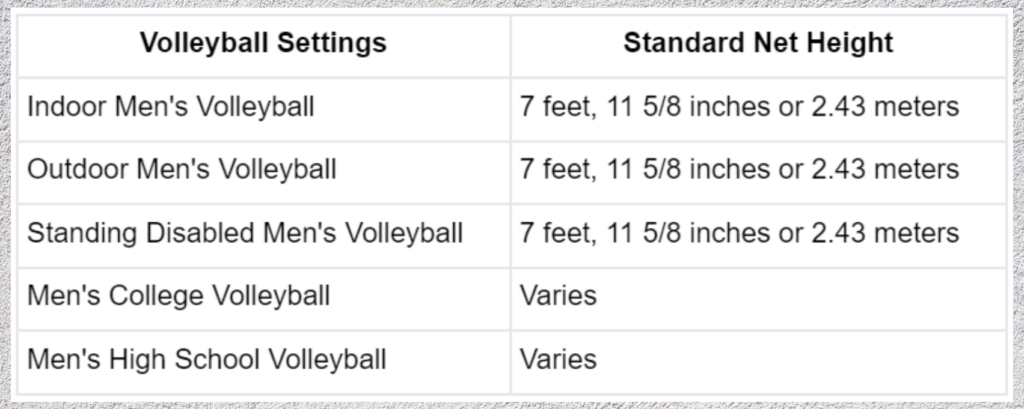
The official net height for men’s NCAA volleyball is 7 feet 11 5/8 inches. This equals 2.43 meters. It is measured at the center of the net. This height challenges male athletes and fits their average reach and jump ability. Maintaining this height is critical during all matches.
Women’s Net Height
For women’s NCAA volleyball, the net height is 7 feet 4 1/8 inches. This equals 2.24 meters. The measurement is also taken at the net’s center point. This standard matches female players’ average height and skill level. The set height promotes balanced and competitive play.
Coed Net Height
Coed volleyball uses a slightly different net height. It typically follows the women’s net height standard of 7 feet 4 1/8 inches. This height suits mixed teams by balancing play between male and female athletes. It helps keep the game fair and enjoyable for all players.

Credit: www.sportsimports.com
Measuring Net Height
Measuring the NCAA volleyball net height is essential for fair play. The official height ensures the game follows NCAA rules and standards. Precise measurement helps maintain consistency across different courts and matches.
Proper net height affects players’ performance and game quality. Coaches and officials must check the net before every match. Understanding where and how to measure the net height is crucial.
Center Vs. Side Measurements
The net height is measured at the center, not the sides. NCAA rules require the center height to be exact. The sides of the net can be slightly higher or lower, but no more than ¾ inch difference.
Measuring only the sides can give incorrect results. The center point shows the true net height for gameplay. Check both the center and sides to ensure proper setup.
Tools For Accurate Setup
Use a tape measure or a net height gauge for accuracy. A net height gauge is designed to fit the volleyball net system. It helps quickly measure and adjust the net to NCAA standards.
A level can also help ensure the net is straight. Avoid using makeshift tools that may cause errors. Accurate tools save time and keep the game fair.
Adjusting The Net
Adjusting the volleyball net is crucial for fair play and safety. The NCAA volleyball net height must be exact at the center. Over time, the net can sag or loosen. This affects the game’s quality and can cause disputes. Regular adjustments keep the net tight and at the right height. Proper net tension improves player performance and match fairness.
Reducing Center Sag
Center sag happens when the net dips in the middle. It makes the net lower than the official height. To reduce sag, start by tightening the side straps. Use a measuring tape to check the net height at the center. Adjust until the center matches the official height. A small sag can change the game’s difficulty. Keep the net firm to avoid this problem.
Tensioning Techniques
Tensioning the net means pulling it tight across the court. Use the tensioning cables on each side of the net. Turn the winches or tighten the straps slowly and evenly. Check the tension regularly during play. Uneven tension can cause the net to lean or sag. Proper tension keeps the net stable and at the right height. This ensures fair conditions for all players.
Court Dimensions And Net Placement
The court dimensions and net placement are essential for NCAA volleyball matches. They ensure fair play and proper game flow. Precise measurements keep the game consistent across venues. Understanding these details helps players and coaches prepare better. This section covers the court size and how to position the net correctly.
Court Size Overview
The official NCAA volleyball court measures 18 meters long and 9 meters wide. It is divided into two equal halves by the net. Each half is 9 by 9 meters. The court lines must be clearly marked and visible. The attack line is 3 meters from the centerline on each side. This line separates the front and back zones for players. Boundary lines define the playing area and include end lines and sidelines.
Net Positioning Tips
The net must be placed at the center of the court, directly over the centerline. The standard NCAA net height is 2.43 meters for men and 2.24 meters for women. The net should be taut with minimal sagging. Use adjustable poles for accurate height settings. Ensure the antennae are attached vertically to the net edges. These antennae mark the legal playing area above the net. Proper net tension improves game quality and player safety.
Common Setup Mistakes
Setting up the NCAA volleyball net correctly is crucial for fair play. Mistakes during setup cause match delays and player frustration. Common setup errors include incorrect height and uneven tension. These issues affect game quality and player performance.
Incorrect Height Levels
The NCAA sets the net height at 7 feet 4 1/8 inches for women and 7 feet 11 5/8 inches for men. Setting the net too high or low breaks the rules. It also gives an unfair advantage to one team. Using a proper measuring tool helps avoid this mistake. Always measure at the net’s center for accuracy. Double-check the height before each match starts.
Uneven Net Tension
Uneven tension makes the net sag or pull tight on one side. This distorts the playing surface and causes bad ball rebounds. Players find it hard to predict ball movement on a loose or tight net. Adjust tension evenly using the side straps or cables. Check tension regularly during the game to keep it balanced. A well-tensioned net improves gameplay and fairness.
Credit: volleymob.com
Equipment Recommendations
Choosing the right equipment is vital for NCAA volleyball matches. Proper gear ensures the net height stays accurate and stable. It also supports fair play and player safety. This section highlights top equipment for setting up NCAA regulation volleyball nets.
Best Poles And Anchors
Strong poles hold the net firmly in place. Look for poles made from durable materials like steel or aluminum. These resist bending and weather damage. Poles should have easy height adjustment mechanisms. This helps set the net at the exact NCAA height.
Anchors keep the poles stable on the court. Ground sleeves or weighted bases work well. They prevent poles from shifting during play. Choose anchors that suit both indoor and outdoor courts. Secure anchors reduce net movement and improve game quality.
Quality Nets For Ncaa Play
NCAA nets must meet specific size and material standards. Nets made from high-density polyethylene or nylon offer durability. The mesh size should be consistent for fair play. Nets with reinforced edges last longer and resist fraying.
Choose nets designed for competition use. These nets maintain tension and height better than casual ones. Proper nets also enhance visibility for players and referees. Investing in quality nets ensures compliance with NCAA rules.
Rules Impacting Net Setup
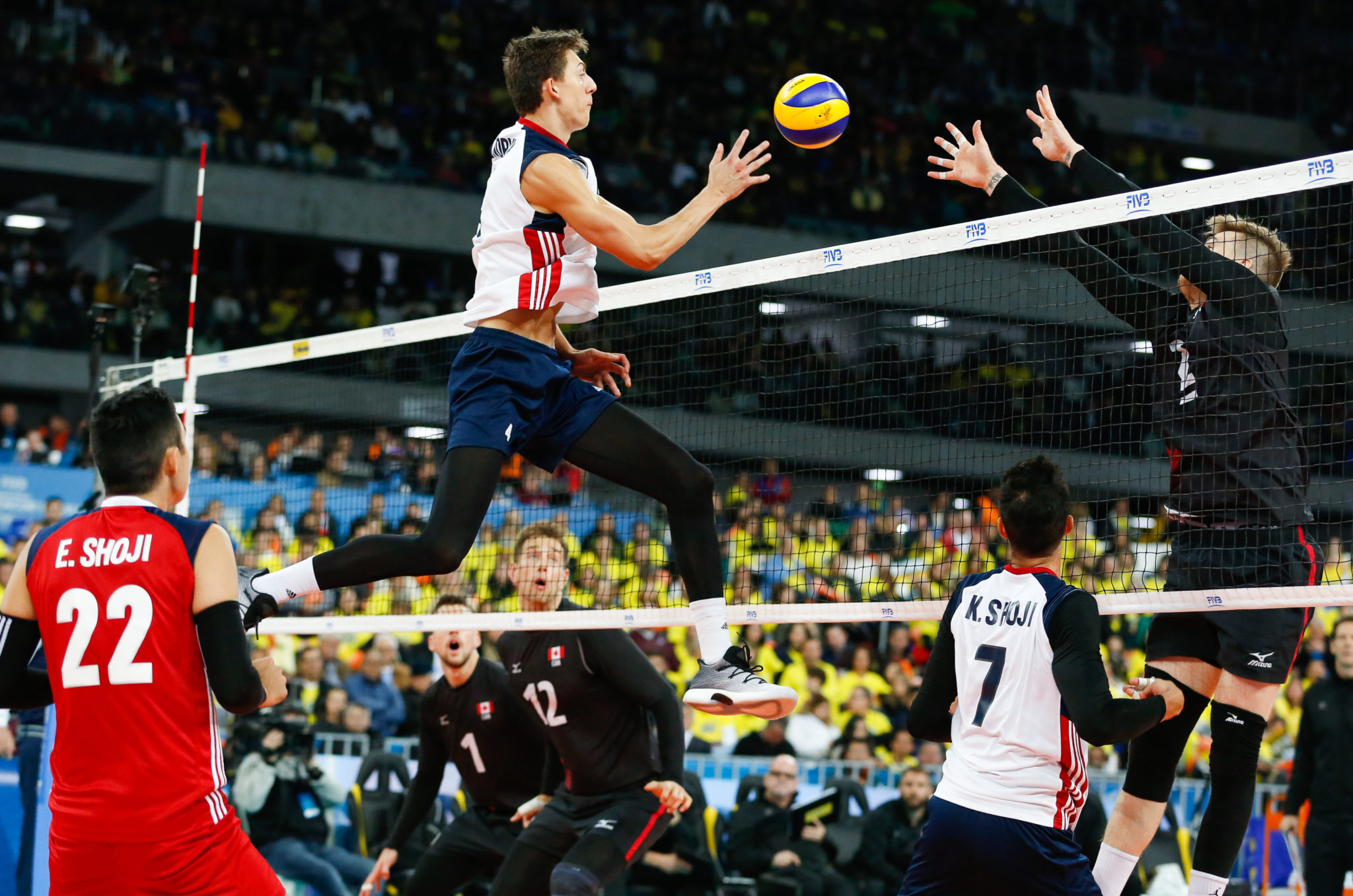
The net height is a key element in NCAA volleyball. It affects how players serve, block, and spike. Strict rules guide how the net is set up for fair play. Understanding these rules helps coaches and players prepare better. The setup must follow precise measurements and standards. This section covers the main rules affecting net setup in NCAA volleyball.
Official Ncaa Regulations
The NCAA sets clear rules for volleyball net height. For men’s volleyball, the net height is 7 feet 11 5/8 inches (2.43 meters). Women’s volleyball nets are set at 7 feet 4 1/8 inches (2.24 meters). The height is measured at the center of the net.
The net must be taut with little sag in the middle. The sides of the net can hang up to ¾ inch lower than the center. Net posts must be firm and placed outside the sidelines.
Officials check the net height before each match. Any changes during play must be approved by the referee. This ensures consistency and fairness throughout the game.
Differences Across Leagues
Net height varies in different volleyball leagues outside NCAA. High school boys use the same net height as NCAA men. However, high school girls use a slightly lower net than NCAA women.
Professional and international leagues often follow FIVB standards. These heights can differ slightly from NCAA rules. Coaches and players moving between leagues must adjust to these changes.
Proper net setup reflects the competition level and age group. Knowing these differences helps teams prepare for tournaments and matches. It also ensures players compete on equal terms.
Maintaining Net Height During Matches
Maintaining the correct net height during NCAA volleyball matches is essential for fair play. The official net height must remain consistent from the start to the end of each set. Players and referees rely on this standard to ensure the game follows NCAA rules. Small changes in net height can affect serves, blocks, and spikes.
Net height can shift due to tension loss or wear on the net and posts. Regular checks help keep the net at the proper height. This prevents disputes and keeps the game smooth. Teams and officials should be ready to act quickly if adjustments are needed.
Monitoring Sag And Wear
Sagging happens when the net loses tension. It lowers the center, making the net shorter than required. Check the net frequently during breaks. Look for loose cables or stretched net fabric. Worn nets may not hold tension well. Replace or repair nets showing signs of damage. Proper tension keeps the net height steady throughout the match.
Quick Fixes On The Court
Sometimes, quick fixes are necessary during a match. Use the net’s tensioning system to tighten cables. Pull side straps firmly to reduce sag. Adjust the net posts if possible. Keep a measuring tape handy to confirm height. Avoid drastic changes that could delay the match. Small, fast fixes help maintain fair play without interrupting the game.
Net Height For Different Levels
The height of a volleyball net changes depending on the level of play. Different leagues set specific net heights to match the players’ age and skill. These standards ensure fair play and proper competition. Knowing these heights helps players and coaches prepare effectively. Below is a comparison of net heights at various levels.
High School Vs. Ncaa
High school volleyball nets are slightly lower than NCAA standards. For boys, the high school net is set at 7 feet 11 5/8 inches. This height is the same for NCAA men’s volleyball. For girls, the high school net stands at 7 feet 4 1/8 inches. NCAA women’s volleyball uses the same height. This consistency helps players adjust smoothly from high school to college.
Professional And Olympic Standards
Professional and Olympic volleyball use the same net heights as NCAA volleyball. Men’s net height is 7 feet 11 5/8 inches. Women’s net height is 7 feet 4 1/8 inches. These heights apply worldwide in top-level competitions. Players must be ready to play at these exact heights. This standard keeps the game uniform across all elite levels.
Frequently Asked Questions
How High Is The Net In Ncaa Volleyball?
The NCAA volleyball net height is 7 feet 11 5/8 inches (2. 43 meters) for men and 7 feet 4 1/8 inches (2. 24 meters) for women. The net is measured at the center, ensuring fair play during matches.
How Tall Are College Nets?
College volleyball nets stand 7 feet 11 5/8 inches (2. 43 meters) tall for men and 7 feet 4 1/8 inches (2. 24 meters) for women. These heights follow NCAA regulations and apply to official college matches.
How Tall Are Varsity Volleyball Nets?
Varsity volleyball nets stand 7 feet 11 5/8 inches (2. 43 meters) for men and 7 feet 4 1/8 inches (2. 24 meters) for women.
What Is The Best Height For A Volleyball Net?
The best volleyball net height is 2. 43 meters (7’11 5/8″) for men and 2. 24 meters (7’4 1/8″) for women. This regulation height suits official and competitive play.
Conclusion
The NCAA volleyball net height varies by gender. Men’s net stands at 7 feet 11 5/8 inches. Women’s net height is set at 7 feet 4 1/8 inches. These measurements ensure fair play and consistent competition. Players and coaches must know these standards well.
Proper net height affects skills and game strategy. Understanding this helps improve training and performance. Keep these numbers in mind for NCAA volleyball. They shape the way the game is played every time.