Golf is full of unique words that make the game interesting. One term you might hear from time to time is albatross. For many golfers, even experienced ones, the albatross is a rare achievement. It’s a word that sparks excitement, respect, and sometimes confusion. If you’re new to golf or simply curious, learning about the albatross can give you a deeper appreciation for the sport and its scoring system.
What Does Albatross Mean In Golf?
In golf, an albatross is a score that means a player has completed a hole in three strokes less than par. For example, if you score a 2 on a par-5 hole, you’ve made an albatross. This is also known as a double eagle. The term is used because, just like the bird itself, an albatross is extremely rare and impressive.
To put it simply:
- Par-5 hole: Albatross = 2 strokes
- Par-4 hole: Albatross = 1 stroke (hole-in-one)
- Par-3 hole: Albatross is impossible (can’t be three under par on a par-3)
Why is it so special? Most golfers will play their entire lives and never make an albatross. It’s a combination of skill, luck, and perfect conditions.
Origins And Meaning Behind The Term
Golf has a history of using bird names for special scores. The most well-known is the birdie (one under par), followed by eagle (two under par). The albatross follows this pattern and is even rarer than an eagle.
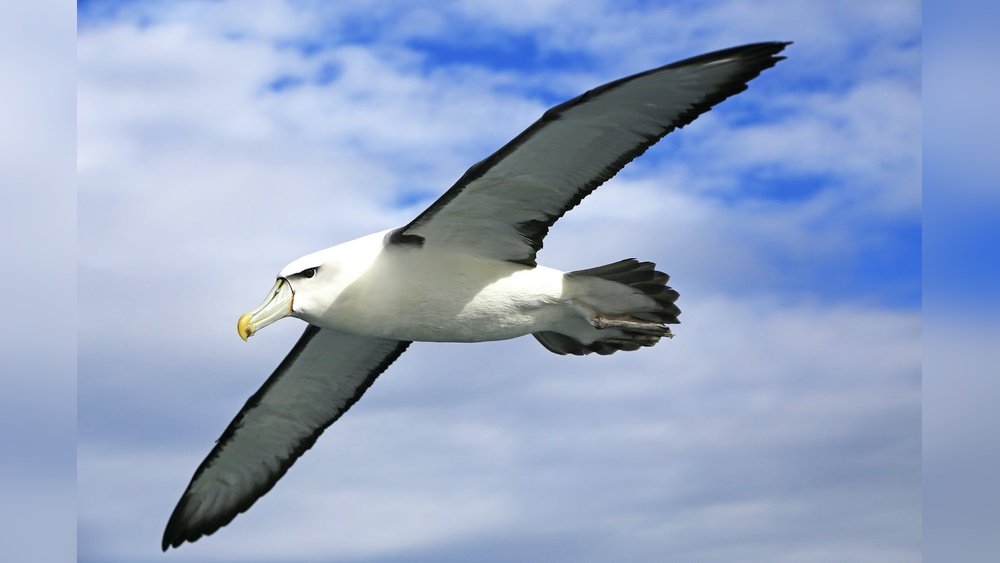
The term “albatross” started being used in the early 20th century. The albatross bird is known for its size and rarity, so using it for such a rare achievement made sense.
Many believe the word “albatross” was first popular in the UK. In the US, “double eagle” is sometimes used instead, but most golf historians prefer “albatross” because it fits the bird theme.
How Scoring Works In Golf
Understanding the albatross starts with knowing how par works in golf. Each hole has a set number of strokes called par, which is what a skilled golfer is expected to need. Most holes are par-3, par-4, or par-5.
Here’s a quick look at how scores compare to par:
| Score Term | Strokes Relative to Par | Example (Par-5 Hole) |
|---|---|---|
| Birdie | -1 | 4 strokes |
| Eagle | -2 | 3 strokes |
| Albatross (Double Eagle) | -3 | 2 strokes |
| Bogey | +1 | 6 strokes |
An albatross is the best score you can make on a hole, other than a hole-in-one on a par-4 (which is also an albatross).
How Rare Is An Albatross?
The albatross is one of the rarest achievements in golf. According to the PGA Tour, there are only a handful of albatrosses scored each year in professional tournaments. In amateur play, the odds are even lower.
Some statistics:
- The chance of a pro golfer making an albatross is about 1 in 1,000 rounds.
- For amateurs, the odds are closer to 1 in 10,000 rounds.
- In comparison, a hole-in-one is more common: Odds are about 1 in 12,500 for amateurs.
These numbers show just how difficult and special an albatross is. You need a long drive and a perfect approach shot, and often a bit of luck.

Credit: www.thediygolfer.com
Famous Albatrosses In Golf History
Albatrosses have made history in major tournaments. Here are a few memorable examples:
- Gene Sarazen – 1935 Masters Tournament: Sarazen made an albatross on the 15th hole, helping him win the event. This shot is called “the shot heard round the world.”
- Louis Oosthuizen – 2012 Masters Tournament: Oosthuizen made an albatross on the second hole, which gave him the lead and excitement among fans.
- Shaun Micheel – 2010 British Open: Micheel scored an albatross at St. Andrews, one of golf’s most famous courses.
These moments are celebrated because they’re so rare and can change the outcome of a tournament.
How Can You Make An Albatross?
Making an albatross takes a mix of distance, accuracy, and sometimes luck. Here’s how it can happen:
- Long Drive: On a par-5 hole, you need a powerful tee shot to get close enough for a chance at reaching the green in two shots.
- Second Shot: Your second shot must be accurate and long enough to reach the green and get close to the hole.
- Hole-in-One on Par-4: On a short par-4, a hole-in-one is technically an albatross, but this is even rarer.
Most albatrosses happen on par-5 holes when a golfer makes the green in two and sinks a long putt or chips in from the fairway.
Common Mistakes Golfers Make Trying For Albatross
- Overestimating distance: Many golfers try to hit too far and lose accuracy.
- Ignoring course layout: Not considering hazards and wind can lead to mistakes.
- Pressing for the score: Trying too hard can lead to risky shots and higher scores.
It’s important to play smart, not just powerful, to even have a chance at an albatross.

Credit: golfhireireland.com
Albatross Vs. Other Golf Scores
Golfers often confuse the albatross with other scores. Here’s how the albatross compares to similar achievements:
| Score | Definition | Typical Hole | Difficulty |
|---|---|---|---|
| Birdie | 1 under par | Any hole | Common |
| Eagle | 2 under par | Par-4, Par-5 | Uncommon |
| Albatross | 3 under par | Par-5 (most), Par-4 (hole-in-one) | Very rare |
The albatross stands out as the hardest to achieve, making it a top goal for many golfers.
Albatross In Professional And Amateur Golf
In professional golf, the albatross is seen as a highlight. Players who achieve it often get media attention and praise. The achievement can boost confidence and change tournament results.
For amateurs, the albatross is even more special. Most golfers never make one, so those who do often remember the moment for the rest of their lives. Golf clubs sometimes celebrate albatrosses by posting the player’s name on a board or giving a small award.
Notable Differences Between Pro And Amateur Albatrosses
| Aspect | Professional Golf | Amateur Golf |
|---|---|---|
| Frequency | Few per year | Very rare |
| Recognition | Media coverage, prizes | Club awards, personal pride |
| Impact | Can change tournament | Personal achievement |
Tips To Improve Your Chances For An Albatross
While luck plays a role, you can increase your chances by improving your skills and strategy:
- Work on driving distance: Practice hitting longer drives to get closer to the green in fewer strokes.
- Improve accuracy: Focus on keeping your shots straight and avoiding hazards.
- Study course layout: Learn where you can take risks and which holes offer the best chance.
- Stay calm under pressure: Don’t force shots; play within your ability.
One non-obvious tip is to play courses with shorter par-5 holes, especially those that allow aggressive play. Another insight is that good weather can make it easier—wind and rain make long, accurate shots much harder.
Albatross In Golf Rules And Etiquette
Golf rules do not treat an albatross differently from other scores. It’s simply recorded as three under par for the hole. However, etiquette encourages golfers to celebrate but not boast or disrupt play.
Some clubs have traditions for recognizing albatrosses. For example, they may ring a bell or add the player’s name to a special list.
It’s also important to verify the score. If you make an albatross, have a witness or your playing partners confirm the score for records.
Credit: fontdelllop.com
Why Albatrosses Matter In Golf
The albatross is more than just a score. It represents skill, patience, and sometimes a touch of luck. For professionals, it’s a way to stand out and possibly win tournaments. For amateurs, it’s a moment to remember and celebrate.
Golfers chase albatrosses not just for bragging rights, but for the feeling of achieving something truly special. It’s a milestone that makes the game exciting and motivates players to improve.
Frequently Asked Questions
What Is The Difference Between An Albatross And A Double Eagle?
Both terms mean the same thing—three under par on a single hole. In the US, “double eagle” is common, while “albatross” is more popular internationally. The bird theme fits better with golf’s scoring traditions.
Can You Get An Albatross On A Par-3 Hole?
No, it’s impossible. The best score on a par-3 hole is a hole-in-one, which is only two under par. An albatross requires three under par, so you need a par-4 or par-5.
How Many Albatrosses Have Happened In Major Golf Tournaments?
Albatrosses are rare in majors. For example, fewer than 20 albatrosses have been recorded in the history of The Masters, British Open, US Open, and PGA Championship combined. You can see official records at Wikipedia.
How Do You Record An Albatross In Your Scorecard?
Just record the total strokes for the hole. Most scorecards have space for the hole number and strokes taken. For example, if you make a 2 on a par-5, write “2” in the box. Some clubs may have a special section for rare scores.
Is Making An Albatross Just Luck?
It’s a mix of skill and luck. You need to hit two great shots (or one for a par-4 hole-in-one), but sometimes conditions, wind, and a lucky bounce help. Practicing distance and accuracy makes it more likely, but it’s still rare.
Golf is full of challenges and moments of joy. The albatross stands as one of the most impressive achievements, reminding us that even in a sport of skill, a little magic is always possible. If you ever make an albatross, cherish the memory—it’s a feat most golfers only dream of.