
Have you ever wondered why certain hits in hockey lead to penalties while others don’t? If you watch the game closely, you’ll notice some hits cause immediate whistles and player penalties.
One of the most serious is the boarding penalty. Understanding what boarding is, why it’s penalized, and how it differs from a legal body check can completely change how you see the game. You’ll learn exactly what the boarding penalty means, why it matters for player safety, and how it impacts the flow of the game.
Stick with me, and you’ll never miss a crucial call on the ice again.
Boarding Basics
Boarding is a serious penalty in hockey that involves dangerous physical contact. Understanding the basics of boarding helps players and fans recognize its risks. It focuses on hits that push a player violently into the boards. This section explains what boarding is and how it differs from legal body checks.
Defining Boarding
Boarding occurs when a player hits an opponent hard into the boards. The hit is often from behind or catches the player off guard. The key is the excessive force used to push the player against the boards. This action can cause injuries and is not allowed in hockey. Referees penalize boarding to protect players’ safety.
Boarding Vs Legal Body Check
A legal body check is a shoulder-to-shoulder hit near the puck. It aims to separate the opponent from the puck fairly. This check happens with both players ready and involved in play. Boarding targets a defenseless player, often unaware of the hit. Legal checks follow rules to avoid hits to the head or from behind. Boarding always results in a penalty, while legal checks do not.
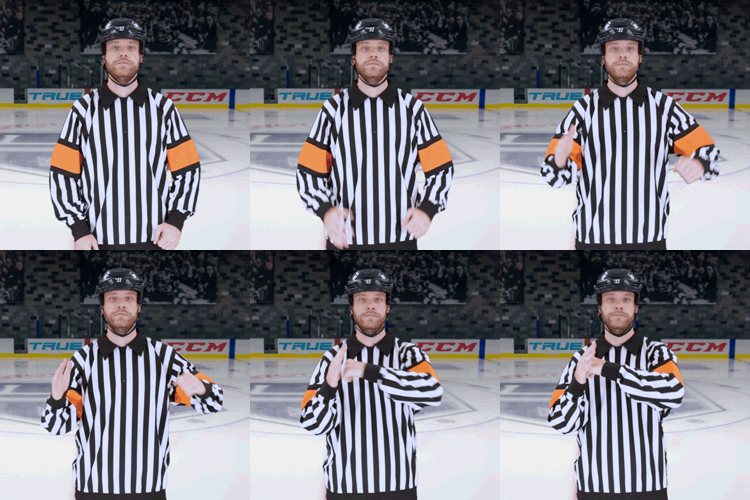
Credit: www.hockeymonkey.com
Rules Governing Boarding
Boarding is a serious infraction in hockey designed to protect players from dangerous hits. The rules governing boarding focus on player safety and fair play. They clearly define what actions count as boarding and how officials should respond. Understanding these rules helps players avoid penalties and keeps the game safer for everyone.
The rules consider the force of the hit, the location, and the status of the player being hit. Referees watch closely to spot illegal boarding attempts. Penalties vary based on the severity and intent behind the action. Let’s explore the key aspects of these rules.
When Boarding Is Called
Boarding is called when a player violently pushes or checks an opponent into the boards. The hit must show excessive force beyond a normal body check. Officials look for hits to players who cannot protect themselves. Hits that cause the opponent to hit the boards dangerously also qualify. Referees assess the situation quickly to determine if boarding occurred.
Types Of Boarding Penalties
Boarding penalties vary depending on the hit’s severity and outcome. Minor boarding penalties result in a two-minute penalty. If the hit causes injury or is very violent, referees may call a major penalty. In extreme cases, a game misconduct penalty is issued, meaning the player is ejected. These penalties discourage players from unsafe hits near the boards.
Player Status And Vulnerability
The rules consider if the player hit was vulnerable or defenseless. Vulnerability includes players facing away or just releasing the puck. Players close to the boards with limited ability to protect themselves are also at higher risk. Hits against vulnerable players are more likely to be called as boarding. Protecting these players is a key goal of the rules.
Risks Of Boarding
Boarding in hockey is a serious offense due to its high risk of injury. This penalty involves forcefully pushing an opponent into the boards. The risks linked to boarding make it a critical issue for player safety. Understanding these risks helps players, coaches, and fans appreciate why strict rules exist.
Injury Potential
Boarding often causes severe injuries. Players hit near the boards can suffer concussions and broken bones. The impact force is very high, increasing injury chances. Injuries may also include cuts, bruises, and joint damage. Many injuries from boarding require long recovery times. These injuries affect players’ careers and their quality of life.
Impact On Player Safety
Boarding threatens the overall safety of players on the ice. It puts defenseless players at risk, especially those who cannot prepare for the hit. This danger creates fear and hesitation during the game. Players may avoid aggressive plays to stay safe. Hockey leagues enforce penalties to reduce boarding incidents. Protecting players preserves the sport’s integrity and enjoyment.
Credit: thehockeywriters.com
Enforcement And Penalties
Boarding penalties in hockey are taken seriously due to the risk of injury involved. The enforcement of these penalties ensures player safety and fair play. Officials closely watch the nature and impact of the hit to decide the right penalty. The severity of the penalty depends on how dangerous the action was and the player’s condition after the hit.
Minor To Major Penalties
Boarding penalties can range from minor to major depending on the hit’s force and result. A minor penalty usually means two minutes in the penalty box. It applies if the hit was less severe or caused no injury. A major penalty, lasting five minutes, is given if the hit was very forceful or caused injury. This penalty sends a stronger message about the seriousness of the foul.
Game Misconducts
In some cases, a boarding penalty can lead to a game misconduct. This means the player is removed from the game entirely. Game misconducts happen when the hit is extremely dangerous or if the player has repeated offences. The referee’s goal is to protect players and keep the game safe and fair. Removing dangerous players helps maintain control and sportsmanship.
Referee Discretion
Referees use their judgment to decide the penalty’s level. They consider the speed, angle, and force of the hit. They also assess whether the player was defenseless or prepared for the hit. Referees watch for intent and impact before making a call. Their decisions help balance the game’s flow and player safety.
Boarding’s Effect On Game Play
Boarding in hockey affects the flow and intensity of the game. It interrupts the natural rhythm and often leads to penalties that change the game’s pace. The presence of boarding penalties can alter how teams play, how players behave, and how momentum swings during a match. These changes impact both teams and can decide the game’s outcome.
Momentum Shifts
A boarding penalty can cause a sudden stop in play. This pause can break a team’s momentum, especially if they were attacking strongly. The penalized team must play short-handed, which puts pressure on their defense. The opposing team often gains confidence and control during the power play. Momentum shifts quickly, affecting player energy and focus.
Team Strategies
Teams adjust their tactics to avoid boarding penalties. Coaches emphasize safer checking techniques to keep players on the ice. On power plays, teams plan to exploit the man advantage. Penalty kills focus on strong defense and clearing the puck. Teams also prepare for momentum changes after penalties to stay competitive.
Player Behavior Adjustments
Players become more cautious near the boards to avoid boarding calls. They learn to keep hits legal and controlled. Some players improve their positioning to reduce risk. Others use better timing to avoid dangerous hits. These changes help players stay in the game and protect teammates.
Preventing Boarding Incidents
Boarding incidents pose serious risks in hockey, causing injuries and disrupting the flow of the game. Preventing these dangerous hits is crucial for player safety and fair play. Strategies to reduce boarding focus on clear rules, player knowledge, and strong coaching.
Rule Changes And Updates
Hockey leagues regularly update boarding rules to protect players. Stricter penalties discourage reckless hits into the boards. Clear definitions help referees spot boarding quickly. These updates keep the game safer and fairer for everyone.
Player Education
Teaching players about boarding risks is vital. Players learn to recognize unsafe situations near the boards. Training emphasizes control and respect for opponents. Educated players avoid illegal hits and reduce injuries.
Coaching Techniques
Coaches play a key role in preventing boarding. They train players to use proper checking skills. Emphasis is on timing, balance, and avoiding dangerous hits. Coaches promote sportsmanship and safe play habits on the ice.
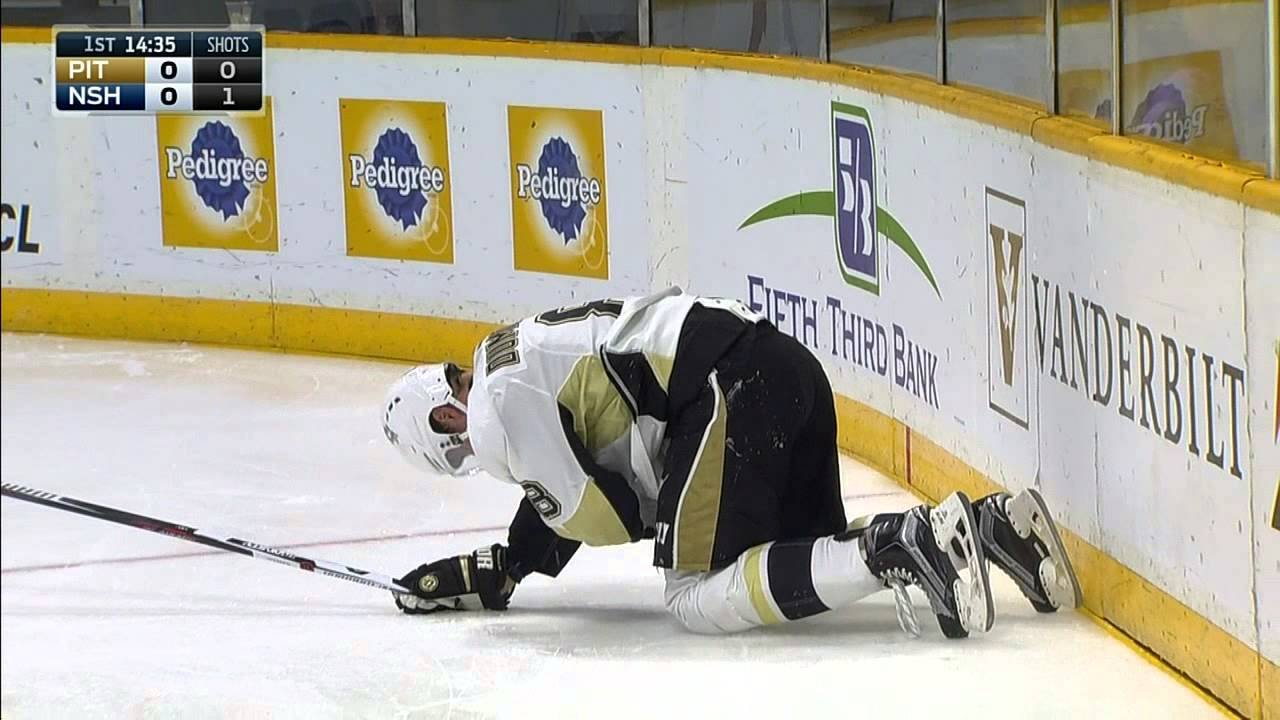
Credit: www.youtube.com
Frequently Asked Questions
What Is The Difference Between Checking And Boarding In Hockey?
Boarding is an illegal, violent hit pushing a defenseless player into the boards. Checking is a legal, shoulder-to-shoulder hit to separate a player from the puck. Boarding targets vulnerable players near the boards, while checking occurs anywhere on the ice between opponents contesting the puck.
What Is The Difference Between Boarding And Charging?
Boarding is an illegal, violent hit pushing a player into the boards. Charging is taking multiple steps before a forceful hit. Boarding targets a defenseless player near boards; charging involves excessive distance and speed before contact. Both result in penalties but differ in execution and intent.
What Is The Rarest Penalty In Hockey?
The rarest penalty in hockey is the “penalty shot interference. ” It occurs when a player illegally impedes a clear scoring chance during a penalty shot. This penalty is uncommon due to the specific conditions required for it to happen.
Is Boarding A Game Misconduct?
Boarding is an illegal hockey penalty involving a violent hit into the boards. It can result in minor, major, or game misconduct penalties.
Conclusion
Boarding penalties protect players from dangerous hits into the boards. They keep the game safer and fairer for everyone. Players must avoid hitting opponents who are not ready. Officials watch closely to call penalties when needed. Understanding boarding helps fans enjoy hockey with better knowledge.
Safety and respect stay important in every match played.