Have you ever wondered when the NHL started requiring players to wear helmets? If you watch hockey, you know that helmets are everywhere now.
But it wasn’t always this way. For years, players hit the ice without any head protection, risking serious injuries. Understanding when and why the NHL made helmets mandatory helps you see how the game evolved to protect its players—and why safety matters so much today.
Keep reading to discover the story behind this important change and meet the last players who dared to play without a helmet. Your view of hockey safety might never be the same.
Early Nhl Helmet Practices
The use of helmets in the NHL was rare before the 1970s. Players often chose to play without any head protection. Safety rules were not strict, and helmets were not mandatory. The culture of the sport valued toughness and risk-taking. Many believed helmets were unnecessary or uncomfortable. This led to slow adoption of helmets in professional hockey.
Helmets were available but seen as optional gear. Some players wore them for extra protection. Others avoided helmets to keep a traditional look. The NHL did not enforce helmet use in its early years. This changed gradually as injuries increased and awareness grew.
Helmet Use Before The 1970s
Before the 1970s, helmet use was uncommon in the NHL. Only a small number of players wore helmets regularly. Most players played bare-headed, trusting their instincts and skills. Equipment manufacturers offered helmets, but few players used them. The NHL had no rule requiring helmets during this period. Injuries from head impacts were frequent but often accepted as part of the game.
Player Attitudes Toward Helmets
Many players saw helmets as a sign of weakness. They believed helmets limited their vision and comfort. Some players thought helmets slowed them down on the ice. Others feared that helmets made them targets for harder hits. A few players wore helmets to protect existing injuries. Over time, attitudes shifted as safety became a priority. The change was slow but steady, leading to wider helmet use.
The 1979 Helmet Mandate
The 1979 Helmet Mandate marked a major shift in NHL safety rules. Before this, helmets were optional for players. The league decided to make helmets mandatory to protect players better. This rule change aimed to reduce head injuries during games.
Details Of The New Rule
The NHL required all new players to wear helmets starting in the 1979-1980 season. Players entering the league after June 1, 1979, had to wear helmets at all times on the ice. This rule made helmets a standard part of player equipment. The NHL wanted to improve safety without forcing all players to change immediately.
Grandfather Clause For Veterans
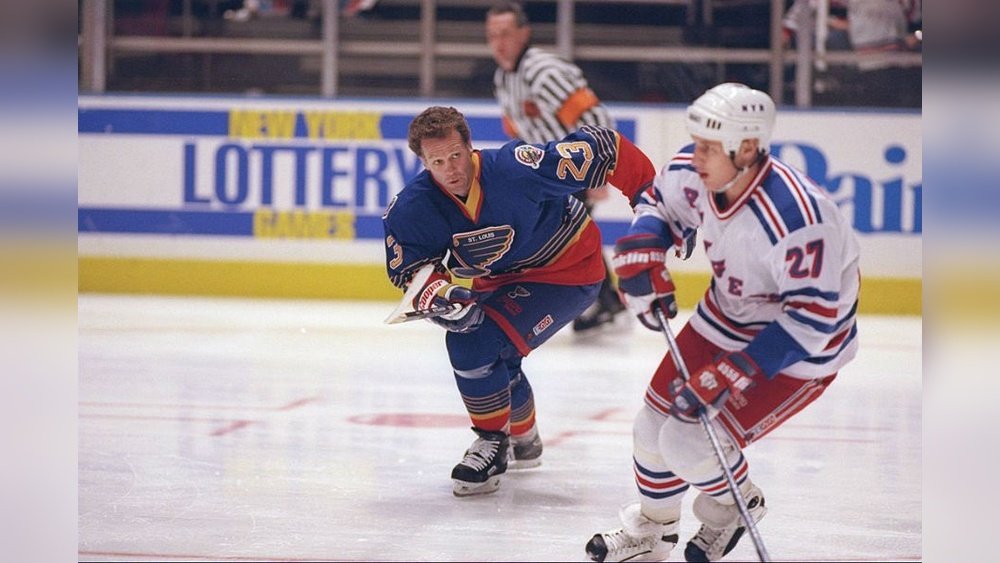
Players who joined the NHL before June 1, 1979, did not have to wear helmets. This exception was called the “grandfather clause.” Veterans could choose to keep playing without helmets if they wished. Many older players preferred to keep their helmets off for comfort or tradition. The last player to play without a helmet was Craig MacTavish in 1997.
Helmet Holdouts And Last Players
The NHL made helmets mandatory for new players starting in 1979. Players who signed pro contracts before then could play without helmets. Some veterans chose to keep playing helmet-free. They were known as helmet holdouts. These players stood out on the ice for their old-school look. Their choices sparked debates about safety and tradition.
Craig Mactavish’s Helmet-free Career
Craig MacTavish was the last NHL player to play without a helmet. He started his career before the helmet rule took effect. MacTavish felt comfortable and confident without a helmet. He played many seasons in the NHL this way. His final game was with the St. Louis Blues. MacTavish was lucky to avoid serious head injuries during his career. He often spoke about his choice to play helmet-free.
Other Notable Holdouts
Besides MacTavish, a few other players delayed wearing helmets. They signed contracts before 1979 and chose not to switch. Some were defenders, others forwards. These players valued the tradition and comfort of playing without headgear. Over time, most players accepted the helmet rule. The old helmet-free era finally came to an end in the early 1990s.
Referees And Helmet Use
Referees in the NHL play a critical role in maintaining order and safety during games. Their visibility and protection are vital for smooth officiating. Helmet use among referees has its own history, separate from players.
Unlike players, referees were not initially required to wear helmets. This changed over time as the league increased safety measures. Understanding how referees adopted helmet use sheds light on the NHL’s overall safety evolution.
Mick Mcgeough’s Role
Mick McGeough was a well-known NHL referee who helped shape officiating standards. He was one of the last referees to not wear a helmet during games. His choice reflected a time when helmet rules for officials were not strict.
McGeough’s career highlighted the growing need for better safety gear among officials. His experience brought attention to the dangers referees faced on ice. After his retirement, the NHL moved to enforce helmet use more rigorously.
Helmet Adoption Among Officials
The NHL began encouraging referees to wear helmets in the 1980s. At first, helmet use was optional for officials. Over time, more referees chose to wear helmets for protection.
The league eventually made helmets mandatory for all referees and linesmen. This rule aimed to reduce head injuries during fast, physical play. Today, all NHL officials wear helmets, reflecting a commitment to safety.
Safety Impact Of Helmets
Helmets have transformed player safety in the NHL. Their introduction marked a major step in protecting players’ heads. Wearing helmets reduces the risk of serious injuries during fast, physical play. The NHL made helmets mandatory in 1979 for new players. Veterans could play without helmets until they retired. This rule change has saved many players from life-altering head injuries.
Reduction In Head Injuries
Helmets protect players from cuts, bruises, and fractures. They absorb shocks from hits and falls on the ice. Concussions have decreased since helmets became mandatory. Players face fewer risks from flying pucks and collisions. This protection helps players stay healthy during the season. Helmet use has made hockey a safer sport overall.
Career Longevity Benefits
Less head trauma means players can have longer careers. Helmets reduce the chance of brain injuries that shorten playing years. Players recover faster from impacts with proper headgear. Staying injury-free helps players perform at their best. Many athletes continue playing well into their 30s or 40s. Helmets support long-term health and career success in hockey.

Credit: hockeytopics.com
Cultural Shifts In The Nhl
The NHL has seen many cultural shifts over the years. One major change involved player safety and helmets. These shifts shaped how players and the league viewed protective gear. The adoption of helmets was not just about rules. It reflected deeper changes in attitudes and policies.
Understanding these cultural shifts helps explain why helmets became mandatory. It shows the balance between tradition and safety in hockey’s history.
Changing Player Mindsets
At first, many players resisted wearing helmets. They saw helmets as uncomfortable and unnecessary. Some believed helmets hurt their vision or style. Older players especially felt helmets were not part of hockey’s tough image.
Over time, more players accepted helmets. They began to see the benefits for safety. Stories of serious injuries made players rethink their views. Younger players grew up wearing helmets and expected to use them.
This change in mindset was slow but steady. It showed a shift from tradition to health awareness. Players started to value their long-term safety more.
Influence Of League Policies
The NHL played a key role in enforcing helmet use. In 1979, the league made helmets mandatory for new players. Veterans could still choose not to wear them. This grandfather clause allowed a gradual change.
The policy balanced respect for older players with player safety. Over the next decade, all players wore helmets. The last player without a helmet retired in the late 1990s.
League rules also increased helmet standards. Helmets became stronger and better designed. The NHL’s policies pushed teams and players to adopt safer gear.
These changes reflect the league’s growing focus on protecting players. Policies helped change the culture from resistance to acceptance.
Helmet Technology Evolution
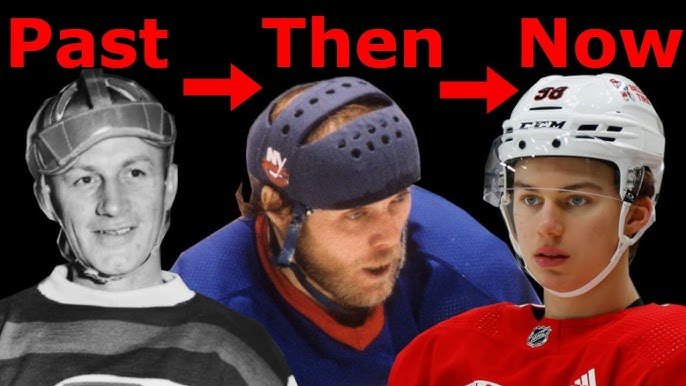
The evolution of helmet technology in the NHL reflects the league’s growing focus on player safety. Helmets have moved from basic protection to advanced gear designed to reduce injuries. This change happened over many years, driven by new materials and better designs. Understanding this evolution shows how far hockey safety has come.
Early Designs And Materials
Early hockey helmets were simple and heavy. They were made from leather and thin plastic shells. These helmets offered limited protection and were not mandatory at first. Players often chose not to wear them due to discomfort and poor visibility. The designs focused more on protecting against cuts than serious head injuries.
In the 1960s, helmets began to use harder plastics. This change improved impact resistance. Foam padding was added inside to absorb shocks better. However, many players still played without helmets, believing they hindered performance.
Modern Helmet Innovations
Modern helmets use advanced materials like polycarbonate shells. These are lightweight and very strong. Inside, multi-density foam cushions absorb impacts from all directions. Ventilation systems keep players cool during intense play.
Some helmets now include sensors to monitor impacts. Custom fitting ensures better comfort and safety. The NHL’s helmet rules push teams to use the latest technology. This reduces the risk of concussions and head injuries significantly.

Credit: hockeytopics.com
Controversies And Resistance
The NHL’s decision to require helmets sparked many debates among players, fans, and officials. Some players feared helmets might change the feel of the game. Others worried about safety but did not want to lose comfort or performance. The rule faced resistance before it became mandatory. This section explores the controversies and resistance around helmet use in the NHL.
Player Comfort And Performance Concerns
Many players felt helmets were uncomfortable at first. They said helmets made them feel heavier and less agile. Some believed helmets blocked their vision or hearing. Players also worried helmets might cause more accidents. They thought helmets could break or cause injuries during hits. Several veterans refused to wear helmets for these reasons. They preferred the freedom and familiarity of playing without gear on their heads.
Public And Media Reactions
The public and media had mixed feelings about helmets in hockey. Some praised helmets as a smart safety step. Others saw them as a sign of weakness. Media reports often focused on players who resisted helmets. Fans debated whether helmets made the sport less tough. Some newspapers mocked players who wore helmets. Over time, as injuries happened more often, support for helmets grew. The NHL finally made helmets mandatory for new players in 1979.
Credit: www.youtube.com
Frequently Asked Questions
Who Was The Last Person To Not Wear A Helmet In The Nhl?
The last NHL player to not wear a helmet was Craig MacTavish. He retired in 1997, playing without one due to a grandfather clause.
Did Gretzky Ever Not Wear A Helmet?
Wayne Gretzky did not wear a helmet during the early part of his NHL career. He started wearing one later for safety.
Why Can’t You Wear 69 In The Nhl?
The NHL avoids number 69 due to its sexual connotations and immature humor. Players prefer professional image.
Who Was The Last Nhl Ref To Not Wear A Helmet?
The last NHL referee to not wear a helmet was Mick McGeough. He officiated without a helmet before retiring.
Conclusion
The NHL required helmets starting in 1979 to protect players. Some veterans kept playing without helmets by choice. Craig MacTavish was the last player to play helmet-free in 1997. Wearing helmets helps reduce serious injuries during the fast, physical game.
Today, all players must wear helmets for safety. This rule keeps the sport safer and helps players focus on the game. Safety in hockey has improved thanks to helmet rules. It shows how the NHL values player health and well-being.