Have you ever wondered which sports have the highest presence of white athletes and why that matters? Understanding the “Whitest Sport” goes beyond just numbers—it reveals how history, culture, and access shape who plays and excels in certain games.
Whether you’re curious about the social dynamics behind popular sports or want to see how diversity is evolving on the field, this article will give you clear insights. Keep reading to discover which sports have been traditionally dominated by white athletes and what that means for the future of sports you love.
Your perspective on sports is about to change.
Credit: www.theatlantic.com
White Dominance In Sports
White dominance in sports has deep roots that shape many popular activities today. Some sports show clearer patterns of racial makeup than others. This influence stems from history, culture, and access to resources. Understanding these factors helps explain why certain sports remain predominantly white.
Historical Roots Of Whiteness
Many sports began in societies where white people held more power and wealth. This led to better access to facilities and training for white athletes. Segregation and discrimination often kept other races out. These barriers created lasting effects on who plays and excels in these sports.
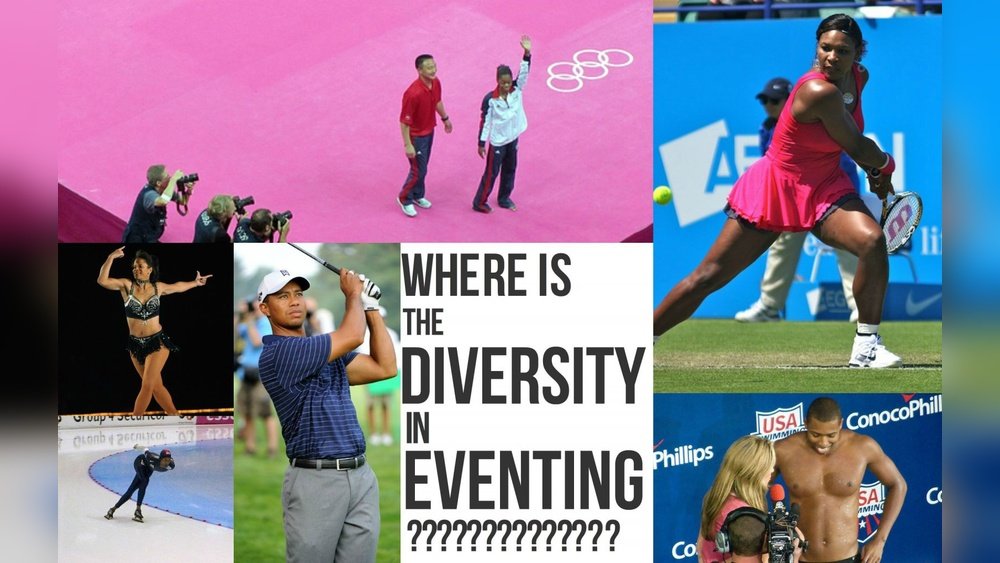
Sports like tennis, golf, and swimming grew within white communities. Schools and clubs were often closed to minorities. This kept the playing field uneven for decades. The legacy of these restrictions still affects diversity today.
Tennis And Golf’s Cultural Ties
Tennis and golf have strong links to upper-class white culture. Country clubs and private courts were mostly for white members. This limited minority participation for a long time. The cost to join and play these sports also stayed high.
Many famous players in these sports come from privileged backgrounds. This trend continues in parts of the world. Efforts to diversify tennis and golf exist but face challenges. The cultural image of these sports as white spaces remains strong.
Swimming’s Racial Landscape
Swimming is a prime example of racial divides in sports. Public pools were often segregated or unavailable in minority neighborhoods. This reduced opportunities for Black and other non-white swimmers.
As a result, fewer minority swimmers reached elite levels. This history shaped the sport’s demographics deeply. Though more diverse swimmers now compete, the gap remains noticeable. Access to pools and swim lessons is still unequal in many areas.
Least Diverse Sports
Some sports show very little diversity in their players. These least diverse sports often reflect deeper social and economic factors. Understanding these sports helps reveal barriers many athletes face. It also shows how history shapes participation patterns.
Ice Hockey’s Demographic Challenges
Ice hockey remains one of the least diverse sports globally. Most players come from white, middle-class backgrounds. The cost of equipment and ice time limits access for many minorities. Cold climates where hockey thrives also reduce diversity. These factors keep the sport closed to wide groups.
Barriers In Boxing And Wrestling
Boxing and wrestling have physical demands and mental toughness. Still, they show low diversity in some regions. Training facilities and coaching opportunities are not equal everywhere. Cultural views on these sports affect participation. Some communities avoid combat sports due to safety concerns or traditions.
Impact On Participation
Limited diversity in these sports affects overall growth. Young athletes from underrepresented groups see fewer role models. This reduces their interest in joining these sports. Lack of inclusion can also mean less media coverage. Sports with more diversity attract wider audiences and sponsors.
Physical Demands Of Popular Sports
Sports challenge the body in many ways. Physical demands vary widely across popular sports. Some require raw power, others need agility or endurance. Understanding these demands helps appreciate the skill and effort athletes put in. Here we explore three sports known for their tough physical requirements.
Boxing And Wrestling Intensity
Boxing tests strength, speed, and endurance. Fighters must deliver powerful punches and dodge attacks quickly. The sport demands constant movement and sharp reflexes. Wrestling adds a grappling element, requiring great muscle control. Wrestlers use strength and technique to overpower opponents. Both sports cause intense physical strain and require mental toughness.
Complexity Of Ice Hockey
Ice hockey players skate at high speeds on ice. They need excellent balance and coordination to handle the puck. The game involves quick changes in direction and bursts of energy. Players face strong physical contact while maintaining control. Endurance is key to sustain fast-paced play over multiple periods. Ice hockey combines skill, strength, and speed in a unique way.
Decathlon’s Multidimensional Challenge
The decathlon tests athletes in ten track and field events. Competitors need speed, strength, and agility across sprints, jumps, and throws. Each event challenges different muscle groups and skills. Training demands versatility and the ability to recover quickly. The decathlon measures overall athleticism and endurance. It pushes the body to perform at a high level for two days straight.

Credit: www.landroverhartford.com
Gen Z And Emerging Sports Trends
Generation Z shapes new sports trends with fresh energy and interests. Their choices show a mix of traditional and new sports. This blend changes the sports world and offers new opportunities for fans and players.
Gen Z prefers fast, interactive, and inclusive sports. They embrace digital platforms and social change. These factors boost the rise of emerging sports and keep old favorites strong.
Rise Of Esports And Soccer
Esports grows rapidly among Gen Z players and fans. It offers competition without physical limits. Games like FIFA connect esports with soccer culture worldwide. Soccer gains popularity through its global reach and simple rules. Gen Z enjoys watching and playing soccer online and offline.
Continued Popularity Of Football And Basketball
Football and basketball remain top sports for Gen Z. Both sports have strong college and professional leagues. Their fast pace and team play attract young fans. Social media helps players build personal brands. This keeps football and basketball exciting and relevant.
Interest In Women’s Sports
Women’s sports gain attention from Gen Z audiences. Female athletes inspire with skill and dedication. More broadcasts and sponsorships increase visibility. Gen Z values equality and supports women’s leagues. This trend helps grow women’s sports worldwide.
Changing Sports Consumption
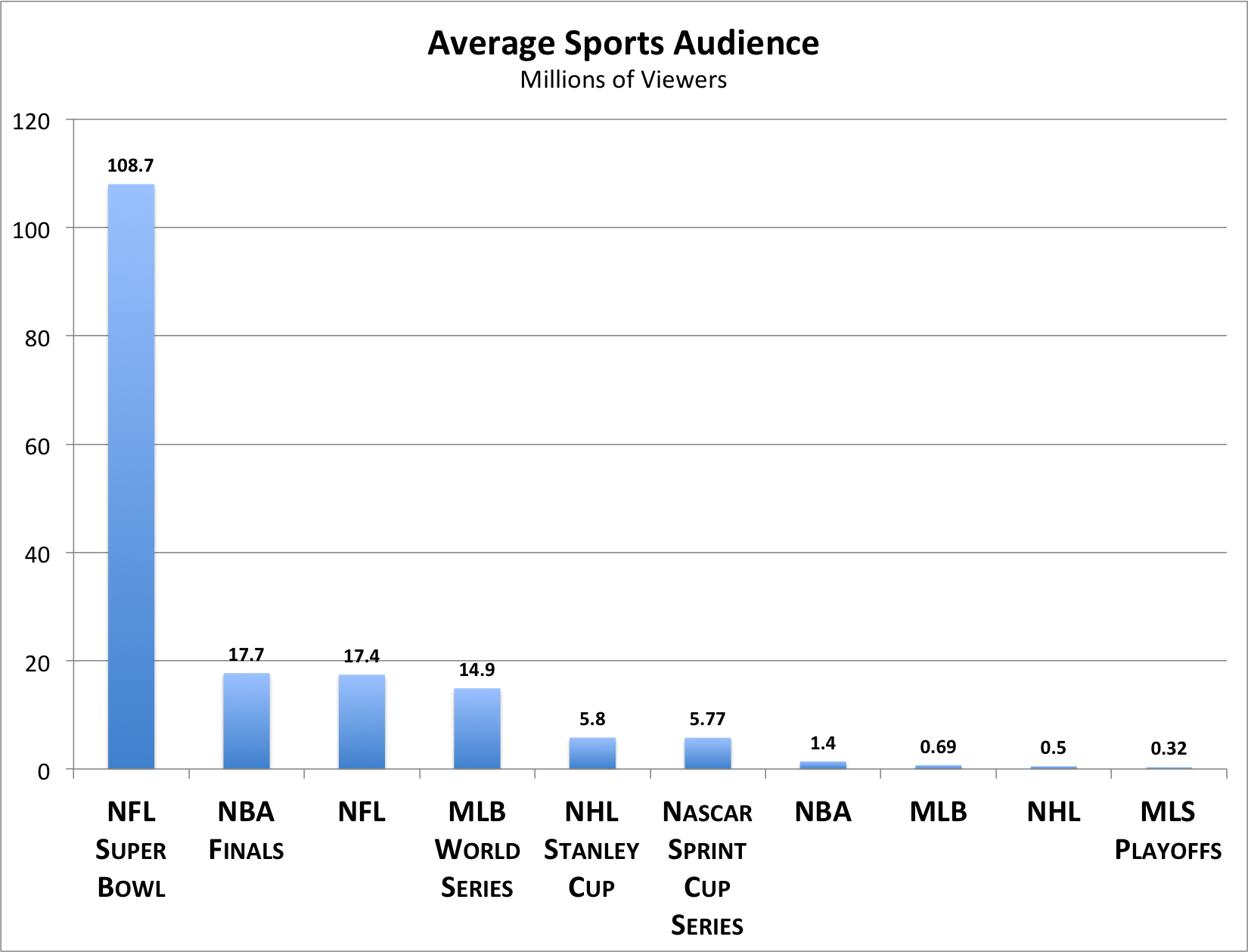
Sports consumption is evolving rapidly. Fans no longer just watch games on TV. They engage with sports through multiple digital platforms. This shift shapes how people experience their favorite sports and athletes. The rise of digital tools changes viewing habits, social interactions, and participation. Understanding these changes helps grasp the future of sports entertainment.
Digital-first Viewing Habits
Fans prefer watching sports on digital devices. Smartphones, tablets, and laptops are common screens. Live streaming and highlights are accessed anytime, anywhere. Traditional TV loses ground to on-demand content. Short clips and instant replays keep viewers hooked. This new habit fits busy lifestyles and shorter attention spans.
Social And Active Participation
Sports fans now interact actively online. They join conversations on social media platforms. Sharing opinions, memes, and reactions creates a sense of community. Some fans participate in fantasy leagues or sports betting. Others engage in fitness challenges inspired by sports stars. This active involvement deepens fans’ connection with sports.
Role Of Streaming And Social Media
Streaming services offer more sports content than ever before. They provide access to niche and global sports. Social media platforms amplify real-time updates and behind-the-scenes content. Athletes and teams use these channels to communicate directly with fans. This direct access changes the sports consumption landscape.

Credit: www.theatlantic.com
Frequently Asked Questions
What Are The Most White Dominated Sports?
The most white-dominated sports include swimming, golf, tennis, and ice hockey. These sports have historical and cultural ties to predominantly white communities.
What Is The Least Diverse Sport?
Ice hockey is often considered the least diverse sport due to its predominantly white player base and limited minority representation.
What Is The 1 Hardest Sport In The World?
Boxing ranks as the hardest sport due to its intense cardio, power, reflexes, and mental toughness under pressure.
What Sports Is Gen Z Playing?
Gen Z plays football, basketball, soccer, and esports most. MMA, baseball, hockey, tennis, and women’s sports also attract their interest.
Conclusion
Whitest sports often reflect historical and cultural patterns. Sports like tennis, golf, and swimming have long been linked to white communities. These sports show how access and tradition shape who plays and watches. Understanding this helps us see the need for more diversity in all sports.
Everyone deserves a chance to enjoy and compete in any sport. Change takes time but starts with awareness and effort. Sports can unite people from all backgrounds if we open doors wider.