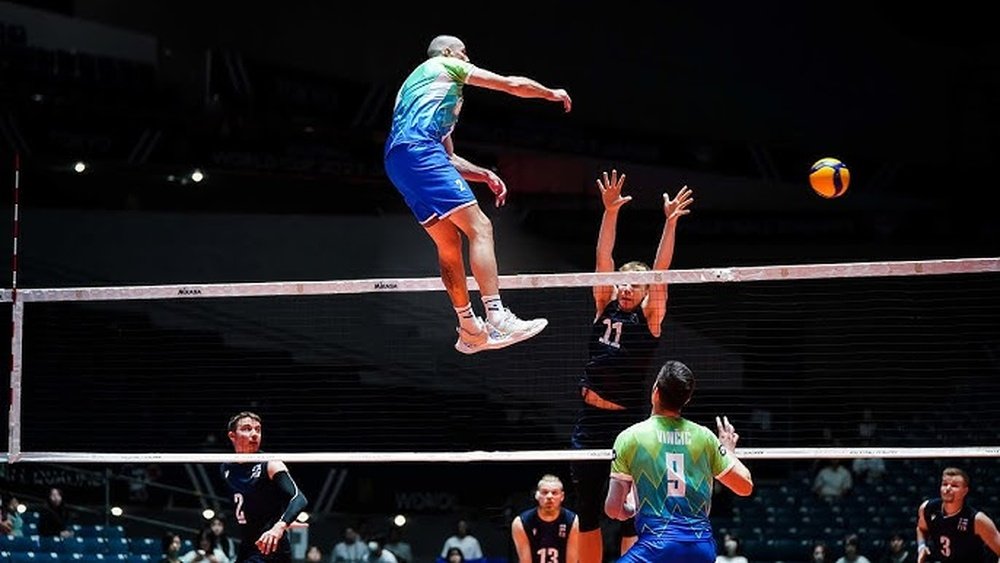
Have you ever watched a volleyball game and felt the rush when a player leaps high and slams the ball down with incredible force? That thrilling move is called a spike, and it’s one of the most exciting plays in volleyball.
Whether you’re a beginner eager to learn or a player aiming to sharpen your skills, understanding spikes in volleyball can completely change the way you play and enjoy the game. You’ll discover what makes a spike so powerful, how to execute it effectively, and common mistakes to avoid.
Get ready to elevate your game and become the player everyone watches when the ball is in the air!
Credit: www.youtube.com
Basics Of Volleyball Spikes
Volleyball spikes are a key part of the sport’s offense. They involve hitting the ball hard and fast to score points. Understanding the basics helps players improve their performance. Spiking requires good timing, strength, and technique. It can be the deciding factor in winning a match.
What Is A Spike
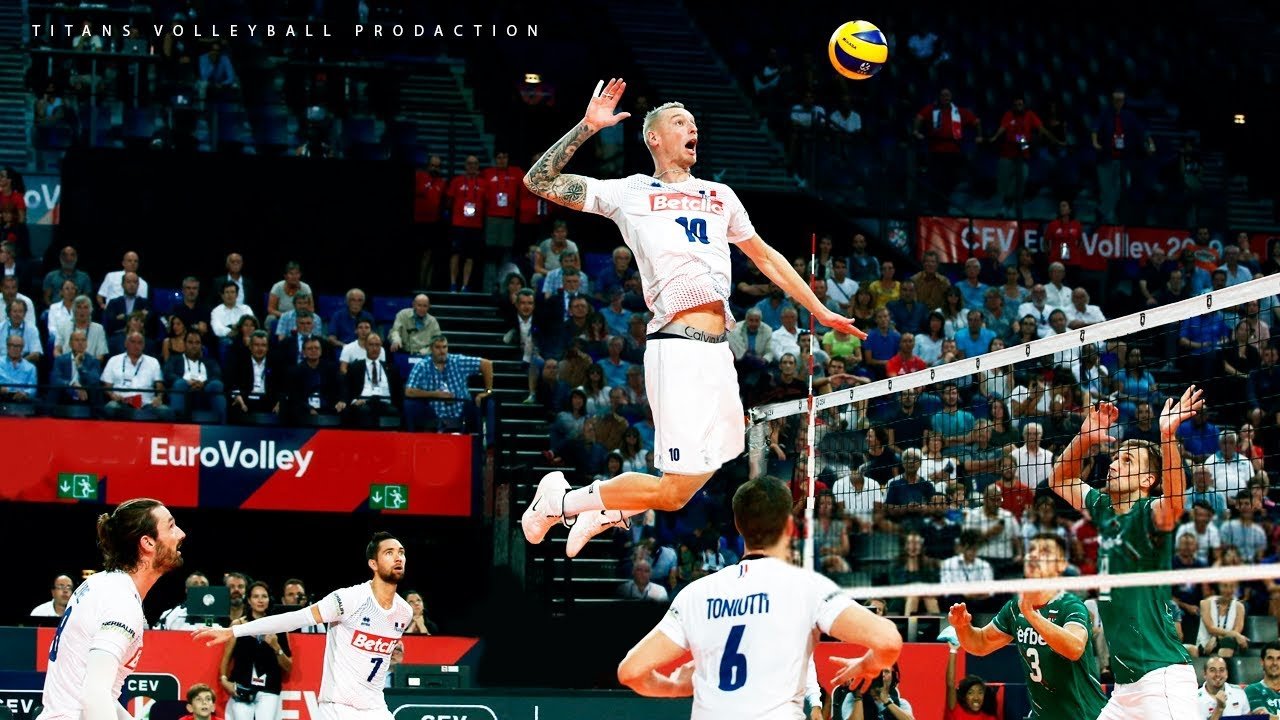
A spike is a powerful hit made with one hand. The player jumps near the net and swings the ball sharply downward. The goal is to send the ball into the opponent’s court. A well-executed spike is hard to block or return. It is an aggressive move meant to end the rally.
Terms: Hit, Attack, Kill
- Hit: A general term for any offensive contact with the ball.
- Attack: A common word for a move aimed to score a point.
- Kill: A spike that results directly in a point because the opponent fails to return it.
These terms often describe the same action but highlight different outcomes.
Who Performs The Spike
Typically, front-row players perform spikes. Outside hitters, middle blockers, and right-side hitters are main spikers. They use their jumping ability and arm strength for powerful hits. Setters can also spike occasionally, especially in surprise plays. Spiking demands good coordination and timing with the setter’s pass.
Techniques For Powerful Spikes
Powerful spikes are vital for scoring points and dominating in volleyball. The right techniques boost strength and accuracy. Each step in the spiking process matters. Understanding proper form leads to more effective hits.
Proper Arm Swing
Start with a strong, controlled arm swing. Keep your elbow high and your wrist loose. Swing your arm forward in a fast, smooth motion. Use your palm to strike the ball with force. A quick arm swing maximizes power and speed.
Jump Timing And Approach
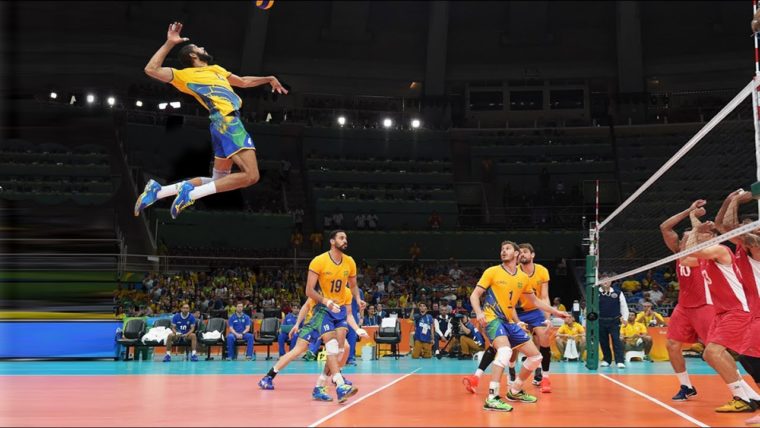
Approach the ball with quick, measured steps. Jump just before the ball reaches you. Timing your jump well helps you reach higher. Use your legs to push off the ground with strength. Good timing adds momentum to your spike.
Body Positioning
Keep your body balanced and aligned. Lean slightly forward to direct the ball down. Use your core muscles to stay stable. Position your shoulders square to the net. Proper body posture improves control and impact.
Contact Point And Follow-through
Hit the ball at the highest point you can reach. Strike it with the palm, snapping your wrist for better angle. Follow through by swinging your arm down and across your body. This motion guides the ball sharply into the opponent’s court.
Common Spiking Mistakes
Spiking is an essential skill in volleyball. Many players struggle with common mistakes that reduce their effectiveness. Recognizing these errors helps improve performance and consistency.
These mistakes often happen due to poor technique or lack of practice. Fixing them can make spikes more powerful and accurate. Below are some of the frequent spiking errors to avoid.
Poor Timing
Timing is key for a successful spike. Jumping too early or too late weakens the hit. It can cause the ball to go out of bounds or be easily blocked. Practice reading the setter’s pass to improve your timing.
Incorrect Hand Position
The hand must strike the ball correctly for a strong spike. Hitting with a flat hand or fingers too close together leads to weak hits. Aim to contact the ball with your palm and spread fingers for control and power.
Weak Jump
A low jump limits the angle and force of the spike. It also makes it easier for opponents to block. Work on leg strength and jumping technique to increase your vertical leap and spike height.
Lack Of Follow-through
Stopping your arm motion too soon reduces power and control. A full follow-through helps direct the ball and add force. Swing your arm fully downward and across your body after contact.
Training To Improve Spiking
Spiking in volleyball is a key offensive skill that can decide the match’s flow. Effective spiking requires more than power; it demands smart strategies. Players must adapt their approach during matches to outwit the defense. Using different tactics keeps the opponents guessing and creates scoring chances.
Reading The Opponent’s Defense
Observing the opposing blockers and defenders helps predict their moves. Watch their positioning and timing carefully. Spot weak or open areas on the court. Adjust your spike direction based on their setup. Quick decision-making can exploit gaps in their defense.
Varying Spike Placement
Changing where you hit the ball confuses the defense. Target the deep corners, sidelines, or just over the blockers’ hands. Mixing powerful spikes with softer shots keeps defenders off balance. Avoid hitting to the same spot repeatedly. This variation increases the chance of scoring points.
Using Feints And Tips
Feints trick the defenders into moving the wrong way. Pretend to spike hard but instead lightly tip the ball over the block. This sudden change surprises the opponents and often lands the ball in open spaces. Use feints to break strong blocks and create easy points.
Coordination With Setters
Good communication with the setter is crucial. The setter decides where and when to set the ball for a spike. Practice timing and signals to synchronize attacks. This teamwork allows spikers to prepare and strike effectively. Well-coordinated plays increase the chance of successful spikes.
Spiking Strategies During Matches
Spikers play vital roles in volleyball. Each position demands unique skills and responsibilities. Understanding these roles helps improve team strategy and performance. Spiking is not just about power; it involves technique, timing, and placement. Different spikers attack from various court positions to challenge opponents effectively.
Outside Hitter Responsibilities
The outside hitter attacks from the left side of the court. They often receive the most sets for spikes. Their role includes strong attacks and reliable passing. Outside hitters must adjust to different sets quickly. They also contribute to defense with blocks and digs. Consistency and versatility define a great outside hitter.
Middle Blocker Attacks
Middle blockers focus on quick attacks near the net’s center. Their spikes are fast and surprise the opposing team. Timing with the setter is crucial for middle blockers. They also specialize in blocking opponent spikes. Middle blockers create pressure with quick hits and strong defense. Their speed and precision disrupt the other team’s flow.
Opposite Hitter Techniques
The opposite hitter attacks from the right side of the court. They often face the opponent’s best blockers. Opposite hitters use powerful spikes and smart shot placement. Their role includes blocking the opponent’s outside hitter. They balance offensive and defensive duties well. Strong arms and good footwork help opposite hitters excel.
Credit: volleyball-tips.com
Roles Of Spikers In Different Positions
Spiking is a key skill in volleyball, but it follows strict rules. These rules keep the game fair and safe. Knowing when and how to spike helps players avoid faults and score points effectively.
When Spiking Is Allowed
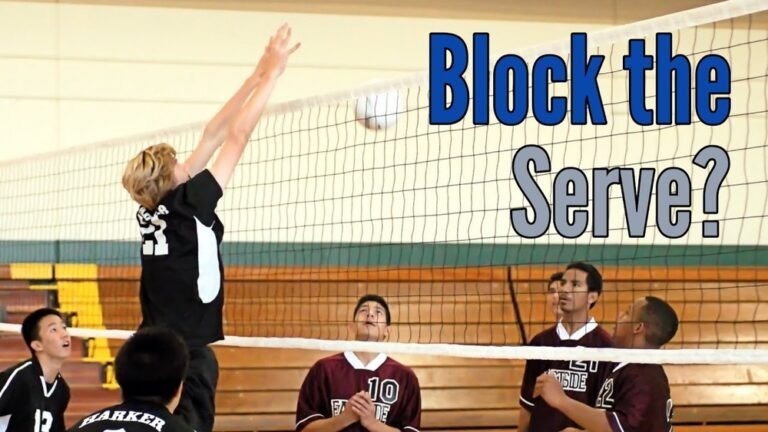
Players can spike only during their team’s attack phase. The ball must be on their side of the net before the spike. Back-row players may spike only if they jump from behind the attack line. Spiking is not allowed on a serve or when the ball is below the net height.
Net And Line Violations
Players must not touch the net while spiking. Any contact with the net during the spike is a fault. The spiker’s foot cannot cross the center line under the net. The ball must land inside the opponent’s court boundaries. Hitting the ball outside the lines results in a fault.
Legal Contact With The Ball
The ball must be struck cleanly with the hand or arm. Carrying or lifting the ball is not allowed. The spiker cannot hold or throw the ball. The contact should be quick and sharp. Legal contact sends the ball forcefully into the opponent’s court.

Credit: www.dimensions.com
Frequently Asked Questions
What Are Spikes Called In Volleyball?
Spikes in volleyball are also called hits, attacks, or kills. A kill means the spike scores a point.
Are Spikes Allowed In Volleyball?
Yes, spikes are allowed in volleyball as a key offensive move. Players hit the ball forcefully over the net to score points. Spiking requires timing, power, and accuracy to outplay opponents and gain an advantage during the game.
How To Do A Proper Spike In Volleyball?
Approach the ball with a quick three-step run. Jump high, swing your arm back, then forward. Hit the ball with your palm above the net. Aim sharply downward into the opponent’s court. Land softly and prepare for the next play.
Who Usually Spikes In Volleyball?
Outside hitters, opposite hitters, and middle blockers usually perform spikes in volleyball to score points.
Conclusion
Spikes play a key role in volleyball offense and scoring. They require timing, strength, and good technique. Practicing spikes improves your overall game and helps your team win points. Watch your form and avoid common mistakes to get better results.
Spiking well adds excitement and pressure to every match. Keep training, stay focused, and enjoy the fast pace of volleyball attacks. Your skills will grow with effort and patience. Spikes make volleyball thrilling for players and fans alike.