Fishing in the northern regions holds a special place in the hearts of outdoor enthusiasts. The vast, clean lakes, winding rivers, and dramatic landscapes offer both adventure and peace. For many, the phrase Fish Northern brings images of trophy catches, crisp mornings, and unforgettable memories. But what does it really take to fish the northern waters successfully? This guide covers everything you need to know, from the types of fish you’ll find, to essential gear, techniques, and local tips that can make the difference between a good trip and a great one.
What Makes Northern Fishing Unique
Northern fishing, often referring to places like Canada, Alaska, Scandinavia, and the northern United States, stands out for several reasons. The climate is colder, the waters are clearer, and the fish species are often larger and stronger than those found farther south.
The seasons are shorter, so fish feed aggressively when the water warms up, giving anglers a unique chance to catch big, active fish.
One non-obvious insight is that weather changes in northern regions can happen quickly. A calm morning can turn into windy, choppy waters by afternoon. This means you need to be flexible and always keep safety in mind. Another beginner mistake is underestimating travel time—many northern lakes are remote, and getting there might involve long drives, boat rides, or even floatplanes.
Most Popular Fish Species In The North
When you fish northern waters, you’ll encounter some of the most exciting and challenging species. Here are the top fish to target:
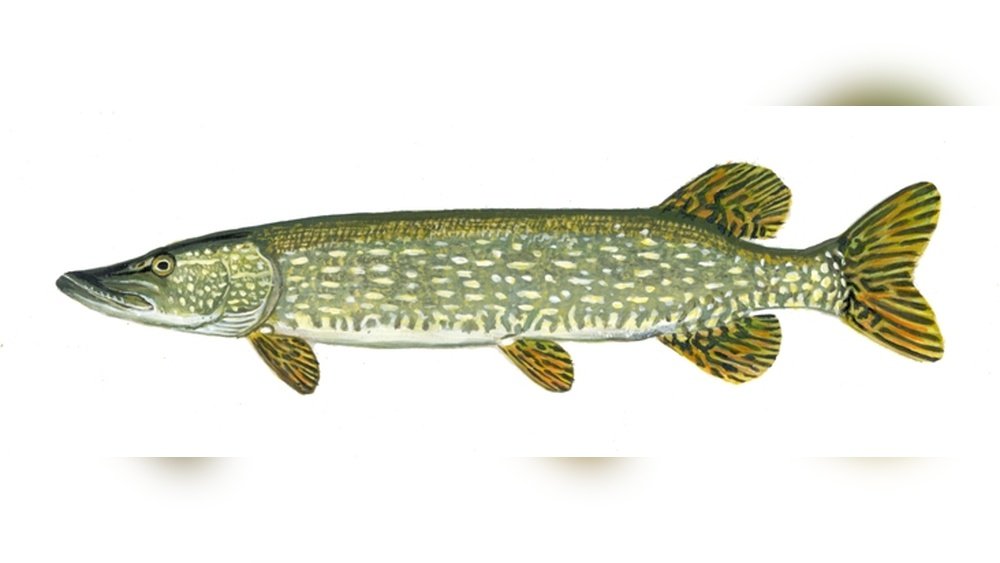
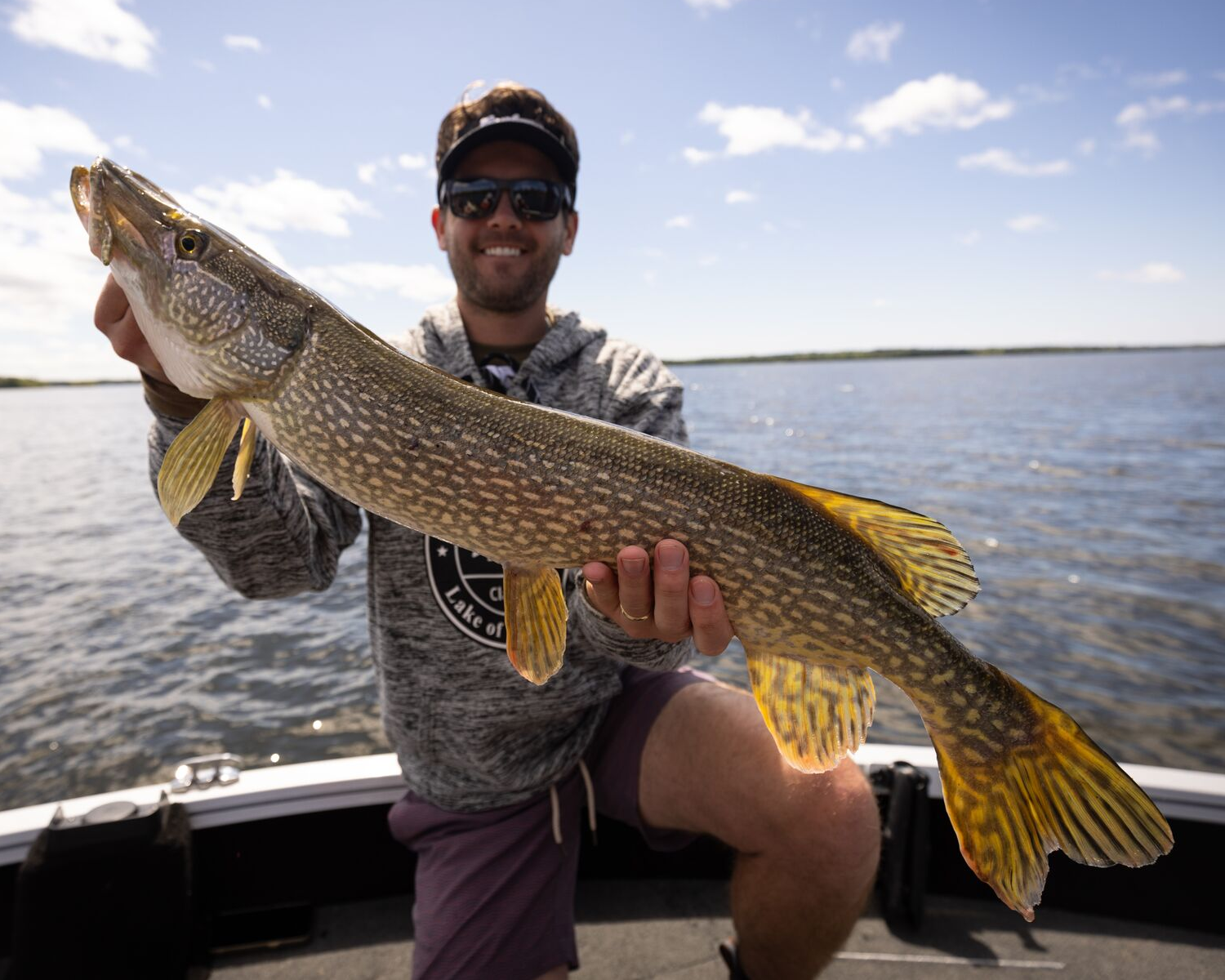
- Northern Pike – Aggressive, toothy, and known for explosive strikes. Pike love shallow, weedy areas and are active even in cold water.
- Walleye – Famous for their delicate flavor, walleye are a favorite for both sport and eating. They prefer deeper, rocky areas and are often most active at dawn or dusk.
- Lake Trout – These deep-water giants can reach impressive sizes. They prefer cold, clear lakes and are often found near drop-offs.
- Smallmouth Bass – Found in rocky lakes and rivers, smallmouth are hard fighters and provide great action.
- Muskellunge (Muskie) – The “fish of 10,000 casts,” muskies are rare but huge. They require patience and heavy gear.
- Brook Trout – Northern streams and lakes are prime habitat for these beautiful, colorful fish.
- Arctic Grayling – Known for their sail-like dorsal fin and willingness to hit flies, grayling are a favorite for fly anglers.
Each species offers a unique challenge. For example, pike fishing often involves casting large lures into weedy bays, while lake trout may require deep trolling with downriggers.

Credit: en.wikipedia.org
Best Locations For Northern Fishing
Not all northern waters are created equal. Some of the top destinations include:
- Lake of the Woods (Canada/US): Famous for its diversity—walleye, pike, muskie, bass.
- Great Slave Lake (Canada): Known for giant lake trout and excellent pike fishing.
- Boundary Waters (Minnesota/Ontario): Remote, scenic, and loaded with smallmouth and walleye.
- Alaska Rivers: Prime spots for salmon and grayling, as well as rainbow trout.
- Lakes in Finland and Sweden: Offer world-class pike and perch fishing.
Many northern spots are only accessible by boat or floatplane, so planning is key. Always check local regulations and make sure you have the right permits.
Essential Gear For Northern Fishing
Fishing the north means preparing for tough conditions. Here’s what you’ll need:
| Gear | Why It Matters | Recommended Feature |
|---|---|---|
| Rods & Reels | Must handle large, strong fish | Medium-heavy to heavy action |
| Line | Sharp rocks and teeth | 20-40 lb braided or fluorocarbon |
| Lures | Different species, water types | Spoons, crankbaits, spinnerbaits |
| Clothing | Cold, wet weather is common | Layered, waterproof, windproof |
| Safety Gear | Remote locations, cold water | Life jacket, GPS, first aid kit |
A common beginner error is bringing gear that’s too light. Northern fish are strong, and light gear can lead to lost trophies. Also, always pack extra lures—pike teeth and rocks are tough on tackle.
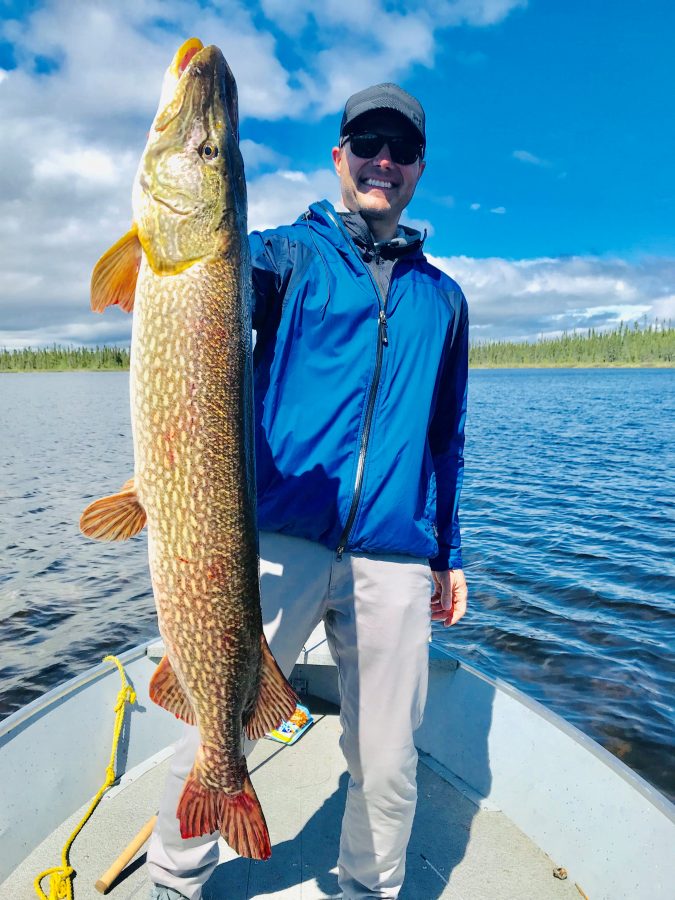
Credit: www.lawrencebay.com
Techniques For Success
Fishing in the north requires adapting your methods to the environment and the target species. Here are some proven techniques:
Casting For Pike And Muskie
Use large, flashy lures and cast into weed beds or near fallen trees. A fast retrieve triggers reaction strikes. Don’t forget a steel leader—these fish have sharp teeth.
Jigging For Walleye
Vertical jigging with live bait or soft plastics works well near drop-offs. Pay attention to subtle bites; walleye often strike softly.
Trolling For Lake Trout
Deep, cold lakes require trolling with downriggers or lead-core line. Spoons and large plugs are good choices. Watch your sonar for schools of baitfish.
Fly Fishing For Trout And Grayling
Small flies, light lines, and delicate presentations are key. Look for rising fish near inlets or over gravel bottoms. Insect hatches can bring fast action.
Shore Fishing
If you don’t have a boat, focus on points, creek mouths, and drop-offs. Cast lures that can cover water quickly, like spoons or spinnerbaits.
Seasonal Tips For Northern Fishing
The fishing season in the north is short but intense. Here’s how to make the most of it:
| Season | Fish Behavior | Best Tactics |
|---|---|---|
| Spring | Fish move shallow to spawn | Cast near shore, use bright lures |
| Summer | Fish spread out, deeper water | Troll, jig in deeper areas |
| Fall | Fish feed heavily before winter | Use bigger baits, fish near structure |
| Winter (Ice Fishing) | Fish are sluggish, but concentrated | Jig with live bait, focus on drop-offs |
One insight many miss: early spring and late fall can be the best times for trophy fish, but you must be ready for cold, unpredictable weather.
Safety And Conservation
Fishing northern waters is exciting, but safety comes first. Cold water can be dangerous—even in summer. Always wear a life jacket, tell someone your plans, and bring emergency supplies. In remote areas, a GPS or satellite phone is smart.
Conservation is also important. Many northern fisheries use catch-and-release to protect trophy fish. Learn how to handle fish gently: use wet hands, minimize air exposure, and support the fish until it swims away.
How To Plan A Northern Fishing Trip
Good planning can make or break your trip. Here’s how to get started:
- Choose your destination based on your target species and the experience you want. Do you want to camp, stay in a lodge, or do a fly-in trip?
- Book early—top spots fill quickly, especially in peak summer months.
- Check regulations for licenses, catch limits, and gear restrictions.
- Pack smart. Bring layers, waterproof boots, rain gear, and backup tackle.
- Arrange transportation. In many areas, you’ll need a boat, floatplane, or ATV.
- Prepare for bugs. Mosquitoes and blackflies can be intense—bring repellent and head nets.
A practical tip: have a backup plan. Weather and travel hiccups are common in the north.
Credit: www.onxmaps.com
Cost Comparison: Guided Vs. Diy Northern Fishing
Many anglers wonder if they should book a guided trip or go on their own. Here’s a simple comparison:
| Option | Cost Range (per week) | What’s Included | Best For |
|---|---|---|---|
| Guided Lodge Trip | $2,000–$5,000 | Lodging, meals, boat, guide, gear | Beginners, comfort seekers |
| DIY Camping Trip | $500–$1,500 | Campsite, your own gear, food | Experienced, budget-minded |
Guided trips are easier and often more productive, but you’ll pay more. DIY trips offer adventure and savings, but require more planning and risk.
Common Mistakes In Northern Fishing
Many beginners make these mistakes:
- Not preparing for weather. Cold, rain, and wind can ruin a trip if you’re not ready.
- Ignoring local rules. Each region can have unique regulations—don’t assume they’re the same as home.
- Overpacking or underpacking. Bring what you need, but don’t overload. Focus on essentials.
- Forgetting backup plans. Always have spare gear, extra food, and a way to signal for help.
- Not scouting spots. Research maps, talk to locals, and use your sonar to find fish.
It’s worth checking official sources, like Wikipedia’s fishing in Canada page, for more background and up-to-date info.
Frequently Asked Questions
What Is The Best Time Of Year To Fish Northern Waters?
The best time is usually late spring to early summer, when fish are active after ice-out. Fall can also be great for big fish as they feed before winter. Always check local ice-out and freeze-up dates.
Do I Need Special Gear For Northern Fishing?
Yes, you need heavier rods, strong line, and durable lures. Weatherproof clothing is a must. A steel leader is important for pike and muskie.
Can I Eat The Fish I Catch?
Many northern fish, like walleye and lake trout, are excellent eating. However, some areas have consumption advisories due to mercury or other contaminants. Always check local guidelines before keeping fish.
Is A Guide Necessary?
A guide is not required, but it can help. Guides know the waters, have the right gear, and can improve your chances, especially if you’re new to the area.
How Do I Handle Fish Safely For Catch-and-release?
Wet your hands before touching the fish, avoid squeezing, and keep the fish in water as much as possible. Use barbless hooks and release the fish gently.
Fishing the northern waters is more than just a sport—it’s an experience that connects you with wild places and powerful fish. Whether you’re after a trophy pike, a stringer of walleye, or just the peace of a quiet lake, a well-planned northern trip will leave you with stories to tell for a lifetime.
Pack carefully, respect the environment, and get ready for adventure.