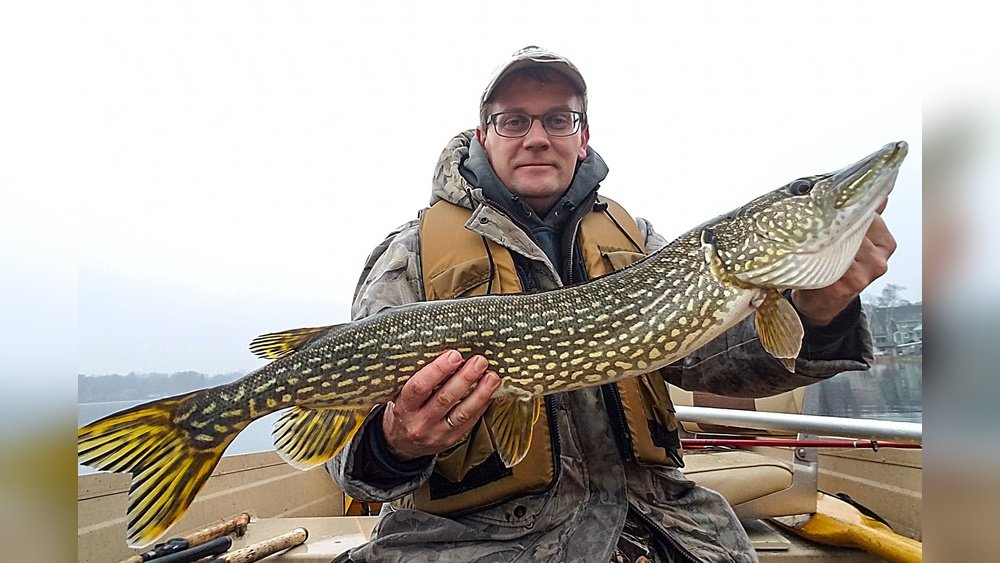
If you love the thrill of catching a fierce, toothy fish, pike fishing in Michigan is calling your name. Michigan’s waters are home to some of the best Northern Pike fishing spots in the country, offering exciting action for both beginners and seasoned anglers.
Whether you want to haul in a trophy-sized pike or simply enjoy a day on the water, Michigan has plenty of lakes, rivers, and bays that make it easy for you to hook your next big catch. You’ll discover the top fishing locations, proven tactics, and essential gear to help you succeed.
Ready to learn how to outsmart these sharp-toothed predators? Keep reading to make your next fishing trip unforgettable.
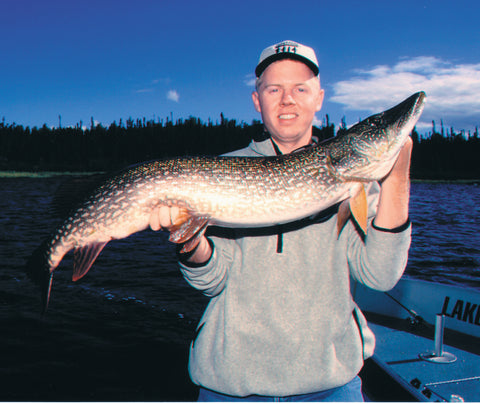
Credit: www.dubrofishing.com
Top Pike Spots
Northern Pike fishing in Michigan attracts anglers from all over. The state offers a variety of top spots that promise exciting catches. Each location has unique features that make it ideal for Pike fishing. These waters hold big fish and provide great fishing experiences year-round.
Lake St. Clair
Lake St. Clair is famous for its large Pike population. Shallow, weedy areas make perfect Pike habitats. Anglers catch plenty of Pike here, especially in spring and fall. The lake’s clear waters help you spot Pike hunting near weed beds. Use spinnerbaits or jerkbaits to increase your chances.
Saginaw Bay
Saginaw Bay rivals Lake St. Clair in Pike fishing quality. It holds larger Pike on average. The bay’s shallow flats and weed lines attract hungry Pike. Early morning and late evening are prime fishing times. Dead smelt on tip-ups works well in colder months.
Houghton Lake And Lake St. Helen
These inland lakes offer steady Pike action all season. Known for consistent catches, they attract many Pike anglers. Both lakes feature abundant weeds, perfect for Pike hiding spots. Houghton Lake is popular for its large Pike. Lake St. Helen is quieter but just as productive.
Higgins Lake
Higgins Lake stands out for larger Pike rather than numbers. Its deep, clear waters hold trophy-sized Pike. Anglers seeking big fish often target this lake. Fishing here requires patience but rewards with impressive catches. Use live bait or large lures near drop-offs.
Manistee, St. Joseph, And Kalamazoo Rivers
These rivers provide excellent Pike fishing in slower, deeper stretches. They tend to be less crowded than lakes. Pike use river bends and submerged structures to ambush prey. Early spring and fall are the best seasons to fish. Casting spoons or spinnerbaits near weed edges often produces strikes.
Seasonal Pike Behavior
Northern pike in Michigan show distinct behavior changes across seasons. Understanding these patterns helps anglers catch more fish. Pike move to different areas and depths depending on water temperature and food availability. Their feeding habits shift, influencing where and how you should fish.
Seasonal knowledge gives you an edge on the water. It guides your choice of lures and fishing spots. Let’s explore how pike behave in spring, fall, and winter.
Spring And Fall Activity
During spring, pike leave deep winter spots and move to shallow waters. They target weedy areas near shorelines for spawning and feeding. Pike become more aggressive, chasing smaller fish in these zones. Anglers find success with jerkbaits and spinnerbaits in weedy shallows.
Fall mirrors spring activity as pike feed heavily before winter. Cooler water triggers a feeding frenzy. Pike gather near weed edges and drop-offs. Using bright lures and fast retrieval can provoke strikes. Both spring and fall offer excellent chances for active pike.
Winter Patterns
In winter, pike shift to deeper, slower waters. They stay near the bottom where temperatures are stable. Pike reduce movement but still feed on available prey. Ice fishing with dead smelt or tip-ups is effective. Slow, steady lure action works best during cold months.
Understanding winter spots improves catch rates. Look for deep bays and channels with cover. Patience and quiet technique bring rewards. Pike remain active but require different tactics than open water seasons.
Effective Lures And Baits
Choosing the right lure or bait makes all the difference in Michigan pike fishing. Northern Pike react strongly to movement and flash. Effective lures mimic prey fish, triggering strikes quickly. Different water conditions and seasons affect which lure works best. Experimenting with lures can help find what excites local pike.
Jerkbaits And Spinnerbaits
Jerkbaits imitate injured baitfish with their erratic motion. Twitch the rod tip to create pauses and jerks. This action often draws aggressive strikes from pike. Use bright or natural colors depending on water clarity. Spinnerbaits have spinning blades that flash and vibrate underwater. These attract pike by triggering their hunting instincts. Retrieve spinnerbaits steadily or with short pauses near weeds and drop-offs.
Live Bait Options
Live bait can be very effective for pike in Michigan. Large minnows, suckers, or chubs work well. Hook the bait through the lips or back to allow natural movement. Use a bobber or let the bait swim freely below the surface. Live bait attracts pike by scent and lifelike action. Keep bait fresh and lively to increase catch chances.
Tip-up Techniques
Tip-ups let anglers fish multiple holes during ice fishing. Rig a dead smelt, sucker, or shiner under the tip-up. Position the bait near the bottom or mid-water where pike hunt. When a pike bites, the flag pops up to alert the angler. Tip-ups allow quiet, hands-free fishing and cover more water. Check tip-ups often to land big pike quickly.

Credit: www.michiganoutofdoors.com
Gear Essentials
Choosing the right gear is crucial for successful pike fishing in Michigan. Pike are strong predators with sharp teeth. They require durable equipment that can handle their power. Proper gear improves your catch rate and keeps you safe during the fight. This section covers essential gear elements to bring on your Michigan pike fishing trip.
Leaders And Line Strength
Use heavy-duty leaders to prevent bite-offs from pike teeth. Steel or fluorocarbon leaders of 20 to 30-pound test are common choices. The fishing line should match the leader strength. Braided line with a 30 to 50-pound test offers good sensitivity and strength. This setup reduces the chance of losing a fish during the fight.
Rod And Reel Recommendations
Medium-heavy to heavy rods provide the power needed to control big pike. Rods between 7 and 8 feet work well for casting and handling large lures. Pair your rod with a baitcasting or spinning reel that holds strong drag and smooth line retrieval. Reels with a gear ratio around 6:1 help quickly reel in aggressive pike.
Safety And Handling Tools
Long-nose pliers are essential for removing hooks safely from sharp-toothed pike. Use a landing net with a rubberized mesh to protect the fish and your gear. Gloves protect your hands during handling and reduce injury risk. Carrying a pair of wire cutters can help if the pike swallows the hook deeply. Proper tools make catch and release easier and safer for both angler and fish.
Fishing Regulations
Understanding fishing regulations is essential for a successful pike fishing trip in Michigan. These rules protect fish populations and ensure a healthy environment for future anglers. Every angler must follow licensing requirements, season dates, and specific limits. Some lakes also have special regulations to preserve their unique ecosystems.
Licensing Requirements
All anglers must have a valid Michigan fishing license. Licenses are available online or at local retailers. Different types include resident, non-resident, and youth licenses. A fishing license is required for anyone aged 17 and older. Keep your license with you while fishing to avoid fines.
Season Dates And Limits
The pike fishing season in Michigan varies by location. Most areas open in late March and close in early January. Daily catch limits usually allow three pike per person. Minimum size limits often apply to protect young fish. Check local rules before you fish to stay legal.
Special Regulation Lakes
Some Michigan lakes have unique rules for pike fishing. These may include catch-and-release only or altered size limits. Examples include certain inland lakes and reservoirs. Regulations aim to protect native fish and maintain a balanced ecosystem. Always review special rules for the lake you plan to visit.
Guided Pike Trips
Guided pike trips in Michigan provide an excellent way to catch Northern Pike with expert help. These trips suit all skill levels, from beginners to experienced anglers. Guides know the best spots, techniques, and gear for pike fishing. This knowledge increases your chance of landing a big pike.
Guided trips offer a stress-free experience. You can focus on fishing while the guide handles navigation and locating fish. Michigan’s waters have many hidden pike hotspots that guides know well. The trips often include all necessary equipment and bait, so you just need to show up ready to fish.
Popular Charter Locations
Lake St. Clair is a top location for guided pike trips. Its shallow, weedy areas hold many aggressive pike. Saginaw Bay attracts anglers seeking bigger trophy pike. The bay’s clear waters offer excellent visibility for fishing.
Houghton Lake and Lake St. Helen are popular inland lakes for guided charters. These lakes have steady pike action and vary in depth. Higgins Lake is known for producing larger pike, though fewer in number. Rivers like the Manistee and St. Joseph provide peaceful fishing with less pressure.
What To Expect On A Guided Trip
Your guide will start by explaining safety rules and fishing regulations. They will provide all fishing gear, including rods, reels, and bait. Trips usually last several hours, focusing on areas with active pike. The guide will teach you how to cast and retrieve lures effectively.
Expect to fish in shallow weeds during spring and fall. In winter, guided trips may use tip-ups over deeper water. The guide will help you identify pike behavior and adjust tactics. They also take photos of your catch and help you release fish safely.
Ice Fishing For Pike
Ice fishing for pike in Michigan is a thrilling winter activity. The cold months bring a unique challenge and excitement to the sport. Pike remain active under the ice, making them an excellent target for anglers. Catching a large pike through the ice offers a rewarding experience.
Success depends on choosing the right location and using proper gear. Knowing where to fish and how to stay warm improves your chances. Michigan’s icy lakes provide many prime spots to catch these toothy predators.
Best Ice Fishing Spots
Lake St. Clair is a top choice for ice fishing pike. Its shallow, weedy areas attract many pike during winter. Saginaw Bay also holds large pike under the ice. Houghton Lake offers consistent action and good numbers of pike. Higgins Lake is famous for bigger pike, though fewer in number. Inland lakes and slow-moving river spots provide quieter, less crowded fishing spots. Always check ice thickness and safety before venturing out.
Winter Gear Tips
Dress in layers to stay warm and dry. Use insulated boots and waterproof gloves to protect extremities. A quality ice auger helps cut holes quickly and cleanly. Bring a portable ice shelter to block wind and keep comfortable. Use tip-ups with dead smelt or minnows to attract pike. A strong, sharp hook and sturdy rod prevent losing big fish. Always carry safety gear like ice picks and a flotation device.
Pike Catch And Cook
After a successful day of pike fishing in Michigan, the next step is preparing your catch for a delicious meal. Pike catch and cook is a popular tradition among anglers. It connects the thrill of fishing with the joy of cooking fresh fish. Pike has firm, white flesh that tastes great if cleaned and cooked properly.
Cooking your own pike lets you enjoy the full experience of the catch. It also ensures the fish is fresh and healthy. Many anglers take pride in preparing their pike dishes with simple, tasty recipes. Understanding how to clean and fillet a pike is essential for the best results.
Cleaning And Filleting Pike
Start by rinsing the pike under cold water. Use a sharp fillet knife for clean cuts. First, cut behind the gills and along the backbone to remove the fillets. Pike have many small bones called “Y-bones”. Removing these bones is important for easy eating.
To remove Y-bones, cut the fillet into thin strips. Look for the row of bones in the center and trim them out. Keep the skin on or off, depending on your recipe. Dispose of the head, spine, and bones responsibly.
Popular Pike Recipes
One favorite recipe is pan-fried pike. Lightly coat fillets in flour and season with salt and pepper. Fry in a hot pan with butter until golden brown. Serve with lemon wedges for a fresh taste.
Baked pike is another easy option. Place fillets in a baking dish with herbs, garlic, and a splash of white wine. Bake at 375°F for 15-20 minutes. The fish cooks evenly and stays moist.
Pike fish cakes are popular too. Mix flaked pike with mashed potatoes, onions, and seasoning. Form into patties and fry until crispy. These make great appetizers or snacks.
Beginner Tips
Starting with pike fishing in Michigan brings excitement and challenge. Beginners find success easier by following simple tips. Understanding tackle and avoiding common errors saves time and frustration.
These tips focus on practical advice to help new anglers catch more pike. Clear steps and easy rules will improve your fishing experience greatly.
Choosing The Right Tackle
Select medium to heavy action rods for better control. Pike are strong and can break light gear easily. A sturdy reel with smooth drag helps manage big fish fights.
Use braided line with a 20-30 lb test for strength and sensitivity. Add a steel leader to avoid bite-offs from sharp teeth. Choose lures like spoons, spinnerbaits, or large crankbaits that mimic prey fish.
Keep your tackle setup simple to avoid tangles and lost fish. Proper gear increases confidence and chances of landing pike.
Common Mistakes To Avoid
Do not use light line or weak leaders; pike bite hard. Avoid slow retrieval; pike prefer fast-moving lures that trigger strikes. Do not fish in deep water only; pike often hide in weeds near shore.
Do not ignore safety around sharp teeth. Use long-nose pliers to remove hooks safely. Avoid overplaying the fish to reduce stress and increase survival chances if released.
Skipping these tips causes lost fish and wasted time. Stay patient and adapt your methods for better results.
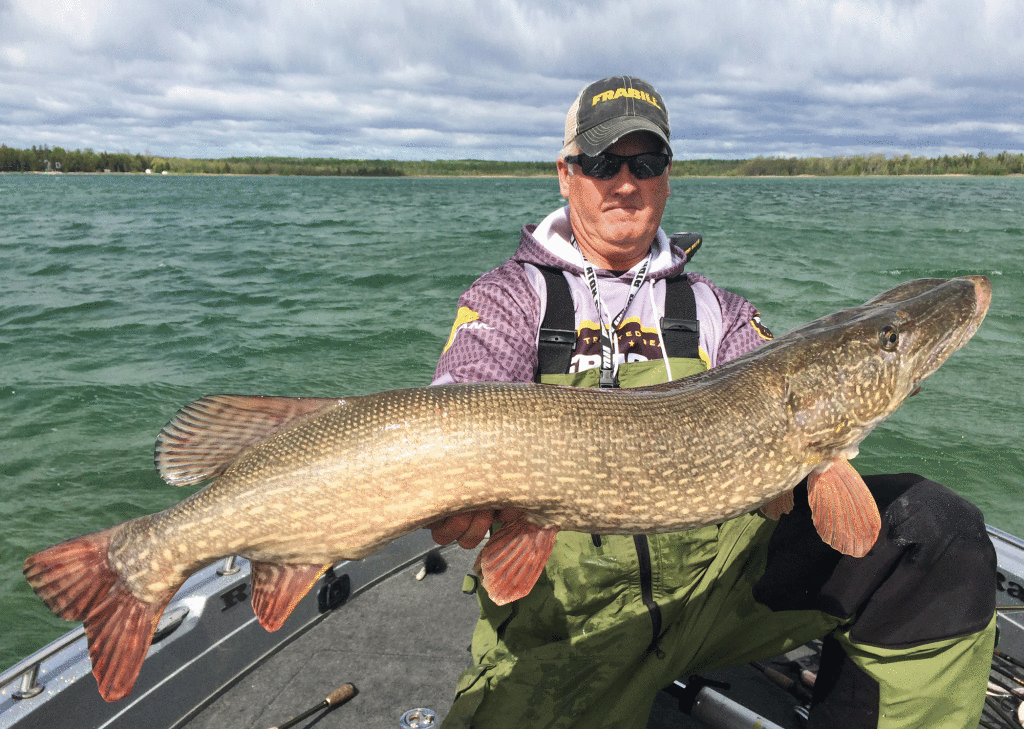
Credit: www.in-fisherman.com
Frequently Asked Questions
Where Can You Catch Pike In Michigan?
Catch pike in Michigan’s Lake St. Clair, Saginaw Bay, Houghton Lake, Higgins Lake, and rivers like Manistee and Kalamazoo. Fish shallow weeds in spring and fall using jerkbaits or spinnerbaits. Obtain a Michigan fishing license and check local regulations for seasons and limits.
How Old Is A 25 Lb Pike?
A 25-pound Northern pike is typically around 22 to 23 years old. Growth rates vary by environment and food availability.
What Is The Bottomless Lake In Michigan?
The bottomless lake in Michigan is Hubbard Lake. It gained this nickname due to its great depth and clear waters.
Is Pike Or Walleye Better?
Walleye offers better taste and holds flavor well when frozen. Pike provides exciting fights and trophy sizes. Choose based on flavor preference or fishing experience.
Conclusion
Michigan offers excellent pike fishing with many great spots to explore. Catching these fish is fun and rewarding for anglers of all levels. Use simple gear and focus on weeds in spring and fall for the best results. Remember to follow local fishing rules and get the proper license before you go.
Pike fishing in Michigan can create lasting memories and plenty of excitement. Give it a try and enjoy the thrill of the catch.