If you’ve ever wondered where to find the best wiper fish in Utah or how to land one of these feisty fighters, you’re in the right place. Wiper fish are a unique hybrid prized by anglers for their strong runs and aggressive strikes.
Whether you’re an experienced fisherman or just starting out, learning about Utah’s wipers can take your fishing game to the next level. You’ll discover where to find them, what makes them special, and insider tips to help you catch more wipers on your next trip.
Ready to reel in some action? Keep reading and get ready for an exciting fishing adventure in Utah’s waters.
Credit: nas.er.usgs.gov
Wiper Fish Traits
The wiper fish in Utah has unique traits that attract many anglers. These fish combine qualities from two different species. Their distinct features and behavior make them special. Understanding these traits helps anglers enjoy fishing and appreciate the species.
Hybrid Origins
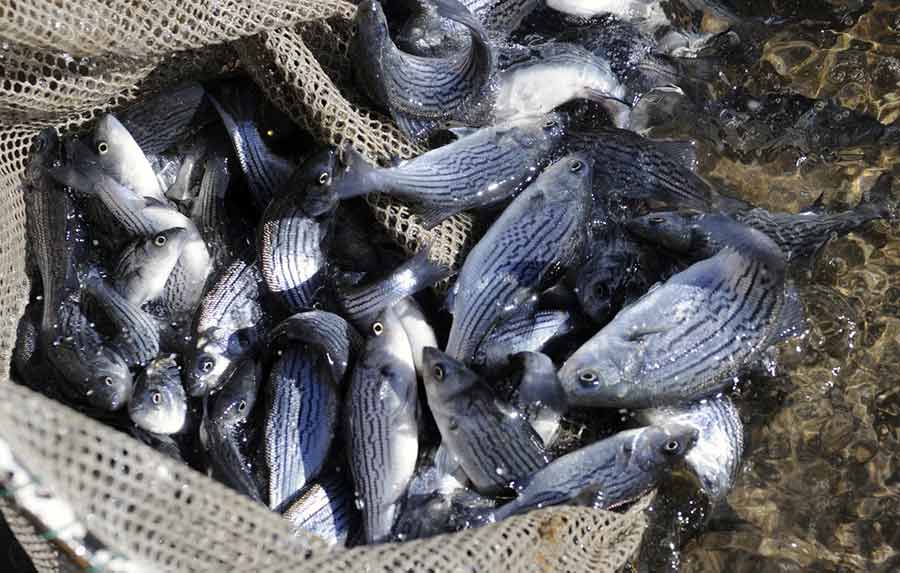
Wiper fish come from a hybrid of two bass species. They are a cross between female striped bass and male white bass. This hybrid creation is intentional. It helps control certain fish populations in Utah lakes. Wipers cannot reproduce, making them sterile hybrids. This trait allows them to grow faster without focusing on breeding.
Physical Features
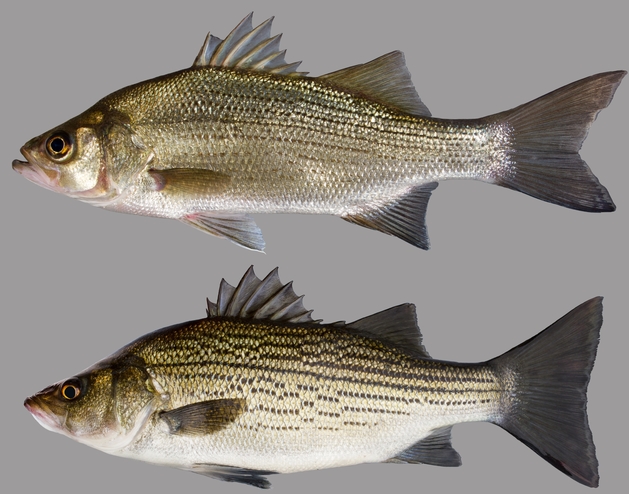
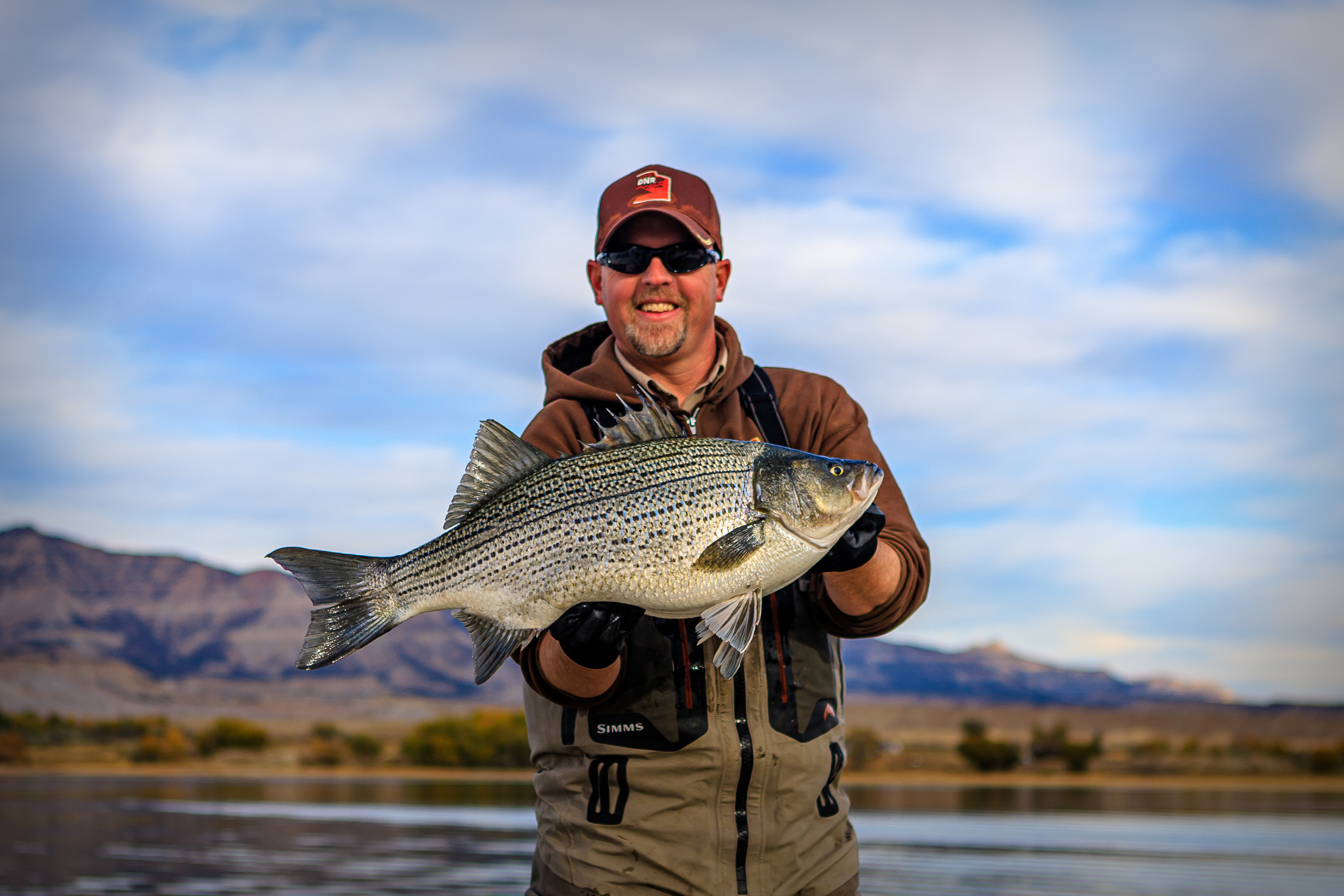
Wipers have a unique look with broken stripes on their bodies. Their stripes are variegated, unlike the solid stripes of striped bass. Their body shape combines traits from both parent species. They often show a silver color with dark markings. Wipers usually have sharp teeth and a strong jaw. These features help them catch prey easily.
Behavior Patterns
Wipers are active predators that hunt in groups. They often swim in schools near the water surface. Their feeding habits include chasing smaller fish like shad and chub. Wipers prefer cooler, well-oxygenated water. They are known for strong, fast swimming and aggressive strikes. These behaviors make them exciting targets for anglers.
Growth And Reproduction
Wipers grow quickly due to their hybrid nature. They can reach large sizes within a few years. Since they are sterile, they do not reproduce in the wild. This lack of reproduction helps manage fish populations in Utah lakes. Growth focuses on muscle and size, making them powerful fighters. Anglers often prize wipers for their size and strength.
Credit: wildlife.utah.gov
Prime Utah Wiper Spots
Utah offers some of the best spots for wiper fishing. These locations have healthy populations of wipers. They attract anglers seeking both fun and good catches. Wipers thrive in reservoirs with ample baitfish. Clean water and varied depths provide excellent fishing conditions. Here are prime Utah wiper spots that you should know about.
Willard Bay Reservoir
Willard Bay Reservoir is popular for wiper fishing. It has large, strong wipers that fight hard. The water is clear and supports many baitfish. Anglers often use jigs and live bait here. Early morning and late afternoon are great times. The reservoir is easy to access from nearby cities.
Newcastle Reservoir
Newcastle Reservoir is known for big wipers and peaceful surroundings. The reservoir has deep spots where wipers gather. Fishers use trolling or casting methods here. The wipers grow fast due to abundant food. Newcastle offers a quiet fishing experience. It is a favorite for both beginners and experts.
Otter Creek Reservoir
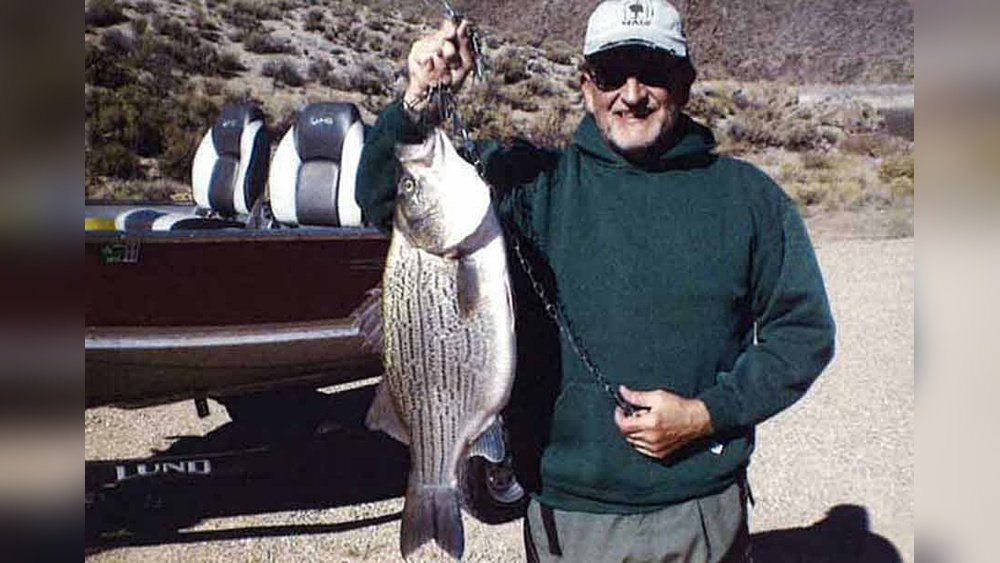
Otter Creek Reservoir holds some of Utah’s largest wipers. The water is well managed to support healthy fish. Anglers often catch wipers over 20 pounds. This reservoir is good for boat fishing. Shore fishing can also be productive near drop-offs. Otter Creek is scenic and less crowded than other spots.
Additional Locations
Other Utah spots also hold good wiper populations. Deer Creek Reservoir has wipers mixed with trout and bass. Strawberry Reservoir offers wiper fishing with a mountain backdrop. Yuba Reservoir is another place to try for wipers. Each location has unique features that attract these fish. Exploring multiple spots increases your chances of a great catch.
Effective Techniques
Effective techniques improve your chances of catching wiper fish in Utah. These methods help you reach the right spots and attract wipers efficiently. Focus on understanding each approach for better results.
Trolling Methods
Trolling works well for covering large water areas. Use a slow and steady speed to keep your bait in the strike zone. Try different depths by adjusting your trolling gear. This helps find where wipers are feeding. Use downriggers or lead-core lines to reach deeper waters. Keep your boat moving smoothly to avoid spooking fish.
Casting Strategies
Casting lets you target specific areas like drop-offs and submerged structures. Cast near points where currents meet or where water changes depth. Vary your retrieve speed to mimic wounded baitfish. Pause occasionally to trigger strikes from curious wipers. Use light to medium action rods for better control and sensitivity. Stay quiet and patient during your casts.
Best Lures
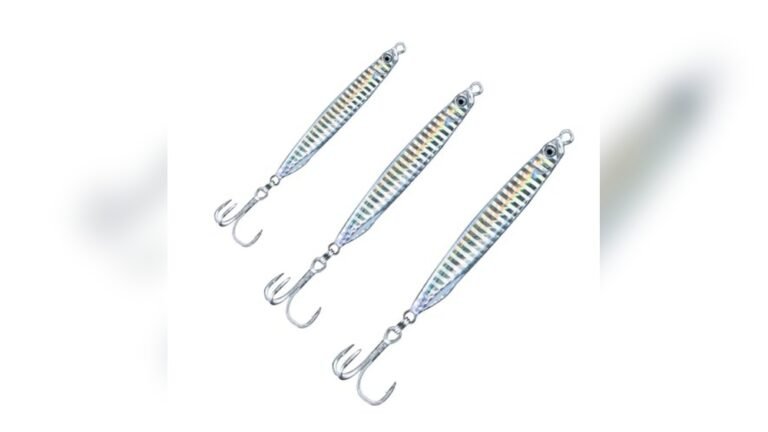
Choose lures that imitate small baitfish wipers feed on. Shad-colored crankbaits and spoons work very well. Try spinnerbaits with silver blades to reflect light and attract attention. Soft plastic swimbaits can also be effective when retrieved slowly. Match your lure size to the local baitfish. Change lure color if fish show no interest.
Timing Your Catch
Early morning and late evening offer prime fishing times. Wipers feed actively during low light hours. Overcast days can extend feeding periods throughout daylight. Warmer water temperatures in spring and fall increase fish activity. Monitor water temperature and weather to pick the best time. Plan your trip around these feeding windows for success.
Wiper Feeding Habits
The feeding habits of wiper fish in Utah reveal their role as active and adaptable predators. These fish combine traits from their striped bass and white bass parents, allowing them to thrive in various water conditions. Understanding their feeding behavior helps anglers and wildlife managers predict their movements and feeding times.
Wipers use their speed and sharp teeth to chase down prey. Their appetite drives much of their activity, especially in reservoirs and lakes across Utah. Observing their habits offers insight into their diet and social patterns.
Diet Preferences
Wiper fish prefer small, schooling fish such as shad and minnows. They also consume insects and crustaceans when fish are scarce. Their diet shifts based on availability, showing flexibility in food choices. This makes them effective at controlling invasive species in Utah waters.
Schooling Behavior
Wipers often feed in groups, or schools, to increase hunting success. Schooling helps them herd prey into tight clusters. This behavior makes them more efficient predators and harder targets for larger fish. Schools can range from a few individuals to dozens, especially during feeding frenzies.
Seasonal Variations
Feeding habits change with the seasons. In warmer months, wipers feed actively near the surface and mid-water. During colder months, they move deeper and slow their metabolism, eating less. Seasonal shifts affect their prey choice and feeding times, often peaking in early spring and late summer.
Gear And Tackle Tips
Choosing the right gear and tackle improves your chances of catching wiper fish in Utah. Wipers are strong fighters, so your equipment must handle tough pulls without breaking. Simple setups with reliable tools work best for this hybrid fish.
Focus on gear that balances strength and sensitivity. You need to feel bites but also have enough power to reel in the fish safely.
Rod And Reel Choices
Select a medium to medium-heavy rod about 7 to 8 feet long. This length offers good casting distance and control. Spinning reels or baitcasting reels with smooth drag systems perform well. Make sure the reel matches your rod for balance. Choose reels with a line capacity of at least 150 yards to avoid running out of line during a fight.
Line And Leader Recommendations
Use braided line between 15 to 30 pounds test for strength and sensitivity. Braided lines cast farther and resist abrasion. Add a fluorocarbon leader about 12 to 20 pounds test. Fluorocarbon is nearly invisible underwater, which helps avoid spooking wipers. Keep leader length between 12 and 18 inches for better hook sets and less line visibility.
Hook Selection
Choose strong, sharp hooks sized from 1/0 to 3/0. Circle hooks and wide-gap hooks work well for wipers. These hooks improve hook-up rates and reduce deep hooking. Match hook size to your bait, whether live bait or artificial lures. Replace dull hooks regularly to maintain sharpness and increase your catch chances.
Credit: dwrapps.utah.gov
Handling And Cleaning
Proper handling and cleaning of Wiper fish in Utah is essential for a fresh and tasty meal. Clean fish taste better and last longer. It also helps avoid any health risks. This section covers simple steps for handling, cleaning, and preparing your Wiper fish.
Safe Handling Practices
Keep the fish cool and dry after catching it. Use a clean cooler with ice packs. Avoid leaving the fish in direct sunlight. Always wash your hands before and after handling fish. Use gloves if possible to protect your skin. Handle the fish gently to avoid bruising the meat.
Cleaning Techniques
Rinse the fish under cold water to remove slime and dirt. Use a sharp knife to scale the fish by scraping from tail to head. Cut behind the gills and along the belly to remove internal organs. Rinse the inside cavity thoroughly to remove blood and debris. Pat the fish dry with paper towels before cooking or storing.
Preparation For Cooking
Cut the fish into fillets or steaks depending on your recipe. Remove any remaining bones with tweezers for a better eating experience. Marinate or season the fish to enhance flavor. Store cleaned fish in the refrigerator if cooking within two days. For longer storage, freeze the fish in airtight bags to maintain freshness.
Wiper Fishing Regulations
Understanding the regulations for wiper fishing in Utah is essential for a responsible and successful fishing experience. These rules help protect the fish population and ensure future anglers can enjoy catching wipers. The Utah Division of Wildlife Resources (DWR) manages these regulations carefully. Following them keeps the ecosystem balanced and supports conservation efforts.
Utah Dwr Rules
The Utah DWR sets specific rules for wiper fishing. Anglers must have a valid Utah fishing license. Use only legal fishing gear allowed by the DWR. Certain waters may have special restrictions or closures. Always check for updates before fishing. Respecting these rules helps maintain healthy fish stocks.
Catch Limits
Catch limits control how many wipers an angler can keep each day. In Utah, the daily limit is usually five wipers per person. These limits prevent overfishing and support sustainable populations. Keep track of your catch and release any fish beyond the limit. Following catch limits protects the sport and the fish.
Season Dates
Wiper fishing seasons vary depending on the water body. Some reservoirs allow year-round fishing, while others have specific open and close dates. The DWR provides season dates for each location. Planning your trip within these dates ensures you fish legally. Always verify the season dates before heading out.
Wiper Fishing Challenges
Fishing for wiper fish in Utah offers excitement and unique challenges. Anglers must prepare for several obstacles that can affect success. Understanding these challenges helps improve the fishing experience.
Wipers are strong fighters and can be tricky to catch. Patience and skill are needed to land these fish.
Common Obstacles
Wipers often swim near rocky areas and submerged structures. This increases the risk of losing bait or lures. Their fast movements can lead to sudden line breaks. Anglers must stay alert and ready to react quickly. Using strong fishing lines can reduce the chance of losing a catch.
Avoiding Snags
Snags are a common problem when fishing for wipers. These fish stay close to underwater plants and debris. Casting carefully helps avoid getting stuck. Using weedless hooks or heavy sinkers can help navigate tricky spots. Reeling in slowly and smoothly reduces the chance of tangling. Being patient and observant keeps the fishing line clear.
Weather Impact
Weather plays a big role in wiper fishing success. Windy conditions make casting and controlling the line harder. Wipers change their depth based on water temperature and sunlight. Early morning or late evening often brings better results. Checking the weather forecast before fishing helps plan the best time. Staying flexible and adjusting techniques improves the chances of a good catch.
Wiper Recipes And Taste
Wiper fish from Utah offer a unique taste experience that many anglers and food lovers appreciate. Their mild flavor and firm texture make them perfect for various recipes. Cooking wiper fish allows you to enjoy fresh, healthy meals with simple ingredients.
Flavor Profile
Wiper fish have a mild, slightly sweet taste. The flesh is white and flaky when cooked. It lacks the strong fishy odor found in some other species. This makes wiper ideal for people new to eating fish. Its firm texture holds up well in many cooking methods.
Popular Recipes
Grilled wiper with lemon and herbs is a favorite choice. Baking wiper with garlic butter brings out its natural sweetness. Pan-frying with a light breading adds a crispy texture. Some enjoy it in fish tacos with fresh salsa. Simple seasoning lets the fish’s flavor shine.
Cooking Tips
Cook wiper fish just until it flakes easily with a fork. Overcooking can make it dry and tough. Use medium heat to keep the fish moist. Marinate briefly to add extra flavor without overpowering. Always clean and pat dry before cooking for best results.
Frequently Asked Questions
Is Wiper Fish Good To Eat?
Wiper fish taste mild and flaky, making them good to eat. Many anglers enjoy them grilled, fried, or baked. They offer a versatile, tasty option for freshwater fishing meals.
Can Fish See You On The Bank?
Yes, fish can see you on the bank, especially through clear water and bright conditions. Movement and shadows alert them quickly.
What Is The Rarest Fish To Catch In Utah?
The rarest fish to catch in Utah is the Bonneville Cisco. It inhabits only the Great Salt Lake and is highly elusive.
Are Wiper Hard To Catch?
Wipers can be challenging to catch due to their aggressive strikes and fast runs. Using proper lures and fishing during feeding times improves success.
Conclusion
Wiper fish in Utah offer a thrilling fishing experience. Their strong fight excites anglers of all skill levels. Utah’s reservoirs provide great spots to catch these unique hybrids. They grow fast and put up a good battle. Whether you fish for fun or food, wipers make a great choice.
Remember to follow local fishing rules and respect the environment. Enjoy your time on the water and good luck catching wipers!