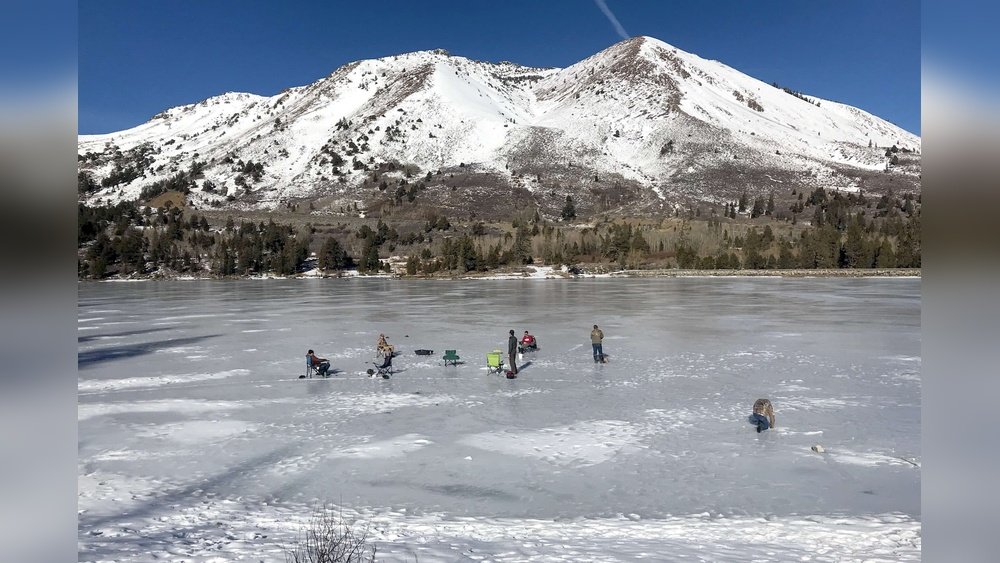
California may not be the first place you think of for ice fishing, but hidden among its sunny beaches and deserts are high mountain lakes that freeze solid in winter. For anglers who crave adventure and love the quiet beauty of snow, ice fishing in California offers something different. The experience is about more than just catching fish—it’s about connecting with nature, enjoying the stillness, and challenging yourself in a unique environment.
But before you grab your auger and ice tent, there’s a lot to know. From the best lakes to visit, to the gear that works best in California’s conditions, understanding the local rules and safety is key. Whether you’re a seasoned ice fisher or just curious about trying it for the first time, this guide covers all you need to get started and enjoy a safe, successful day on the ice.
What Makes Ice Fishing In California Unique?
Most people picture Minnesota or Alaska when they think about ice fishing. California’s version is different in a few important ways.
First, the ice season is short. Many lakes are only safe for a couple of months, usually late December to early March. Second, weather can change quickly. You may drive from palm trees up to snowdrifts in just a few hours. Third, the fish species are mostly trout and kokanee salmon, thanks to the cold, clear mountain water.
California’s ice fishing spots are also quieter. You won’t find crowds like in other states. Instead, expect peaceful landscapes, open space, and plenty of room to try different spots on the ice.
Best Lakes For Ice Fishing In California
Choosing the right lake is the first step to a great trip. Here are some top places where the ice gets thick enough and the fish are waiting.
| Lake Name | Elevation (ft) | Main Species | Ice Season |
|---|---|---|---|
| Caples Lake | 7,800 | Rainbow Trout, Mackinaw | Dec – Mar |
| Silver Lake | 7,200 | Brown Trout, Rainbow Trout | Jan – Mar |
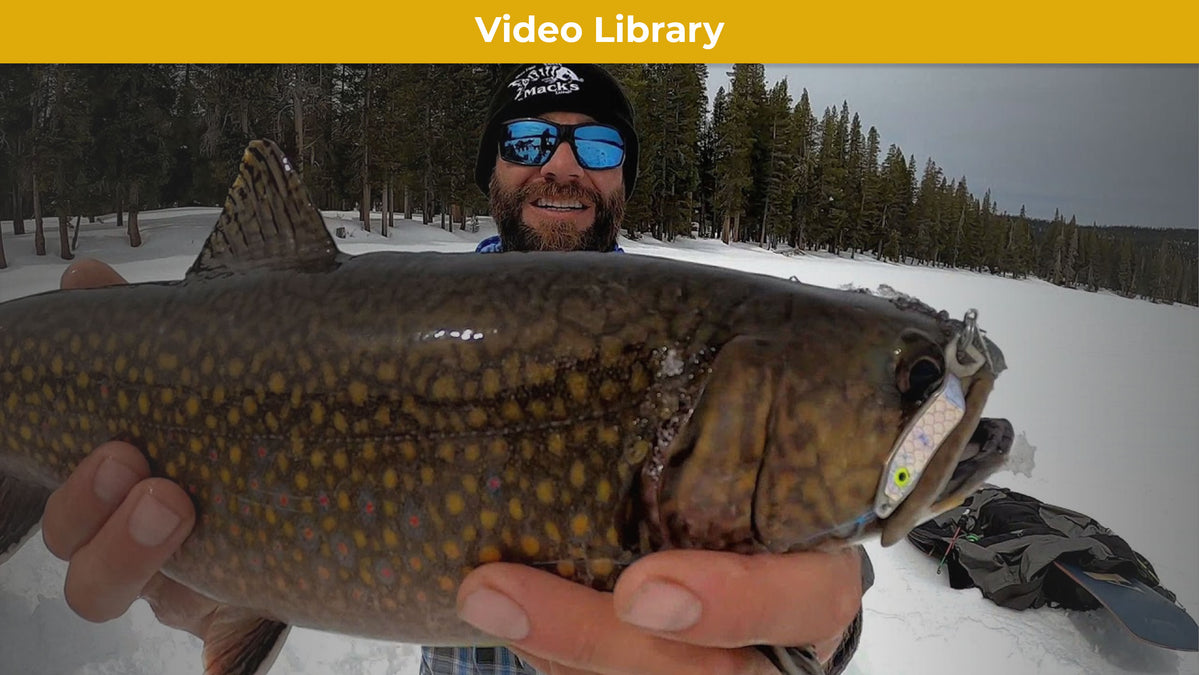
| Red Lake | 7,800 | Brook Trout, Lahontan Cutthroat | Dec – Feb |
| Lake Alpine | 7,300 | Rainbow Trout | Jan – Mar |
| Stampede Reservoir | 5,900 | Kokanee Salmon, Rainbow Trout | Jan – Feb |
Caples Lake is the most popular, thanks to reliable ice and good facilities nearby. Silver Lake is a favorite for its big brown trout, while Red Lake is known for easy access and plenty of action. Lake Alpine and Stampede Reservoir are also worth exploring, especially for those who want a quieter experience.
Credit: mackslure.com
Essential Gear For California Ice Fishing
California’s mountain weather can be unpredictable. Having the right gear makes a huge difference in comfort and safety.
- Ice Auger: Manual augers are fine for California’s thinner ice, but a small gas or battery-powered auger saves time and energy, especially if you plan to drill many holes.
- Ice Shelter or Tent: Winds can pick up fast. A simple pop-up tent blocks wind and keeps you warm. Look for one that’s easy to carry, since hikes can be long.
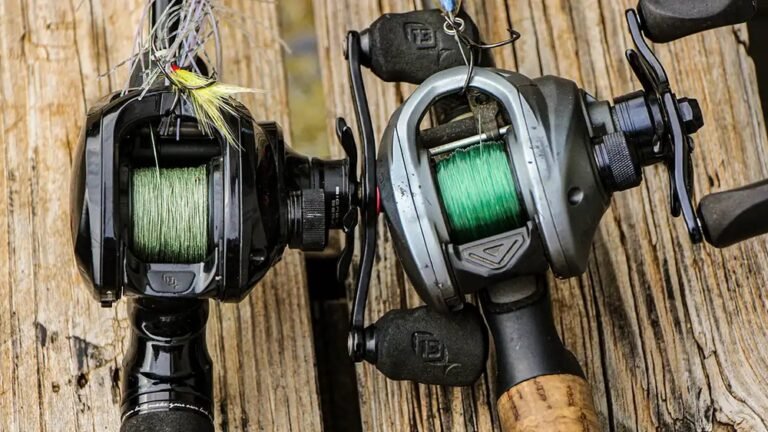
- Fishing Rods and Reels: Short, sensitive rods (24–30 inches) are best. Use lightweight reels with smooth drag for trout and kokanee.
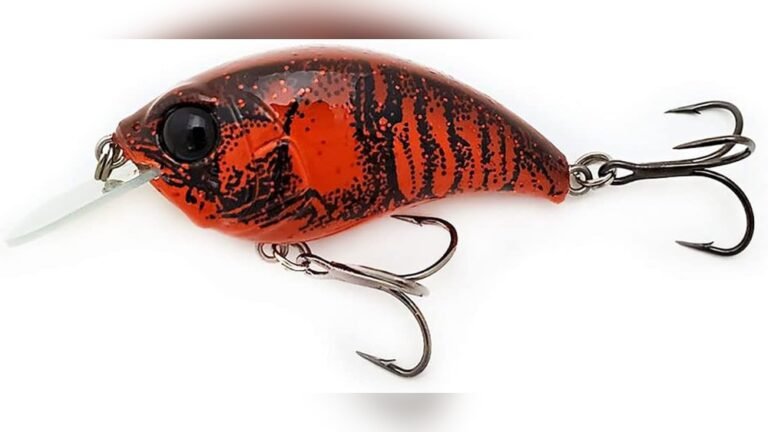
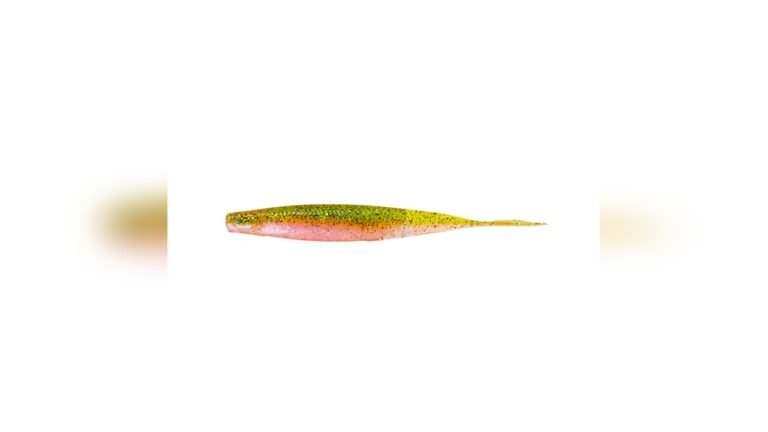
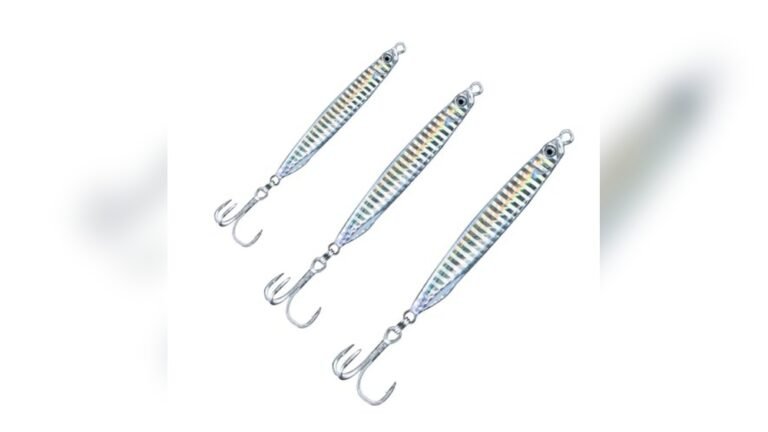
- Lures and Bait: Small jigs, spoons, and live bait like waxworms or mealworms work well. Bright colors help on cloudy days.
- Ice Scoop: This tool clears slush from the hole. It’s simple but essential.
- Safety Gear: Ice picks, a throw rope, and ice cleats (for your boots) are must-haves. Never go on the ice without these.
- Warm Clothing: Layer up. Use moisture-wicking base layers, an insulated jacket, snow pants, gloves, and a hat. Cotton is a bad choice—it stays wet and makes you cold.
- Sled: A small sled helps carry everything out to your spot.
Many beginners forget about ice cleats or picks. These are lifesavers if you slip or need to pull yourself out of the water.
Safety First: Staying Smart On The Ice
California’s ice can be unpredictable. It’s not as thick as in the Midwest, and warm spells can make it dangerous quickly. Here’s how to stay safe:
- Test the ice thickness often. Four inches of clear, solid ice is the minimum for walking. More is needed for groups or heavy gear.
- Never fish alone. Always go with a friend and keep your phone in a waterproof bag.
- Watch for changing weather. Warm days, rain, or wind can weaken ice fast.
- Check local reports. Rangers or tackle shops often know the latest conditions.
- Stay clear of moving water. Areas near inlets, outlets, or springs freeze last and thaw first.
One overlooked tip: Listen for cracking or booming sounds. Some noise is normal as ice expands, but repeated cracks near you mean it’s time to move.
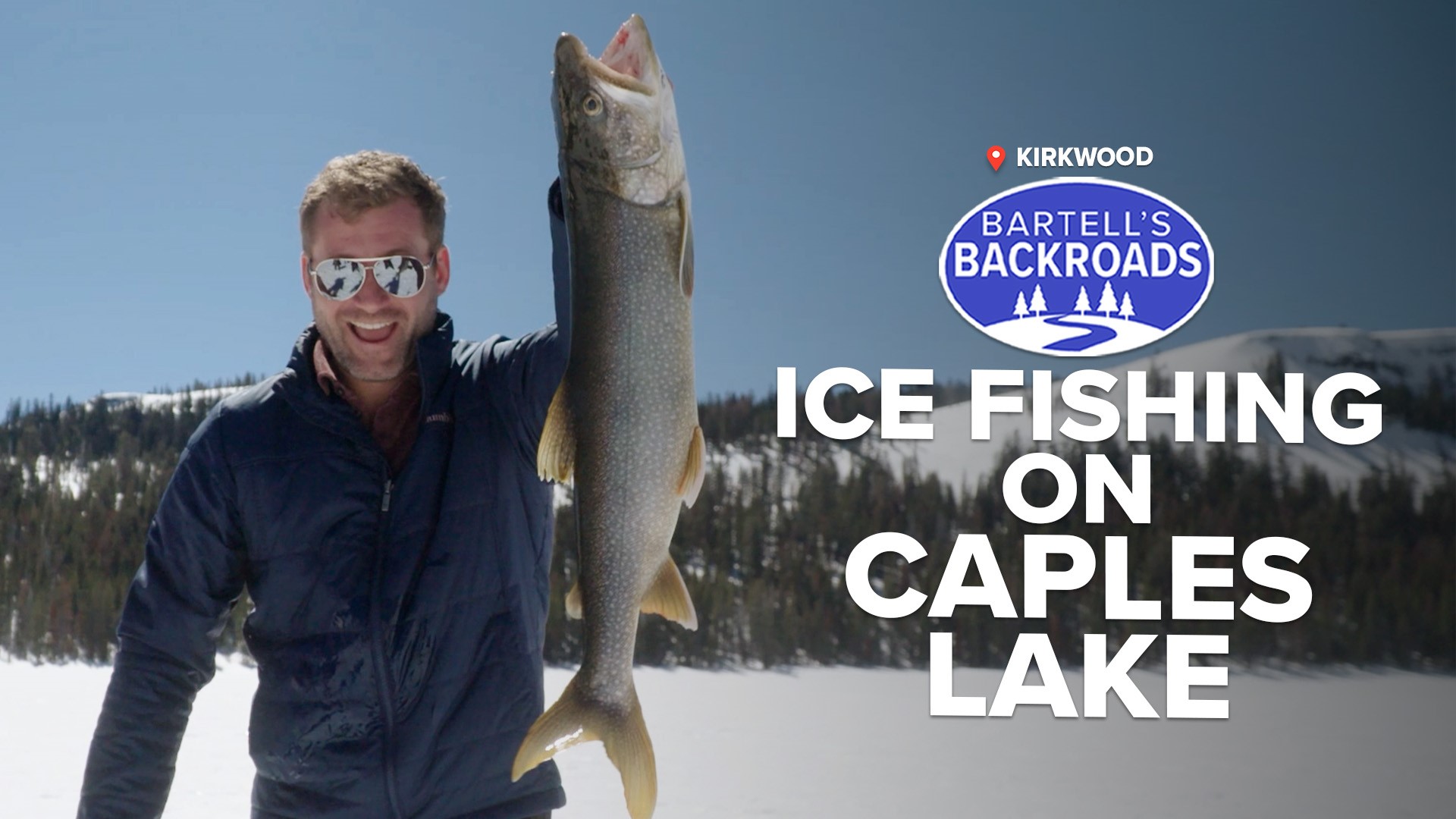
Credit: www.abc10.com
Fishing Techniques That Work In California
Success on California’s ice comes down to a few key techniques. Here’s how to get more bites:
Jigging
Drop a small spoon or jig to the bottom, then slowly lift and drop it. Trout are curious and will often hit on the fall. Try changing colors or adding a tiny bit of bait.
Tip-ups
Tip-ups let you fish multiple holes at once. They hold the baited line and “flag” when a fish bites. In California, check local regulations—some lakes limit the number of lines per person.
Deadsticking
This means letting your bait sit still. Sometimes, trout want an easy meal. Use a split shot to keep your worm or minnow just off the bottom and wait.
Sight Fishing
On clear ice, you can often see fish below. Lower your lure slowly and watch their reaction. It’s as exciting as it sounds!
Experiment With Depth
California lakes are deep, but most fish stay within 5–20 feet of the surface in winter. Start shallow and move deeper if you’re not getting bites. Even moving a few feet can make a big difference.
Regulations And Licenses
You need a valid California fishing license to ice fish, even if you’re just catching and releasing. Licenses are available online or at sporting goods stores. Some lakes have special rules, such as limits on bait, number of rods, or catch size.
Always check the California Department of Fish and Wildlife website before your trip. Rules can change without notice, and some lakes may close if ice is unsafe. Breaking rules can mean fines and lost fishing privileges.
A common mistake is assuming “winter” means all rules are relaxed. In truth, California enforces its fishing laws year-round.
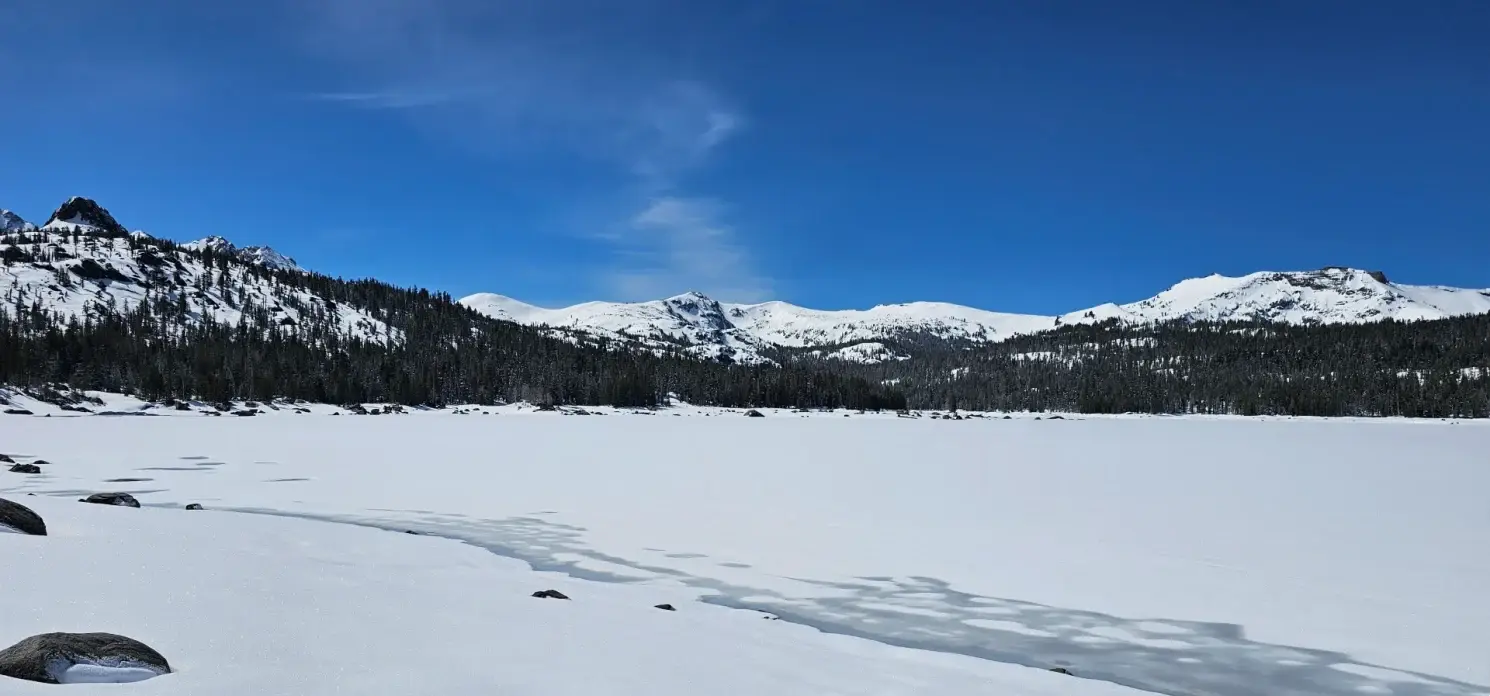
Credit: sierrarecmagazine.com
Comparing California To Other States
How does ice fishing in California stack up against classic spots like Minnesota or New York? Here’s a look:
| Feature | California | Minnesota | New York |
|---|---|---|---|
| Ice Season Length | 2-3 months | 4-5 months | 3-4 months |
| Main Species | Trout, Kokanee | Panfish, Walleye | Pike, Perch |
| Crowds | Low | High | Medium |
| Ice Thickness | 4-10 inches | 12-24 inches | 8-16 inches |
The main advantage in California is the peace and quiet—no need to fight for a good spot. The main challenge is the short season and thinner ice, which requires more caution.
Planning Your First California Ice Fishing Trip
Getting started doesn’t have to be complicated. Here’s a simple plan:
- Pick a lake: Caples Lake is a good choice for beginners.
- Check the ice report: Call a local bait shop or ranger station.
- Buy your license: Get it online before you go.
- Gather gear: Borrow or rent if you’re not ready to buy.
- Go with a friend: Never ice fish alone.
- Arrive early: Mornings are usually safer and more productive.
- Drill a test hole: Check thickness and clarity before setting up.
- Stay flexible: If the ice looks risky, don’t go out.
A non-obvious tip: Bring a thermos of hot drink. Not only does it keep you warm, but it helps you pace your time—take a break, watch the weather, and stay alert.
Local Resources And Community
California’s ice fishing community is small but helpful. Check out fishing forums, local tackle shops, and ranger stations for advice. You’ll find updated ice reports, tips on where the fish are biting, and even group outings for newcomers.
For weather and ice safety updates, the California Department of Water Resources and the National Weather Service provide valuable information. These resources can help you plan your trip and avoid dangerous conditions.
If you’re curious about the science behind ice formation or want to learn more about ice fishing worldwide, visit the Wikipedia page on Ice Fishing.
Two Insights Beginners Often Miss
First, sunburn can be a real risk on the ice. Snow reflects sunlight, and it’s easy to get burned even on cold days. Use sunscreen and sunglasses.
Second, fish in California’s mountain lakes can be picky about bait. Bring a variety—if trout won’t bite on worms, try PowerBait, mealworms, or even small artificial lures. Changing bait often can turn a slow day into a good one.
Frequently Asked Questions
Is Ice Fishing Legal In California?
Yes, ice fishing is legal wherever the lake is open to fishing and the ice is safe. You must have a valid California fishing license and follow all local rules.
How Thick Should The Ice Be Before I Go Out?
A minimum of 4 inches of clear, solid ice is needed for walking. More is needed for groups or heavy equipment. Always check ice conditions and never assume it’s safe.
What Is The Best Time Of Day To Ice Fish In California?
Early morning is usually best. Fish are more active after a cold night, and the ice is strongest before the sun warms it. Avoid afternoons, especially after warm or windy days.
Do I Need Special Gear For California, Or Can I Use Regular Ice Fishing Equipment?
Most standard ice fishing gear works fine. However, lightweight, portable gear is better since hikes can be long and ice is often thinner. Always bring safety items like picks, cleats, and a throw rope.
Can I Eat The Fish I Catch While Ice Fishing?
Yes, most trout and kokanee are safe to eat. Check for any posted advisories about mercury or other concerns, especially in reservoirs. Clean and cool your catch quickly to keep it fresh.
California ice fishing is a hidden gem for those willing to try something different. With a little planning, the right gear, and a focus on safety, you can enjoy quiet days on frozen lakes and the thrill of a fish tugging at your line.
The adventure is waiting—just remember, the most important thing is to come home safe and happy, whether you catch your limit or not.