If you’ve ever wondered what makes river steelhead so special, you’re about to discover a fascinating fish that’s both a challenge and a thrill for anglers like you. These silver warriors aren’t just any trout—they live a life that takes them from rushing freshwater rivers to the vast ocean and back again.
Understanding river steelhead can change the way you approach fishing and deepen your connection to nature. Whether you’re a seasoned angler or just curious, this article will guide you through everything you need to know about river steelhead, from their unique life cycle to tips on how to catch them.
Ready to dive in and unlock the secrets of these incredible fish? Your next great fishing adventure starts here.

Credit: yakutatlodge.com
Steelhead Basics
Steelhead trout are fascinating fish known for their unique habits and appearance. Understanding their basics helps appreciate their role in nature and fishing.
These fish are admired for their strength and beauty. Their life cycle and traits set them apart from other trout.
Steelhead Vs Rainbow Trout
Steelhead and rainbow trout belong to the same species but differ in behavior. Steelhead are anadromous, meaning they migrate to the ocean. Rainbow trout live only in freshwater. Steelhead return to rivers to spawn, unlike rainbow trout. Their migration gives steelhead a larger size and different coloring.
Anadromous Life Cycle
Steelhead begin life in freshwater rivers and streams. After hatching, they swim to the ocean to grow and mature. They spend several years in saltwater before returning to freshwater. This journey helps them find food and avoid predators. Once back, they spawn in the same rivers where they were born. This cycle repeats each generation.
Physical Traits And Name Origin
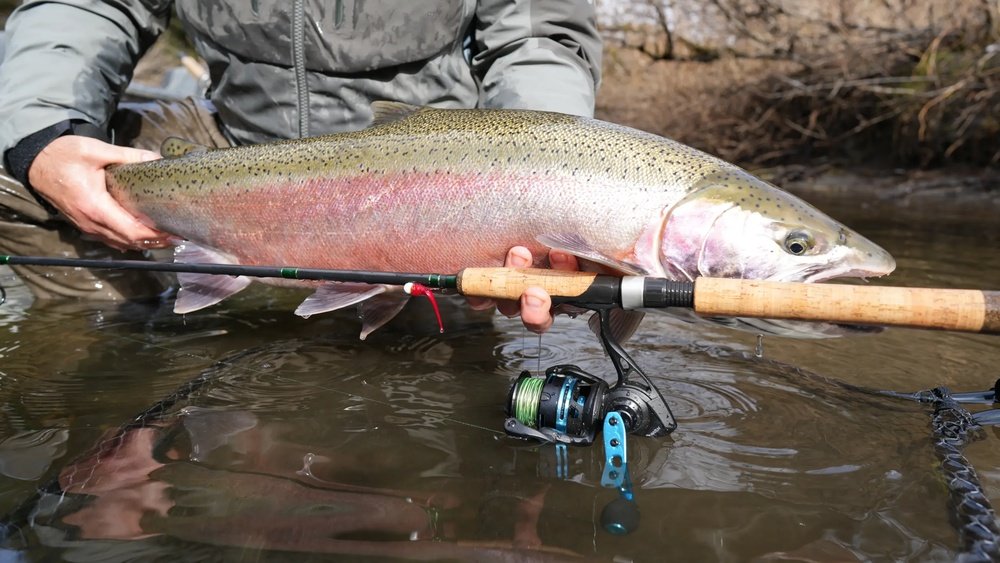
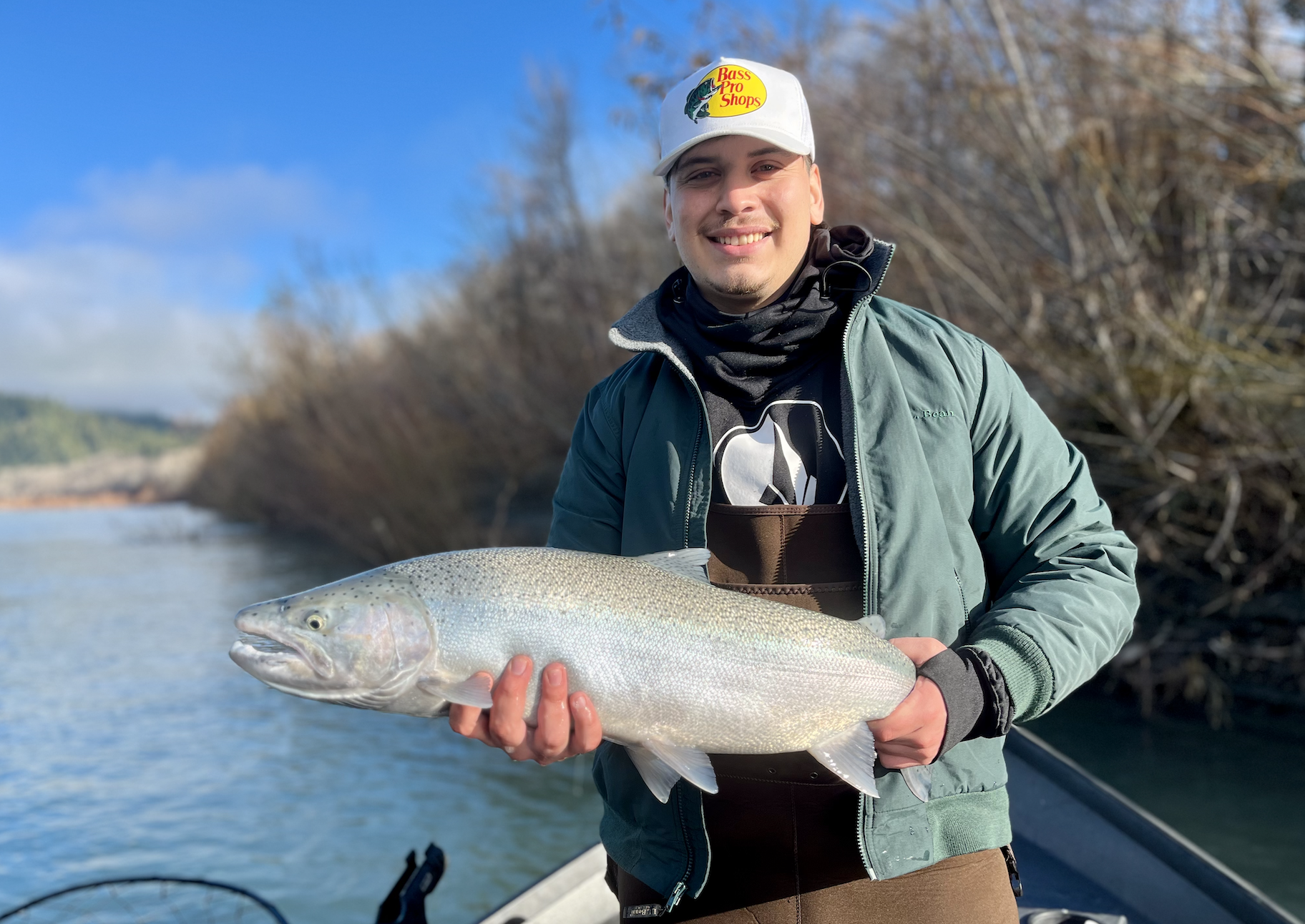
Steelhead have a sleek, silver body that shines like steel. Their heads are rounder compared to rainbow trout. This shiny, steel-like appearance inspired their name. In freshwater, their colors can change to darker shades during spawning. Their streamlined shape helps them swim fast against strong currents.
Steelhead Habitat
Steelhead trout thrive in specific river habitats that meet their unique needs. These fish depend on clean, cold water and certain river features to survive and reproduce. Understanding their habitat helps anglers and conservationists protect these remarkable fish.
Preferred River Conditions
Steelhead prefer rivers with cold, clear water. They need fast-flowing streams with high oxygen levels. Gravel riverbeds are essential for spawning. Pools and riffles provide shelter and feeding areas. Stable riverbanks with natural vegetation help maintain water quality. Temperatures below 68°F (20°C) keep steelhead healthy. Muddy or warm water can harm them quickly.
Migration Patterns
Steelhead are anadromous, meaning they migrate between fresh and saltwater. They hatch in rivers and swim to the ocean to grow. After one to four years, they return upstream to spawn. Migration timing varies by region and water temperature. Steelhead can travel hundreds of miles to reach their birthplace. They often leap over obstacles like waterfalls during migration. This journey is critical for their life cycle.
Regional Hotspots
Steelhead mainly live in the Pacific Northwest of the United States. Rivers in Oregon, Washington, and Northern California host large populations. The Columbia River is a famous steelhead hotspot. Some steelhead also live in the Great Lakes region. These areas offer the cold, clean water steelhead need. Local conservation efforts focus on protecting these key rivers. Anglers travel far to fish in these prime steelhead habitats.
Seasonal Steelhead Runs
River steelhead follow distinct seasonal runs that define their behavior and movement. These runs mark the times when steelhead migrate from the ocean back into freshwater rivers. The timing varies with seasons, affecting where and how anglers can find them. Understanding these seasonal patterns helps in planning successful fishing trips.
Each season brings changes in water temperature, flow, and steelhead activity. These factors influence their migration routes and feeding habits. Observing these seasonal steelhead runs provides valuable insight into their life cycle and habits.
Fall Arrivals
Steelhead start entering rivers in the fall as water cools down. They come from the ocean to spawn in freshwater streams. The fall run is often the largest, with many steelhead moving upriver. The fish show bright colors and strong energy during this time. Anglers find fall arrivals a prime time for fishing.
Winter And Spring Movements
Winter steelhead stay in rivers during cold months, moving slowly upstream. They rest in deep pools and wait for spawning conditions. In spring, some steelhead continue moving upriver to spawn. Water flow from melting snow aids their journey. These movements create opportunities for fishing in quiet, less crowded spots.
Timing Your Trip
Plan fishing trips around peak steelhead runs for the best chance of success. Fall offers lively action with large numbers of fish. Winter is good for patient anglers who can handle cold weather. Spring runs can be less predictable but rewarding. Check local river reports to match trips with steelhead activity.
Gear And Tackle
Choosing the right gear and tackle is key for river steelhead fishing. Proper equipment helps you handle these strong, fast fish. Your setup should balance strength, sensitivity, and control. This guide covers essential rods, reels, lines, leaders, lures, and baits.
Rods And Reels
Pick a rod 8 to 10 feet long for good casting distance. Medium to medium-heavy power rods work best. Look for sensitive rods to detect subtle bites. A fast action rod helps set the hook quickly.
Choose reels with smooth drag systems. Spinning reels in sizes 3000 to 4000 handle steelhead well. Baitcasting reels offer precise control but need practice. Match reel size to rod power for balance.
Line And Leader Choices
Use braided line for strength and low stretch. A 10 to 15-pound test line suits most river steelhead. Fluorocarbon leaders of 8 to 12 pounds offer invisibility in clear water. Leader length varies from 3 to 6 feet depending on conditions.
Heavier lines work in rough water with snags. Lighter lines improve presentation in calm water. Always check your knots for strength before fishing.
Lures And Baits
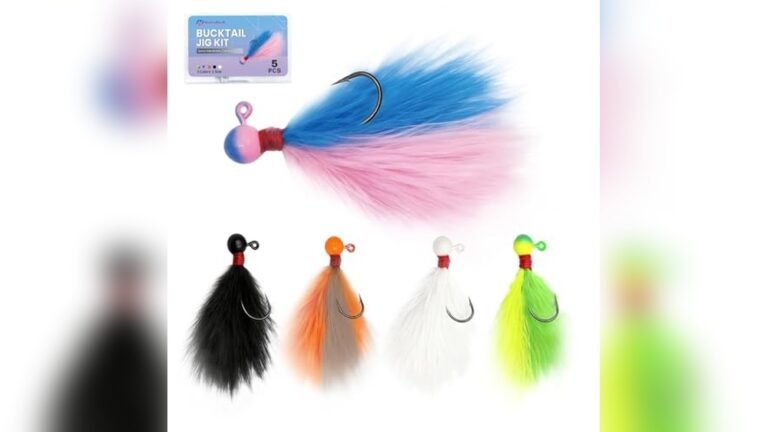
Steelhead respond to a variety of lures and baits. Popular lures include spoons, spinners, and soft plastics. Bright colors like pink, orange, and chartreuse attract attention.
Natural baits like roe, shrimp, and worms also catch steelhead. Drift or float baits near the river bottom. Changing lure speed and depth can trigger strikes.
Techniques For River Steelhead
Fishing for river steelhead requires skill and the right techniques. These fish live in fast, cold rivers. They are strong and cautious, so anglers must be patient and smart. Understanding how to read the river and use different fishing methods can increase your chances of success.
Each technique suits different river conditions. Knowing when and how to use these methods helps you catch more steelhead. Focus on water movement, steelhead behavior, and the best lures or flies to use.
Reading The River
Steelhead often hide in deep pools and behind large rocks. Look for areas where the water slows down. These spots give steelhead a rest from the strong current. Pay attention to the edges of fast water and seams where two currents meet. These zones are prime feeding areas. Watch how the water flows and where it changes speed or direction. This helps you find likely steelhead locations.
Drift Fishing Strategies
Drift fishing uses natural water movement to carry your bait. Cast upstream and let your bait move with the current. Keep your line tight to feel bites quickly. Use bait like roe or artificial eggs that steelhead prefer. Drift fishing works well in pools and runs where steelhead wait for food. Adjust your drift speed to match the current for the best results.
Fly Fishing Tips
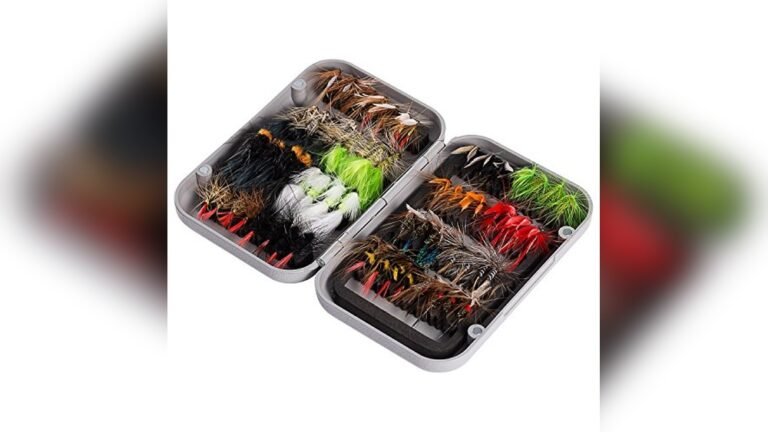
Fly fishing for steelhead needs light, strong rods and smooth casting. Choose flies that look like insects or small fish. Use sinking lines to reach deeper water where steelhead stay. Cast upstream and let the fly drift naturally. Watch your line closely for any twitch or stop. This may mean a steelhead is interested or biting. Keep your hook set gentle but firm.
Using Plugs And Spoons
Plugs and spoons mimic small fish and attract steelhead visually. Use spoons with a slow, steady retrieve to imitate injured fish. Plugs work well with a stop-and-go motion to trigger strikes. Cast across or slightly upstream and retrieve toward you. Change speed and depth until steelhead react. Bright colors help in murky water, while natural shades suit clear water.
Credit: www.lostcoastsportfishing.com
Locating Trophy Steelhead
Finding trophy steelhead in rivers takes patience and skill. These fish choose spots that suit their needs. Knowing where to look can increase your chances of a great catch.
Steelhead prefer certain places in a river. They rest, feed, and hide in areas that offer safety and food. Understanding these locations helps anglers target the best spots.
Holding Spots
Holding spots are areas where steelhead wait before moving upstream. They stay here to rest and regain energy. Look for deep pools with slow currents. These spots offer comfort and protection from strong flows.
Steelhead often gather near river bends or behind large rocks. These places create calm water pockets. Holding spots are key to locating big steelhead during their migration.
Current Breaks And Pools
Current breaks happen where fast water slows down. Steelhead use these breaks to save energy while swimming upstream. Pools form in these areas, offering deep and calm water.
Target pools near current breaks for higher chances of finding steelhead. These pools provide food and shelter. Steelhead stay here longer to feed on insects and smaller fish.
Structure And Cover
Steelhead seek structure and cover for safety. Fallen trees, undercut banks, and submerged rocks create hiding spots. These structures protect fish from predators and strong currents.
Look for places with natural cover along the river edges. Steelhead often rest behind logs or in shaded areas. These spots are excellent for casting and catching trophy steelhead.
Steelhead Behavior
Steelhead trout are fascinating fish with unique behaviors. Their habits adapt to both freshwater and ocean environments. Understanding these behaviors helps anglers and nature lovers appreciate their life cycle.
Steelhead spend part of their lives in rivers and part in the ocean. This dual lifestyle shapes their feeding, spawning, and reactions to weather changes. Each behavior plays a vital role in their survival and reproduction.
Feeding Habits
Steelhead feed on a variety of small creatures. In rivers, they eat insects, larvae, and small fish. In the ocean, their diet shifts to shrimp, squid, and other small marine animals. Their eating pattern changes with seasons and water temperature. They hunt mostly during dawn and dusk, using their keen eyesight.
Spawning Behavior
Steelhead return to freshwater to spawn, often the very stream where they were born. They swim upstream against strong currents to reach spawning grounds. Males develop bright colors and hooked jaws during this time. Females dig nests called redds in gravel beds to lay eggs. After spawning, some steelhead die, but others return to the ocean to spawn again.
Response To Weather Changes
Steelhead react quickly to weather shifts. Heavy rains increase river flow and oxygen levels, which can boost their activity. Cold water slows them down, while warmer water speeds up their metabolism. During storms, steelhead often move to deeper pools for safety. They also adjust their feeding times to avoid harsh conditions.
Conservation And Regulations
River steelhead face many challenges that threaten their numbers. Conservation and regulations play a key role in protecting these fish. These rules help maintain healthy populations and ensure future generations can enjoy steelhead fishing. Following proper guidelines benefits both the fish and anglers alike.
Catch And Release Best Practices
Handle steelhead gently to avoid injury. Use barbless hooks to make releasing easier. Keep the fish in water as much as possible. Avoid touching the gills or squeezing the body. Use a rubberized net to reduce damage. Release the fish quickly to lessen stress. These steps increase the fish’s chance to survive after release.
Season And Bag Limits
Fishing seasons protect steelhead during their spawning period. Follow posted dates to avoid illegal fishing. Bag limits restrict the number of fish caught daily. These limits prevent overfishing and help maintain steady populations. Always check local regulations before fishing. Staying within legal limits supports conservation efforts.
Protecting Steelhead Habitats
Steelhead need clean, cold, and oxygen-rich water. Protect riverbanks from erosion and pollution. Avoid disturbing gravel beds where steelhead lay eggs. Support habitat restoration projects in your area. Limit water withdrawals that lower river flows. Healthy habitats ensure steelhead can spawn and grow successfully. Everyone can help protect these vital environments.
Local Insights
Local insights reveal where river steelhead thrive across the United States. These fish favor cold, fast rivers with clean water. Different regions offer unique chances to catch them. Knowing local spots helps anglers plan trips and improve success.
Steelhead behavior varies by location. Rivers in Texas, the Pacific Northwest, and the Great Lakes host distinct populations. Each area has its own best seasons and fishing styles. Understanding these differences enriches the fishing experience.
Austin, Texas Steelhead Opportunities
Austin sits far from classic steelhead rivers. Still, some stocked streams and reservoirs offer winter steelhead fishing. Local guides know the best places to fish during colder months. Anglers should check regulations and stocking schedules. Texas steelhead fishing is a unique challenge here.
Pacific Northwest Hotspots
The Pacific Northwest is the heart of steelhead country. Rivers in Oregon and Washington provide steady runs from fall to spring. The Columbia River basin offers vast fishing options. Anglers find steelhead in clear, cold streams with rocky bottoms. This region supports both wild and hatchery steelhead.
Great Lakes Steelhead Fishing
The Great Lakes produce some of the best steelhead fishing in the east. Cold tributaries of Lakes Michigan and Superior draw large runs. Fall and spring are prime seasons here. Anglers use spoons, flies, or plugs to catch these strong fish. Great Lakes steelhead often grow bigger than their western cousins.

Credit: idfg.idaho.gov
Common Challenges
River steelhead fishing presents several challenges that anglers must face. These challenges come from changing river conditions and unpredictable weather. Understanding these obstacles helps fishers prepare better and increase their chances of success.
Each challenge requires different strategies and careful observation of the environment. Adaptability is key to catching steelhead in rivers. Below are some common challenges and ways to handle them effectively.
Tackling Rising Rivers
Rising rivers often bring strong currents and murky water. Fish become harder to spot and catch. Anglers need to find safe spots with slower water. Using heavier gear helps control the line in fast flows. Patience is important during these times. Watch the river closely for changes in speed and depth.
Dealing With Low Water Levels
Low water makes steelhead concentrate in deeper pools and holes. These areas become prime fishing spots. Cast your line near underwater structures like rocks and logs. Fish tend to hide in cooler, shaded water. Move quietly to avoid spooking them. Low water also means warmer temperatures, which can affect fish behavior.
Overcoming Weather Obstacles
Weather changes affect steelhead activity and river conditions. Cold rain can cool the water and trigger steelhead runs. Bright sunny days may make fish less active. Wind can create surface noise, making it harder for fish to detect bait. Dress appropriately and stay alert to weather shifts. Adjust your tactics based on current conditions for better results.
Frequently Asked Questions
Is A Steelhead A Salmon Or A Trout?
A steelhead is a migratory rainbow trout. It lives in the ocean but returns to freshwater to spawn.
What Is River Steelhead?
River steelhead are migratory rainbow trout born in freshwater, migrating to the ocean, then returning to rivers to spawn.
Why Is A Steelhead Fish Called A Steelhead?
A steelhead fish gets its name from its silvery, steel-like body and streamlined shape with a round head.
Are Great Lakes Steelhead Actually Steelhead?
Great Lakes steelhead are actually rainbow trout introduced from the Pacific Ocean. They adapt by living in freshwater only.
Conclusion
River steelhead are fascinating fish with unique life cycles. They start in fresh water, travel to the ocean, then return to spawn. Their silver color and strong bodies help them survive tough river currents. Many anglers enjoy fishing for steelhead because of their strength and fight.
Protecting their river habitats ensures steelhead thrive for years to come. Watching these fish swim upstream shows nature’s power and beauty. Steelhead remind us to care for our rivers and the life within.