Catfish Bank Pole: The Complete Angler’s Guide
Every angler loves a story about the one that got away. But for those who chase big catfish, the right tools can turn those stories into impressive catches. The catfish bank pole is a classic and reliable method for catching catfish from the riverbank or shoreline. Whether you’re a beginner or a seasoned fisherman, understanding how to use bank poles can help you land more fish and enjoy a time-honored fishing technique.
This guide covers everything you need to know about catfish bank poles, from how they work to legal concerns, building your own, baiting strategies, and advanced tips. If you want to try a practical, hands-off way to catch catfish, this is for you.
What Is A Catfish Bank Pole?
A catfish bank pole is a long, sturdy rod anchored on the riverbank. It has a fishing line, hook, and bait attached, set in a way that catfish hook themselves when they bite. The pole stays in place, letting you fish multiple spots at once or while you do other activities.
Bank poles are popular because they are simple, effective, and don’t require expensive gear. In many parts of the United States, especially along big rivers like the Mississippi, they’re a tradition passed down for generations.
How Bank Poles Catch Catfish
The main idea is simple: Place your baited line where catfish feed, anchor the pole, and wait. When a catfish bites, the pole acts as both an anchor and a hook-setter. Because the pole is stiff and flexible, it helps drive the hook into the fish’s mouth as it struggles.
Most anglers set several poles in a line along the bank, checking them every few hours. This passive method increases your chances of catching fish and lets you cover more water.
Basic Steps
- Find a good spot: Look for deep holes, undercut banks, or near fallen trees.
- Set up the pole: Drive it firmly into the bank at a slight angle toward the water.
- Attach line and bait: Use strong line and fresh bait.
- Wait and check: Come back every few hours to check for fish.
Types Of Catfish Bank Poles
Not all bank poles are the same. The material, length, and style can affect performance and ease of use. Here’s a look at the most common types.
| Type | Main Material | Typical Length | Best For |
|---|---|---|---|
| Cane Poles | Bamboo | 8-12 feet | Traditional, budget-friendly |
| PVC Poles | PVC Pipe | 6-10 feet | Durability, easy to find |
| Fiberglass/Composite | Fiberglass, Graphite | 8-14 feet | Strength, long-lasting |
Cane Poles
The classic choice. Cane poles are lightweight, cheap, and easy to make. Bamboo is flexible and strong, but it can break down over time.
Pvc Poles
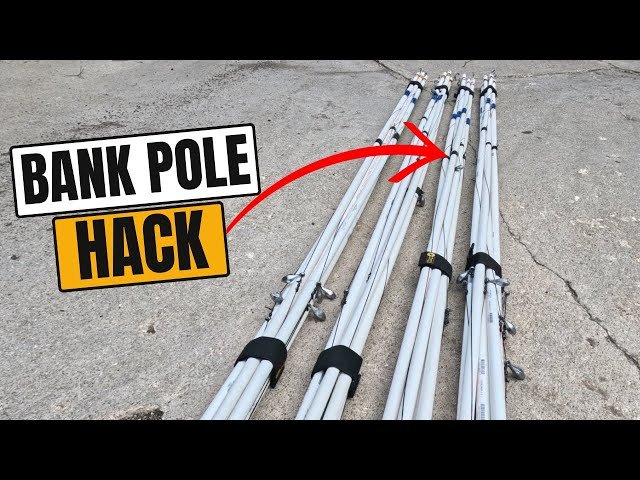
Many modern anglers use PVC bank poles. PVC is tough, doesn’t rot, and is easy to customize. You can buy pipes from any hardware store and cut them to your ideal length.
Fiberglass Or Composite Poles
If you want the best strength and durability, fiberglass or composite poles are a great option. They cost more but last longer and can handle bigger fish.
Building Your Own Catfish Bank Pole
Making your own bank pole is simple and lets you customize it to your needs. Here’s what you need and how to put it together.
Materials Needed
- Pole material (bamboo, PVC, or fiberglass)
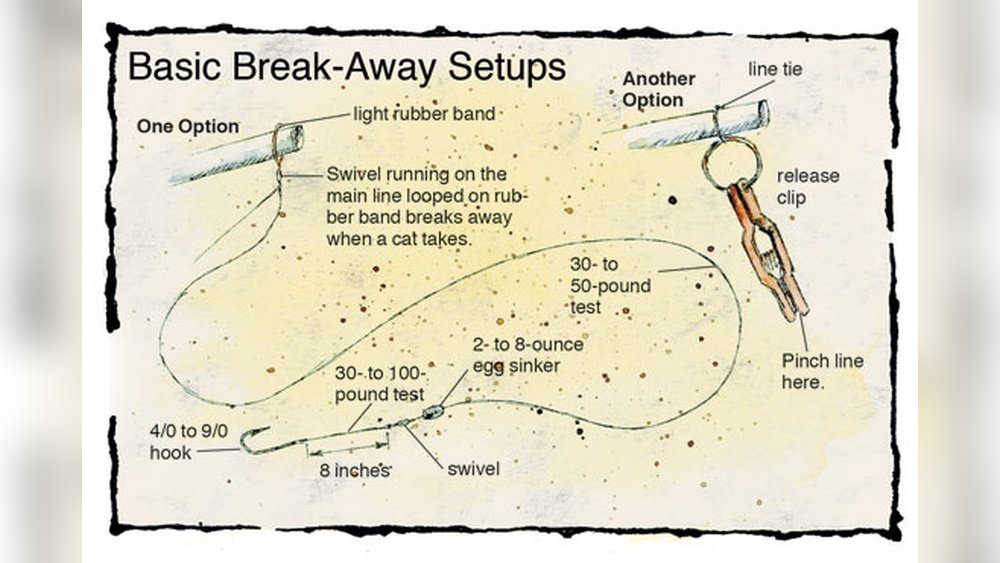
- Heavy-duty fishing line (50-100 lb test is common)
- Strong hooks (circle or kahle style, size 4/0-8/0)
- Swivels (to prevent line twist)
- Weights/sinkers (1-3 oz, depending on current)
- Knife or saw (to cut pole)
- Drill (for PVC/fiberglass)
- Rubber bands or zip ties (to secure line)
Step-by-step Instructions
- Cut the pole: Make it 8 to 12 feet long for most rivers.
- Smooth the ends: Sand or file rough spots to avoid splinters.
- Drill a hole (for PVC/fiberglass): Near the top, for tying line.
- Attach the fishing line: Tie 10–15 feet of line to the tip.
- Add a swivel: Helps prevent line twist.
- Tie on the hook: Use a strong knot (like Palomar).
- Add weights: About 1–2 feet above the hook.
- Secure line to pole: Use rubber bands or zip ties if needed.
- Test the setup: Tug on the line to check strength.
A simple homemade pole can cost under $5, making it one of the most affordable ways to catch big fish.
Where And When To Use Bank Poles
Choosing the right place and time makes a huge difference. Catfish are creatures of habit, and knowing their patterns helps you succeed.
Best Locations
- Undercut banks: Catfish love hiding here during the day.
- Deep holes: Pools with slow current attract big fish.
- Near structure: Fallen trees, rocks, or brush piles.
- River bends: Water moves slower, and catfish feed more.
Best Times
- Evenings and night: Catfish feed most after sunset.
- After rain: Rising water brings food and makes fish more active.
- Spring and fall: Mild water temperatures mean more feeding.
Two Insights Anglers Miss
- Catfish often move shallow at night, so placing a few poles in just 1–3 feet of water can surprise you with a big catch.
- Setting poles in slightly different depths increases your chance of finding where the fish are biting that day.
Rigging And Baiting Strategies
The right rig and bait can make or break your trip. Catfish are not very picky, but some options work much better than others.
Basic Bank Pole Rig
- Main line: 50–100 lb braid or mono
- Leader: Optional, but 12–18 inches of abrasion-resistant line can help
- Hook: Circle or kahle hooks, size depends on fish size
- Weight: Enough to keep bait on bottom (1–3 oz)
Best Baits
- Live bait (bluegill, shad, or sunfish): Very effective for big flathead catfish.
- Cut bait (pieces of fish): Attracts channel and blue catfish.
- Chicken liver: Cheap and easy, but can come off the hook easily.
- Dip/stink baits: Commercial blends that attract catfish with strong scent.
- Nightcrawlers: Good for smaller catfish and easy to find.
Advanced Baiting Tips
- Use a mesh bag or gauze around soft baits like liver to keep them on the hook longer.
- Change bait every 2–4 hours for best results, especially in warm water.
Legal Issues And Regulations
Before you set out, check your local fishing regulations. Not every state allows bank poles or sets the same rules. Some require tags with your name and address, limits on the number of poles, or specific seasons.
For example, in Illinois, anglers can use up to 50 bank poles, but each must have the user’s name and address. In Missouri, the limit is 33 hooks in total for all setline devices, including bank poles.
Fishing without following these rules can lead to heavy fines. Always check your state’s wildlife agency or the official fishing regulations before you start.
Safety And Environmental Tips
Fishing with bank poles is easy, but a few precautions keep you and the environment safe.
- Mark your poles: Use bright tape or flags so boaters see them.
- Check regularly: Don’t leave fish on the hook too long—it’s stressful for them and can attract turtles or birds.
- Remove all gear: Don’t leave poles, lines, or hooks behind.
- Watch for wildlife: Snakes and snapping turtles are common near the water.
Bank pole fishing is low-impact, but being a responsible angler protects fish, wildlife, and your favorite spots for the future.

Credit: www.catfishgetters.com
Comparing Bank Poles To Other Catfish Methods
How do bank poles stack up against other ways to catch catfish? Here’s a quick side-by-side:
| Method | Effort Needed | Catch Rate | Active/Passive | Best For |
|---|---|---|---|---|
| Bank Poles | Low | High | Passive | Multiple fish, big rivers |
| Rod & Reel | Medium | Medium | Active | Sport fishing, moving spots |
| Limb Lines | Low | High | Passive | Flooded timber, slow water |
| Trotlines | High | Very High | Passive | Many fish at once |
Bank poles are perfect for people who want to set and forget, then come back for the excitement of a big fish.
Common Mistakes And How To Avoid Them
Even experienced anglers can make errors with bank poles. Here are some common mistakes:
- Using weak poles: Catfish are strong. Use sturdy material, or a big fish could pull your pole into the river.
- Setting lines too shallow or deep: Don’t guess—test different depths to find fish.
- Neglecting to check poles: Fish can tangle or swallow hooks. Check every few hours.
- Forgetting legal requirements: Not tagging your poles can lead to tickets.
- Not securing the line well: Double-check knots and attachments.
Small details, like knot strength or checking your lines at the right time, can make the difference between a great day and going home empty-handed.
Advanced Tactics For Big Catfish
If you want to target trophy-sized catfish, a few extra steps help.
- Use larger hooks: Size 8/0 or bigger for flatheads.
- Go heavy on line: 80–100 lb test line is not overkill for 50+ lb catfish.
- Try live bait: Big flatheads especially prefer live fish.
- Set poles in current seams: Where slow and fast water meet.
- Space poles apart: At least 20–30 feet to avoid tangles and cover more area.
Some experienced anglers use glow sticks or bells on their poles at night to see bites from a distance.
Real-world Example
In the lower Mississippi River, anglers often set 10–20 bank poles at dusk and check them at midnight and dawn. Using live bluegill for bait, it’s common to catch both eating-size and trophy catfish. One study showed that bank poles outperformed rod-and-reel fishing for numbers of catfish per hour—especially when set in good locations and checked regularly.
Credit: www.youtube.com
Cost And Gear Comparison
Bank pole fishing is one of the most budget-friendly methods. Here’s a look at typical start-up costs versus other options.
| Method | Setup Cost (Average) | Annual Maintenance |
|---|---|---|
| Bank Poles (DIY) | $5–10 per pole | Low |
| Rod & Reel | $50–100 each | Medium |
| Trotline | $30–50 | Medium |
| Limb Lines | $2–5 each | Low |
With a small investment, you can set up enough poles to cover a whole riverbank.
Why Try Catfish Bank Poles?
The charm of bank pole fishing is its simplicity and effectiveness. You don’t need a boat, expensive gear, or fancy electronics. It’s a method you can share with family or friends, passing down skills the same way many have for generations.
Bank poles are perfect for those who want to relax by the water, try something new, or catch more fish with less work. They let you learn about catfish habits and river ecology in a hands-on way. Many anglers say the thrill of checking a bank pole and finding a big, whiskered catfish never gets old.
If you’re ready to try a traditional, proven method, grab a few poles and see what you can catch. You might just find your new favorite way to fish.
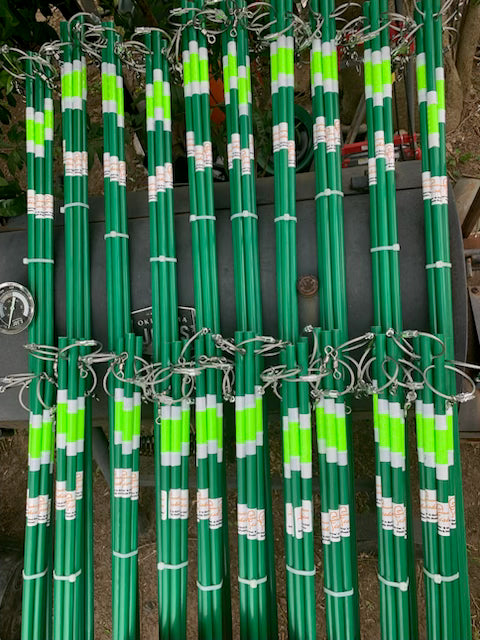
Credit: hookandarrow.fish
Frequently Asked Questions
How Many Bank Poles Can I Use At Once?
The number depends on your state’s laws. Some states allow as few as 2, while others allow up to 50. Always check local regulations before setting out.
What’s The Best Bait For Catfish On Bank Poles?
Live bait like bluegill or shad works best for big flathead catfish. Cut bait and chicken liver are great for channel and blue catfish.
How Often Should I Check My Bank Poles?
Every 2–4 hours is ideal, especially in warm weather. This keeps your bait fresh and reduces stress on any fish you catch.
Can I Use Bank Poles In Lakes Or Just Rivers?
You can use them in both, but they are most effective in rivers with current. In lakes, place them near structure or drop-offs where catfish feed.
Are Catfish Bank Poles Safe For The Fish?
If used properly and checked often, bank poles are safe. Quickly releasing unwanted fish and avoiding long delays helps reduce harm.
For more on fishing regulations and safe practices, visit the official fishing regulations page.
Catfish bank pole fishing is a rewarding, low-cost, and fun way to enjoy the outdoors and bring home a great meal. Give it a try, and you’ll see why so many anglers keep coming back to this classic technique.