Pike In Michigan
Every year, anglers from all over the Midwest travel to Michigan’s lakes, rivers, and streams with one goal: to catch the elusive, powerful pike. Known for their sharp teeth, aggressive strikes, and thrilling fights, pike are one of Michigan’s most iconic freshwater fish. But what makes Michigan such a special place for pike fishing? Let’s dive into the world of pike in Michigan—where to find them, how to catch them, and why they matter to the state’s waters and outdoor culture.
Pike Species In Michigan
When people talk about “pike” in Michigan, they’re usually referring to the northern pike (Esox lucius). This species is native to the state and is found in many inland lakes and larger rivers. While muskellunge (or “muskie”) and chain pickerel are also part of the pike family, the northern pike is by far the most common and widely targeted in Michigan.
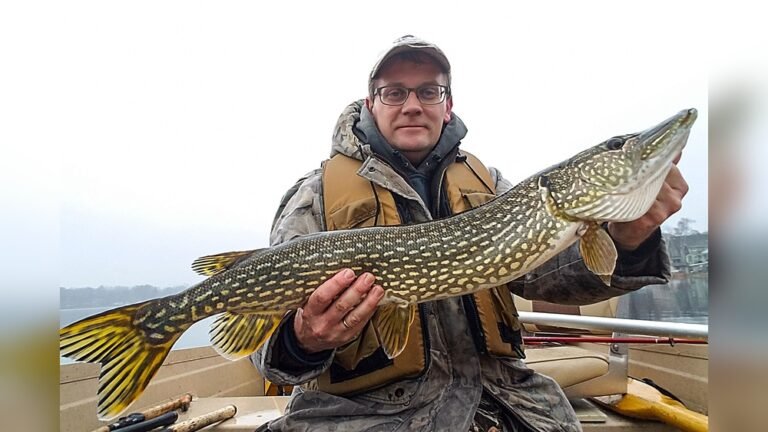
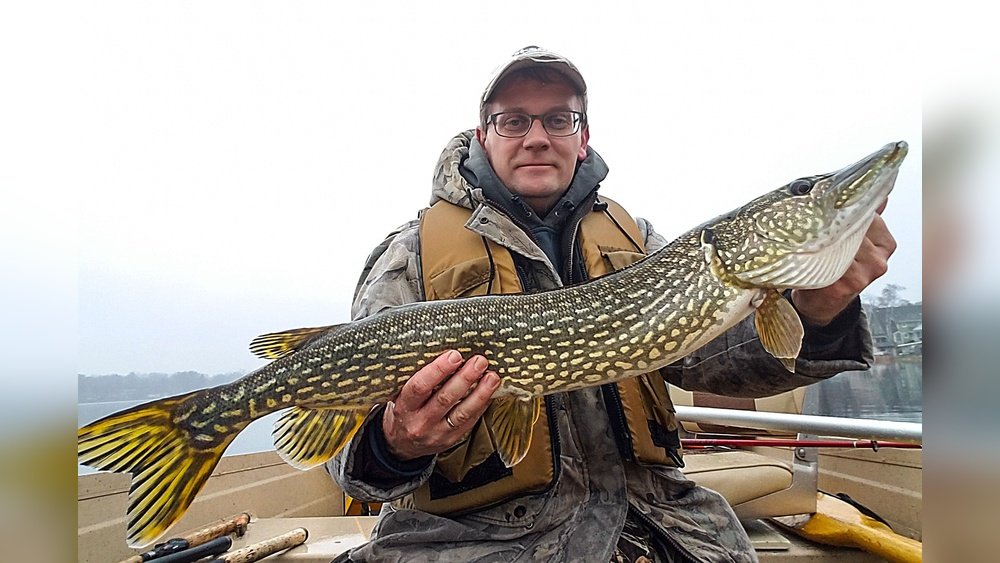
Northern pike can grow quite large—many over 30 inches, and trophy fish can reach over 40 inches. They are known for their slender, torpedo-shaped bodies, olive-green coloring, and rows of sharp teeth. Their predatory nature makes them both exciting to catch and important for the balance of fish populations.
Where To Find Pike In Michigan
Michigan is blessed with thousands of lakes and rivers, many of which provide excellent pike habitat. Here are some of the best places to find pike:
- Lake St. Clair – One of the most famous pike fisheries, offering shallow weed beds and plenty of prey.
- Saginaw Bay – This area of Lake Huron is known for producing big pike, especially in early spring.
- Lake Gogebic – The largest inland lake in the Upper Peninsula, with healthy pike populations.
- Muskegon Lake – Near the city of Muskegon, this lake is a local favorite for both numbers and size.
- Mullet Lake – Clear waters and abundant weed beds make for excellent pike fishing.
- Cheboygan River – A great river option, especially in spring and fall.
- Houghton Lake – Michigan’s largest inland lake is full of shallow areas perfect for pike.
- St. Marys River – Connecting Lake Superior and Lake Huron, this river has a strong pike population.
Pike are most often found in shallow, weedy areas during the spring and fall. In summer, they may move deeper but still stay near vegetation or drop-offs where they can ambush prey.
Pike Fishing Seasons And Regulations
Fishing for pike in Michigan is possible year-round, but regulations vary by location and season. Understanding these rules is crucial—not only to avoid fines but also to help protect the fish population.
Key Regulations
- Open Seasons: In most of the Lower Peninsula, the pike season opens the last Saturday in April and runs through March 15 of the following year. In the Upper Peninsula, pike fishing is open all year.
- Size Limits: The minimum size limit is typically 24 inches, but some waters have special regulations (e.g., 30 inches minimum).
- Bag Limits: The daily possession limit is usually 2 to 5 fish, depending on the area.
- Special Zones: Some lakes have “no-kill” or “catch and release” rules to protect trophy populations.
Always check the latest Michigan Department of Natural Resources (DNR) regulations before fishing, as rules can change from year to year.
Common Mistakes To Avoid
- Ignoring Local Rules: Many anglers assume statewide rules apply everywhere, but some lakes have unique limits.
- Not Measuring Properly: Pike must be measured from the tip of the snout to the end of the tail fin, pinched together.
- Fishing Out of Season: Catching pike out of season can lead to hefty fines and lost fishing privileges.
Best Techniques And Tackle For Pike
Pike are aggressive and will strike a wide range of lures and baits. However, some techniques work better in Michigan waters.
Artificial Lures
- Spinnerbaits: Excellent for covering water quickly and finding active fish.
- Large Spoons: Classic pike lures that mimic injured baitfish.
- Swimbaits: Realistic action can fool even wary pike.
- Topwater Plugs: Exciting strikes, especially in shallow weeds.
Live Bait
- Large minnows and suckers are very effective, especially in cold water or when pike are less active.
- Use a steel or heavy fluorocarbon leader to prevent bite-offs.
Tackle Recommendations
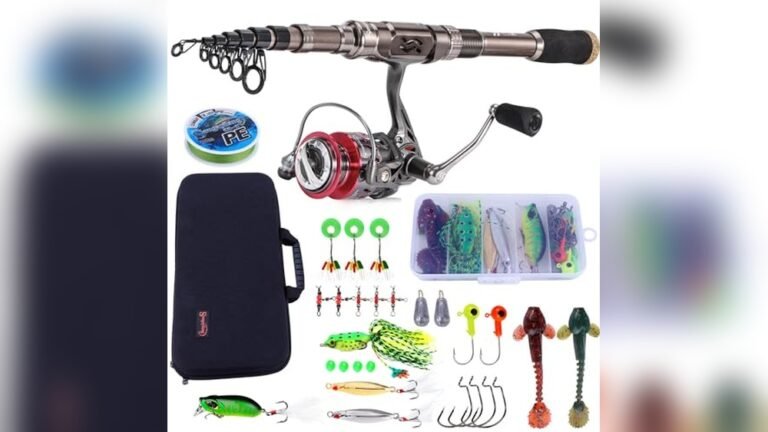
- Rods: Medium-heavy spinning or baitcasting rods, 6.5 to 8 feet.
- Line: 20–40 lb braided or heavy monofilament.
- Leaders: Steel or 50+ lb fluorocarbon to resist sharp teeth.
Practical Tip
Don’t overlook quick-strike rigs for live bait. They allow for fast hooksets, reducing deep hooking and increasing survival if you plan to release the fish.
Pike Fishing Through The Seasons
- Spring: Fish shallow, warming bays and flooded marshes.
- Summer: Look for pike along weed edges and deeper drop-offs.
- Fall: Pike feed heavily before winter—this is trophy season.
- Winter (Ice Fishing): Set tip-ups with live bait near weed beds or drop-offs.
Pike And The Michigan Ecosystem
Pike play an important role in Michigan’s lakes and rivers. As top predators, they help control populations of smaller fish like perch, bluegill, and shad. This balance keeps ecosystems healthy and prevents overpopulation of certain species.
However, pike can also be a challenge for some fisheries. In smaller lakes, too many pike may reduce game fish numbers. That’s why Michigan manages pike populations carefully, using special regulations in certain waters.
Interesting Insight
Many beginners don’t realize how fast pike can grow in fertile Michigan waters. Young pike can reach 20 inches in just two years under the right conditions. This rapid growth is one reason pike are so popular with anglers looking for a “big fish” experience.
Pike Vs. Muskie Vs. Pickerel
While all three fish are related and look similar, there are key differences.
| Species | Average Size in Michigan | Key Features | Main Locations |
|---|---|---|---|
| Northern Pike | 20–30 inches (can exceed 40″) | Light spots on dark body, duckbill snout | Statewide, most lakes/rivers |
| Muskellunge | 30–50 inches | Dark markings on lighter body, pointed tail | Selected large lakes/rivers |
| Chain Pickerel | 12–24 inches | Chain-like pattern, smaller size | Southern Lower Peninsula |
Top Pike Lakes Compared
Michigan has hundreds of lakes with pike, but some stand out for size, numbers, or both. Here’s a quick comparison:
| Lake | Region | Average Pike Size | Best Season |
|---|---|---|---|
| Lake St. Clair | SE Michigan | 25–35 inches | Spring, Fall |
| Houghton Lake | Central MI | 20–30 inches | All year |
| Lake Gogebic | UP | 20–28 inches | Ice Fishing |
| Muskegon Lake | West MI | 22–32 inches | Spring |
Catch And Release Vs. Keeping Pike
Many anglers wonder: should you keep pike for the table, or release them?
Pike are good to eat, but their bones can make cleaning tricky. Some lakes encourage keeping smaller pike to help balance fish populations, while others ask anglers to release big fish to maintain trophy genetics.
When To Release
- Trophy-size fish (over 36 inches)
- In lakes with special regulations
- During spawning season
When To Keep
- Smaller fish (under 28 inches) from lakes with too many pike
- Where allowed by law
- If you plan to eat them soon
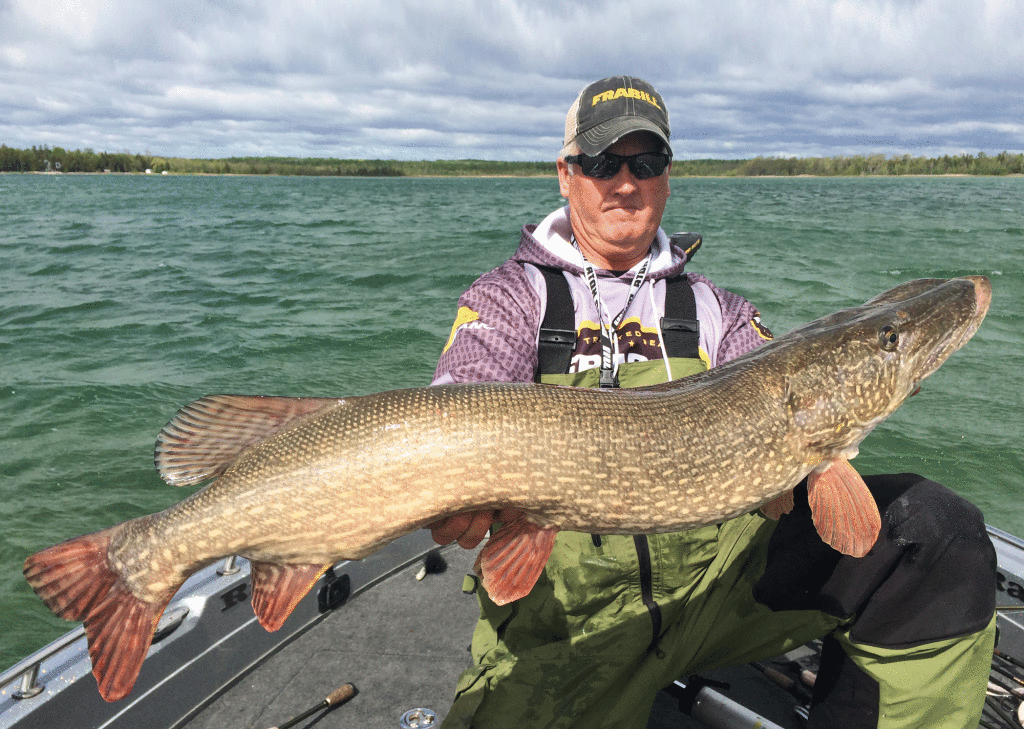
A good practice is to handle pike gently, use rubber nets, and release them quickly if you’re not keeping them.
Non-obvious Tip
Don’t forget that pike slime is very sensitive. Wipe hands with water, not a towel, before handling to protect their natural coating.
Credit: www.in-fisherman.com
Pike Fishing For Beginners
If you’re new to pike fishing, Michigan is a great place to start. Here’s how beginners can boost their success:
- Start with simple lures. Large spinnerbaits or spoons are easy to use and very effective.
- Learn to use leaders. Pike will bite through regular fishing line. Always use a steel or heavy fluorocarbon leader.
- Fish during low light. Early morning and late evening are often the best times for pike, especially in clear lakes.
- Check local reports. Michigan DNR and local bait shops often post current pike hot spots and conditions.
- Practice safe handling. Pike have sharp teeth and gill plates. Use pliers to remove hooks and avoid putting your fingers near their mouth.
Common Beginner Mistake
Many new anglers set the hook too quickly when using live bait. Wait until you feel steady resistance—this gives the pike time to fully take the bait and increases your hookup rate.
Economic And Cultural Importance
Pike fishing is more than just a hobby in Michigan—it’s a big part of the state’s outdoor culture and economy. Every year, thousands of anglers visit Michigan for its world-class pike fishing, spending money on licenses, gear, lodging, and local businesses.
The Michigan DNR estimates that recreational fishing (including for pike) generates over $2 billion in economic activity each year. Pike tournaments, especially in the northern parts of the state, bring communities together and support conservation efforts.

Credit: www.reddit.com
Conservation Efforts And Challenges
Pike populations in Michigan are generally healthy, but there are challenges. Habitat loss, invasive species, and overfishing in certain lakes can impact local pike numbers. The Michigan DNR works with anglers to:
- Restore spawning areas and weed beds
- Monitor populations with netting surveys
- Set special regulations for vulnerable lakes
- Encourage catch and release for large fish
One often-overlooked threat is the illegal transfer of pike between lakes, which can spread diseases or unbalance ecosystems. Always follow rules about moving fish and bait.
Fun Facts About Pike In Michigan
- The state record northern pike weighed 39 pounds and was caught in Dodge Lake, Schoolcraft County, in 1961.
- Pike are known as “water wolves” because of their hunting style.
- A large pike can eat fish up to one-third its own length.
- Ice fishing for pike is a winter tradition across northern Michigan.

Credit: www.michigan.gov
Frequently Asked Questions
How Big Do Pike Get In Michigan?
Northern pike in Michigan commonly reach 20 to 30 inches, but trophy fish can grow over 40 inches and weigh more than 20 pounds. The largest on record was 51.5 inches long.
What Is The Best Bait For Pike In Michigan Lakes?
Large live minnows or suckers are top choices, but spinnerbaits, large spoons, and swimbaits also work very well. Always use a strong leader to prevent break-offs.
Can You Eat Michigan Pike? Are They Good Table Fare?
Yes, pike are edible and have a firm, white flesh. The main challenge is removing the Y-bones when filleting. Some anglers prefer smaller pike for the table because they are easier to clean.
Where Are The Best Pike Fishing Spots In Michigan?
Some of the best spots include Lake St. Clair, Houghton Lake, Lake Gogebic, and Muskegon Lake. Rivers like the Cheboygan and St. Marys are also excellent, especially in spring and fall.
Where Can I Learn More About Michigan Fishing Rules?
The official resource is the Michigan DNR Fishing page, which has current regulations, season dates, and special notices for all Michigan waters.
Pike fishing in Michigan offers excitement, challenge, and the chance to connect with some of the state’s most beautiful waters. Whether you’re a seasoned angler or a curious beginner, there’s always something new to discover about these remarkable fish. Remember to fish responsibly, respect local rules, and enjoy the thrill that only a big Michigan pike can provide.