Jigs For Largemouth Bass
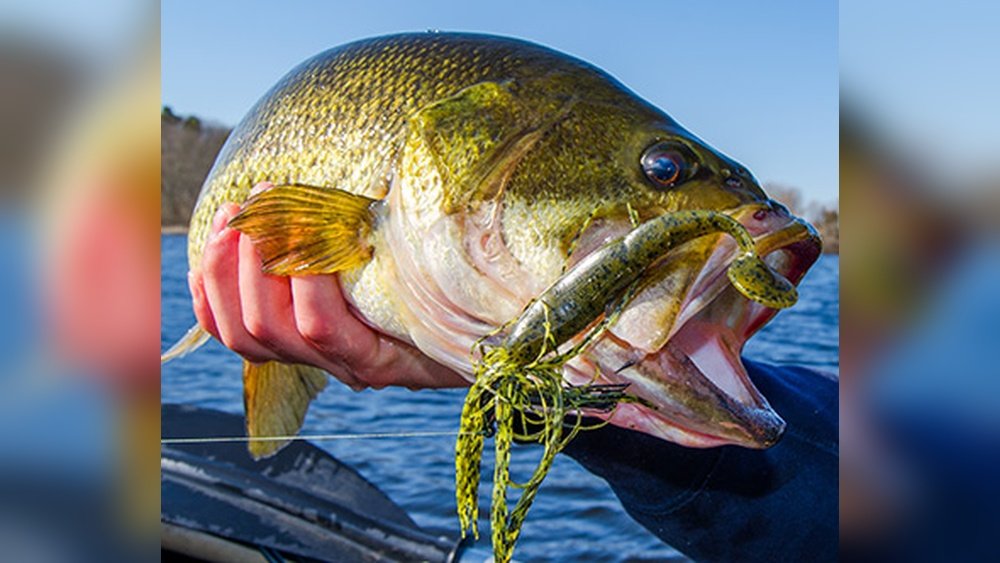
Largemouth bass are famous for their aggressive strikes and thrilling fights, making them one of the most popular freshwater game fish in North America. Anglers everywhere are always searching for the best ways to catch these predators, and one lure stands out above the rest: the jig. Jigs have earned a reputation as must-have tools in every bass angler’s tackle box. But why are jigs so effective, and how do you choose and use the right one for different situations? If you want to improve your bass fishing success, learning about jigs is a smart place to start.
Whether you’re new to fishing or looking to sharpen your skills, this article explains everything you need to know about jigs for largemouth bass. From the types and parts of jigs to choosing colors, trailers, and fishing techniques, you’ll get practical advice and expert insights.
By the end, you’ll understand how to fish jigs with confidence and put more bass in your boat.
Why Jigs Are Effective For Largemouth Bass
Jigs are versatile lures that can mimic many of the foods largemouth bass love to eat, such as crawfish, bluegill, and baitfish. Their unique design allows them to be fished in places other lures cannot go. Because jigs can be worked slowly along the bottom or hopped through heavy cover, they’re perfect for tempting big bass that often hide in thick weeds, rocks, or wood.
Another reason jigs are so effective is their ability to draw reaction strikes. The way a jig falls, sits, and moves can trigger bass even when they aren’t actively feeding. Many big bass are caught on jigs during tough conditions, such as cold water or after a weather change, when other lures stop working.
Main Parts Of A Bass Jig
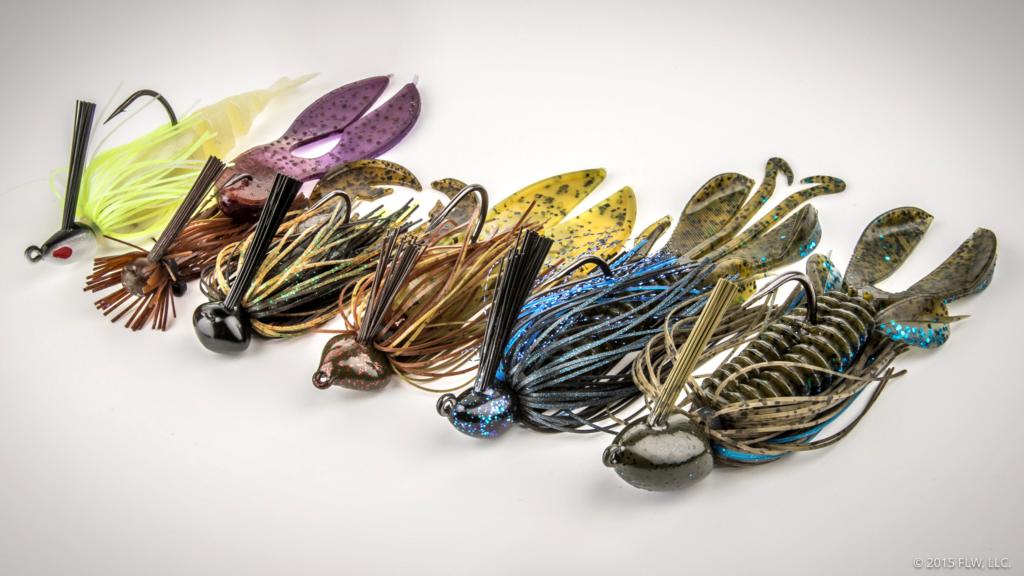
To understand how jigs work, it’s helpful to know their main parts:
- Head: Gives the jig its weight and helps it move through water or cover.
- Hook: Strong and sharp to hold big bass.
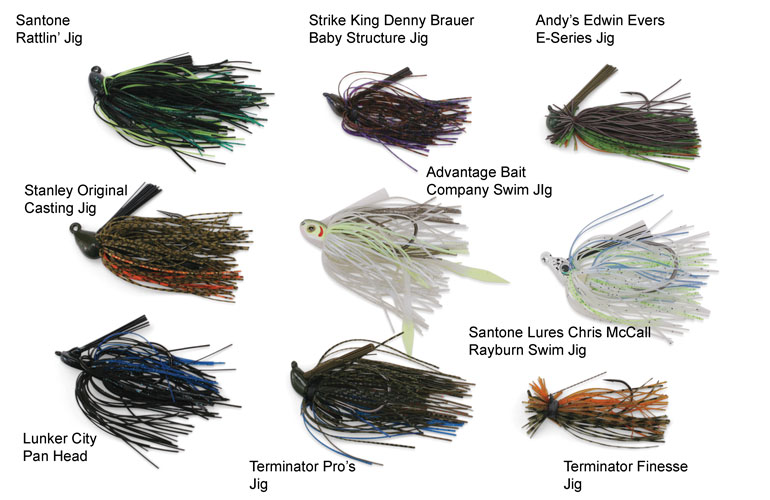
- Weed Guard: A stiff bristle that helps the jig avoid snags.
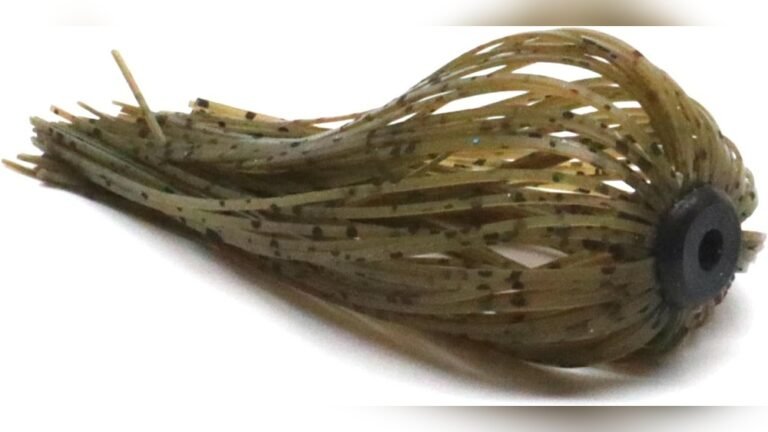
- Skirt: Made of silicone or rubber, it flares and moves in water to attract fish.
- Trailer Keeper: A small collar that holds a soft plastic trailer in place.
Each part can be customized or changed, which is why jigs are so adaptable for different fishing situations.
Credit: majorleaguefishing.com
Common Types Of Jigs For Largemouth Bass
Not all jigs are the same. The type of jig you use affects how it moves and where you should fish it. Here’s a breakdown of the most popular jig types:
| Jig Type | Main Feature | Best Used For |
|---|---|---|
| Arkansas-style (Flipping Jig) | Flat head, heavy hook | Punching thick cover |
| Football Jig | Football-shaped head | Dragging across rocky bottoms |
| Swim Jig | Slim head, lighter weed guard | Swimming through grass or open water |
| Finesse Jig | Small, light, thin skirt | Clear water, tough bites |
| Punch Jig | Compact, heavy | Punching through thick mats |
| Casting Jig | All-purpose head | General use, skipping |
Flipping And Pitching Jigs
These jigs are made for fishing heavy cover like bushes, laydowns, or docks. Their design helps them slip through tight spots without getting stuck. They usually weigh from 3/8 to 1 ounce and have a strong weed guard.
Football Jigs
The unique football-shaped head helps prevent the jig from rolling over on rocks, making it perfect for dragging along the bottom. Use these in deep water with gravel or rocky structure, especially in lakes with clear water.
Swim Jigs
Swim jigs are meant to be moved steadily through the water, imitating a swimming baitfish. Their lighter weed guard and streamlined head let them move easily through grass, making them a top choice in spring and summer.
Finesse Jigs
Finesse jigs are smaller, with thin skirts and lighter hooks. They’re best when bass are picky, the water is clear, or fishing pressure is high. Pair them with a small trailer for a subtle presentation.
Punch Jigs
When bass hide under thick mats of vegetation, punch jigs are the answer. Their compact, heavy design (often 3/4 ounce or more) allows them to break through the cover and reach fish that other lures cannot.
Casting Jigs
Casting jigs are all-purpose, designed for skipping under docks, casting around rocks, or fishing along shorelines. If you only buy one style, this is a safe choice.
How To Choose Jig Size And Weight
Picking the right jig weight is important for both the depth you fish and the conditions. Here are some general guidelines:
- 1/4 to 3/8 ounce: Shallow water (1–8 feet), slow fall, finesse situations.
- 1/2 to 3/4 ounce: Medium depths (8–20 feet), moderate cover, standard use.
- 1 ounce or more: Deep water, thick vegetation, fast presentations.
Lighter jigs fall slowly and are less likely to spook bass in clear or shallow water. Heavier jigs reach the bottom quickly and are less affected by wind or current.
Credit: onthewater.com
Jig Colors: What Works And Why
Color matters when fishing jigs, but it’s less about matching the hatch and more about visibility and confidence. Here’s how to pick colors:
- Green pumpkin, brown, or black/blue: These are proven colors for bass and imitate crawfish or bluegill.
- White or shad colors: Good for swim jigs when bass are eating baitfish.
- Bright colors (chartreuse, orange): Use in stained water or low light for better visibility.
A simple approach is to use natural colors in clear water and darker or brighter colors in stained or muddy water. Don’t overcomplicate it—many pros stick to just a few main colors year-round.
Choosing The Right Trailer
A trailer is a soft plastic bait added to the hook to give the jig more action, bulk, and realism. The right trailer can make a big difference in how your jig looks and moves.
Popular trailer types include:
- Craw-style trailers: Mimic crawfish, add flapping action.
- Chunk trailers: Short and bulky, create a subtle kick.
- Swimbait trailers: For swim jigs, offer lifelike swimming motion.
- Double-tail grubs: Provide extra vibration and movement.
Matching your trailer to the jig and fishing style is important. For example, use a high-action trailer in warm water when bass are active, and a chunk or subtle trailer in cold water for a slower fall.
Jig Fishing Techniques: How To Work Your Jig
Fishing a jig well takes practice, but these methods cover most situations:
- Dragging: Cast out, let your jig sink to the bottom, and slowly drag it back by moving your rod tip. This works well with football jigs on rocky bottoms.
- Hopping: Lift your rod tip to make the jig jump off the bottom, then let it fall. The sudden movement often triggers bites.
- Swimming: Steadily reel your jig through the water, keeping it just above weeds or structure. This is best with swim jigs and trailers.
- Flipping and pitching: Get your jig into heavy cover by swinging or flipping it close to targets. Let it fall naturally, as many strikes come on the initial drop.
- Skipping: Cast under docks or overhanging trees by skipping your jig like a flat rock. Casting jigs with flat heads work best for this.
Remember, most bass bite the jig on the fall or when it first moves, so watch your line closely. If you see it twitch or stop, set the hook quickly.
When To Use Jigs For Largemouth Bass
Jigs are effective all year, but some times are especially good:
- Spring: Bass move shallow to spawn; use jigs near cover and beds.
- Summer: Bass hide in shade or deep water; flip jigs into heavy cover or swim them along weed edges.
- Fall: Bass feed aggressively; use football jigs on rocky points or swim jigs along banks.
- Winter: Slow down with finesse jigs in deep, cold water.
Jigs shine when fishing pressure is high or conditions are tough. They’re also a top choice for catching the biggest bass in a lake.
Essential Jig Gear: Rods, Reels, And Line
Having the right gear helps you fish jigs better and land more big bass.
Rods
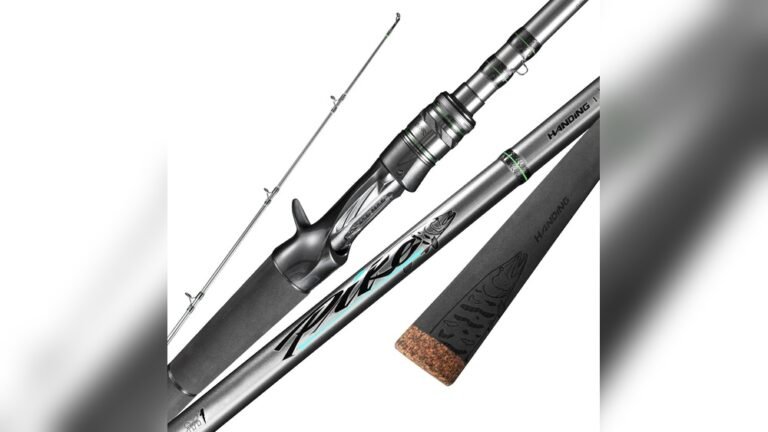
A medium-heavy or heavy power rod with a fast action is best. The extra strength helps set the hook through thick weeds and heavy jig heads. For flipping and pitching, use a rod 7 feet or longer for better control.
Reels
A baitcasting reel with a high gear ratio (7:1 or higher) lets you quickly pick up slack and control big fish. For finesse jigs, spinning reels are also popular.
Line
- Fluorocarbon (15–20 lb): Low visibility, good sensitivity, works for most jig fishing.
- Braided line (30–50 lb): Best for heavy cover, zero stretch, strong hooksets.
- Monofilament: Less common for jigs, but can be used in open water.
Tie your jig with a strong knot like the Palomar or improved clinch to avoid losing big fish.
Jig Fishing Mistakes To Avoid
Even experienced anglers make mistakes with jigs. Here are some to avoid:
- Fishing too fast: Jigs often work best with slow, careful movements.
- Using the wrong trailer: Match trailer action to water temperature and bass mood.
- Not checking your line: After every fish or snag, inspect your line for damage.
- Ignoring the fall: Most bites happen as the jig falls. Always watch your line.
- Sticking to one color: If you’re not getting bites, change colors or jig style.
One non-obvious tip: sometimes a smaller jig catches bigger bass, especially in pressured waters. Downsizing can be the secret to getting bites when other anglers struggle.
Credit: www.in-fisherman.com
Comparing Jigs To Other Lures
How do jigs stack up against other popular bass lures? Here’s a quick comparison:
| Lure Type | Best For | Weakness |
|---|---|---|
| Jig | Heavy cover, big bass, slow presentations | Requires skill, can snag |
| Spinnerbait | Covering water fast, stained water | Not good for thick weeds |
| Crankbait | Imitating baitfish, open water | Snags in cover |
| Texas-rigged plastic | Versatile, weedless | Less action than a jig |
Jigs may not be the easiest lure to start with, but their ability to catch trophy bass makes them worth learning.
Advanced Jig Tips: What Experienced Anglers Know
- Trim the skirt: Shortening the skirt by a half-inch can make the jig look more natural and improve hookup rates, especially in clear water.
- Rattle or no rattle? : Some jigs have built-in rattles that make noise. Use rattles in dirty water or low-light conditions, but go silent in clear water.
- Feel for bottom changes: Jigs let you “read” the bottom. When you feel your jig hit rocks, wood, or a soft spot, pause—it’s often where bass wait.
Many top pros keep their jig fishing simple but pay close attention to details like line, trailer size, and how their jig moves. Small adjustments can mean the difference between a slow day and a personal best.
Where To Learn More
If you want to dive deeper into bass fishing with jigs, the Bassmaster website offers expert tips and tournament strategies: Bassmaster.
Frequently Asked Questions
What Is The Best Jig Color For Largemouth Bass?
The best color often depends on water clarity. Green pumpkin and black/blue work in most situations. Use natural colors in clear water and darker or brighter colors in stained water.
What Size Jig Should I Use For Bass?
For most situations, a 1/2 ounce jig is a good all-around choice. Go lighter (1/4 to 3/8 ounce) for shallow water and finesse, or heavier (3/4 to 1 ounce) for deep water or heavy cover.
How Do I Know When A Bass Bites My Jig?
Watch your line closely. If you see it jump, twitch, or stop suddenly as the jig falls, set the hook. Most bites happen as the jig falls or after it lands on the bottom.
What Trailer Should I Use With My Jig?
For crawling along the bottom, use a craw-style trailer. For swimming jigs, use a swimbait trailer. Match the action to how active the bass are—more action in warm water, less in cold.
Are Jigs Good For Catching Big Bass?
Yes. Jigs are famous for catching trophy largemouth bass. Their ability to get into heavy cover and trigger reaction strikes makes them a top choice for big fish.
Fishing with jigs might seem tricky at first, but with practice, they can become your secret weapon for catching more and bigger largemouth bass. Focus on learning the basics, pay attention to details, and soon you’ll see why so many top anglers rely on jigs year-round.