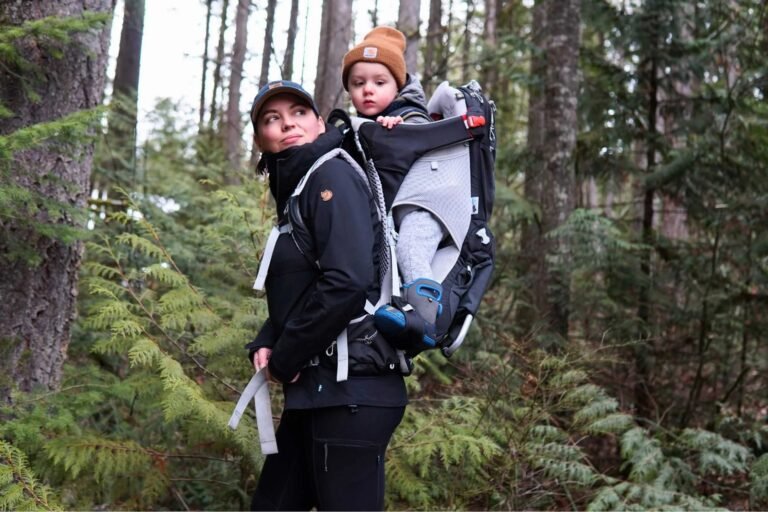
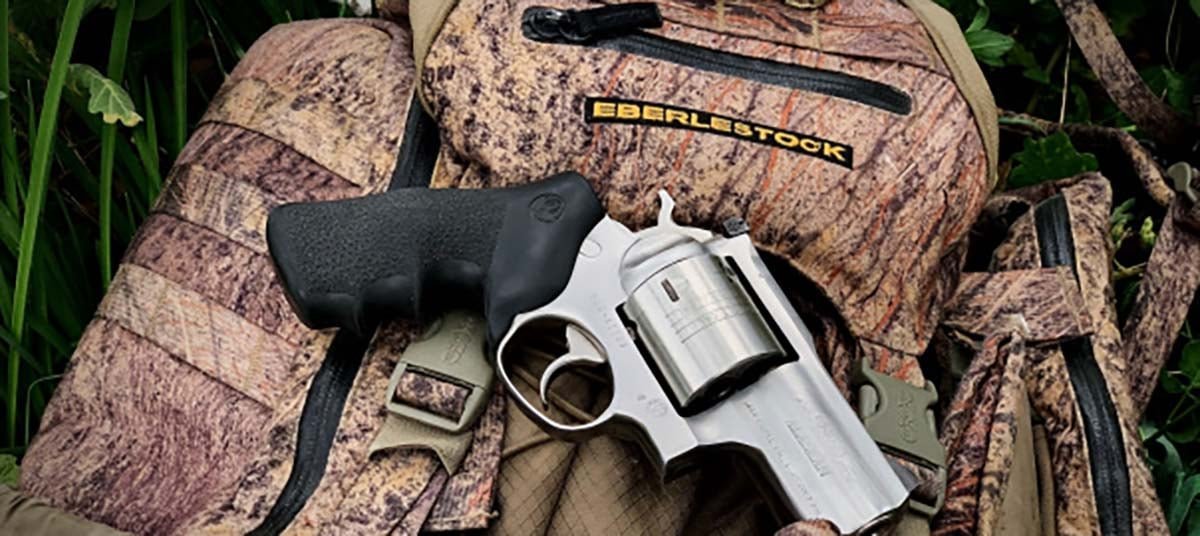
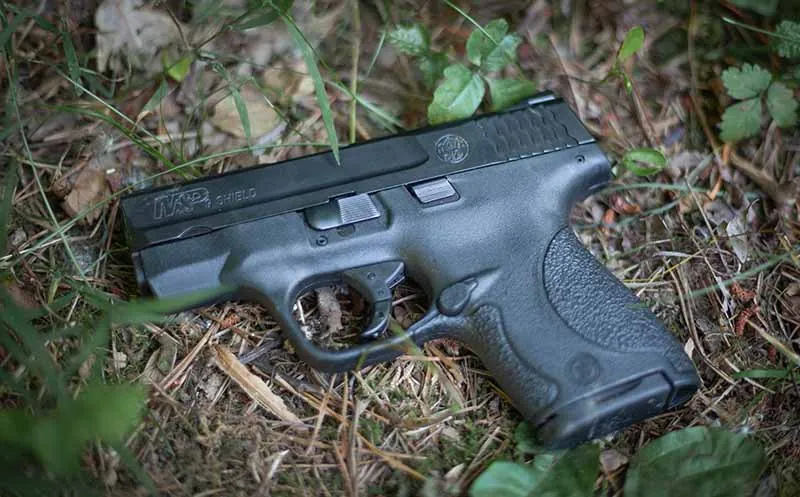
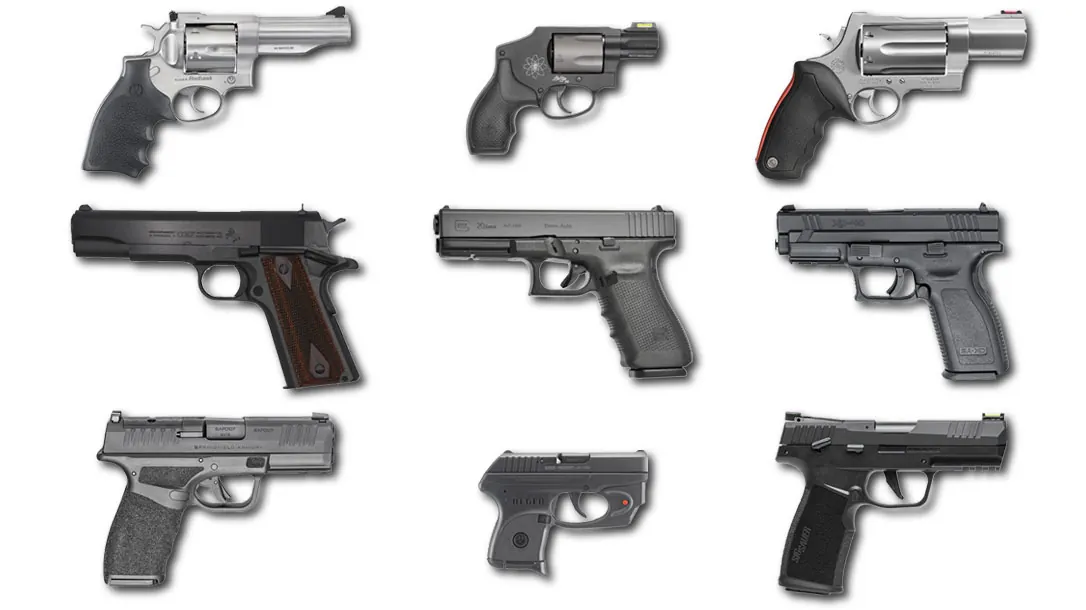
For most hikers, the best handgun for hiking is a compact 9mm pistol from a major maker — a Glock 19, Smith & Wesson M&P 2.0 Compact, or SIG Sauer P365 class gun — because it balances enough power for large animals with a weight you’ll actually carry all day. If you’re in grizzly country, a 10mm with a full-power load is the better choice.
Choosing a handgun to carry while hiking
Every method of carrying a handgun on the trail trades weight against readiness. The table below puts the common choices side by side so you can see what each one costs you in comfort and speed.
| Method | How long to reach | Effort to carry | Cost | Best for |
|---|---|---|---|---|
| Chest holster | 1–2 seconds | Low | Medium | All-day hiking in bear country |
| Strong-side hip holster | 1–2 seconds | Medium | Low | Short day hikes, open terrain |
| Pack carry (inside a holster pocket) | 5–10 seconds | Low | Low | Hikers who rarely want the gun out |
| Revolver in 357 Magnum | 1–2 seconds | Medium | Medium | Simplicity and heavy loads |
No single method wins everything. A chest holster is fastest and most comfortable under a pack, but it costs more and looks conspicuous at trailheads. Pack carry is light on the body, but the gun is useless if a surprise happens at close range and your pack is off your back.
Carrying a 9mm compact pistol
A compact 9mm is the default choice because it’s light, ammo is cheap to practice with, and follow-up shots are fast. Modern 9mm loads from major makers penetrate deep enough for black bear defense, according to ammunition testing by independent writers such as Lucky Gunner — though no handgun cartridge is a guaranteed stop against a bear.
- Pick a compact 9mm with a 3.5–4.5 inch barrel and a capacity of 10 or more rounds.
- Carry it in a holster that covers the trigger guard completely — kydex or leather, never a soft nylon pouch that collapses.
- Load with full metal jacket or heavy bonded hollow points; for bears, penetration matters more than expansion.
- Practice drawing from whatever position you’ll hike in, at least 50 rounds per range session.
- Check your state’s carry laws before you go — some require a permit even while hiking.
The 9mm’s weakness is honest: against a large brown bear, it’s underpowered. It works for black bear, mountain lions, and two-legged threats, but not for the biggest animals on the continent.
Carrying a 10mm for bear country
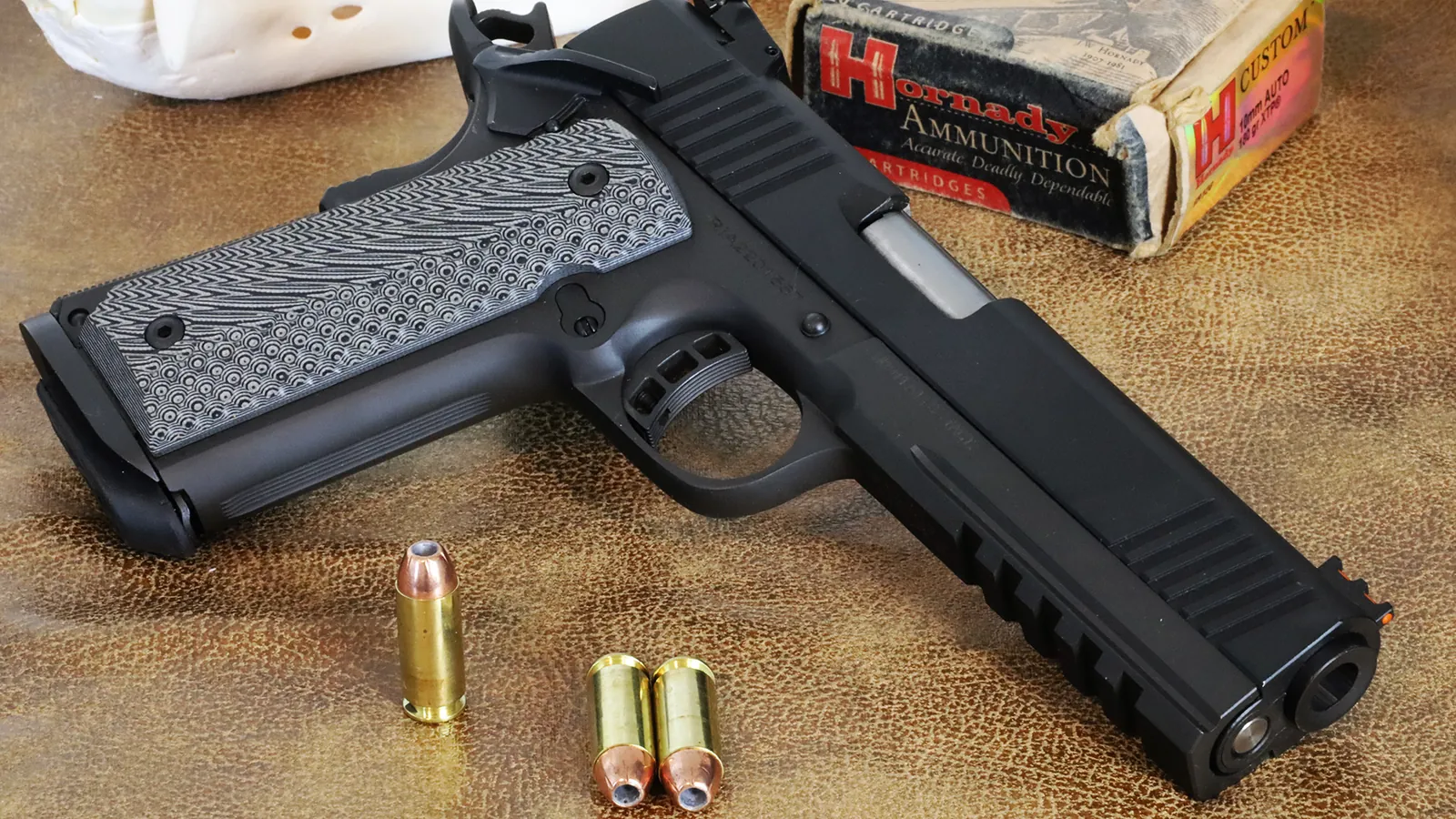
A 10mm pistol is what many guides recommend where grizzlies live, because it pushes a heavier bullet much faster than a 9mm. The trade is real: more weight, more recoil, and ammo that costs roughly twice as much per box.
- Choose a 10mm with at least a 4 inch barrel — the Glock 20 or an SIG P220 in 10mm are common picks.
- Buy hard-cast, heavy-bullet loads (200–220 grain) made for bear defense, not light target loads.
- Carry in a chest holster so the gun stays reachable when your pack straps are buckled.
- Shoot at least 100 rounds of your actual carry load before trusting it — the recoil is sharp and you need to know you can place shots under stress.
The 10mm’s weakness is cost and shooting comfort. If you flinch from full-power loads and never practice with them, a lighter gun you shoot well beats a heavy gun you don’t. If the recoil is too much, a 357 Magnum revolver with hard-cast loads is the traditional fallback.
Pack carry and why it usually fails
Storing the handgun inside your pack is the lightest option, and for some hikers it’s the only comfortable one. It works only if you accept that the gun is for getting back to your pack, not for the moment you meet something.
- Use a dedicated holster pocket or a zippered holster sleeve — never loose in a pocket with gear.
- Keep it on one side, trigger guard covered, so you can reach it without unpacking.
- Practice getting the pack off one shoulder and drawing, because that’s the real sequence.
The honest weakness: at the ranges where an animal encounter actually happens — often under 10 yards — a gun inside a pack might as well be at home. If you carry this way, know that you’re carrying insurance for the walk back, not defense at the moment of contact.
Which carry method fits your hike
The trade-off running through all of this is weight against readiness — every ounce you don’t carry is a second you spend reaching.
- In a hurry or on a short day hike: strong-side hip carry of a compact 9mm. It’s the cheapest setup, it’s fast, and you won’t be out long enough for the weight to matter.
- First time carrying on trail: chest holster with the 9mm you already shoot well. A chest rig keeps the gun in the same place whether your pack is on or off, and it’s the most forgiving position to learn.
- Best possible protection, whatever it takes: a 10mm with hard-cast loads in a chest holster, plus the practice rounds to back it up. It’s the heaviest and most expensive path, and it’s the one guides in grizzly country actually recommend.
Rules that apply to every trail carry
Whatever you carry, four things don’t change. First, the law: firearms rules differ by state, and national parks allow firearms under federal law wherever the state you’re standing in allows them — check the NPS firearm regulations page before your trip, because some states restrict carry and federal buildings in parks remain off-limits.
Prepare before you leave: confirm your carry permit is valid where you’re hiking, and tell someone your route. Partway through the day, check that the holster hasn’t shifted and the gun is still fully seated — a gun that’s worked loose on a scramble is a lost gun. At the end of the hike, unload and store the gun properly the moment you’re home; a trail gun left loaded in a truck console is how accidents happen.
If any part of carrying legally is unclear — permits across state lines, park boundaries, private land rules — that’s a question for your state’s wildlife agency or an attorney, not a guess.
Related guides
- Best Time To Go To Dolomites For Hiking
- 5 Best Day Hiking Backpack for Petite Female
- Best Time Of Year For Hiking In San Francisco
Frequently asked questions
What caliber is best for hiking protection?
For most hikers, 9mm is the best balance of power and practice cost. In grizzly country, 10mm with heavy hard-cast bullets is the standard recommendation. The caliber that matters is the one you can shoot accurately under stress, so a 9mm you practice with beats a 10mm you don’t.
How many rounds should I carry hiking?
Carry at least one full magazine plus one spare — for a typical compact 9mm with 15-round magazines, that’s 30 rounds. Against an animal, shot placement matters far more than round count, but a spare magazine covers malfunctions, which are more common than animal encounters.
Is it safe to carry a handgun while hiking?
Yes, if the gun stays in a holster that covers the trigger guard and you follow the four safety rules. The most common trail accident isn’t an animal — it’s a gun carried loose in a pocket or pack, where something can press the trigger. A rigid holster removes that risk almost entirely.
Can I carry a gun in a national park?
Yes, under federal law you may carry in national parks if you’re legal to carry in that state — but you can’t carry inside federal buildings, and some states restrict it further. Check the specific park’s page and your state’s carry laws before you go, because rules change.
What happens if I encounter a bear at close range?
Stand your ground, speak in a low, firm voice, and back away slowly — don’t run. Have bear spray in your hand, not in your pack; it’s the tool wildlife agencies recommend first for bear encounters. The handgun is the last resort if the encounter turns physical, not the first move.
Is bear spray better than a gun for hiking?
For bear encounters specifically, yes — wildlife agencies including the U.S. Fish and Wildlife Service recommend bear spray as the first line of defense, because it stops a charge at close range without requiring precise shots. Carry both if the law allows; the spray handles the likely case, the gun the unlikely one.
Conclusion
The right setup is the one that matches the trail you’re actually walking. Pick the gun and carry method for your terrain, verify the laws on your route, and put enough practice rounds through it that drawing isn’t a surprise to your hands.