The best Greek island for hiking is Crete if you want dramatic, long gorge walks, but Andros is the best all-round choice for waymarked trails close to beaches and villages. Crete has the scale and the famous walks; Andros has the best signposted network in the Cyclades, and you can reach a trailhead from the main port in under 20 minutes.
Greek islands for hiking compared
Each island below suits a different kind of walker, so the table puts them side by side. All of them have marked trails; the difference is terrain, how hard it’s to reach the starts, and how much shade you’ll find.
| Island | Best for | A walk you’d recognise |
|---|---|---|
| Crete | Long gorge hikes | Samaria Gorge, about 13 km |
| Andros | Waymarked coastal trails | The footpath from Chora to Achla beach |
| Naxos | Mountain villages and old routes | The climb towards Mount Zas |
| Amorgos | Steep island crossings | The walk from Chora to the Hozoviotissa monastery |
| Sifnos | Short village-to-village loops | The trail from Apollonia to Kastro |
| Tinos | Dovecotes and marble villages | The route around Volax and its boulder fields |
| Karpathos | Remote, quiet walking | The coast path near Olympos |
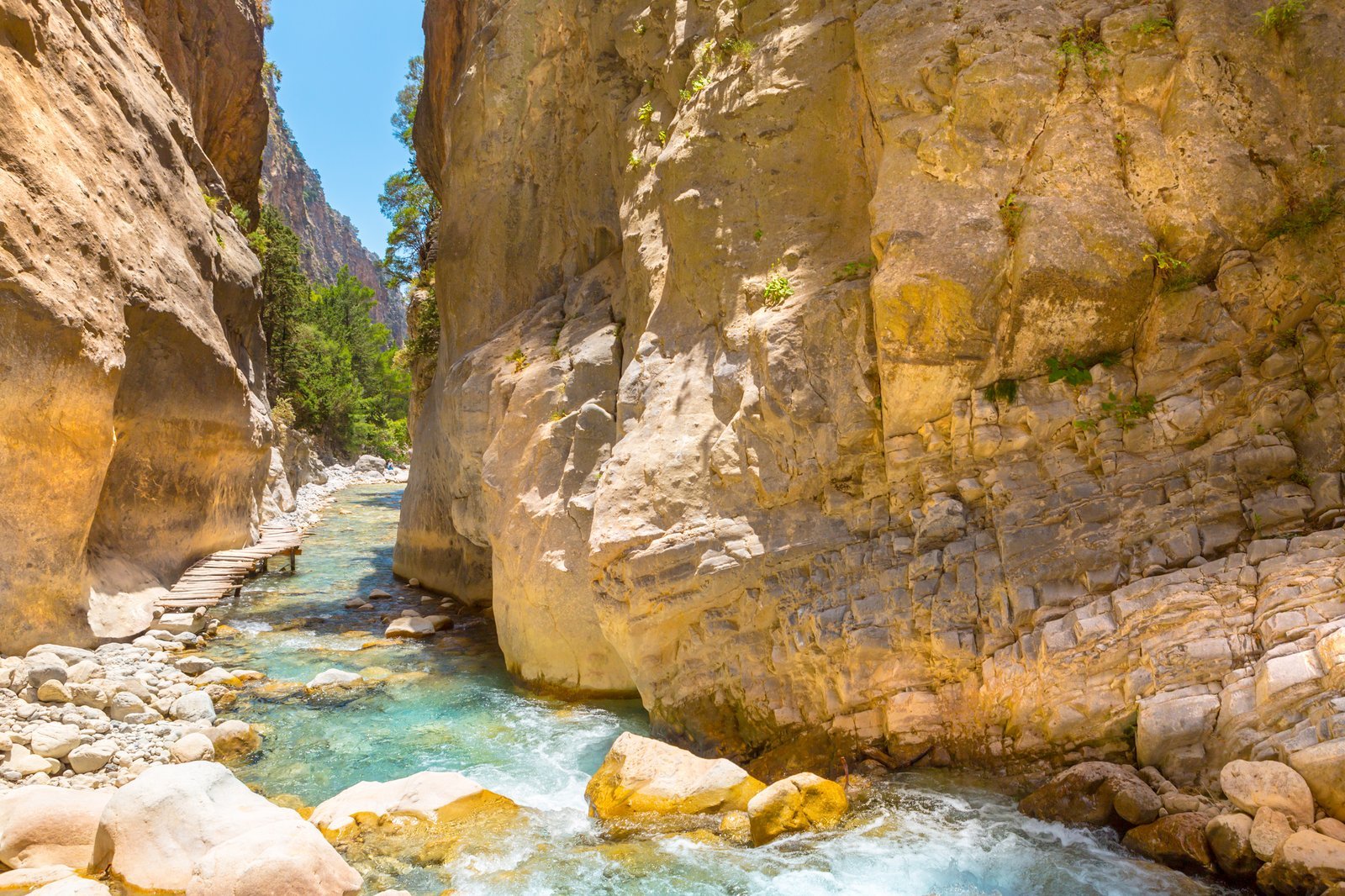
Samaria Gorge in Crete
Crete suits walkers who want one big, memorable day rather than a network of short loops. The island is Greece’s largest, so it holds real mountains — the White Mountains rise above 2,400 m — and gorges you can walk through rather than just look at.
- Samaria Gorge: a one-way descent of roughly 13 km through a national park, ending at the sea at Agia Roumeli
- Imbros Gorge: a shorter, easier alternative of about 8 km when you don’t want the full descent
- The E4 long-distance path crosses the island, so you can stitch several days together
- Spring brings wildflowers and running water; the gorges are dry and hot by midsummer
A typical Samaria day: you take the early ferry from Chora Sfakion, start walking around 07:00 before the heat builds, and reach the sea about 5–6 hours later. The ferry then carries you back along the coast.
Andros
Andros does something Crete doesn’t: a single, numbered footpath network, maintained and marked by the Andros Research Centre, that covers the whole island. If you like looking at a map, picking a route, and following signs without negotiating unmarked paths, this is your island. It suits independent walkers who want to hike throughout a trip without a car transfer each morning.
- Numbered, signposted routes across the island, most between 2 and 12 km
- Old stone footpaths that once connected villages, so gradients are sensible
- Trails run to beaches, river mouths and watermills, so you can swim at the end
- Chora, Batsi and Gavrio all put you within reach of several routes
A real example: route 2a from Chora towards Achla beach is around 5 km one way. You walk down through terraced land, reach a beach with no road access, and arrange a water taxi back — or walk back the way you came.
Naxos
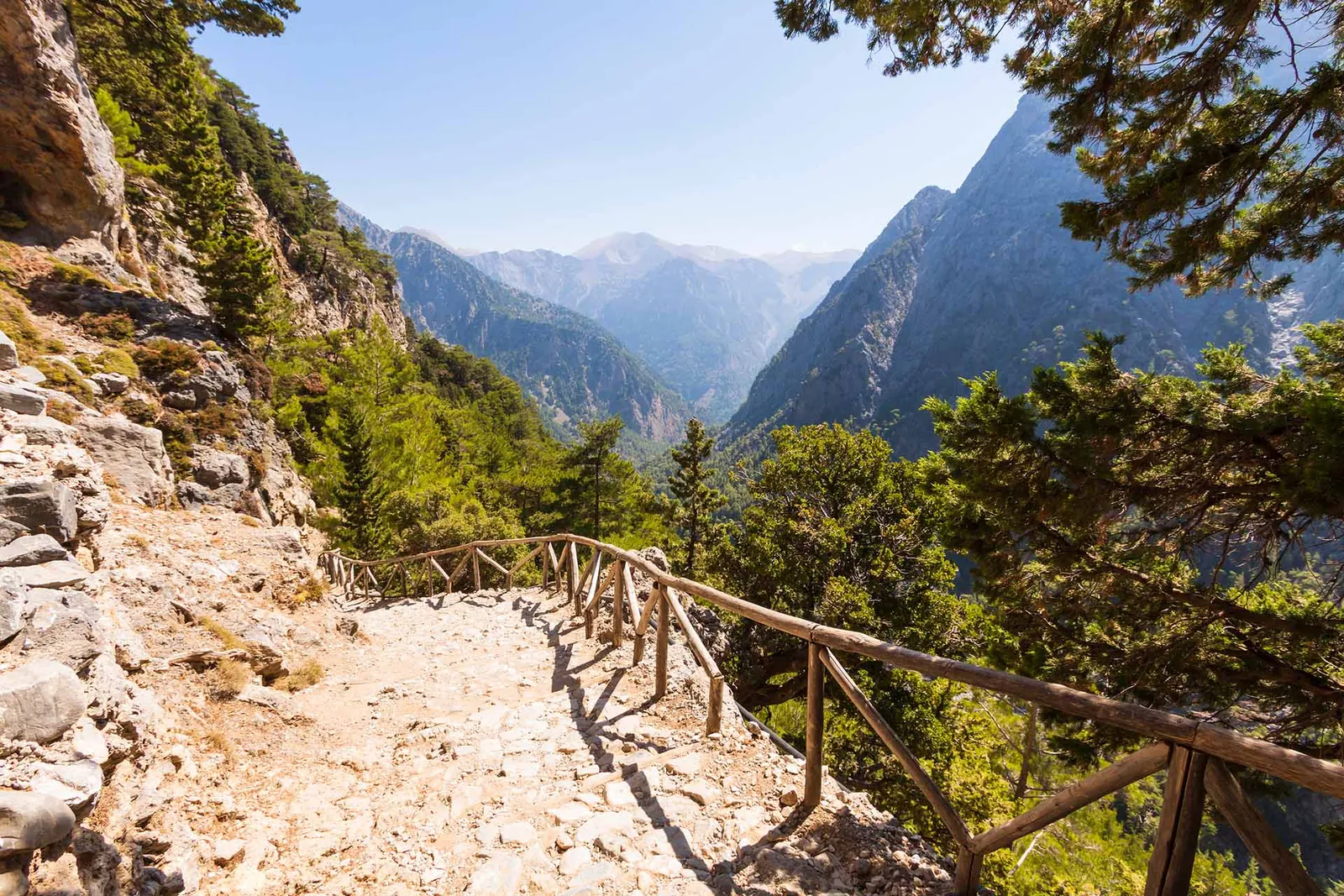
Naxos is the island for walkers who want mountains and villages in the same day. It’s greener and higher than most of the Cyclades, with Mount Zas at about 1,000 m, and its old paths still link mountain settlements like Filoti, Apiranthos and Chalki.
- The ascent of Mount Zas, roughly a half-day return from near Filoti, on a marked path
- Village-to-village walks on old paved trails, easy to shorten or extend
- A Portara sunset walk at Naxos town for a rest day
- Buses from Chora reach most trailheads, so you don’t need a car
A concrete day: take the morning bus to Filoti, walk the marked trail up Zas — about 2 hours up at an easy pace — and descend to Apiranthos for lunch, then bus back.
Amorgos
Amorgos is a long, narrow island where walking is still how you get between places, but the terrain is steep, exposed, and hot in summer. It suits fit walkers who want quiet paths and don’t mind climbs.
- The walk from Chora up to the Hozoviotissa monastery, built into the cliff above the sea
- Old paths linking Chora, Katapola and Aegiali, the island’s three main settlements
- The Aegiali area gives access to quieter routes towards Tholaria
- Almost no traffic noise; you walk between donkey paths and the sea
A real example: the path from Chora to the monastery is short — under an hour — but go before 09:00; the monastery offers loukoumi and cold water, and the views down are the reward.
Sifnos, Tinos and Karpathos
The islands above aren’t the whole story — three more are worth a line each, depending on what you want from a trip.
- Sifnos — A dense network of signposted routes between whitewashed villages, most under 10 km. Choose it if you want easy logistics, good food, and walks you can start from where you’re staying.
- Tinos — Marked trails past marble villages and dovecotes, with almost no other walkers. Choose it if you’ve already done the famous islands and want quiet.
- Karpathos — Rugged and remote, with long unshaded stretches between villages. Choose it only if you’re comfortable navigating and carrying all your own water.
How to choose your island
Three things about you settle this, and they’re worth checking before you book anything. First, how much walking you already do: if a 5 km uphill walk sounds normal, Crete, Amorgos and Karpathos are open to you; if not, Andros or Sifnos will give you better days with less strain.
Second, how much planning you want: Andros and Sifnos have numbered routes you can decide on the morning itself, while Crete’s big walks need ferry times and early starts worked out in advance. Third, when you’re going: in July or August, pick an island with short shaded routes — Andros or Tinos — because the long exposed crossings become unpleasant and risky.
These choices combine. A two-week trip with a few days on Crete and a few on Andros works well, and ferries connect them through Athens.
Frequently asked questions
Can you hike the Greek islands in summer?
Yes, but only early in the morning. In July and August, start by 07:00, finish by noon, and carry at least 1.5 litres of water per person for a half-day walk. Heat exhaustion is the real risk on exposed paths; know the signs and stop if you feel dizzy or stop sweating.
How long does the Samaria Gorge take to walk?
Most walkers take 5–6 hours for the roughly 13 km descent, assuming reasonable fitness and photo stops. Add time for the queue at the entrance in peak season. If you walk slowly or the path is busy, plan for 7 hours and check the afternoon ferry time before you set out.
Is it safe to hike alone on a Greek island?
On marked networks like Andros or Sifnos, yes, in daylight and with a downloaded map. On remote islands like Karpathos, phone signal drops out and paths are faint, so tell someone your route and expected return. If you’re unsure of your navigation, hire a local guide for the first walk.
What happens if I get lost on a trail?
Stop where you’re rather than pushing on downhill, which is how small errors become long detours. Check your phone’s GPS against your map, and retrace to the last waymark you’re sure of. If you can’t resolve it, call Greece’s emergency number, 112 — it works on most islands and covers mountain rescue.
Do I need a car to hike on the islands?
Not always. Naxos, Andros and Sifnos have bus networks that reach most trailheads in season, though services thin out on Sundays. Crete’s gorge walks need buses or ferries at fixed times, so a rental car gives you freedom there. Check the current bus timetable online before you rely on it.
Does it matter which month I go?
Yes — it matters more than which island you pick. April to early June and late September to October give mild walking weather; midsummer turns long exposed routes into early-morning-only walks. Spring also means more water in the gorges, and autumn means warmer sea for a swim at the end.
Is hiking gear needed or are trainers fine?
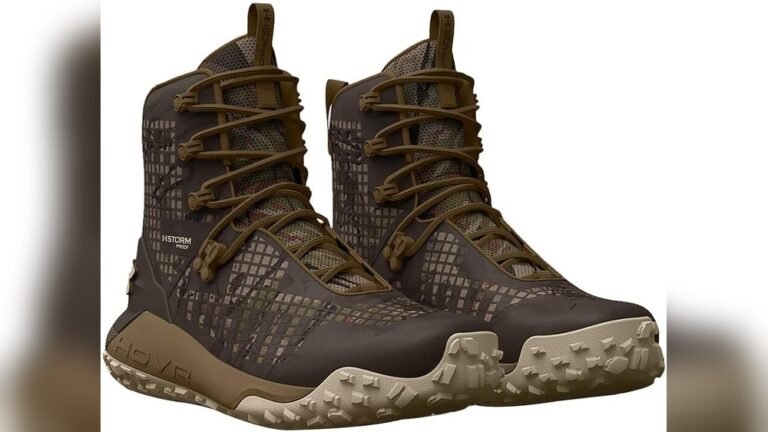
For short village loops on Andros or Sifnos, grippy trainers are fine. For gorges, scree and the Zas ascent, wear proper walking shoes with ankle support — loose stone is the standard hazard on Greek paths. Bring a sun hat and more water than you think you need either way.
Start with one easy trail
Pick your island from the table, then book your first night near a trailhead rather than a resort. You’ll know within one walk whether the island fits you — sore legs with good views means you’ve chosen well, while a day spent fighting transfers means move on. If a route feels beyond your fitness or the heat is climbing past what you trained for, stop and switch to a shorter path instead of pushing on.