If you’ve ever wondered why your golf cart doesn’t move even when the batteries are fully charged, the answer might lie in a small but powerful part called the solenoid. But what exactly is a solenoid on a golf cart for, and why is it so important?
Understanding this component can help you troubleshoot issues, maintain your cart better, and enjoy smoother rides every time you hit the course. Keep reading to uncover how the solenoid works, what signs to watch for if it’s failing, and why it’s a key player in your golf cart’s performance.
Solenoid Basics
A solenoid is a small but vital part of your golf cart’s electrical system. It acts like a switch that controls the flow of electricity. This component ensures that power moves safely from the battery to the motor. Understanding solenoid basics helps you grasp why your golf cart starts and runs smoothly.
The solenoid’s role might seem simple, but it works with precision. It connects the battery’s energy to the motor only when needed. This prevents electrical damage and saves battery power. Knowing how it works can help you spot problems early and maintain your cart better.
What A Solenoid Does
The solenoid acts like an electric relay. It controls a large current with a small electrical signal. When you press the accelerator, the solenoid receives a signal to close the circuit. This allows electricity to flow from the battery to the motor. Without the solenoid, the motor cannot get power, so the cart won’t move.
It also protects the battery and motor from electrical overload. The solenoid stops the current when you release the accelerator. This way, your golf cart stays safe and efficient during use.
How It Works In A Golf Cart
Inside the solenoid is a coil and a movable metal rod. Pressing the accelerator sends a small current to the coil. The coil creates a magnetic field that pulls the rod. This rod closes the main circuit between the battery and motor.
As the circuit closes, electricity flows freely to the motor. This powers the wheels and moves the cart forward. When you stop pressing the accelerator, the magnetic field disappears. The rod moves back, opening the circuit and stopping the flow of electricity.
This on-off action controls your golf cart’s movement smoothly. It also helps save battery life by cutting power when not needed.
Key Components
The solenoid is a crucial part of a golf cart’s electrical system. It works like a switch to control power flow from the batteries to the motor. Understanding its key components helps you grasp how it functions and why it is essential for your cart’s operation.
Each component plays a specific role in making the solenoid work efficiently. These parts work together to ensure your golf cart starts smoothly and runs without issues. Let’s explore the main parts of a golf cart solenoid.
Solenoid Coil And Rod
The solenoid coil is made of tightly wound wire. When electricity passes through, it creates a magnetic field. This magnetic field pulls the rod inside the solenoid.
The rod acts like a switch. When pulled, it closes the circuit between the battery and motor. This allows power to flow and the golf cart to move. Without the coil and rod working together, the cart won’t start.
Connections And Wiring
Connections and wiring link the solenoid to the battery, motor, and control system. Strong and clean connections are vital for proper solenoid function.
Loose or corroded wires can cause clicking sounds or prevent the cart from starting. Proper wiring ensures the solenoid receives the right signals to activate. Good wiring also protects the solenoid from electrical damage.
Solenoid Benefits
The solenoid is a small but vital part of a golf cart. It acts like a switch, helping to control the flow of power from the battery to the motor. This control brings many benefits that improve how the golf cart works. Understanding these benefits can help you appreciate why a solenoid is important for your cart’s performance and safety.
Power Flow Control
The solenoid controls the electric current flow to the motor. It allows high power to pass only when needed. This control helps prevent battery drain and protects the system. The solenoid closes the circuit when you press the accelerator. Without it, the motor would not get power, and the cart would not move.
Improved Cart Performance
By managing the power flow, the solenoid helps the golf cart run smoothly. It reduces power loss and ensures the motor gets the right amount of electricity. This results in better acceleration and longer battery life. A good solenoid helps the cart start quickly and maintain steady speed on different terrains.
Safety Features
The solenoid also adds safety to the golf cart’s electrical system. It prevents electrical surges that could damage parts. The solenoid stops power flow when the cart is off or in neutral. This avoids accidental starts and protects the user from shocks. It acts as a reliable switch to keep the system safe and secure.
Common Problems
Common problems with a golf cart solenoid can stop your cart from working properly. The solenoid acts like a switch that connects the battery to the motor. When it fails, the golf cart might not start or move. Knowing the common issues helps you spot trouble early and avoid bigger repairs.
Most solenoid problems happen because of wear, dirt, or electrical faults. These issues cause the solenoid to fail in different ways. Understanding the signs and causes is key to fixing the problem quickly. Here are the main points to watch for.
Signs Of Solenoid Failure
A solenoid that is failing often makes a clicking sound without starting the cart. The cart may not move even if the battery is full. Sometimes, the solenoid stays stuck and does not connect the battery to the motor. Another sign is dim lights or no power to the controls.
Causes Of Malfunctions
Dirt and corrosion can block the solenoid’s contacts and stop it from working. Loose or broken wires can prevent the solenoid from receiving the signal. Overheating from too much current can damage the solenoid coil. Age and wear also reduce the solenoid’s ability to function properly.
Effects Of A Bad Solenoid
A bad solenoid means the golf cart won’t start or run smoothly. It can cause the battery to drain quickly by drawing too much power. The motor might get damaged if the solenoid fails to switch off correctly. Poor solenoid performance can leave you stranded on the course.
Maintenance Tips
Maintaining the solenoid on your golf cart ensures smooth and reliable operation. Regular care prevents unexpected breakdowns and extends the solenoid’s life. Simple checks and cleaning keep your cart ready for every ride. Follow these maintenance tips to keep the solenoid working well.
Regular Inspection
Check the solenoid for loose wires or corrosion often. Tighten any loose connections to avoid power loss. Look for signs of wear or damage on the solenoid’s body. Listen for unusual clicking sounds while driving. Early detection of problems saves you from costly repairs later.
Cleaning And Care
Keep the solenoid clean from dirt and dust to maintain good contact. Use a dry cloth to wipe off grime regularly. Avoid using water or harsh chemicals that can damage electrical parts. Apply a light spray of electrical contact cleaner if needed. Good cleaning helps prevent shorts and poor performance.
When To Replace
Replace the solenoid if it fails to engage or clicks nonstop. Signs like slow starting or no power to the motor indicate solenoid issues. If cleaning and tightening do not fix the problem, a new solenoid is necessary. Using a faulty solenoid can drain the battery and harm other parts. Always choose a replacement that fits your golf cart model.

Credit: golfdeft.com
Installation Guide
Installing a solenoid on a golf cart is a straightforward process. The solenoid acts as a switch, connecting the battery power to the motor. Proper installation ensures your golf cart runs smoothly and safely. Follow these steps carefully to install the solenoid correctly.
Wiring The Solenoid
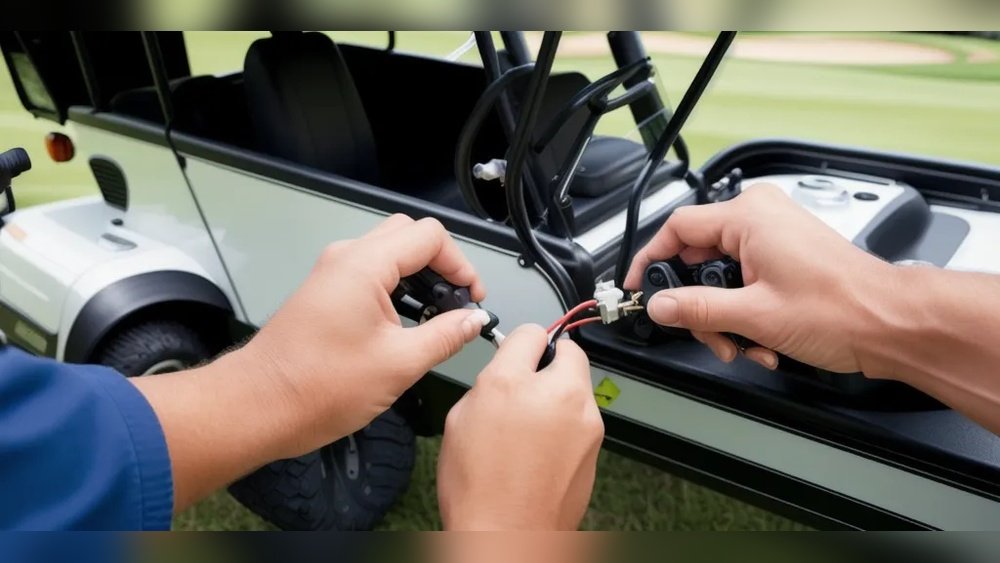
First, disconnect the golf cart’s battery to avoid any shocks. Identify the solenoid terminals: two large posts for battery and motor connections, and two small posts for the switch wires. Connect the battery cable to the solenoid’s battery terminal. Attach the motor cable to the motor terminal on the solenoid. Finally, connect the small wires from the ignition switch or accelerator to the small solenoid terminals. Make sure all connections are tight and secure to prevent power loss.
Testing After Installation
Reconnect the battery once all wiring is complete. Turn the ignition switch on and press the accelerator. Listen for a clicking sound from the solenoid, indicating it is engaging correctly. Check if the golf cart moves forward smoothly. If the cart does not move or the solenoid clicks repeatedly, recheck all wiring connections. Test the voltage at the solenoid terminals with a multimeter for proper current flow. Proper testing confirms the solenoid installation is successful.
Cost And Replacement
The cost and replacement of a solenoid on a golf cart matter a lot to owners. The solenoid is a small but key part. It controls the flow of electricity to the motor. If it breaks, the golf cart will stop working. Knowing the price and how to pick the right solenoid helps you save time and money.
Price Range
Golf cart solenoids usually cost between $30 and $100. The price depends on the brand and model. Some solenoids come with extra parts like wiring or connectors. Cheaper options may save money but might wear out faster. More expensive ones tend to last longer and work better under heavy use.
Buying a solenoid that fits your golf cart is important. Avoid very cheap solenoids as they may cause problems. Think of it as an investment in your golf cart’s performance.
Choosing The Right Solenoid
Choosing the right solenoid means checking your golf cart’s make and model. Look for solenoids made for your specific cart brand. Also, check the voltage and amp rating. Most golf carts use 36V or 48V systems. The solenoid must match these numbers.
Read product descriptions carefully. Some solenoids include features like built-in diodes for protection. These may help prevent electrical damage. Always buy from trusted sellers to get a quality product.

Credit: golfdeft.com
Troubleshooting
Troubleshooting a golf cart solenoid involves identifying common issues and understanding their causes. The solenoid acts as a switch that controls the flow of electricity from the battery to the motor. Problems with the solenoid often lead to starting issues or unusual noises. This section explains how to recognize and fix these problems quickly.
Clicking Noises Explained
Clicking sounds usually mean the solenoid is trying to work but cannot complete the circuit. This happens when the solenoid coil gets power but the contacts inside fail to close. A weak battery or loose wiring can cause this problem. Dirt or corrosion on the solenoid terminals also stops it from working properly. Checking the battery voltage and cleaning the connections often solves the issue.
What To Do When Cart Won’t Start
Start by testing the battery to ensure it has a full charge. Next, inspect the solenoid for loose or damaged wires. Tighten or replace any faulty connections. Use a multimeter to check if the solenoid receives power when the key is turned. If it does not, the problem may be with the ignition switch or wiring. If the solenoid gets power but does not activate, replace it with a new one. Following these steps helps get your golf cart running again.

Credit: taraelectricvehicles.com
Conclusion
A solenoid is vital for a golf cart’s operation. It acts like a switch, sending power from the battery to the motor. Without it, the cart won’t move even with a full battery. The solenoid’s clicking sound shows it is working.
Knowing its function helps with troubleshooting and maintenance. Keep the solenoid in good condition for smooth rides. Simple checks can prevent breakdowns. Understanding this part makes golf cart care easier and safer.