

If you’ve ever wondered why some golf courses feel so different from others, you’re not alone. Links style golf courses offer a unique experience that challenges your skills and connects you with the roots of the game.
But what exactly makes a golf course “links style”? And why should you care about playing on one? Understanding the key features of links courses can change the way you approach golf and help you appreciate the sport on a deeper level.
Keep reading, because by the end of this article, you’ll know exactly what sets links style golf courses apart—and why they might just become your new favorite way to play.

Credit: www.shipsticks.com
Origins Of Links Golf Courses
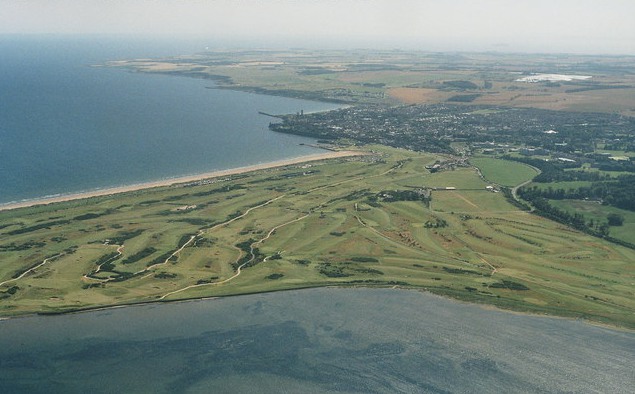
Links golf courses first appeared in Scotland. They were built on sandy, coastal land. This land was usually flat and had natural dunes. Early courses had few trees and were exposed to wind. The design was simple but tough.
Golfers played on these sandy grounds, using natural obstacles. The courses used the natural landscape to challenge players. Bunkers and tall grasses were common features.
As golf grew in popularity, course design started to evolve. Architects began to add more hazards and shape the land. Still, many links courses kept the original feel. The aim was to keep the game close to nature.
Key Characteristics
Links style golf courses grow on natural sandy soil that drains water well. The terrain is usually flat or gently rolling, with very little tree coverage. These courses keep the natural landscape as much as possible, using the land’s original shape.
They are often found near the coastline. The wind and weather from the sea play a big role in how the course plays. Wind can change the flight of the ball and make the game more challenging.
| Course Feature | Description |
|---|---|
| Natural Terrain | Uses original land shape with sandy soil and few trees |
| Coastal Weather | Wind and sea air affect play and course conditions |
| Course Layout | Open fairways, deep bunkers, and natural hazards like dunes |
Playing Style On Links Courses
Playing on links style golf courses requires a special shot strategy. These courses are usually near the coast, with strong winds and uneven terrain. Golfers must keep their shots low to avoid the wind blowing the ball off course. Rolling the ball on the ground is often better than flying it through the air.
Reading the ground carefully helps in choosing the right path. Shots that bounce and roll can cover more distance on firm, sandy soil. Players should use clubs that give them control and precision rather than just power.
Adjusting to wind is key. Aim slightly against the wind to keep the ball on target. Watch how the wind changes during the game. Small changes in direction or strength can affect where the ball lands.

Credit: taraelectricvehicles.com
Famous Links Courses Worldwide
St Andrews Links in Scotland is the oldest and most famous links course. It has hosted many Open Championships. The course features wide fairways and deep bunkers.
Royal County Down in Northern Ireland is known for its stunning views and challenging holes. The course winds through sand dunes and native grasses, offering a true links experience.
Other notable links courses include Carnoustie, Royal Troon, and Turnberry. These courses share similar features like seaside locations, sandy soil, and natural landscapes. Links golf courses are often exposed to wind, adding difficulty and excitement.
Links Golf In Austin, Texas
Links-style golf courses are known for their natural look and feel. They usually sit on sandy soil near the coast. Austin’s local links-style courses try to copy this style but use local land and plants. These courses have open fairways and undulating greens, just like the original Scottish links.
In Austin, the terrain is different from coastal Scotland. The courses use native grasses and plants to keep the look natural. This helps the course fit into the Texas landscape. Wind plays a big role in how players approach the game here, just like on traditional links courses.
| Feature | Traditional Links | Austin Links-Style |
|---|---|---|
| Location | Coastal, sandy soil | Inland, native Texas soil |
| Vegetation | Sea grasses, few trees | Native grasses, some trees |
| Course Shape | Open, rolling dunes | Open, gentle hills |
| Wind | Strong coastal winds | Variable Texas winds |
Credit: en.wikipedia.org
Maintenance And Environmental Impact
Links style golf courses are known for their natural look and feel. They use the landscape with very little change. These courses have sandy soil and native grasses that grow naturally. This helps reduce the need for water and chemicals.
Sustainability practices include using less water and fewer chemicals. Many courses use recycled water and plant native species that need less care. This protects the local environment and saves money.
Course upkeep can be tough. The sandy soil drains fast, so grass can dry out quickly. Wind and salt from the sea may harm plants. Maintaining the natural look means less mowing and fewer fertilizers. This can be a challenge but helps keep the course healthy and green over time.
Why Choose Links Golf Courses
Links golf courses offer a unique experience for classic golf lovers. These courses are usually found near the coast with sandy soil and natural dunes. The terrain is often uneven and windy, making golf more challenging.
Many players enjoy the old-style design, which connects golf to its roots. It appeals to those who like the natural look of the course rather than manicured lawns.
Playing on a links course helps improve many skills. The wind and firm ground force golfers to think carefully about their shots. Players learn to control the ball’s flight and roll better. This style encourages creativity and strategy.
Frequently Asked Questions
What Is The Difference Between A Links Golf Course And A Regular Golf Course?
A links golf course is coastal, featuring sandy soil, dunes, and few trees. Regular courses vary in terrain and vegetation. Links courses offer a traditional, wind-swept challenge, while regular courses often have more manicured landscapes and diverse hazards.
What Is The Poor Man’s Pebble?
The poor man’s pebble is an inexpensive alternative to a traditional golf ball marker. It usually refers to a small, flat stone or coin. Golfers use it to mark their ball’s position on the green without spending extra money on specialized markers.
What Country Loves Golf The Most?
Scotland loves golf the most, as it is the sport’s birthplace and has the highest cultural connection to the game.
Is Links Style Golf Harder?
Links style golf can be harder due to firm turf, deep bunkers, and strong winds. It demands creativity and precision.
Conclusion
Links style golf courses offer a unique and natural playing experience. They challenge golfers with wind, uneven terrain, and deep bunkers. These courses connect you to golf’s history and tradition. Playing on a links course improves your skill and strategy.
Whether you are a beginner or experienced player, links courses provide fun and challenge. Exploring these courses gives a fresh perspective on golf. Try a links style course to enjoy the sport in its purest form.