Are you curious about the exact height of a men’s volleyball net? Whether you’re a player, coach, or just a fan, knowing the right net height can make a big difference in how you understand and enjoy the game.
The net isn’t just a barrier—it’s a key part of the sport’s challenge and excitement. You’ll discover the official height for men’s volleyball nets, why it matters, and how it compares to other levels of play. Stick with us, and you’ll gain clear, simple answers that can improve your game or deepen your volleyball knowledge.
Ready to find out how high the men’s volleyball net really is? Let’s dive in.
Men’s Net Height
The height of the men’s volleyball net is an important factor in the sport. It affects how players serve, block, and spike the ball. Knowing the exact net height helps players prepare and improve their skills. The net height also varies depending on the level of play and age group.
Official Height Standards
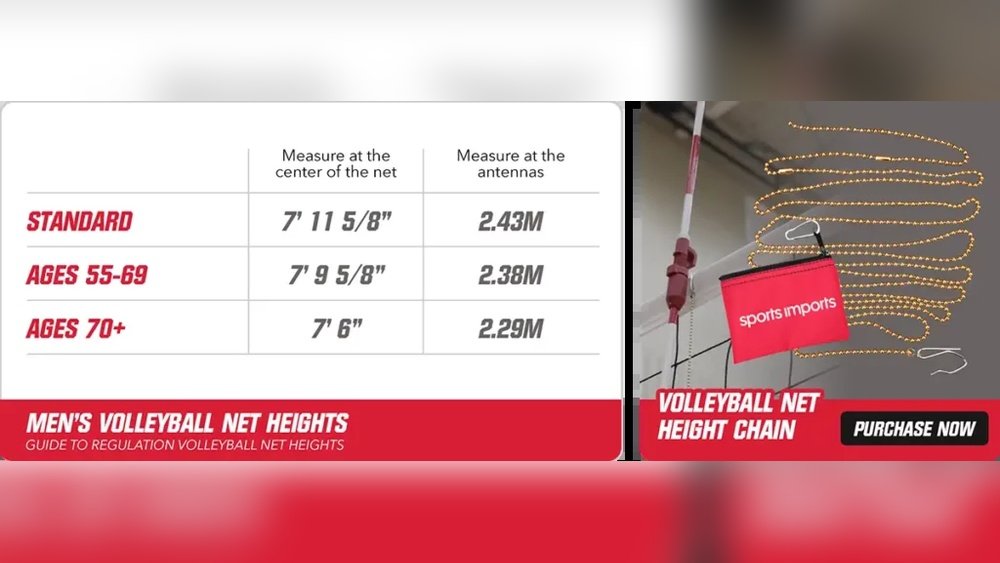
The official height for a men’s volleyball net is 2.43 meters. This equals approximately 7 feet 11 5/8 inches. This standard is set by the International Volleyball Federation (FIVB). It applies to professional, college, and international men’s volleyball competitions. The net must be set at this height for all official matches.
Comparison With Women’s Net
The women’s volleyball net is lower than the men’s. Its official height is 2.24 meters or about 7 feet 4 1/8 inches. The difference is 19 centimeters or nearly 7.5 inches. This lower height matches the average difference in player height and jumping ability. It keeps the game challenging and fair for both genders.
Youth And Senior Adjustments
Younger players and seniors use nets at different heights. For example, boys under 18 often play with a net set at 2.24 meters. This helps them develop skills without too much difficulty. Senior volleyball leagues may also lower the net height. This allows older players to enjoy the game safely and comfortably.
Measurement Units
The height of a men’s volleyball net is a key detail for players and fans. Understanding the exact measurement helps in setting up the court correctly. Measurement units are important since different countries use different systems. This section explains the net height in both feet and inches, and meters and centimeters. This way, everyone can grasp the correct height easily.
Height In Feet And Inches
The standard height for a men’s volleyball net is 7 feet 11 5/8 inches. This precise measurement is used in most official games and tournaments. It ensures fairness and consistency across all playing levels. Setting the net at this height challenges players to jump higher and improve their skills. Coaches and referees often check this measurement before matches.
Height In Meters And Centimeters
In metric units, the men’s volleyball net height is 2.43 meters. This equals 243 centimeters exactly. Many countries prefer this system for sports measurements. Using meters and centimeters makes it easier for international teams to follow the rules. It also helps in manufacturing nets and setting up courts worldwide. The 2.43-meter height remains the global standard for men’s volleyball nets.
Indoor Vs Beach Volleyball Nets
Volleyball nets vary between indoor and beach versions. Each type has specific height rules to suit the playing conditions. Understanding these differences helps players adjust their skills and strategies. Net height affects how the ball travels and the style of play on each surface.
Standard Indoor Net Height
The official height for men’s indoor volleyball nets is 2.43 meters (7 feet 11 5/8 inches). This height is set by international volleyball organizations. Indoor courts have a hard surface, so the net height supports fast and powerful play. The net is tightly strung to keep it firm during intense rallies.
The indoor net must be stable and even across its length. Players rely on the net’s consistent height for blocking and attacking. Referees check the net height before matches to ensure fairness. This standard height applies to professional, college, and most amateur indoor leagues.
Beach Volleyball Net Differences
Beach volleyball nets for men also measure 2.43 meters in height. The height matches indoor standards for consistency in competition. The main differences come from the net’s setup and environment. Beach nets are often more flexible and can sway in wind.
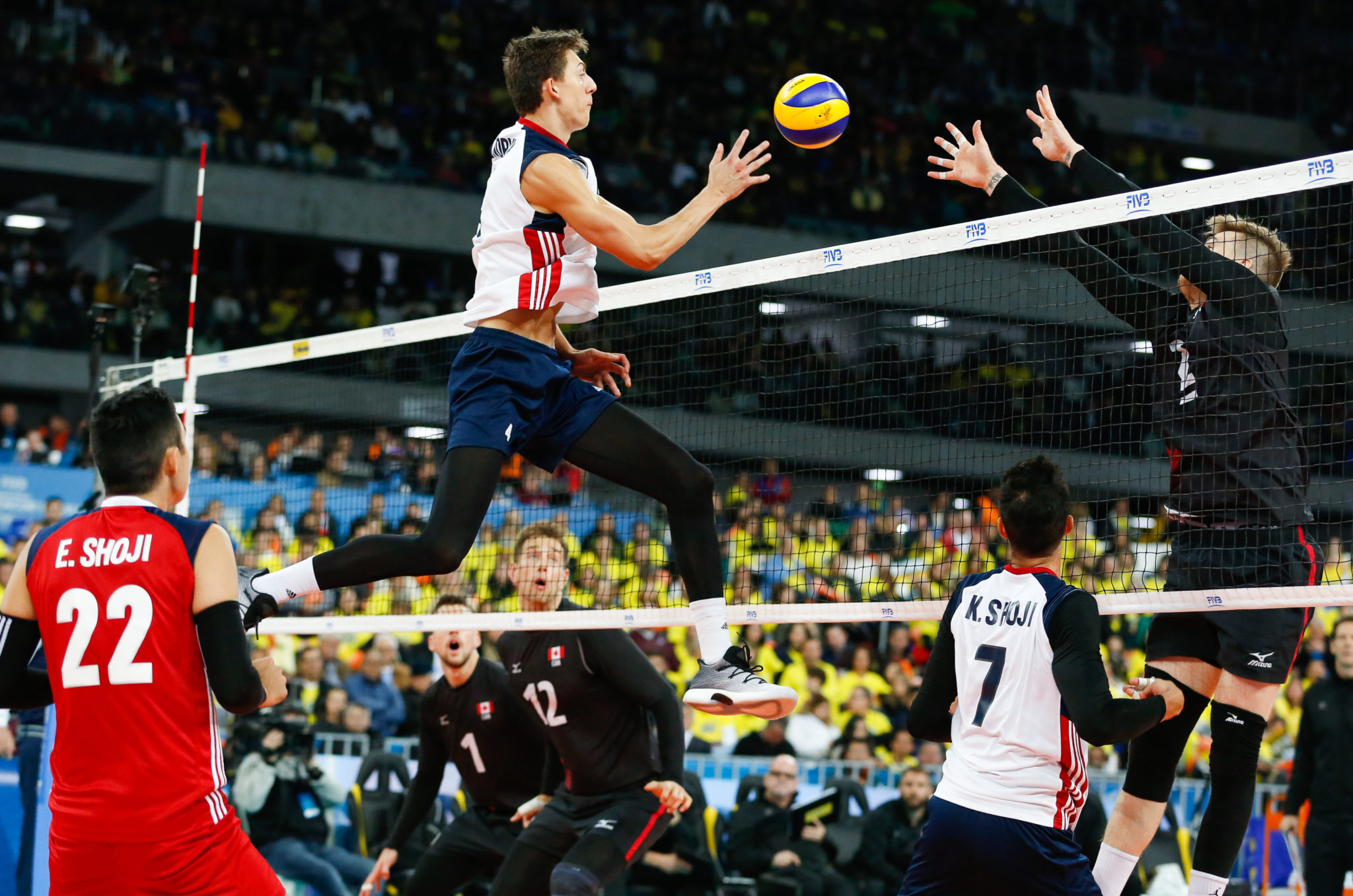
Sand courts have a softer surface that changes how players move and jump. Beach volleyball nets usually have a looser tension compared to indoor nets. This allows for slight movement during play, which can affect ball trajectory. The poles are anchored in sand, making setup and stability different from indoor courts.
Credit: volleymob.com
Setting Up The Net
Setting up the men’s volleyball net correctly is vital for fair play. The net height affects every serve, spike, and block. Proper setup ensures the game runs smoothly and players compete under official rules.
Setting the net too high or too low can cause confusion and unfair advantages. Understanding how to install the net and avoid common mistakes helps maintain the right standards.
Correct Net Installation
The official men’s volleyball net height is 2.43 meters or 7 feet 11 5/8 inches. Use a measuring tape to set the top of the net at this height.
Attach the net tightly between two poles. The poles must be firmly planted in the ground or secured to the floor.
Check the tension of the net. It should be tight enough to stay straight but not overly stretched.
Make sure the net is centered on the court. Align it with the boundary lines for accurate play.
Common Setup Mistakes
One frequent error is setting the net height incorrectly. Avoid guessing; always measure precisely.
Another mistake is loose or sagging nets. They affect ball movement and player performance.
Incorrect pole placement can cause the net to lean or shift. Secure poles firmly and check stability.
Failing to center the net on the court leads to uneven gameplay areas. Double-check alignment before starting.
Impact On Gameplay
The height of the men’s volleyball net plays a crucial role in shaping the gameplay. It sets the stage for how players attack, defend, and move on the court. A standard net height of 2.43 meters challenges athletes to use skill and strategy to score points.
The net height influences the speed and style of the game. Higher nets make it tougher to spike and block. Players must adjust their timing and jump to clear the net or stop the ball.
How Net Height Affects Play
A taller net demands more power and precision in attacks. Players need stronger jumps and faster swings to hit the ball over. Defenders face harder blocks and must improve their reach and reflexes.
Setting and passing also change. Setters must deliver accurate balls high enough to clear the net but close enough for attackers. The net height encourages players to develop better control and coordination.
Techniques For High Nets
Jumping technique becomes vital. Players practice timing their jumps to meet the ball at the highest point. Strong leg muscles help them gain extra height.
Arm swings are quicker and more forceful to push the ball over the net. Players use wrist snap to add spin and direction. Defensive moves like blocking require precise hand positioning to cover the net area.

Credit: www.networldsports.com
Regulation Organizations
Several organizations set the official rules for volleyball net height. These bodies ensure fair play and standard measurements worldwide. Knowing their standards helps players and coaches prepare correctly.
Fivb Standards
The International Volleyball Federation (FIVB) governs volleyball globally. It sets the official net height for men’s volleyball at 2.43 meters (7 feet 11 5/8 inches). This height applies to all international competitions. FIVB rules ensure consistency in professional and Olympic matches.
Usa Volleyball Rules
USA Volleyball follows FIVB guidelines closely for men’s net height. The standard height remains 2.43 meters in most tournaments across the United States. USA Volleyball also oversees youth and amateur levels, adjusting net heights as needed for younger players.
Other Governing Bodies
Various national and regional bodies manage volleyball rules in their areas. They often adopt FIVB net height standards for men’s volleyball. Some leagues may modify the net height slightly for specific age groups or skill levels. Understanding these variations is important for players competing in different leagues.
Net Height Variations
The height of a men’s volleyball net changes based on the level of play. Different rules set different heights. Understanding these variations helps players and fans.
Net height affects how the game is played. It changes the challenge of spiking and blocking. Here are the common variations across levels.
High School Regulations
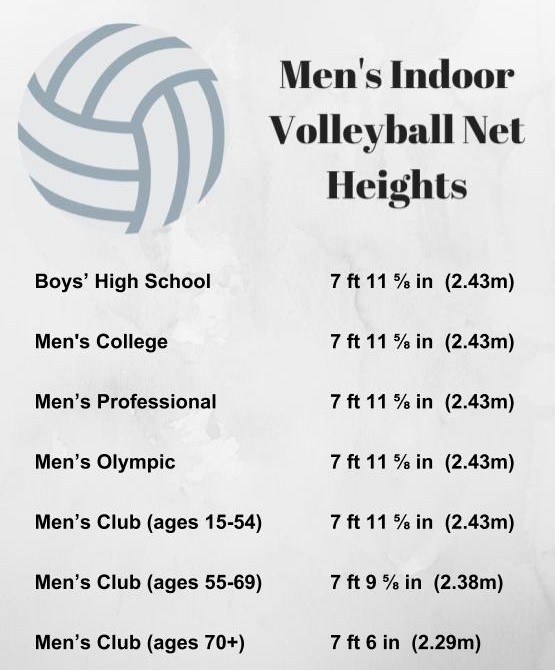
At the high school level, the men’s net height is 7 feet 11 5/8 inches (2.43 meters). This is the standard used in most U.S. high school competitions. It provides a good balance for developing skills and competitive play.
College And Professional Levels
College and professional men’s volleyball use the same net height as high school. The official height is 7 feet 11 5/8 inches (2.43 meters). This consistency keeps the game fair and challenging at all top levels.
Recreational Adjustments
Recreational volleyball often changes net height to fit players’ needs. Beginners or younger players may use lower nets to build confidence. Some leagues adjust the height for mixed gender or older players to keep games fun and safe.
Credit: volleyball-tips.com
Net Accessories
The volleyball net is more than just a barrier. It requires specific accessories for proper setup. These accessories ensure fair play and clear rules during matches. Net accessories impact the game’s flow and safety. Two key components are antenna height and net tension.
Antenna Height
The antenna is a flexible rod fixed vertically on each side of the net. It marks the boundary for the ball crossing the net. The antenna extends 80 centimeters above the net top. This height is standard in men’s volleyball. It helps referees judge if the ball crosses inside the court. Antennas must be straight and visible to avoid disputes.
Net Tension And Stability
Proper net tension keeps the net tight and stable. A loose net can cause unfair advantages. Net tension is adjusted using ropes or cables at the poles. The net should not sag or move excessively. Stability is vital during spikes and blocks. Tight nets help players perform better and keep the game fair. Stability also prevents the net from falling during play.
Frequently Asked Questions
Is The Net 8 Feet High In Men’s Volleyball?
The men’s volleyball net height is 7 feet 11 5/8 inches (2. 43 meters). It is not exactly 8 feet high.
Does Men’s Volleyball Have A Higher Net?
Yes, men’s volleyball nets are higher than women’s. The official men’s net height is 2. 43 meters (7 feet 11 5/8 inches).
How Tall Is The Top Of A Men’s Volleyball Antenna?
The top of a men’s volleyball antenna stands 7 feet 11 5/8 inches (2. 43 meters) above the playing surface.
How Tall Is A Man’s Net?
A men’s volleyball net stands 7 feet 11 5/8 inches (2. 43 meters) tall, following official regulation standards.
Conclusion
Men’s volleyball nets stand at 7 feet 11 5/8 inches tall. This height challenges players to jump higher and improve skills. Knowing the net height helps beginners practice correctly. It also ensures fair play in competitions. Whether playing indoors or on the beach, the net height stays the same.
Remembering this standard height makes games more enjoyable. Stay focused on your technique and timing. Practice often to meet the demands of this net height. This knowledge supports better volleyball experiences for all players.