
Have you ever glanced at a basketball scoreboard and noticed the letters “T O L” and wondered what they mean? Understanding this simple abbreviation can actually give you a clearer picture of how the game is unfolding and what strategies teams might be using.
If you want to get more out of watching basketball—whether you’re a casual fan or just starting to follow the sport—knowing what “T O L” stands for will put you one step ahead. Keep reading, and you’ll discover how this tiny detail on the scoreboard reveals big game tactics and why it matters for every team on the court.

Credit: uncgspartans.com
Tol Meaning On Scoreboard
On a basketball scoreboard, the abbreviation TOL stands for Time Outs Left. It shows how many timeouts a team still has during the game. Coaches and players watch this number closely to plan their next moves. Managing timeouts well can help control the game’s pace and give players needed rest.
Time Outs Left Definition
Time Outs Left (TOL) is the count of remaining timeouts for each team. Each timeout allows a short break in play. When a team uses a timeout, the TOL number decreases by one. This helps teams pause the game to rest or discuss tactics.
Timeouts are key moments to stop the clock or change strategy. The scoreboard updates this number instantly so everyone knows how many timeouts remain.
Sports Featuring Tol
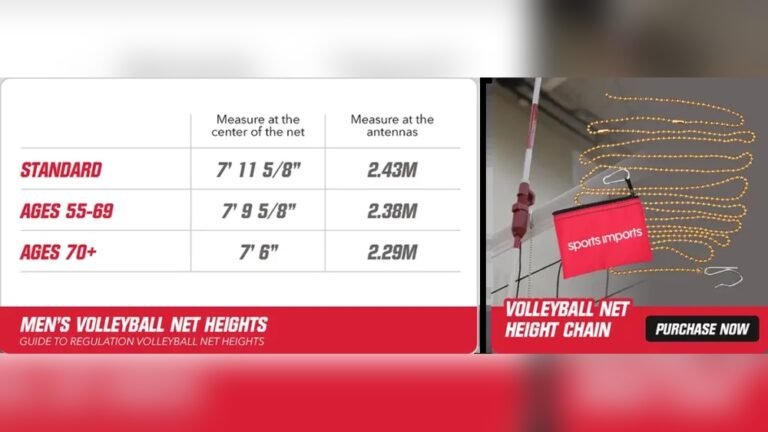
TOL is common in basketball but also appears in other sports. Football, hockey, and volleyball use similar timeout systems. Each sport has rules on how many timeouts teams get and when they can use them. The TOL indicator helps players, coaches, and fans follow these rules easily during the game.
Scoreboard Variations
Scoreboards show TOL in different ways depending on the sport and scoreboard design. Some display timeouts left; others show timeouts taken. The format may change based on league rules or scoreboard technology.
Digital scoreboards often use clear numbers or abbreviations like TOL. Older or simpler boards might use lights or symbols. Despite variations, the purpose remains the same: to keep track of team timeouts.
Credit: www.youtube.com
Function Of Time Outs Left
The function of Time Outs Left (T O L) in basketball is vital for teams to manage their play during the game. It shows how many timeouts a team still has available. This information helps coaches and players decide when to pause the game. Timeouts give players a chance to rest and the coach a moment to plan. Knowing the number of timeouts left affects game strategy and timing.
Tracking Timeouts
Timeouts are tracked on the scoreboard as T O L. Each team starts with a set number of timeouts. Every time a team calls a timeout, the T O L number goes down by one. This helps fans, players, and officials keep track easily. Teams can check their remaining timeouts to avoid running out at crucial moments. Clear tracking ensures the game runs smoothly.
Display Differences
Scoreboards may show T O L in different ways. Some show the number of timeouts left. Others display timeouts taken instead. The format depends on the scoreboard design and league rules. In some cases, the display uses numbers or abbreviations. Despite differences, the goal is to give clear timeout information quickly. This helps everyone understand the current situation at a glance.
Strategic Role Of Tol
The strategic role of TOL, or Time Outs Left, is crucial in basketball. It influences how coaches and players control the pace and flow of the game. Managing timeouts wisely can affect the team’s chances of winning. Coaches use TOL to make tactical decisions, adjust strategies, and support player performance.
Coaching Decisions
Coaches use TOL to stop the game at key moments. They call timeouts to give instructions or change tactics. This helps players understand new plays or defensive setups. Timeouts also break the opponent’s momentum. Coaches watch the TOL count closely to avoid running out too soon.
Game Management
Managing the game clock is easier with TOL. Timeouts allow teams to pause the clock and plan the next moves. They help control the tempo, especially in close games. Teams use timeouts to regroup and focus. Wise use of TOL can create scoring chances or protect leads.
Player Rest And Planning
Time outs provide essential rest for players. Basketball is fast and demanding, so breaks help maintain energy. Coaches use TOL to rest key players without losing momentum. They plan rest periods to keep players fresh for critical moments. This careful planning improves overall team performance.
Timeout Rules In Basketball
Timeouts are a crucial part of basketball strategy. They allow teams to pause the game, rest players, and plan their next moves. Understanding the rules around timeouts helps fans and players follow the game better. The rules control how many timeouts a team can call and how long each one lasts.
Number Of Timeouts Allowed
Each team starts with a set number of timeouts per game. In professional leagues like the NBA, teams usually have six timeouts. College basketball rules may differ, often allowing fewer timeouts. Once a timeout is used, the team loses one from their total. The scoreboard shows how many timeouts remain, often marked as TOL (Timeouts Left).
Timeout Duration
Timeouts last for a fixed time. In the NBA, a regular timeout is 75 seconds long. In college basketball, timeouts typically last 30 or 60 seconds, depending on the situation. This short break helps players recover and coaches give quick instructions. The clock stops during timeouts, so no game time is lost.
Timeout Usage Limits
Teams cannot use all their timeouts at once. There are rules about when timeouts can be called. For example, teams cannot call a timeout during free throws except under specific conditions. Some leagues limit the number of timeouts a team can take in the final minutes. These limits prevent teams from stopping the game too often.
Comparing Tol Across Sports
Time Outs Left (TOL) is a key part of many sports. It shows how many timeouts a team can still use during a match. Different sports treat TOL in different ways. Comparing these can help fans understand the role of timeouts better. Sports like basketball, football, and hockey have unique timeout rules. These rules affect how teams plan and play. Understanding these differences adds depth to watching and enjoying sports.
Basketball Vs Football
In basketball, teams usually get six timeouts per game. These can be used anytime to stop play and rest or plan. Football teams get three timeouts per half. Timeouts in football help control the clock and set up plays. Both sports use TOL to manage game flow. But basketball allows more frequent use of timeouts. Football timeouts are more about strategy in longer plays.
Basketball Vs Hockey
Hockey has fewer timeouts than basketball. Each team gets only one timeout per game. This timeout can be called only during stoppages. Basketball’s multiple timeouts allow more breaks and coaching. Hockey timeouts focus on short rest and quick strategy talks. The pace of hockey makes fewer timeouts necessary. Basketball’s fast scoring demands more frequent breaks.
International Rule Differences
International basketball rules differ from the NBA. FIBA allows only two timeouts per game. These timeouts are shorter than NBA ones. Football rules vary by country and league. Some use more or fewer timeouts than U.S. football. Hockey rules also change between leagues worldwide. These differences impact how teams use TOL. Fans should note these when watching international games.
Common Scoreboard Indicators
Scoreboards in basketball show vital information to keep fans and players informed. They display key details about the game’s progress and team status. Understanding common scoreboard indicators helps you follow the action better. These indicators include possession, downs and ball position, and timeouts remaining.
Possession Indicators
Possession indicators show which team currently controls the ball. Usually, a small arrow or light points to the team with the ball. This helps fans know who is on offense. It is important for understanding play flow and strategy.
Downs And Ball Position
Though more common in football, some basketball scoreboards show ball position. It indicates where the ball is on the court, often by zone. This gives a quick idea of offensive or defensive pressure. Downs are not used in basketball but may appear on multi-sport scoreboards.
Timeouts Remaining
Timeouts remaining, often shown as T O L, tells how many timeouts a team has left. Coaches use timeouts to rest players or plan strategy. The number decreases each time a timeout is called. This indicator is crucial for tracking game management.
Technical Issues With Tol Display
The TOL display on basketball scoreboards is crucial for showing how many timeouts a team has left. Sometimes, technical problems affect this display, causing confusion during the game. These issues can disrupt the flow and strategy since coaches rely on this data.
Technical faults in the TOL display often involve the indicators not changing correctly or going dark. Understanding common problems helps in quick fixes and keeps the scoreboard accurate.
Stuck Or Burned Out Indicators
One frequent issue is when the TOL lights get stuck on a number. This means the display does not update after a timeout is used. Burned out bulbs or LEDs can cause parts of the number to disappear or show incorrectly. These faults make it hard to know the real timeouts left.
Such problems usually happen because of wear and tear or electrical faults. Humidity and dust can also cause the indicators to stick or fail. Regular checks can prevent surprises during games.
Troubleshooting Scoreboards
Fixing TOL display problems starts with a simple reset of the scoreboard. This often clears stuck numbers. Checking all connections and wiring ensures no loose cables cause display errors.
Replacing burned out bulbs or LED modules restores full visibility. Some scoreboards allow manual override to update timeouts until repairs are done. Consulting the scoreboard manual helps identify specific error codes or steps for repair.
Regular maintenance is key. Keeping the scoreboard clean and dry extends its life. Training staff on basic troubleshooting reduces downtime during important matches.

Credit: www.reddit.com
Frequently Asked Questions
What Does Tol Mean On A Score Board?
TOL on a scoreboard means “Timeouts Left. ” It shows how many timeouts a team can still use during the game.
What Is Tol On A Scorecard?
TOL on a scorecard stands for “Time Outs Left. ” It shows how many timeouts a team can still use during the game.
Is 3 Steps A Travel In Basketball?
Yes, taking three steps without dribbling is a travel violation in basketball. Players can only take two steps after gathering the ball before passing, shooting, or dribbling again. This rule applies in NBA and FIBA games to ensure fair play.
What Does Tot Mean In Basketball?
In basketball, TOT stands for “Time Outs Taken. ” It shows how many timeouts a team has used during the game. Coaches use this to track and manage their remaining timeouts strategically. It helps players rest or adjust tactics effectively.
Conclusion
Understanding what T O L means in basketball helps fans follow the game better. It stands for Time Outs Left, showing how many breaks a team can still take. Coaches use this to plan rest and strategy during play. Watching T O L on the scoreboard reveals how a team manages its resources.
Knowing this term adds to your basketball knowledge and enjoyment. Keep an eye on T O L to see how teams control the flow of the game. It is a simple but important part of basketball scoring.