Mississippi’s coastline might be short, but its saltwater is alive with a fascinating variety of fish. From the shallow marshes to the deep offshore waters, anglers and nature lovers can find everything from fast predators to colorful reef dwellers. Whether you want to catch a trophy Red Drum or simply enjoy the beauty of a Spotted Seatrout, knowing more about the Mississippi saltwater fish will help you enjoy your time on the water. This guide takes you through the key species, where to find them, what makes them unique, and tips for fishing them successfully. Along the way, you’ll discover interesting facts, practical insights, and expert tips that even many locals may not know.
Mississippi’s Saltwater Environment
The Mississippi Sound and its connecting bays create a diverse habitat. Rivers like the Mississippi and Pascagoula mix fresh water with the salty Gulf, forming estuaries rich in nutrients. These conditions support both fish that live their entire lives in saltwater and those that move between fresh and salt water.
The state’s coastline is only 44 miles long, but it features marshes, barrier islands, sandy beaches, and deep offshore waters. This variety explains why so many different fish species thrive here. Each spot offers something different—shallow grass beds for juvenile fish, oyster reefs for bottom feeders, and deep blue waters for large pelagic species.
Most Popular Mississippi Saltwater Fish
Mississippi’s top saltwater fish are famous for their fighting spirit, table quality, and beauty. Here are the most important species you’ll find in these waters.
Red Drum (redfish)
One of Mississippi’s signature fish, the Red Drum is known for its bronze color and strong fighting ability. Red Drum are often found in shallow water, especially near marshes and grass beds. They are famous for the “bulls”—large adults that can weigh over 30 pounds.
Red Drum have a unique black spot near their tail and make a drumming sound with their swim bladder. They are most active in late summer and fall. Anglers often use live shrimp or mullet, but artificial lures also work well.
Spotted Seatrout (speckled Trout)
The Spotted Seatrout is a favorite for both sport and food. With silver sides and black spots on their back, they are easy to recognize. Most weigh between 1 and 3 pounds, but larger “gator trout” can reach 8 pounds or more.
Seatrout prefer grassy flats, oyster reefs, and the edges of channels. They feed mainly on shrimp and small baitfish. Early morning and late evening are the best times to target them.
Flounder
Flounder are flat fish with both eyes on one side of their body. They spend most of their time on the bottom, blending in with the sand or mud. Mississippi’s main species is the Southern Flounder.
Flounder are prized for their delicate flavor. They are often found near docks, bridges, and sandy flats. Live minnows or soft plastic lures that hug the bottom are the best baits.
Sheepshead
The Sheepshead is easy to identify by its human-like teeth and black-and-white stripes. They often hang around pilings, jetties, and oyster reefs, feeding on crabs and barnacles.
Catching Sheepshead can be tricky—they are experts at stealing bait. Small hooks and fresh shrimp or fiddler crabs work best.
Black Drum
Black Drum can grow very large—some over 50 pounds. Young fish (called “puppy drum”) are often caught near shore, while adults move to deeper water. They have a dark, striped appearance when young, but older fish turn more gray.
They feed on crabs, shrimp, and other bottom creatures. Black Drum are less popular for eating, but younger ones taste good when fried or grilled.
Southern Kingfish (whiting)
Whiting are small, silvery fish found in the surf and near sandy beaches. They are easy to catch and taste excellent, making them popular with families.
Simple rigs with pieces of shrimp or squid work best. Whiting rarely grow longer than 18 inches, but their numbers make up for their size.
Tripletail
The Tripletail is unusual-looking, with large rounded fins that make it appear to have three tails. They often float near the surface, hiding under debris or buoys.
Tripletail are strong fighters and taste great. Sight-fishing with live shrimp or small jigs is a popular method.
Spanish Mackerel
Spanish Mackerel are fast, flashy fish with greenish backs and yellow spots. They travel in schools and strike quickly at moving bait.
They are common from spring through early fall, especially near passes and piers. Small shiny spoons or live baitfish are the best lures.
Cobia
The Cobia is a big, long fish often mistaken for a shark. It has a dark brown color with a white belly and sometimes follows rays or sharks.
Cobia are powerful fighters and can weigh over 50 pounds. They are most often caught near offshore structures, but sometimes come close to shore in spring. Live eels or large jigs attract them.
Tarpon
Known as the “silver king,” Tarpon are famous for their size and acrobatic jumps. They can reach over 100 pounds, though most caught in Mississippi are smaller.
Tarpon migrate through the Mississippi Sound in summer. They are catch-and-release only because of their tough, bony bodies. Live mullet or artificial swimbaits are common choices.
Jack Crevalle
Jack Crevalle are hard-fighting fish found in schools. They have a blunt head and yellowish fins. While not considered great table fare, they are popular for their strength.
Jacks hit topwater plugs and live bait with force. They often chase baitfish near the surface.
Pompano
Pompano are silver, flat-bodied fish that live near sandy beaches and passes. They are small but highly prized for their taste.
Pompano feed on sand fleas and small crustaceans. Light tackle with small jigs or sand flea baits works well.
Mangrove Snapper
Mangrove Snapper are found around structure like docks, reefs, and mangrove roots. They have a reddish-brown color and sharp teeth.
They are wary and often bite gently. Small live shrimp or pilchards are the best bait.
King Mackerel
Also called “Kingfish,” King Mackerel are large, fast predators found offshore. They can weigh up to 50 pounds and are famous for their speed.
Trolling with live bait or shiny lures is the best method. King Mackerel are targeted during summer and fall.
Bluefish
Bluefish are aggressive, toothy fish that move in schools. They have a blue-green back and sharp teeth.
They often attack baitfish near the surface, making for exciting action. Use wire leaders to prevent bite-offs.
Atlantic Croaker
The Atlantic Croaker gets its name from the croaking sound it makes. It’s a small, silver fish common in bays and estuaries.
Croaker are easy to catch and make good bait for larger fish. They feed on worms and small crustaceans.
Saltwater Vs. Freshwater Fish In Mississippi
Understanding the difference between saltwater and freshwater fish is important for anglers and seafood lovers. Here’s a look at some key contrasts:
| Feature | Saltwater Fish | Freshwater Fish |
|---|---|---|
| Habitat | Oceans, estuaries, coastal areas | Lakes, rivers, ponds |
| Common Species | Red Drum, Flounder, Cobia | Bass, Catfish, Crappie |
| Body Adaptation | Can handle salt levels | Cannot survive in saltwater |
| Fishing Methods | Surf casting, trolling, bottom fishing | Bank fishing, fly fishing, spinning |
One insight many overlook: some fish, like Red Drum, can survive in both fresh and salt water for part of their lives. This is why you may find them in brackish marshes as well as coastal bays.
Best Places To Catch Saltwater Fish In Mississippi
If you want to catch saltwater fish in Mississippi, location is everything. Here are some of the best fishing spots:
- Biloxi Marsh – Famous for Red Drum, Speckled Trout, and Flounder. Shallow grassy flats and marsh edges make it a top spot for both beginners and experts.
- Gulfport Pier and Jetties – Excellent for Sheepshead, Black Drum, and Spanish Mackerel, especially in spring and fall.
- Ship Island – This barrier island is great for Pompano, Whiting, and Tripletail. The water is clearer and the fish are often more active.
- Pascagoula River Mouth – Perfect for Tarpon in summer and Mangrove Snapper around the structure.
- Offshore Reefs – King Mackerel, Cobia, and larger Snapper are found further out, especially around artificial reefs and oil rigs.
A common mistake: ignoring small jetties and bridges. These spots often hold large numbers of fish, especially Sheepshead and Flounder, which are drawn to the structure.
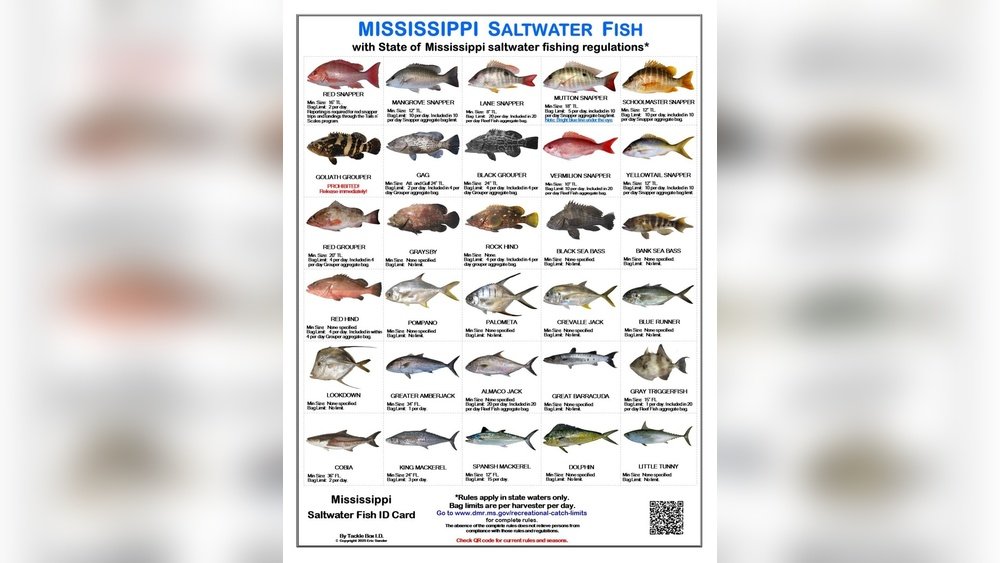
Credit: dmr.ms.gov
Fishing Methods And Gear Tips
Choosing the right method can make a huge difference. Here’s a quick guide to common fishing styles in Mississippi’s saltwater areas:
| Method | Best For | Essential Gear |
|---|---|---|
| Surf Casting | Whiting, Pompano, Red Drum | Long rods, sand spikes, cut bait |
| Kayak Fishing | Speckled Trout, Flounder | Light spinning rods, soft plastics |
| Trolling | King Mackerel, Spanish Mackerel, Cobia | Heavy rods, wire leaders, diving plugs |
| Bottom Fishing | Sheepshead, Black Drum, Snapper | Circle hooks, shrimp or crab bait |
Two insights that are often missed:
- Tide timing is critical. Many saltwater fish feed most actively during moving tides, not during slack water.
- Leader selection matters. Some fish, like Spanish Mackerel and Bluefish, require wire leaders to prevent bite-offs. Others, like Mangrove Snapper, need light, invisible leaders to avoid spooking them.
Conservation And Regulations
Mississippi has strict rules to keep fish populations healthy. Some of the most important regulations include:
- Size and bag limits: Each species has rules on how many you can keep and minimum size. For example, Red Drum must be 18–30 inches, and you can keep 3 per person per day.
- Closed seasons: Some fish, like Flounder, have times of the year when you can’t keep them. This helps protect them during spawning.
- Catch and release: Species like Tarpon are protected and must be released immediately.
- Licensing: Anyone fishing in saltwater must have a valid Mississippi saltwater fishing license.
Breaking these rules can lead to fines or losing your fishing privileges. Always check the latest regulations before you go. The Mississippi Department of Wildlife, Fisheries, and Parks is the official source for updates.
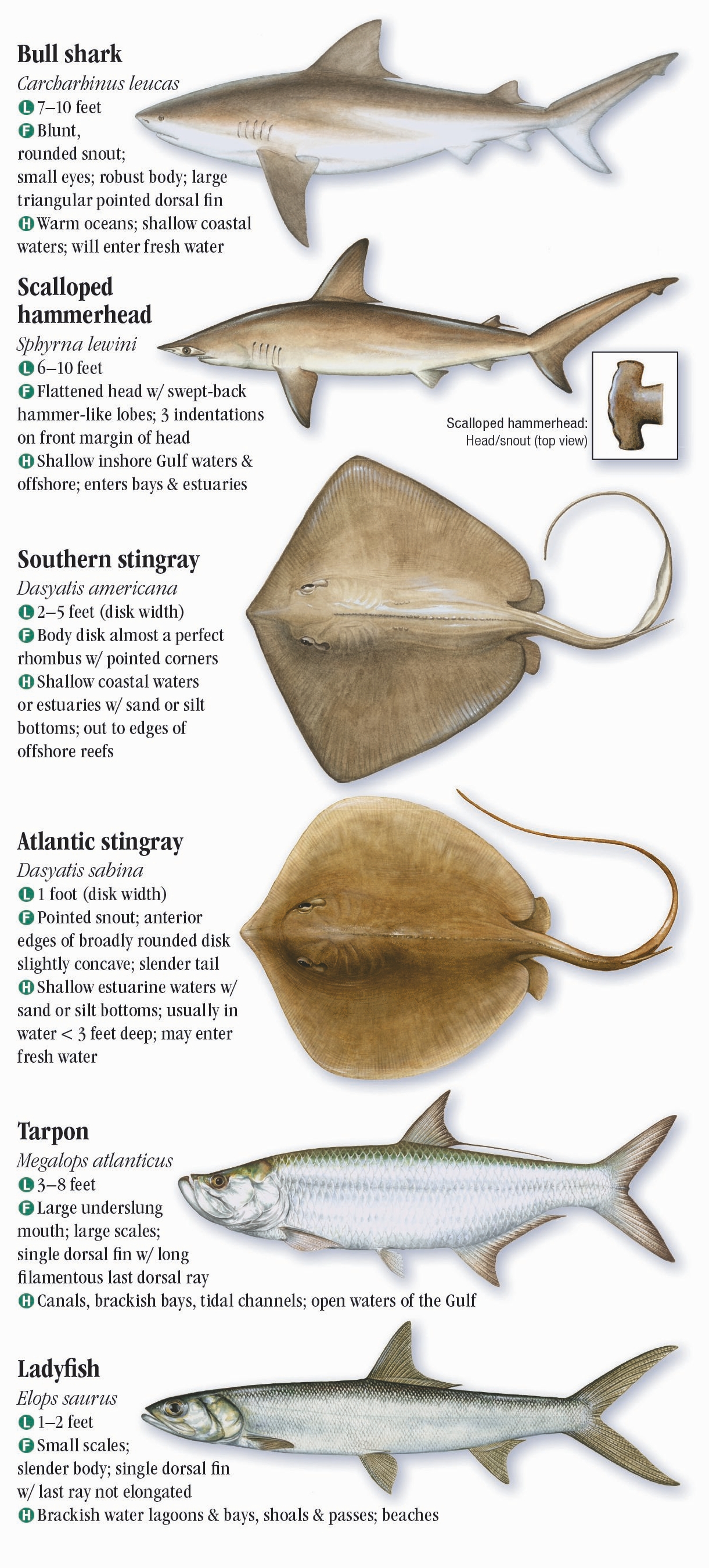
Credit: www.quickreferencepublishing.com
Eating Mississippi Saltwater Fish
Many Mississippi saltwater fish are prized for their taste. Red Drum, Flounder, and Speckled Trout are some of the best for grilling, frying, or baking. Sheepshead and Pompano are also favorites on the table.
However, some fish—like Jack Crevalle and large Black Drum—are not considered good to eat due to their strong flavor or tough texture. For the best taste, eat smaller, younger fish and avoid keeping large breeders.
A tip many overlook: bleeding your fish right after catching and keeping them on ice makes a huge difference in flavor and texture.
How To Identify Common Mississippi Saltwater Fish
Knowing how to identify fish is important for following the rules and enjoying your catch. Here are a few quick tips:
- Red Drum: Bronze, with a black spot near the tail.
- Flounder: Flat, both eyes on one side, brown with spots.
- Sheepshead: Black-and-white stripes, human-like teeth.
- Spotted Seatrout: Silver, with black spots on the back.
If you’re unsure, always check a fish identification guide or ask a local expert.

Credit: www.ebay.com
Frequently Asked Questions
What Is The Best Time Of Year To Fish For Saltwater Species In Mississippi?
Spring and fall are usually the most productive seasons. Fish are more active as the water warms up in spring and before it cools in fall. Summer brings more species but also more boat traffic and heat. Winter offers good fishing for Sheepshead and Black Drum near structures.
Do I Need A Special License To Fish Saltwater In Mississippi?
Yes, a Mississippi saltwater fishing license is required for anyone fishing south of Interstate 10. You can buy one online or at local tackle shops. This helps fund conservation and ensures you’re following state rules.
Can I Eat All The Saltwater Fish I Catch In Mississippi?
Most are safe and tasty, especially Red Drum, Flounder, and Speckled Trout. Some larger fish, like big Black Drum, may have a strong taste. Always check local advisories for mercury or pollution warnings, especially after heavy rains.
Are There Any Dangerous Fish In Mississippi Saltwater?
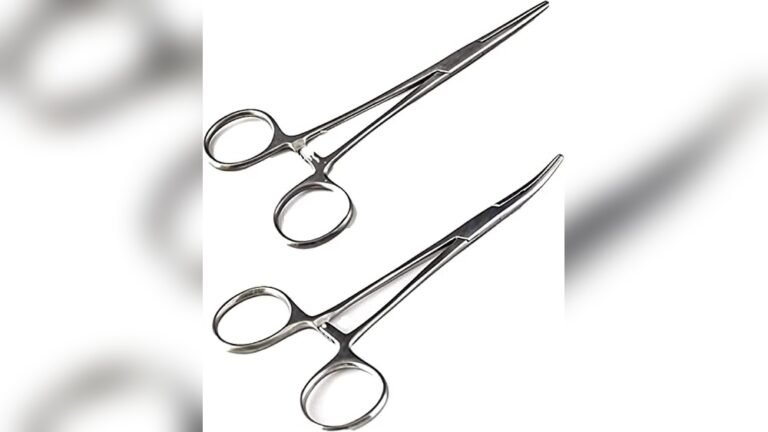
Most fish are not dangerous, but watch out for sharp teeth (like Bluefish), spines (like Catfish), and strong jaws (like Sheepshead). Use pliers to unhook fish and avoid putting your hands near their mouths or gills.
How Can I Tell If A Fish Is Saltwater Or Freshwater In Mississippi?
Look at where you caught it—coastal, brackish, or offshore waters usually hold saltwater fish. Also, saltwater fish often have more streamlined bodies and brighter colors. If unsure, use a fish ID chart or ask a local biologist.
Mississippi’s saltwater fish offer endless excitement for anglers and seafood lovers alike. By learning about the fish, habitats, and best practices, you’ll get more from every trip and help protect these amazing resources for future generations. Whether you’re casting from shore or exploring offshore reefs, Mississippi’s saltwater fishing is a true Gulf Coast treasure.