Oregon Ice Fishing: A Complete Guide For Beginners And Enthusiasts
Ice fishing in Oregon is a unique experience. The state’s mountain lakes freeze over in winter, creating a playground for anglers who enjoy the quiet beauty of the outdoors. While not as famous as ice fishing destinations in the Midwest, Oregon offers peaceful spots, good fish populations, and a chance to catch trout, perch, and more. If you’re curious about Oregon ice fishing, this guide covers everything you need: top locations, gear, safety, tips, and local rules.
Why Try Ice Fishing In Oregon?
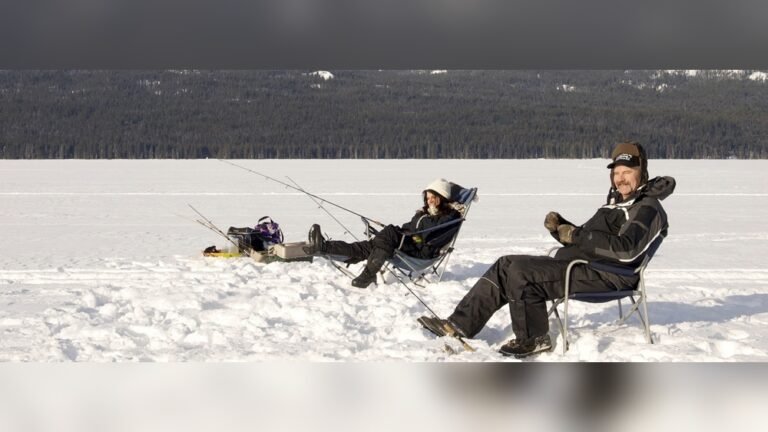
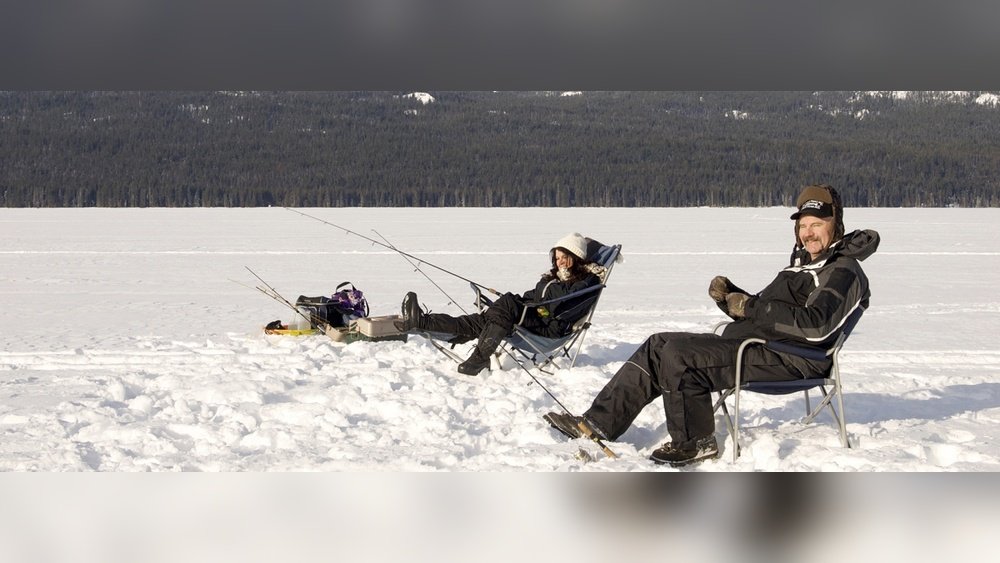
Oregon’s winters transform many lakes into icy wonderlands. Unlike crowded summer fishing, ice fishing means more space and less noise. You can find lakes with few people, clear air, and stunning views of snowy forests. Even beginners can catch fish with simple gear. The excitement of pulling a trout from a hole in the ice is hard to match.
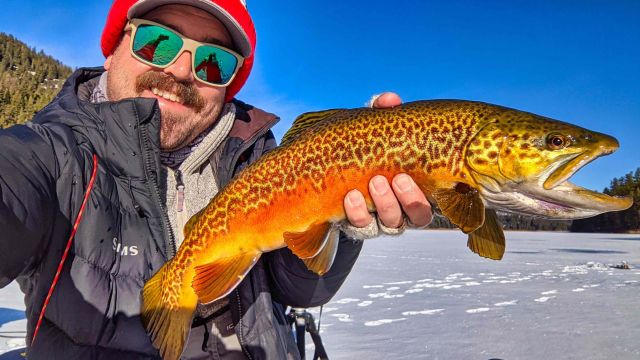
One reason many people try ice fishing in Oregon is the variety of fish. From rainbow trout to yellow perch, you have a good chance to catch something tasty. Plus, most popular spots are accessible by car or a short hike, making it possible for families and groups to enjoy together.
Best Ice Fishing Locations In Oregon
Oregon has several lakes known for reliable ice and good fishing. Each offers something different, from easy access to remote adventure.
| Lake | Main Species | Accessibility | Best Ice Months |
|---|---|---|---|
| Diamond Lake | Rainbow trout | High (roads plowed) | December–March |
| Lake of the Woods | Yellow perch, trout | High (resort nearby) | January–March |
| Phillips Reservoir | Perch, trout | Moderate | January–February |
| Fish Lake | Rainbow trout, brook trout | Moderate | January–March |
| Odell Lake | Kokanee, trout | Low (check ice thickness) | January–February |
Diamond Lake
Diamond Lake is the most popular ice fishing lake in Oregon. Easy road access and regular ice cover make it a favorite. Rainbow trout are the main catch, and the lake is stocked every year. Ice can be over 12 inches thick by January. There’s a resort nearby for food and warmth, making it beginner-friendly.
Lake Of The Woods
Located near Klamath Falls, this lake offers both yellow perch and trout. Lake of the Woods is known for fast perch fishing and is great for families. The on-site resort rents heated cabins and sells bait, so you don’t need much to get started.
Phillips Reservoir
A quieter spot in eastern Oregon, Phillips Reservoir has a reputation for good perch and trout fishing. It is less crowded, but the ice forms later than at Diamond Lake. You’ll need to check local reports for ice thickness before going.
Fish Lake
Fish Lake, near Medford, is another solid choice. It’s smaller, but often freezes well. Brook trout are a bonus species here. Local bait shops can give advice on where the fish are biting.
Odell Lake
Odell Lake sometimes gets enough ice for fishing, especially in cold winters. It’s known for kokanee (landlocked salmon) and large trout. However, ice conditions change quickly, so always check before heading out.

Credit: dfw.state.or.us
Essential Gear For Oregon Ice Fishing
Fishing on ice is different from open water. You need gear that works in cold weather and on frozen lakes. Here’s a breakdown of must-have equipment:
- Ice auger – Manual or power drill to make holes in the ice. Manual augers are cheaper and lighter, but power augers are faster.
- Ice fishing rod and reel – Short rods (24–36 inches) work best for handling fish through a small hole.
- Ice skimmer – Used to scoop slush and keep the hole clear.
- Fishing line – Use 2–6 pound test for trout and perch.
- Jigs and bait – Small jigs tipped with worms, mealworms, or artificial bait work well.
- Bucket or sled – For carrying gear and sitting on the ice.
- Warm clothing – Layered clothing, waterproof boots, insulated gloves, and a hat are essential.
- Portable shelter – Optional, but keeps you warmer and blocks the wind.
- Ice cleats – Strap-on spikes for boots to prevent slipping.
Many beginners forget to bring a spud bar. This long metal rod checks ice thickness ahead of you. It’s safer than just drilling a hole.
Safety Tips For Ice Fishing In Oregon
Oregon’s winter weather can change fast, and ice conditions are not always predictable. Here are the most important safety rules:
- Never walk on ice less than 4 inches thick. Clear, blue ice is strongest.
- Wear a life jacket or a floatation suit, especially early or late in the season.
- Always fish with a buddy. If you fall in, someone can help.
- Carry ice picks around your neck. They help you pull yourself out if you fall through.
- Tell someone where you’re going and when you plan to return.
- Check ice thickness often as you move around.
One thing beginners miss is that snow on ice can hide weak spots. Always test ice near shore before moving farther out.
How To Catch Fish: Techniques And Tips
Catching fish under the ice is different from summer fishing. Fish move slower in cold water, so your approach must change. Here’s how to get started:
Drilling And Setting Up
Pick a spot where the water is 10–20 feet deep. Use your auger to make a hole about 6–8 inches wide. Clear slush with your skimmer. If you’re with a group, drill several holes a few yards apart to find the best spot.
Jigging
Use a small jig or spoon with live bait or an artificial worm. Lower your lure to just above the bottom. Gently move the rod tip up and down. In cold water, less movement is better. If you don’t get bites in 15–20 minutes, try a different depth or hole.
Tip-ups
A tip-up is a device that holds your fishing line and signals when a fish bites. You can set out several tip-ups while jigging by hand. This increases your chances, especially on slow days.
Reading The Fish
Fish often bite lightly in winter. Watch your line closely and be patient. Early morning and late afternoon are usually the best times to fish.
Common Mistakes
Many new anglers use hooks that are too big. In winter, fish are less aggressive and prefer smaller bait. Also, moving too much can scare fish away. Stay quiet and minimize shadows on the ice.
Oregon Ice Fishing Regulations
To protect fish populations, Oregon has rules for ice fishing. These are some key regulations:
- You need a valid Oregon fishing license (available online or at stores).
- Each angler can use up to two rods in most lakes, but check lake-specific rules.
- Daily bag limits apply (for example, five trout per day at Diamond Lake).
- No live fish for bait (use worms, mealworms, or artificial bait only).
- All holes must be filled when you leave, to prevent hazards for people and wildlife.
Regulations change, so check the Oregon Department of Fish and Wildlife website before each trip for updates. Beginners often forget to fill in their holes, which can be dangerous for snowmobiles and skiers.
Best Times For Ice Fishing In Oregon
The ice fishing season in Oregon depends on location and weather. Most lakes freeze by late December and stay fishable until March. The best ice is usually in January and February. Warm weather or rain can weaken the ice quickly, even if it looks solid.
Fish are most active in early morning and just before sunset. On clear, cold days, fish often stay near the bottom. Overcast days sometimes bring better action all day long.
What Fish Can You Catch?
Oregon’s icy lakes hold a mix of species. Here’s a look at what you might catch:
| Species | Best Lakes | Typical Size |
|---|---|---|
| Rainbow Trout | Diamond, Fish, Phillips | 12–18 inches |
| Yellow Perch | Lake of the Woods, Phillips | 8–12 inches |
| Brook Trout | Fish Lake | 10–16 inches |
| Kokanee Salmon | Odell, Crescent | 10–15 inches |
Yellow perch are a popular target because they often bite in big groups. Trout are usually larger and make for a fun fight on light tackle.
Planning Your Trip: Local Services And Amenities
Some lakes, like Diamond Lake and Lake of the Woods, have resorts with heated cabins, gear rentals, and food. Others, like Phillips Reservoir, are remote, so bring everything you need, including extra food and water. Cell service can be weak in mountain areas.
Many experienced anglers check ice conditions on local fishing forums or call nearby bait shops before they go. This simple step can save you a wasted trip or prevent a dangerous situation.
Practical Tips For A Better Experience
- Bring extra dry gloves and socks in case you get wet.
- Use a sled to pull gear instead of carrying everything by hand.
- Take a small first-aid kit and hand warmers.
- Keep your phone in a waterproof bag.
- Mark your fishing holes with a flag or stick for safety.
One thing many people miss is the importance of patience. Ice fishing is slower than open water angling, but the reward is a peaceful day in nature and maybe a fresh trout for dinner.

Credit: myodfw.com
Environmental Responsibility
Take all your trash with you, including fishing line and bait containers. Leftover line can harm wildlife. If you use a portable shelter, anchor it so it doesn’t blow onto the ice and create litter. Respect other anglers and keep noise to a minimum.
Learn More
If you want to improve your ice fishing skills, consider joining a local fishing club or reading more on the Oregon Department of Fish and Wildlife website. They offer seasonal updates, classes, and community events.
Credit: www.pdxmonthly.com
Frequently Asked Questions
How Thick Should The Ice Be Before I Fish On It?
You should only walk on ice that is at least 4 inches thick. For groups or snowmobiles, 6–8 inches is safer. Always check with a spud bar or auger before stepping out.
Do I Need A Special License For Ice Fishing In Oregon?
No, you only need a regular Oregon fishing license. You can buy one online, at sporting goods stores, or at some lakeside resorts.
Can I Use Live Bait For Ice Fishing In Oregon?
No, live fish as bait are not allowed. You can use worms, mealworms, or artificial lures. This rule helps prevent the spread of invasive species.
Is Ice Fishing In Oregon Safe For Kids?
Yes, with adult supervision and proper safety gear, ice fishing is safe for families. Always check ice thickness, dress children warmly, and keep them away from cracks or thin spots.
What Is The Best Time Of Day To Ice Fish In Oregon?
Early morning and late afternoon are usually the best times. Fish are more active then. However, you can catch fish all day, especially if you move around and try different depths.
Oregon ice fishing is a rewarding way to spend a winter day. With the right gear, safety habits, and a little patience, anyone can enjoy this peaceful outdoor adventure. Whether you’re after a limit of perch or just a quiet escape, Oregon’s frozen lakes offer something special for every angler.