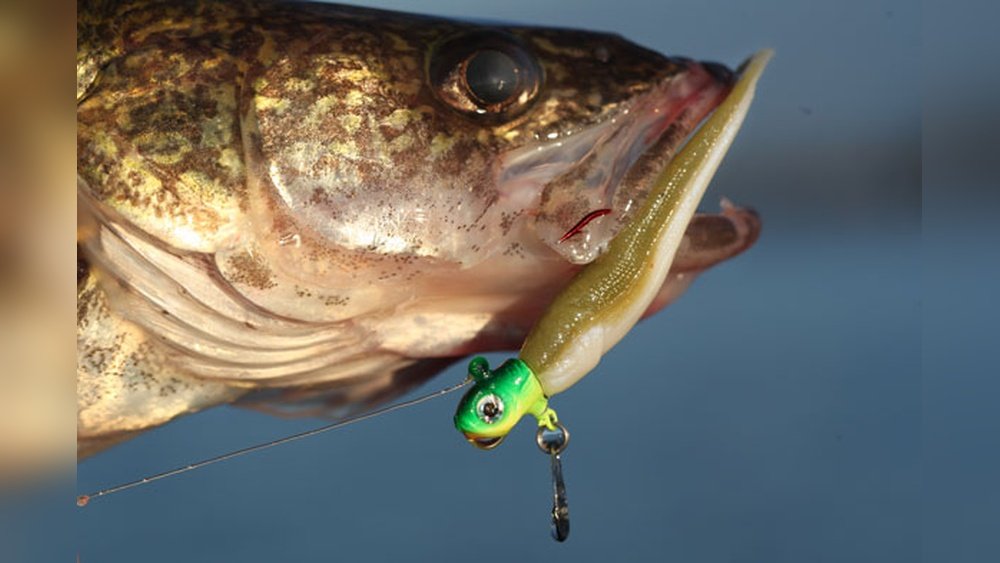
If you’re serious about catching walleye, choosing the right jig can make all the difference between a slow day and a fishing trip full of action. Jigs are one of the most effective tools for walleye fishing because they offer versatility and can mimic the natural movement of prey.
But with so many types, sizes, and colors available, how do you know which jig will work best for your next outing? You’ll discover the key types of jigs designed specifically for walleye, how to select the right size and weight, and which techniques will help you get more bites.
Whether you’re fishing clear lakes or murky rivers, this guide will give you the confidence to pick the perfect jig—and catch more walleye every time you hit the water. Don’t miss out on learning these simple yet powerful tips that can transform your fishing game!
Types Of Walleye Jigs
Walleye fishing requires the right jig to attract these cautious fish. Different jig types offer unique advantages. Choosing the right jig can improve your catch rate and fishing experience.
Each jig type suits specific water conditions and fishing styles. Understanding these types helps you adapt to changing environments. Here are the main types of walleye jigs you should know about.
Stand-up Jigs
Stand-up jigs sit upright on the lake or river bottom. This position keeps the bait visible to walleye swimming nearby. Their design helps avoid snags on rocks or weeds. Anglers use them to present bait naturally and attract bites.
Tungsten Jigs
Tungsten jigs are heavier and smaller than lead jigs. Their density allows better sensitivity to detect light bites. Smaller profiles make them perfect for fishing in pressured waters. These jigs sink fast and feel the bottom well.
Paddle Tail And Swim Jigs
Paddle tail and swim jigs mimic small fish swimming naturally. These jigs work great for casting and retrieving. Their tail creates vibration and movement that triggers strikes. They are effective in open water and around structures.
Ball Head Jigs
Ball head jigs are a classic choice for many anglers. Their round head shape allows smooth movement through water. They work well with soft plastic baits or live bait. This type suits various fishing techniques and depths.
Weedless Jigs
Weedless jigs have hooks designed to avoid catching on weeds. They allow fishing in heavy vegetation where walleye often hide. These jigs help keep your bait moving without constant snags. Perfect for weedy lakes and riverbeds.
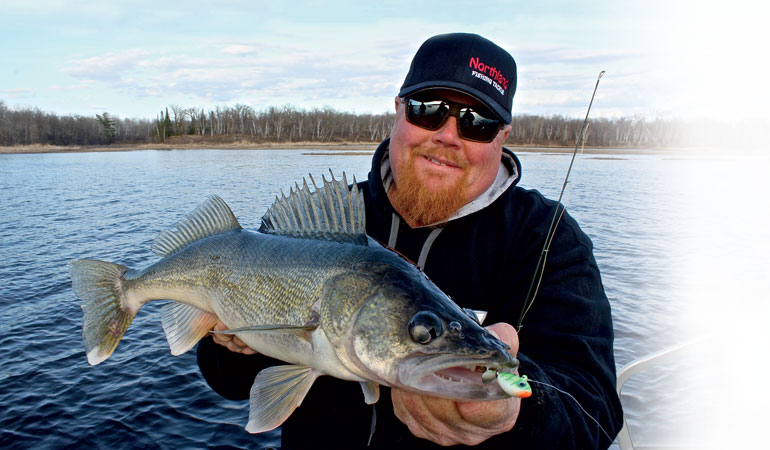
Credit: www.in-fisherman.com
Choosing Size And Weight
Choosing the right jig size and weight helps match water depth and current. Lighter jigs work well in shallow water, while heavier ones reach deep spots faster. Adjusting size improves bait presentation and attracts more walleye.
Picking the right size and weight of jig matters for walleye fishing success. The size affects how natural the bait looks to the fish. The weight controls how the jig moves in water and how deep it sinks.
Using a too heavy jig may scare the fish or cause snagging. A jig that is too light might not reach the right depth or hold position in currents. Understanding water conditions and fish habits helps choose the best jig size and weight.
Size Options For Walleye Jigs
Small jigs, usually 1/16 to 1/8 ounce, work well in clear water and calm conditions. They mimic small prey and attract cautious walleyes. Medium sizes, from 1/4 to 3/8 ounce, suit most fishing situations. Large jigs, over 1/2 ounce, help reach deep water or fast currents.
Matching the jig size to the bait also helps. Smaller soft plastics fit on lighter jigs. Bigger baits need heavier jigs for balance and proper action.
Weight Choices For Different Conditions
Light jigs allow slow, subtle movements that trigger bites in calm water. Heavier jigs sink faster and hold better in strong currents. They let anglers cover more water quickly.
Depth matters too. Use heavier jigs to reach deep spots where walleyes hide. Lighter jigs work best near the shore or shallow zones.
Adjusting For Season And Water Clarity
In early spring, walleyes stay shallow and react to gentle jigging. Choose light jigs to match their mood. Summer calls for heavier jigs to reach cooler, deeper water.
Clear water means fish see the jig better. Use smaller, lighter jigs for natural presentation. Murky water allows heavier, bigger jigs to attract attention with movement.
Best Colors For Different Waters
Choosing the right jig color is important for walleye fishing success. Water clarity affects how fish see your bait. Different colors work better in murky or clear water. Matching your jig color to the water can increase your catch rate.
Bright Colors For Murky Water
Bright colors stand out in murky water. Chartreuse, bright orange, and hot pink are popular choices. These colors catch the eye of walleye in low visibility. They create a strong contrast against muddy or stained water. Bright jigs help fish detect movement and shape easily. Use these colors in lakes with heavy algae or after rainstorms.
Natural And Metallic For Clear Water
Clear water calls for subtle, natural colors. Shades like white, silver, and gold work well. Metallic finishes reflect light, mimicking small baitfish scales. These colors look realistic and attract cautious walleye. Browns, greens, and translucent jigs blend with the natural environment. Using natural colors avoids spooking fish in clear lakes or rivers. Choose these jigs for bright, sunny days with high water clarity.
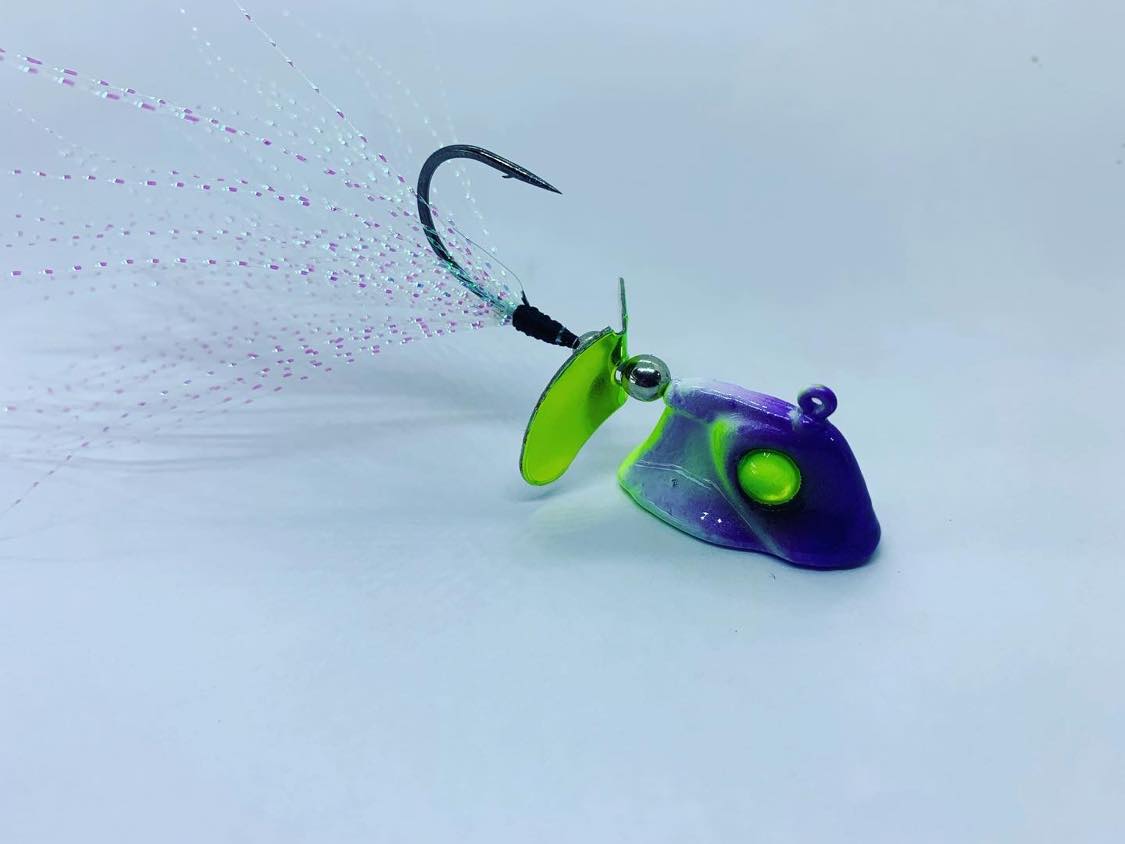
Credit: verticaljigsandlures.com
Bait And Plastic Pairings
Choosing the right bait and plastic combination is crucial for successful walleye fishing. The right pairing can trigger strikes from even the most cautious fish. Different plastics mimic natural prey and add lifelike movement to the jig. Pairing jigs with the right bait creates an irresistible lure that attracts walleye in various conditions. Experimenting with different combos can reveal what works best on any given day.
Using Paddle Tails And Flukes
Paddle tails and flukes imitate small fish swimming near the bottom. Their soft, flexible bodies create natural movement in the water. Paddle tails produce a gentle wobble that attracts walleye from a distance. Flukes have a slimmer profile and a fluttering tail action that fools picky fish. Both work well when paired with a jig head to add life and color. Choose colors that match local baitfish for the best results.
Adding Live Bait
Live bait adds scent and natural movement to the plastic rig. Minnows, leeches, or nightcrawlers work well on jigs. Hook the live bait through the nose or back, allowing it to swim freely. This combo increases the lure’s appeal by providing both sight and scent triggers. Live bait also helps in colder water when walleye feed less aggressively. Use a smaller plastic body to avoid overpowering the live bait’s action.
Long-shank Jig Heads
Long-shank jig heads offer extra room to rig plastics or live bait securely. Their length prevents the bait from slipping off during casts or strikes. These jig heads improve hook-up rates by keeping the hook point exposed. They also help rig larger plastics without crowding the hook. Use long-shank heads when fishing heavy cover or deep water where precise bait placement matters most. The added hook length can make a big difference in landing more walleye.
Effective Jigging Techniques
Effective jigging techniques increase your chances of catching walleye. These methods help present the jig naturally, attracting more bites. Using the right technique depends on water depth, current, and fish behavior.
Learning how to move the jig properly can trigger strikes from even cautious walleye. Patience and practice improve your jigging skills over time. Here are two popular and effective jigging techniques.
Vertical Jigging
Vertical jigging works well in deep water or near structure. Drop the jig straight down to the bottom. Lift the rod tip sharply to make the jig jump upward.
Let the jig fall slowly back to the bottom. This mimics injured prey and attracts walleye. Pause briefly between lifts to let the fish strike.
Keep the line tight for quick hook sets. Vertical jigging works best from a boat or ice fishing. It covers a small area but targets fish directly below.
Snap Jigging
Snap jigging uses quick, sharp movements to catch a walleye’s attention. Cast the jig and let it sink near the bottom. Then, sharply snap the rod tip upward to make the jig dart.
Allow the jig to flutter back down naturally. Repeat the snap and fall action in short bursts. This technique imitates fleeing baitfish, triggering aggressive strikes.
Snap jigging works well in areas with active walleye. It covers more water horizontally than vertical jigging. Adjust the speed to match the fish’s mood and water conditions.
Top Brands And Gear
Choosing the right jig can make a big difference in walleye fishing success. Top brands offer quality gear designed for durability and effectiveness. These jigs come in various styles and weights to match different fishing conditions. Knowing the best brands helps anglers pick reliable tackle for walleye fishing.
Here are some of the top names in jigs for walleye fishing. Each brand has unique features that anglers trust for better catches.
Vmc
VMC is known for strong hooks and sharp points. Their jigs have durable finishes that resist corrosion. Anglers appreciate the consistent quality and reliability. VMC jigs often feature weighted heads for precise casting and control. Many come with realistic paint jobs to attract walleye.
Northland Fishing Tackle
Northland Fishing Tackle offers a wide range of walleye jigs. Their products include stand-up jigs and tungsten options. Northland jigs are designed to handle tough conditions and stay sharp. Anglers like their lifelike colors and natural movements in water. These jigs often help in catching more bites.
Dip Net
Dip Net specializes in lightweight and versatile jigs. Their gear fits well for both casting and jigging techniques. Dip Net jigs have smooth finishes and balanced designs. Many come with weed guards to reduce snags on underwater vegetation. These jigs are great for anglers fishing in lakes and rivers.
Jig Head Shapes And Performance
Jig head shapes affect how the jig moves and performs underwater. Different shapes suit various fishing conditions and techniques. Choosing the right jig head shape helps catch more walleye. It influences lure action, bottom contact, and hook sets.
Ball Head Jigs
Ball head jigs have a round, smooth shape. They are easy to cast and sink quickly. This shape lets the jig move naturally with the current or retrieval. Ball heads work well on rocky or uneven bottoms. They help the jig bounce and dart, attracting walleye attention. Anglers use them for slow dragging or quick jigging. The round shape also reduces snagging on underwater debris.
Stand-up Flat Bottom Jigs
Stand-up jigs have a flat bottom and angled head. This design makes the jig stand upright on the lake or river floor. It keeps soft plastic bait visible and lively. The flat bottom prevents the jig from rolling over. Stand-up jigs work great in weedy or rocky areas. They allow fish to see the bait better without it hiding. This shape also improves hook exposure, increasing hook-up rates. Walleye often strike these jigs as they look natural and easy to catch.

Credit: www.in-fisherman.com
Tips To Avoid Snags
Jigs are effective tools for catching walleye but snags can spoil the fun. Avoiding snags helps keep your jig in the water longer. It also saves time untangling and losing tackle. Use smart techniques and gear to reduce snags and increase your catch.
Use Weedless Jigs
Weedless jigs have wire guards to protect the hook. They slide through weeds without catching. This design keeps your bait visible and ready for walleye. Use weedless jigs in areas with heavy vegetation or underwater structures.
Choose Stand-up Jigs
Stand-up jigs rest upright on the bottom. This keeps the hook off the ground and away from rocks. It reduces the chance of snagging on the lakebed. Stand-up jigs work well on rocky or uneven bottoms.
Fish Slowly And Steadily
Slow, steady movements help detect bites and avoid snags. Speedy jerks often catch on debris or rocks. A gentle jigging motion lets you feel the bottom and move your bait clear of obstacles.
Watch Your Line Tension
Keep your line tight but not too rigid. A loose line can snag on weeds or branches. Too much tension can pull your jig into snags. Adjust line tension to maintain control and feel the bait’s movement.
Use Tungsten Jigs For Sensitivity
Tungsten jigs are smaller and denser than lead. This helps you feel bites and bottom structure better. You can detect snags early and adjust your technique. Tungsten jigs also cast farther and sink faster, avoiding floating debris.
Frequently Asked Questions
What Is The Best Jig For Walleye Fishing?
The best jig for walleye fishing is a tungsten stand-up jig. Use bright colors in murky water and natural hues in clear water. Pair with paddle tail plastics or live bait like minnows for better results. Brands like VMC and Northland offer quality options.
What Colors Can Walleye See The Best?
Walleye see best in blue, green, and chartreuse colors. Bright colors work well in murky water, natural tones suit clear water.
What State Is Known For Walleye?
Minnesota is known for walleye fishing. It offers abundant walleye in its lakes and rivers. Anglers often visit Minnesota for trophy walleye catches. The state’s diverse waters provide excellent walleye habitats year-round.
How Big Of Jig For Walleye?
Use 1/8 to 1/4-ounce jigs for walleye fishing. Smaller sizes work well in clear water and slow presentations. Larger jigs suit deeper or faster currents. Match jig size to water conditions and bait type for best results.
Conclusion
Jigs play a key role in successful walleye fishing. Choosing the right type and size helps catch more fish. Using natural colors and proper techniques makes a big difference. Keep your tackle simple and match your jig to the water conditions.
Practice casting and retrieving to improve your skill. Enjoy the process and learn from each trip. With patience, jigs become a reliable part of your fishing gear. Happy fishing!