Mississippi’s coastline is alive with color and movement. The Gulf of Mexico hugs its southern border, creating a world where saltwater fish thrive. Whether you’re a seasoned angler, a curious newcomer, or someone who just loves nature, learning about the saltwater fish of Mississippi opens a window into a unique ecosystem. These waters offer not just fishing opportunities, but also lessons about the environment and local culture. In this article, you’ll discover the most important saltwater fish species found along Mississippi’s coast, how to identify them, tips for fishing, and what makes each one special.
The Mississippi Gulf Coast: A Brief Overview
Mississippi’s coastline stretches about 44 miles, but its marine influence reaches much farther. The coast is dotted with sandy beaches, tidal marshes, and bayous. The barrier islands—like Ship Island and Cat Island—protect the coast and create a variety of habitats. These habitats are home to a surprising diversity of saltwater fish. The mixing of freshwater from rivers and saltwater from the Gulf forms estuaries, which are nurseries for young fish and key feeding grounds.
The climate here is warm and humid, with water temperatures that rarely dip below 50°F, even in winter. This supports both warm- and cool-water fish. Anglers can fish from piers, boats, or the shore, and each spot offers different species and experiences.
Most Common Saltwater Fish In Mississippi
Let’s dive into the main saltwater fish species you’ll find along the Mississippi coast. Some are famous for sport fishing, others are valued for food, and some simply add to the region’s biodiversity.
1. Red Drum (redfish)
The red drum is one of Mississippi’s most iconic fish. They have a copper-bronze body and a distinctive black spot near the tail. Juveniles live in shallow marshes, while adults roam deeper waters.
- Average size: 5–30 pounds; trophy fish can exceed 40 pounds
- Best time to catch: Late summer and fall
- Fun fact: Red drum can live over 40 years
Anglers love red drum for their strong fight and tasty meat. They are often caught using live shrimp or cut bait near oyster reefs and grassy flats.
2. Spotted Seatrout (speckled Trout)
Spotted seatrout are known for their silver bodies dotted with black spots. They prefer grassy beds and sandy bottoms.
- Average size: 1–5 pounds
- Best time to catch: Spring through early fall
- Interesting detail: They make a “drumming” sound by vibrating muscles against their swim bladders
They are a favorite target for light tackle fishing, and their delicate flavor makes them popular in local cuisine.
3. Southern Flounder
The southern flounder is easy to recognize. Both eyes are on one side of its flat, oval body. They are masters of camouflage, blending perfectly with the sandy or muddy bottom.
- Average size: 2–5 pounds
- Habitat: Coastal bays, estuaries, and inlets
Flounder are often caught by gigging at night, a unique local fishing method. Their mild, sweet meat is highly prized.
4. Sheepshead
Sheepshead have vertical black stripes on a silvery body, earning them the nickname “convict fish.” Their strong, human-like teeth help them crush barnacles and crabs.
- Average size: 2–8 pounds
- Key locations: Around piers, jetties, and pilings
Catching sheepshead can be tricky due to their clever bait-stealing skills, but their firm, white fillets are worth the effort.
5. Black Drum
The black drum is the largest member of the drum family found in Mississippi waters. Adults can weigh over 50 pounds, and like red drum, they can live for decades.
- Common size: 5–30 pounds; some reach over 60 pounds
- Distinguishing feature: Juveniles have dark vertical stripes; adults turn gray
Black drum are often found in the same areas as red drum, but they prefer deeper water. They feed mainly on shellfish.
6. Gulf Kingfish (whiting)
Gulf kingfish, often called “whiting,” are slender, silver fish with a pointed snout and a small mouth. They’re common along sandy beaches.
- Average size: 0.5–2 pounds
- Season: Spring and summer
They’re easy to catch, making them great for beginners and families. Their mild taste is perfect for frying.
7. Atlantic Croaker
The Atlantic croaker gets its name from the “croaking” sound it makes. These small, silvery fish are abundant in Mississippi’s coastal waters.
- Average size: 0.5–2 pounds
- Habitat: Sandy and muddy bottoms, especially near river mouths
Croaker are popular as both eating fish and as live bait for larger predators.
8. Spanish Mackerel
Spanish mackerel are fast, sleek fish with greenish backs and yellow spots. They travel in large schools, especially during spring and fall migrations.
- Average size: 2–5 pounds
- Best fishing: Trolling nearshore in spring and fall
Their sharp teeth can cut through fishing lines, so using a wire leader is smart. Fresh mackerel fillets are a local delicacy.
9. Cobia
Cobia are powerful, torpedo-shaped fish with a broad head and dark brown color. They are less common but highly prized by anglers.
- Average size: 20–50 pounds
- Peak season: April to June
Cobia often follow large objects or swim near buoys and structure. Their flaky, white meat makes excellent steaks.
10. Tripletail
The tripletail is an odd-looking fish, with large rounded fins and a mottled brown body. They often float near the surface, close to buoys, crab traps, or floating debris.
- Average size: 5–20 pounds
- Season: Summer and early fall
Tripletail are famous for their unpredictable movements and strong fight when hooked.
Credit: www.quickreferencepublishing.com
Other Notable Species
Mississippi’s saltwater environment supports many other species, each with a role in the ecosystem.
- Pompano: Silvery, flat fish found in surf zones. Delicate, buttery taste.
- Jack Crevalle: Powerful, aggressive fish found in schools. Not usually eaten but fun to catch.
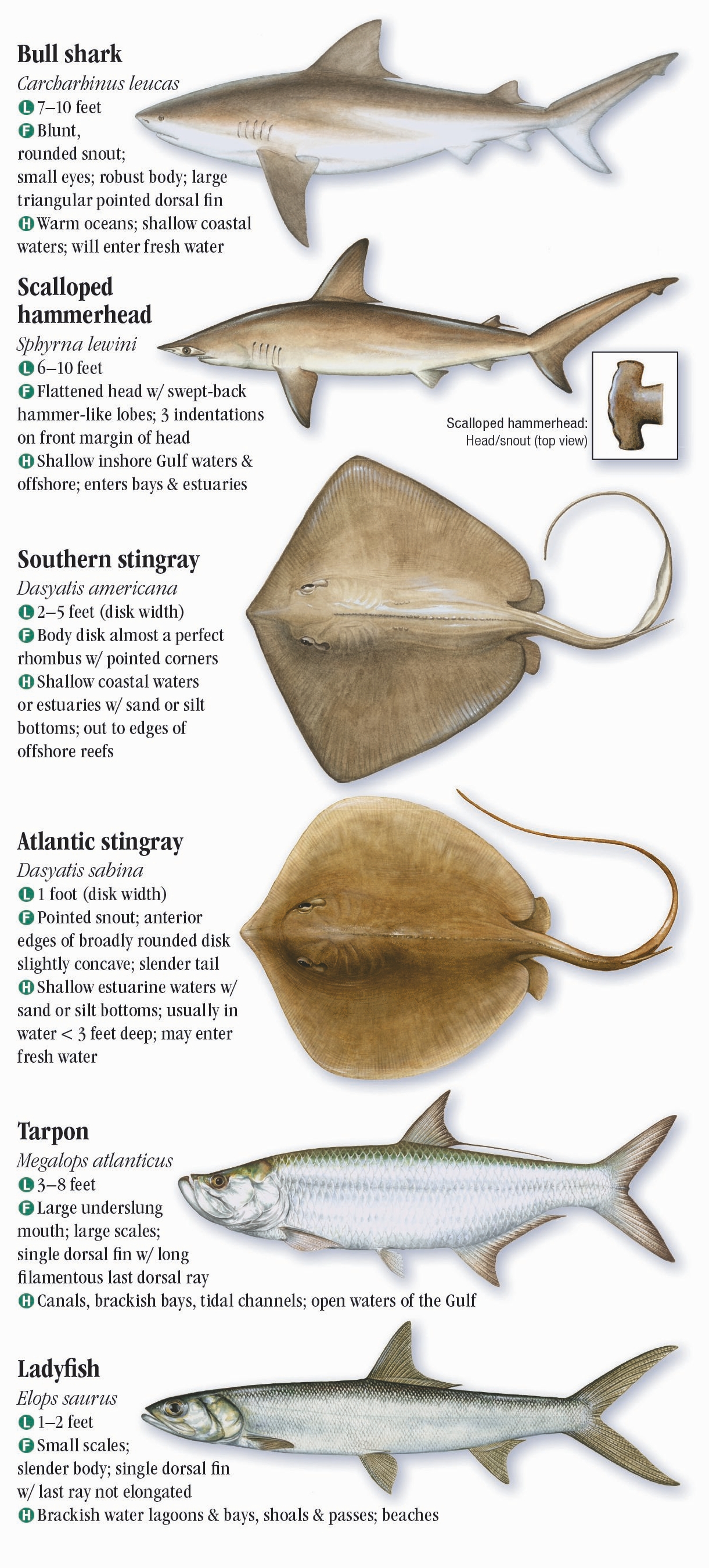
- Ladyfish: Known for leaping fights and silvery bodies.
- Bluefish: Sharp teeth and aggressive feeding habits.
- Mangrove Snapper: Found around structure; delicious, but often targeted by spearfishers.
- Tarpon: Rare but possible in late summer. Famous for acrobatic jumps.
Some species are more common in certain years or after storms, as water conditions can change quickly.
Why Mississippi’s Saltwater Fish Are Special
Mississippi’s coast is small compared to some Gulf states, but its fish diversity is impressive. The region’s estuaries and marshes are critical nurseries for many species. These habitats support not just fish, but also crabs, shrimp, and birds.
Two facts beginners often miss:
- Fish movement depends on tides and weather. Many species feed most actively when the tide is rising or falling, not at slack tide.
- Some fish change habitats as they grow. For example, young red drum spend time in marshes, then move to open water as adults.
Understanding these patterns can make your fishing trips more successful and respectful of the ecosystem.
Credit: dmr.ms.gov
Fishing Techniques For Mississippi’s Saltwater Fish
Fishing along the Mississippi coast can be as simple or as advanced as you like. Here are some popular methods and tips.
Shore And Pier Fishing
Many people start by fishing from public piers or beaches. Simple gear like a spinning rod, small hooks, and shrimp or cut bait works well for species like whiting, croaker, and sheepshead.
- Tip: Bring a small cast net to catch your own bait.
Boat And Kayak Fishing
Deeper waters and reefs are best reached by boat or kayak. This opens up opportunities for larger fish like red drum, cobia, and Spanish mackerel.
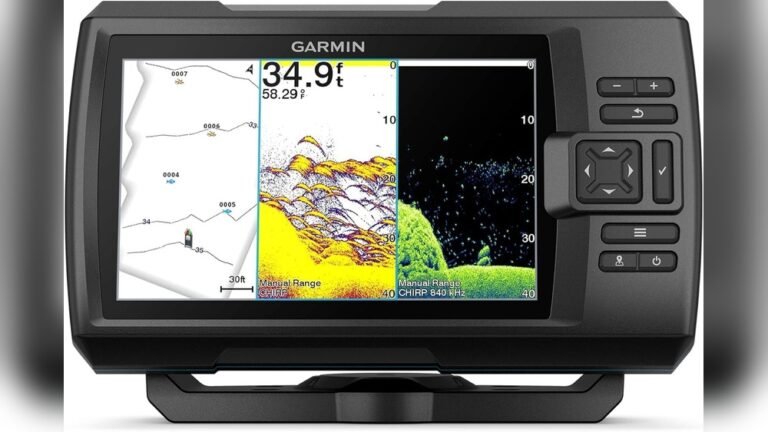
- Tip: Use a fish finder to locate underwater structure, where fish gather.
Night Fishing And Gigging
Some species, like flounder, are easiest to catch at night using a method called gigging. A bright light and a pointed spear are used to spot and catch fish in shallow water.
- Tip: Move slowly and look for the outline of flounder buried in the sand.
Conservation And Fishing Regulations
Healthy fish populations depend on responsible fishing. Mississippi has size and bag limits for many saltwater species to prevent overfishing and allow fish to reproduce.
Below is a comparison of some common size and bag limits (as of 2024):
| Species | Minimum Size | Bag Limit (per person/day) |
|---|---|---|
| Red Drum | 18 inches | 3 |
| Spotted Seatrout | 15 inches | 15 |
| Southern Flounder | 12 inches | 10 |
| Cobia | 36 inches | 2 |
Always check the latest rules at the Mississippi Department of Marine Resources before you fish. The state sometimes updates regulations based on fish population studies.

Credit: www.ebay.com
Where To Find Saltwater Fish On The Mississippi Coast
Different locations offer unique experiences and target species. Here’s a quick comparison:
| Location | Common Species | Best Season |
|---|---|---|
| Beaches (e.g., Biloxi, Gulfport) | Whiting, pompano, red drum | Spring–Fall |
| Piers (e.g., Ocean Springs, Long Beach) | Sheepshead, trout, croaker | Year-round |
| Barrier Islands | Speckled trout, flounder, jack crevalle | Summer |
| Deep Water Reefs | Cobia, snapper, mackerel | Late spring–early fall |
For the most variety, try exploring different spots throughout the year.
Unique Fishing Experiences In Mississippi
Fishing on the Mississippi coast is more than just catching fish. The region has a rich culture, with fishing tournaments, seafood festivals, and local guides who know every trick. Some anglers love kayak fishing in quiet marshes, while others enjoy the excitement of offshore trips for cobia or king mackerel.
If you’re new, consider hiring a charter captain for your first trip. They provide gear, local knowledge, and can teach you about the fish and environment. Many captains practice catch and release for certain species, helping to keep fish populations healthy.
Eating And Cooking Saltwater Fish
Fresh saltwater fish are a Mississippi tradition. Simple recipes often work best—like fried speckled trout, grilled redfish, or baked flounder. Here are a few practical cooking tips:
- Clean fish soon after catching. This keeps the meat firm and tasty.
- Don’t overcook. Most saltwater fish are best when cooked until just flaky.
- Try local flavors. Use Gulf Coast spices, lemon, and fresh herbs.
For more details on cooking and seafood safety, visit the FDA’s seafood safety guide.
Frequently Asked Questions
What Is The Best Time Of Year To Fish For Saltwater Species In Mississippi?
Spring and fall are usually best, as many fish migrate during these seasons. However, some species like sheepshead and black drum can be caught year-round, especially near structures like piers and jetties.
Do I Need A Fishing License To Catch Saltwater Fish In Mississippi?
Yes, most anglers need a valid Mississippi fishing license for saltwater fishing. There are exceptions for children and certain situations, but always check state regulations before you go.
Which Saltwater Fish Are Safe And Good To Eat?
Common edible species include red drum, speckled trout, flounder, pompano, and whiting. Always follow health advisories and practice good cleaning and cooking methods.
Can I Fish From The Shore Or Do I Need A Boat?
You can do both. Many species are accessible from beaches and piers, while a boat or kayak is needed for deep water fish like cobia and larger mackerel.
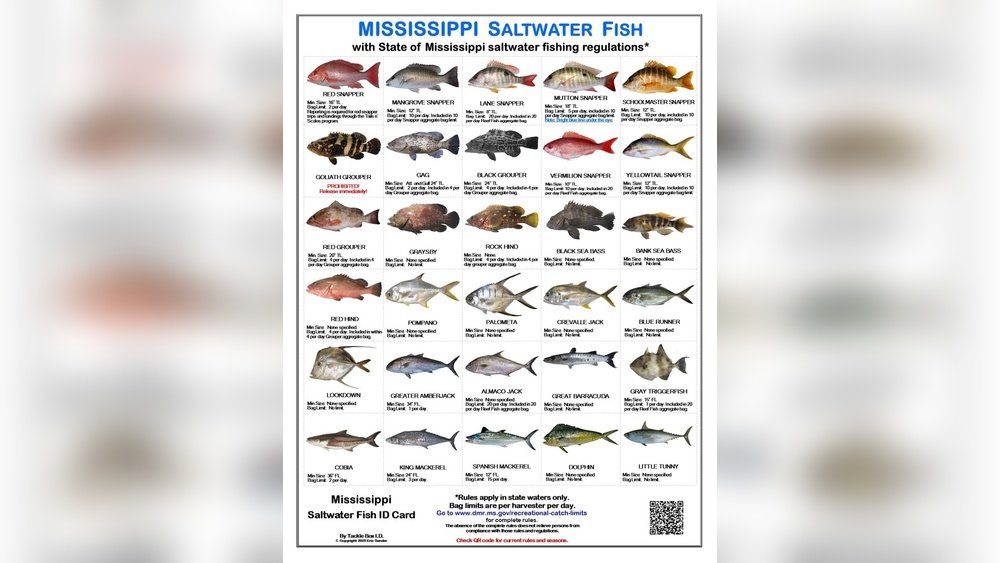
How Can I Identify Saltwater Fish I Catch?
Use a local fish identification guide, available at bait shops and online. Pay attention to features like body shape, color, fin structure, and markings. If unsure, take a photo and ask a local angler or conservation officer.
Mississippi’s saltwater fish offer something for everyone—from the thrill of the catch to the taste of a fresh meal. With a little knowledge and care, you can enjoy this Gulf Coast treasure for years to come.