Smallmouth Spinnerbaits: The Complete Angler’s Guide
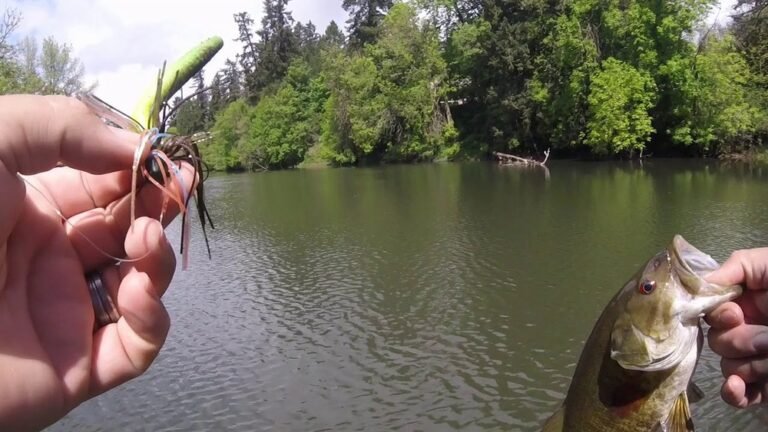
If you love fishing for smallmouth bass, you probably know the thrill of a hard-fighting fish on the end of your line. But what if you could catch more—and bigger—smallmouths, even on tough days? That’s where smallmouth spinnerbaits come in. These lures are famous among expert anglers, but beginners often miss out on their full potential. Whether you’re new to spinnerbaits or want to master their use, this guide covers everything you need. You’ll discover how spinnerbaits work, how to pick the best ones for smallmouths, and how to fish them in different conditions. Let’s unlock the secrets of spinnerbaits and help you land your next trophy smallmouth.
What Makes Spinnerbaits So Effective For Smallmouth Bass?
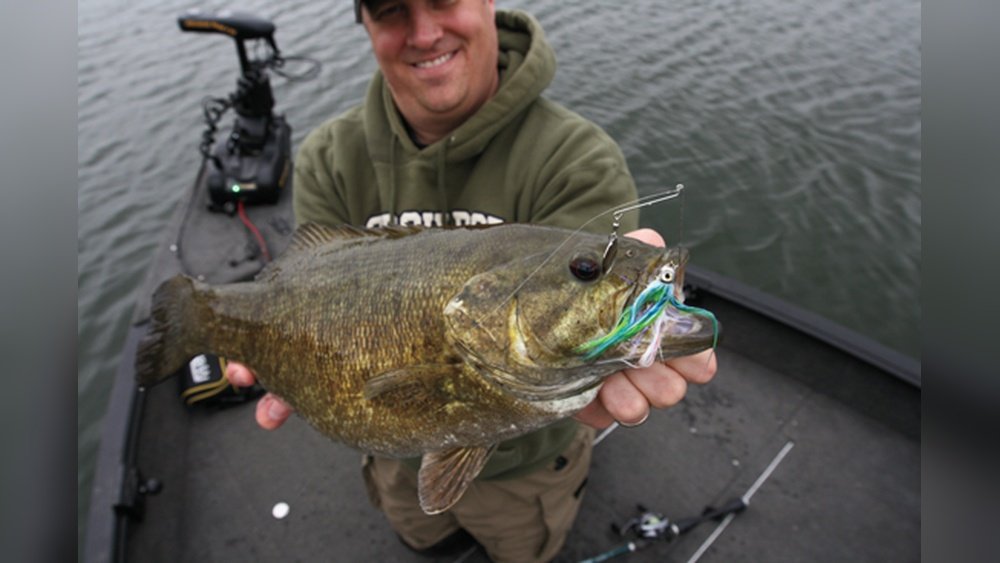
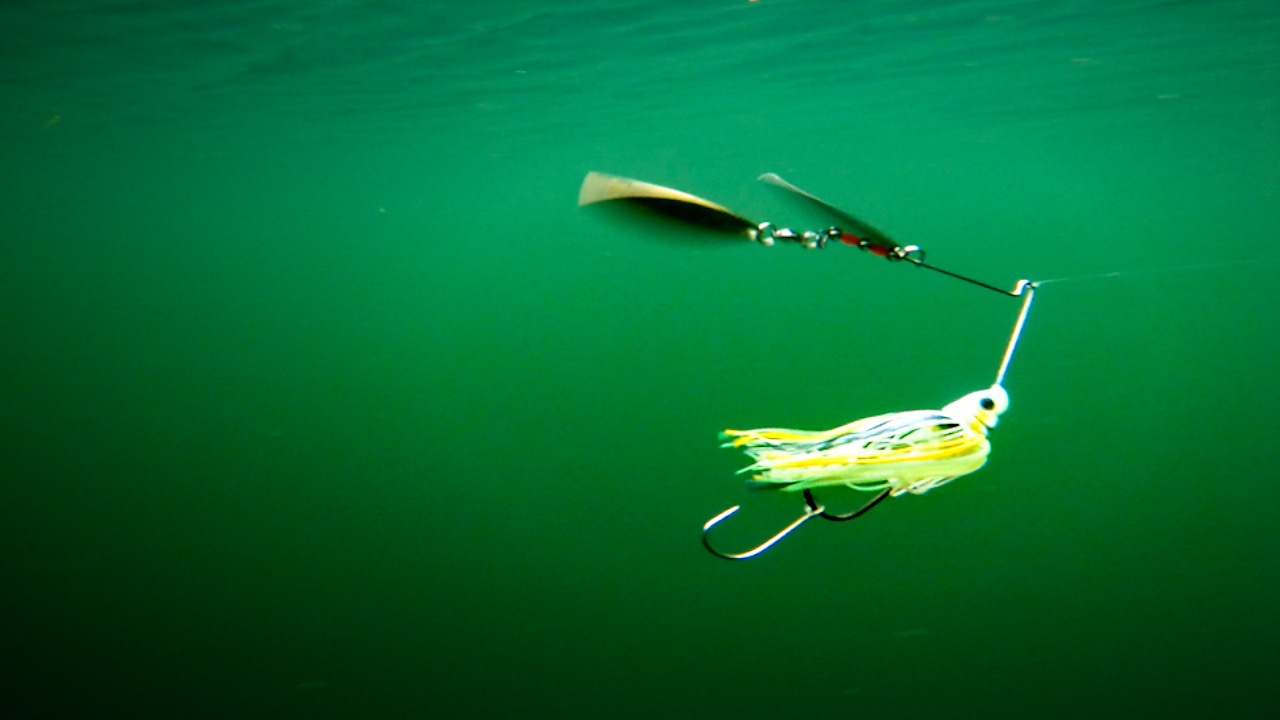
Most anglers know that spinnerbaits catch bass, but not everyone understands why they work so well for smallmouth. Spinnerbaits combine a metal blade (or blades) with a skirted hook and often a wire arm. When you retrieve the lure, the blades spin and flash, mimicking the flash and vibration of baitfish like shad or minnows.
Smallmouth bass are sight feeders. They love chasing moving targets, especially when light reflects off the blades. The vibration also triggers their lateral line—a sensory organ that detects movement in water. This means even in murky water, smallmouths can find and attack a spinnerbait.
What really sets spinnerbaits apart is their versatility. You can fish them fast or slow, deep or shallow, in current or calm water. That flexibility makes them a top choice when smallmouths are picky or the weather changes.
Key Features Of Smallmouth Spinnerbaits
Let’s look at what makes a spinnerbait right for smallmouth fishing. Not all spinnerbaits are created equal, and choosing the right features is critical for success.
| Feature | Why It Matters for Smallmouth | Typical Choices |
|---|---|---|
| Blade Type | Controls flash and vibration | Willow, Colorado, Indiana |
| Weight | Adjusts depth and casting distance | 1/4 oz, 3/8 oz, 1/2 oz |
| Skirt Color | Matches local baitfish or stands out | White, Chartreuse, Shad patterns |
| Size | Matches smallmouth prey size | Small to medium (2-3 inches) |
| Wire Arm | Impacts hook-up ratio and weed resistance | Standard, Short, Long |
Blade Types Explained
- Willow blades: Long, narrow, and flashy. Best for clear water and fast retrieves.
- Colorado blades: Rounder, more vibration. Good for murky water or night fishing.
- Indiana blades: A mix of flash and thump; versatile for many conditions.
Many smallmouth anglers prefer double willow or willow/Colorado combinations for the best of both worlds.
Weight And Size
A 3/8 oz spinnerbait is a classic choice. It’s heavy enough for long casts but not too large for smallmouths. Go lighter (1/4 oz) in shallow rivers or heavier (1/2 oz) for deep lakes or strong currents.
How To Choose The Right Spinnerbait For Smallmouths
Choosing a spinnerbait is not just about picking the prettiest lure. Consider these critical factors:
- Water Clarity: In clear water, use natural colors and willow blades. In stained water, try chartreuse skirts and Colorado blades for more vibration.
- Local Baitfish: Match the color and size of your spinnerbait to shad, minnows, or perch in your area.
- Depth and Current: Heavier spinnerbaits are better for deep or fast-moving water.
- Weather Conditions: Bright, sunny days often call for silver blades. Cloudy days or low-light? Use gold or painted blades.
- Fishing Pressure: In areas with many anglers, subtle colors and smaller sizes can fool wary smallmouths.
It helps to carry a few different spinnerbaits and switch based on the situation. Many pros keep a small box with various colors, weights, and blade styles.
Best Spinnerbait Colors For Smallmouth Bass
Color matters more than most beginners realize. The right color can be the difference between a slow day and a hot bite.
- White: Imitates shad and is a safe bet in most waters.
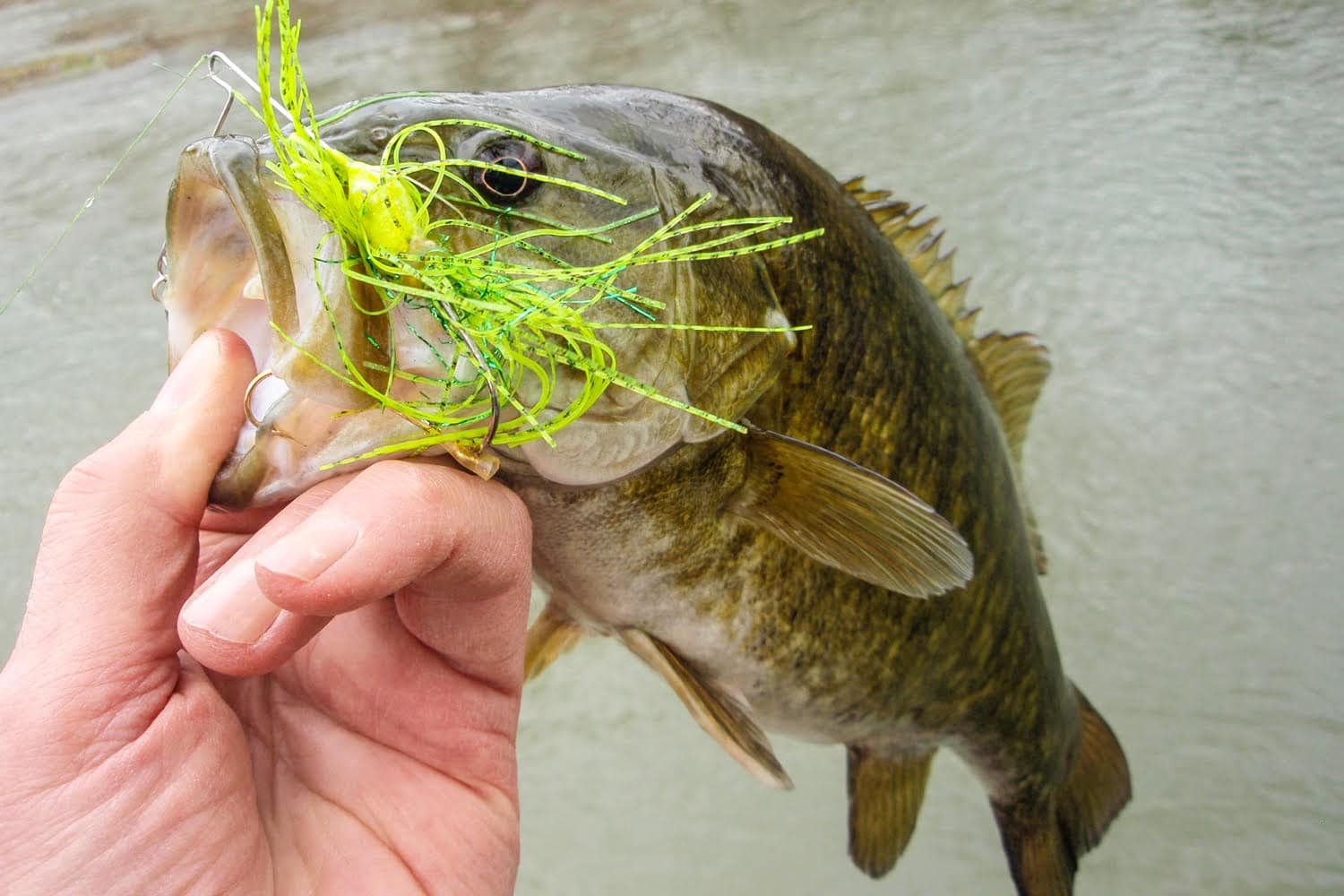
- Chartreuse: Bright and visible in murky or stained water.
- Shad Pattern: Combines white, silver, and sometimes a dash of blue or black for a realistic look.
- Firetiger: Green, orange, and black mix; stands out in dirty water or on cloudy days.
- Gold: Works well in tannin-stained rivers.
Pro tip: Sometimes, a two-tone skirt (like white and chartreuse) triggers more bites, especially when fish are pressured.
When And Where To Fish Spinnerbaits For Smallmouth
Smallmouth bass don’t stay in one place all year. To catch more fish, you need to know when and where spinnerbaits shine.
Best Times Of Year
- Spring: Pre-spawn and post-spawn periods are prime. Smallmouths are aggressive and chase moving lures.
- Fall: As water cools, smallmouths feed heavily before winter. Spinnerbaits cover water quickly, finding active fish.
- Early Summer: Good in rivers or where smallmouths stay shallow.
Spinnerbaits can also work in winter, but you must slow your retrieve way down.
Best Locations
- Rocky Banks: Smallmouths love rocks, gravel, and boulders.
- Current Breaks: Fish behind rocks, logs, or bridge pilings in rivers.
- Points and Flats: Cover water quickly to find roaming bass.
- Weed Edges: Spinnerbaits are weed-resistant, so cast along weed lines.
A key insight: Some of the best smallmouth bites happen in shallow water—sometimes less than 3 feet deep—even in big lakes.
How To Fish A Spinnerbait For Smallmouth Bass
Fishing a spinnerbait is more than just throwing and winding. Here’s how to get the most bites:
Basic Retrieve
Cast your spinnerbait near cover or structure. Let it sink to the desired depth, then start a steady retrieve. Keep your rod tip low to maintain a natural swimming action.
Slow-roll Technique
In cold water or tough conditions, try a slow, steady retrieve just above the bottom. The blades will spin slowly, tempting less active smallmouths.
Burning
On warm days or when smallmouths are chasing, reel quickly just under the surface. This triggers reaction strikes from aggressive fish.
Stop-and-go
Pause your retrieve for a second, then start again. The spinnerbait flutters down, often triggering a bite from a following smallmouth.
Bumping Structure
Let your spinnerbait bounce off rocks, logs, or docks. The sudden change in direction mimics a fleeing baitfish and triggers strikes.
A common beginner mistake: retrieving too fast in cold water. Slow down when fish are less active.
Credit: www.wired2fish.com
Modifying Spinnerbaits For More Smallmouth Bites
Even the best spinnerbait can be improved. Try these modifications for extra bites:
- Trailer Hook: Add a small hook behind the main hook to catch short-striking fish.
- Soft Plastic Trailer: Thread a small swimbait, grub, or craw on the hook for extra movement.
- Blade Swap: Change blade color or size to match conditions.
- Skirt Trim: Shorten the skirt slightly to expose more of the hook and improve hook-ups.
- Scent: Apply fish attractant spray to your skirt or trailer.
These little tweaks can make a big difference, especially on tough days.
Common Mistakes With Spinnerbaits (and How To Avoid Them)
Every angler makes mistakes, but some are easy to fix:
- Using the Wrong Size: Oversized spinnerbaits often scare smallmouths, especially in clear water. Stick to smaller profiles.
- Ignoring Blade Type: The wrong blade can mean no bites. Adjust based on water clarity and speed.
- Fishing Too Fast in Cold Water: Smallmouths get sluggish—slow down your retrieve.
- Not Covering Enough Water: Spinnerbaits are search baits. Keep moving and casting until you find active fish.
- Fishing Only Deep: Smallmouths often feed in very shallow water. Don’t ignore the shoreline.
A surprising insight: Sometimes, simply changing the blade from silver to gold—or vice versa—gets bites on tough days.
Comparing Spinnerbaits To Other Smallmouth Lures
How do spinnerbaits stack up against other popular smallmouth baits? Here’s a quick look:
| Lure Type | Best Use | Pros | Cons |
|---|---|---|---|
| Spinnerbait | Covers water, works in weeds | Versatile, weedless, flash + vibration | Can be bulky for clear water |
| Crankbait | Mid-depth rocks | Realistic action, dives deep | Snags easily, less weedless |
| Tube Jig | Bottom contact | Natural movement, subtle | Slow to fish, less visible |
| Topwater Plug | Early morning, summer | Exciting strikes, fun | Only works in certain conditions |
Spinnerbaits are not always the best choice, but they fill the gap when you need to cover water and trigger reaction bites.
Top Spinnerbait Brands For Smallmouth
You’ll find many spinnerbait brands, but some stand out for smallmouth fishing:
- Strike King: Wide selection, durable, and trusted by pros.
- Booyah: Known for their compact “Pond Magic” line, great for smallmouths.
- War Eagle: High-quality blades and wire, excellent out of the box.
- Terminator: Titanium wire for extra durability.
- Z-Man: Flexible wire and tough skirts.
Many anglers also customize store-bought spinnerbaits with their favorite skirts or trailers.
Advanced Tips For Consistent Success
To catch more—and bigger—smallmouths, try these expert tips:
- Vary Your Retrieve: Don’t just reel in straight. Experiment with speeds and pauses.
- Use Wind to Your Advantage: Windy banks often concentrate baitfish and active smallmouths.
- Watch for Follows: If a bass chases but doesn’t bite, pause or speed up your retrieve to trigger a strike.
- Fish at Different Angles: Cast both parallel and perpendicular to cover for more bites.
- Upgrade Your Hooks: Factory hooks are often dull. Sharpen or replace them for better hooksets.
Spinnerbait Maintenance And Storage
Spinnerbaits last longer if you take care of them:
- Rinse after Use: Especially after fishing in dirty water or saltwater.
- Dry Completely: Prevents rust on blades and hooks.
- Store Separately: Blades tangle easily. Use a spinnerbait box or hang them.
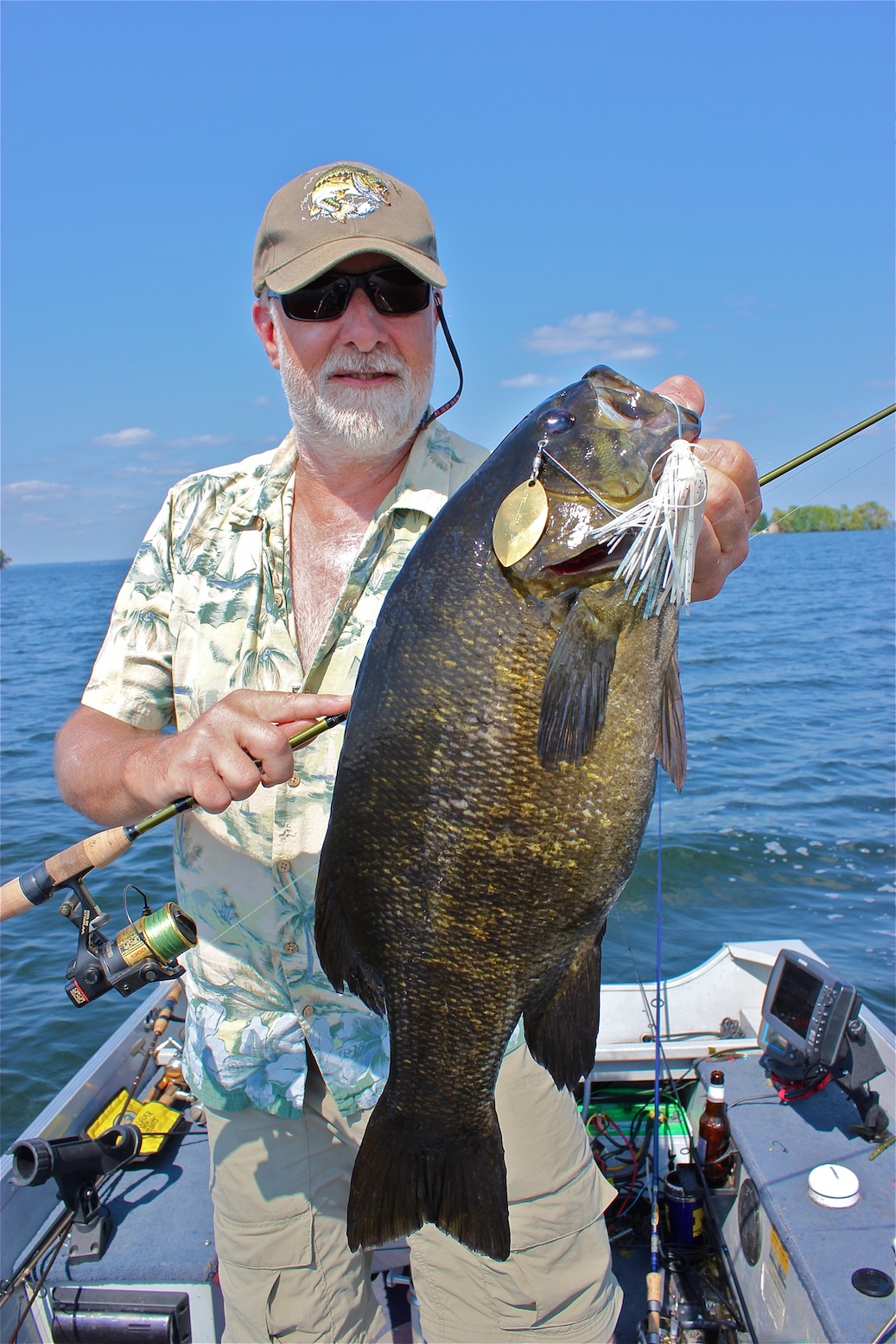
Check your spinnerbaits for bent wires, dull hooks, or worn skirts before each trip.
Credit: www.in-fisherman.com
Real-world Example: River Smallmouths In Spring
Imagine fishing a clear-flowing river in early May. Water is 55°F, and smallmouths are moving shallow. You tie on a 1/4 oz white/chartreuse spinnerbait with double willow blades. Casting upstream, you retrieve steadily, bumping rocks along the bottom. On your third cast, a strong smallmouth nails the spinnerbait right at your feet.
This is a common scenario, but many anglers miss bites by fishing too deep or with the wrong blade style. Adjusting your spinnerbait to river conditions brings more action.
Frequently Asked Questions
What Size Spinnerbait Is Best For Smallmouth Bass?
A 1/4 to 3/8 oz spinnerbait is ideal for most smallmouth bass fishing. These sizes match the smaller baitfish smallmouths eat and are easy to cast in rivers and lakes.
Can I Use Spinnerbaits In Cold Water?
Yes, spinnerbaits work in cold water, but slow your retrieve. Use Colorado blades for more vibration, and let the lure tick along the bottom to tempt sluggish bass.
What Rod And Reel Setup Should I Use With Spinnerbaits?
A medium or medium-heavy spinning or baitcasting rod (6’6″ to 7′) with a fast action is perfect. Use 10–14 lb fluorocarbon or mono for better sensitivity and hooksets.
How Do I Know What Color Spinnerbait To Use?
Match your spinnerbait color to the local baitfish and water clarity. Use natural colors in clear water and brighter colors like chartreuse in stained or murky water.
Are There Any Rules Or Restrictions For Spinnerbaits?
Some lakes or rivers have rules about lure size or number of hooks. Always check your local fishing regulations before you fish. For more details, visit the official regulations site.
Smallmouth spinnerbaits are a top tool in any angler’s tacklebox. With the right selection, technique, and a few smart adjustments, you’ll discover why so many experts rely on these classic lures. The next time you’re on the water, tie on a spinnerbait and get ready for some of the most exciting smallmouth action you’ve ever had.
Credit: midwestoutdoors.com