Sleeping in an ice fishing tent sounds adventurous, but is it really possible—or safe? Every winter, thousands of anglers set up ice fishing tents to stay warm while catching fish on frozen lakes. Some people wonder if these portable shelters can double as overnight camps. If you’re considering spending the night in an ice fishing tent, you should know the risks, the best practices, and what gear will keep you comfortable. This guide will help you decide if sleeping in an ice fishing tent is right for you, and how to make it safer, warmer, and more enjoyable.
What Is An Ice Fishing Tent?
Ice fishing tents (also called ice shanties or shelters) are lightweight, portable structures designed for use on frozen lakes. They protect anglers from wind, snow, and freezing temperatures. Most tents are made from thick fabric, supported by metal or plastic frames. Some models are “pop-up” style, while others are built more solidly for longer stays.
There are three main types:
- Flip-over shelters: Compact, easy to move, usually for one or two people.
- Hub-style tents: Fold out like an umbrella, good for groups.
- Permanent shanties: Built on the ice, often with wood or metal, and meant to stay in place all season.
Most people use portable tents for day trips, but some try to sleep in them for longer fishing adventures.
Is It Safe To Sleep In An Ice Fishing Tent?
Sleeping overnight in an ice fishing tent can be safe, but only with the right preparation. Cold, moisture, and carbon monoxide are real dangers. The key is to understand the risks and how to manage them.
Cold And Hypothermia
Even with a tent, temperatures on the ice can drop below zero. Hypothermia occurs when your body loses heat faster than it can produce it, which can be deadly. You need proper insulation, sleeping bags rated for extreme cold, and layered clothing.
Carbon Monoxide Risk
Many anglers use propane heaters inside their tents. These heaters can produce carbon monoxide—an odorless, deadly gas. Without good ventilation, carbon monoxide builds up quickly. Always use a CO detector and keep vents open.
Ice Safety
Ice thickness changes throughout the winter. Sleeping overnight adds weight and time, increasing risk. Experts recommend at least 8 inches of clear, solid ice for safety. Avoid areas with cracks, moving water, or pressure ridges.
Preparing Your Ice Fishing Tent For Sleeping
If you want to sleep in an ice fishing tent, preparation is everything. Here’s what you need to do:
Choose The Right Tent
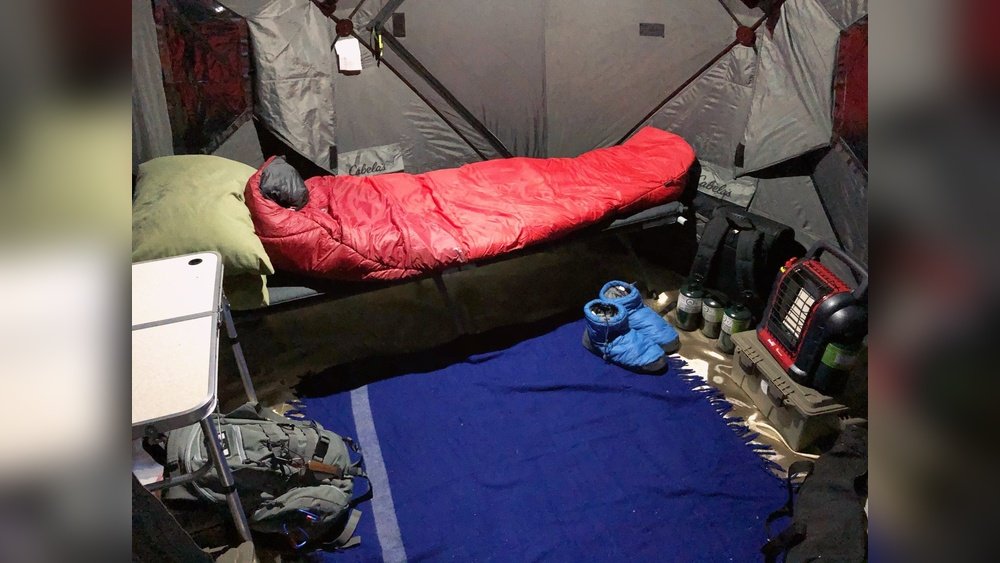
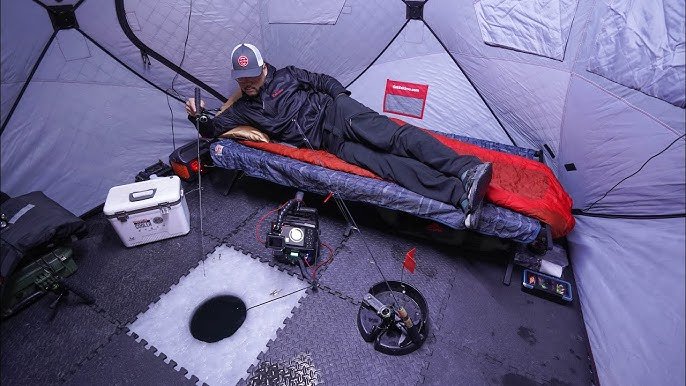
Pick a tent with strong walls, wind resistance, and good ventilation. Some hub-style tents are large enough for cots and extra gear. Insulated tents are best for overnight stays.
Insulate The Floor
The ice under your tent is extremely cold. Place a thick mat, foam pad, or carpet on the floor. This barrier keeps cold from seeping into your sleeping bag.
Use A Cold-weather Sleeping Bag
Get a sleeping bag rated for -20°F or lower. Sleeping bags made with synthetic or down insulation perform best.
Add A Cot Or Sleeping Pad
Sleeping directly on the ice is uncomfortable and cold. A cot lifts you off the ground, reducing heat loss. A foam sleeping pad adds insulation.
Bring Extra Blankets And Layers
Wear thermal underwear, wool socks, and a warm hat. Bring extra blankets to cover yourself and your gear.
Set Up Ventilation
Open small vents or windows to allow airflow. This prevents condensation and keeps air fresh, especially if you use a heater.
Essential Gear For Overnight Ice Fishing
Here are the must-have items for sleeping in an ice fishing tent:
- Insulated tent
- Foam floor mats or carpets
- Cold-rated sleeping bag
- Cot or thick sleeping pad
- Portable propane heater (with CO detector)
- Extra batteries or power bank
- Lantern or headlamp
- Warm clothing and boots
- Food and drinks (hot soup, tea, snacks)
- Waterproof bags for electronics
- First-aid kit
- Emergency phone or radio
Unexpected weather or emergencies can happen, so pack extra supplies.
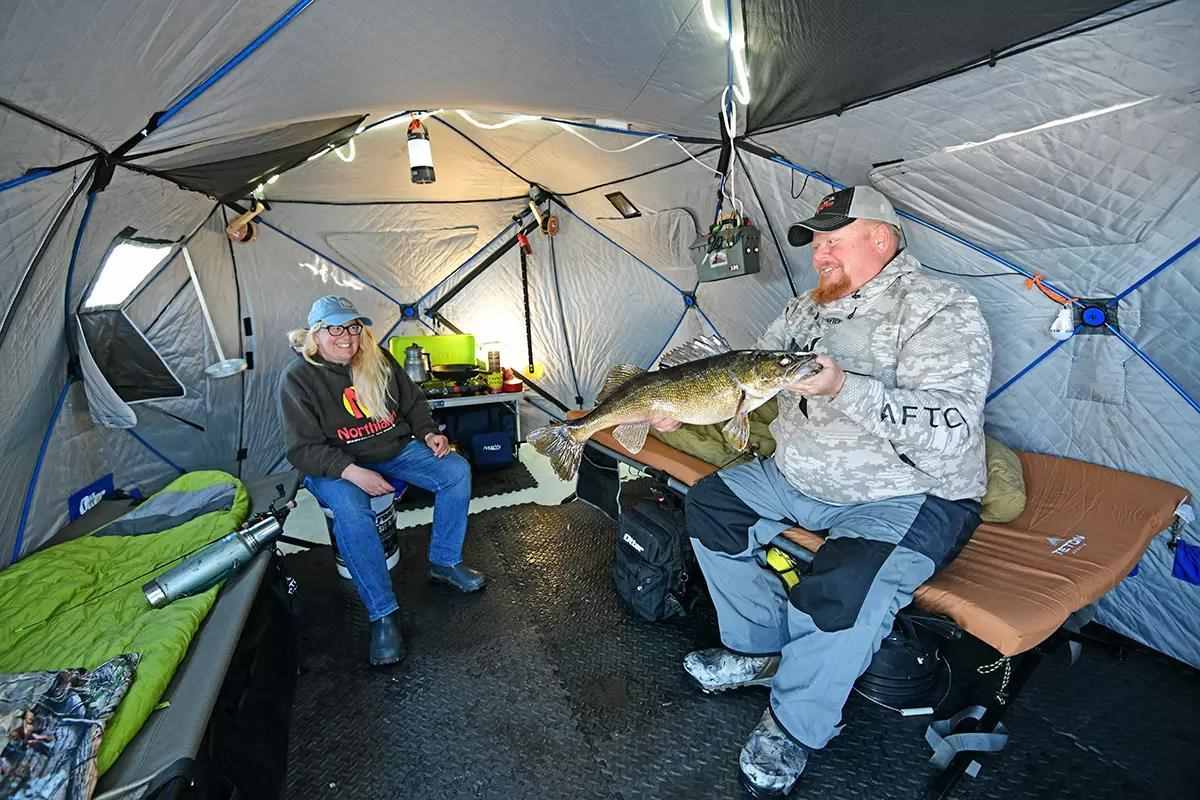
Credit: www.in-fisherman.com
Common Mistakes People Make
Many beginners assume their tent alone will keep them warm, but that’s rarely true. Here are mistakes to avoid:
- Ignoring ventilation: Blocking vents can cause carbon monoxide buildup.
- Bringing a regular sleeping bag: Standard bags aren’t warm enough for subzero nights.
- Sleeping directly on the ice: This drains body heat quickly.
- Overloading the tent: Too many people or gear can make the tent unstable.
- Not checking ice thickness: Thin ice can crack or break under the weight.
A less obvious mistake is forgetting about condensation. Moisture from breathing and heaters can soak your gear, making you colder.
How Does Sleeping In A Tent Compare To Other Overnight Ice Options?
Some anglers use permanent shanties or even ice houses with wood stoves. Here’s a comparison of sleeping options:
| Option | Warmth | Safety | Comfort | Portability |
|---|---|---|---|---|
| Ice Fishing Tent | Medium | Depends on prep | Low to Medium | High |
| Permanent Shanty | High | Very Safe | High | Low |
| Ice House (RV style) | Very High | Very Safe | Very High | None |
Portable tents are best for mobility, but lack the comfort and warmth of permanent shelters.
Credit: fishingbooker.com
Real-life Examples: Sleeping In Ice Fishing Tents
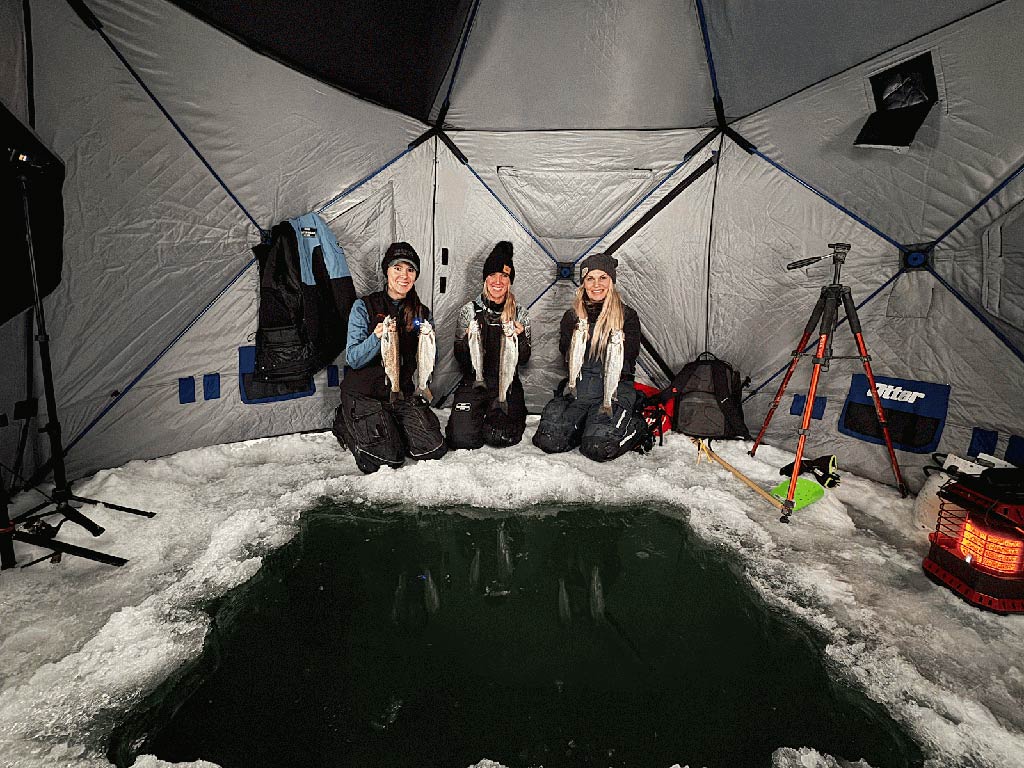
Many anglers have spent nights in ice fishing tents. In Minnesota, the “ice camping” trend has grown, with families sleeping on the ice during tournaments. Most report that insulated tents with heaters work well, but you must be ready for sudden cold snaps.
One experienced fisherman describes using a hub-style tent, foam mat, and a cot. He kept warm with a propane heater, but checked his CO detector every hour and never closed all vents.
Some campers use hot water bottles and battery-powered electric blankets for extra warmth. Others recommend eating high-calorie foods, like peanut butter or oatmeal, to help the body stay warm overnight.
Weather And Temperature Data For Ice Camping
Sleeping on the ice means dealing with extreme cold. Here’s a typical winter night on a Midwestern lake:
| Time | Temperature (°F) | Wind Speed (mph) | Feels Like (°F) |
|---|---|---|---|
| 6:00 PM | 15 | 5 | 7 |
| 10:00 PM | 5 | 10 | -7 |
| 2:00 AM | -5 | 12 | -19 |
| 6:00 AM | -10 | 8 | -22 |
The wind makes temperatures feel much colder. Insulation, heaters, and proper gear are essential.
Useful Tips For A Comfortable Night
To make your overnight stay smoother, try these tips:
- Keep batteries warm: Cold drains battery power fast. Store electronics in your sleeping bag.
- Eat warm, high-energy food: Hot meals and snacks help your body produce heat.
- Use chemical heat packs: Put them in your socks, gloves, or sleeping bag.
- Keep water bottles upside down: Ice forms at the top first, so you’ll still have liquid in the morning.
- Set up before dark: It’s much easier to arrange your tent and gear while there’s daylight.
A smart move is to do a “test night” in your backyard or a safe area before venturing out onto the ice.
Legal And Local Considerations
Not every lake allows overnight camping. Always check local laws and regulations before sleeping in an ice fishing tent. Some states require permits for overnight stays, and others ban open fires or heaters. Rangers may inspect shelters for safety.
For up-to-date rules and safety advice, visit official sites such as Minnesota Department of Natural Resources.
Credit: www.youtube.com
How To Choose The Best Tent For Sleeping
When picking a tent for overnight use, focus on these features:
- Insulation: Thicker walls keep heat inside.
- Ventilation: Adjustable vents prevent condensation and CO buildup.
- Size: Enough space for sleeping gear and movement.
- Stability: Strong poles and anchors resist wind.
- Portability: Easy to set up and move.
Here’s a quick comparison of popular models:
| Tent Model | Insulation | Ventilation | Size (ft) | Weight (lbs) |
|---|---|---|---|---|
| Eskimo FatFish 949i | Insulated | Good | 9 x 4 | 34 |
| Clam X-Series Hub | Insulated | Excellent | 8 x 8 | 55 |
| Otter XT Pro Lodge | Insulated | Good | 8 x 4 | 68 |
Look for models with strong reviews and proven warmth.
Frequently Asked Questions
Can A Regular Camping Tent Be Used For Ice Fishing Overnight?
Regular tents are not designed for cold, wind, or moisture found on frozen lakes. Ice fishing tents are insulated, windproof, and have anchors for stability. Using a regular tent can be dangerous and uncomfortable.
How Do You Prevent Condensation Inside The Tent?
Open vents or windows a little, even in cold weather. Avoid breathing directly onto cold surfaces. Use moisture-wicking bedding, and keep wet clothes outside the sleeping area.
What Is The Minimum Ice Thickness Needed For Sleeping?
Experts recommend at least 8 inches of clear, solid ice for overnight stays. Check ice thickness regularly, and avoid areas near moving water or cracks.
Can You Use A Propane Heater All Night?
It’s possible, but only with a carbon monoxide detector and good ventilation. Never leave the heater unattended. Some heaters have automatic shut-off for safety.
What Should You Do If Your Tent Gets Too Cold At Night?
Add extra blankets, use chemical heat packs, and eat hot food. If temperatures drop dangerously, leave the ice and seek shelter. Safety is more important than comfort.
Sleeping in an ice fishing tent is possible, but it requires careful planning. With the right gear and knowledge, you can enjoy a unique winter adventure and catch more fish. Always prioritize safety and check local regulations before heading out.
If you’re well prepared, your night on the ice can be memorable, warm, and rewarding.