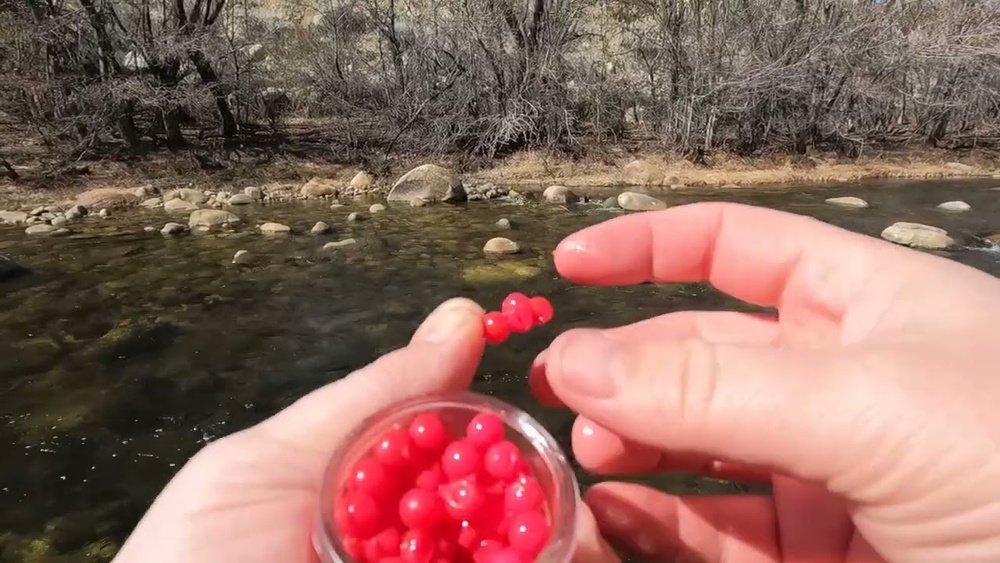
Many anglers want to catch trout, but choosing the right bait can be confusing. You might hear about worms, lures, or even corn. Yet, one bait stands out for both beginners and experienced fishers: salmon eggs. These bright, round baits have been trusted for decades. But are salmon eggs really good for trout fishing? Let’s explore how effective they are, how to use them, and what makes them unique. You’ll get practical advice and insights to help you catch more trout, whether you fish in lakes, rivers, or streams.
Why Trout Love Salmon Eggs
Trout are naturally attracted to salmon eggs. In the wild, salmon lay eggs in streams and rivers, and trout often feed on them. This is especially true in areas where salmon spawn. The eggs provide a rich source of protein and nutrients. Their color and scent make them easy for trout to spot, especially in clear water.
Salmon eggs are not just food; they’re a signal. For trout, eggs mean a feast is available. Sometimes, trout even follow salmon to eat their eggs. Using salmon eggs as bait taps into this natural behavior. That’s why they work so well, even in places where salmon don’t live.
Types Of Salmon Eggs For Fishing
Not all salmon eggs are the same. The market offers different choices, each with pros and cons. Here’s a clear look at the most popular types:
| Type | Main Features | Best Use |
|---|---|---|
| Natural Eggs | Fresh, true scent, soft texture | Wild streams, active trout |
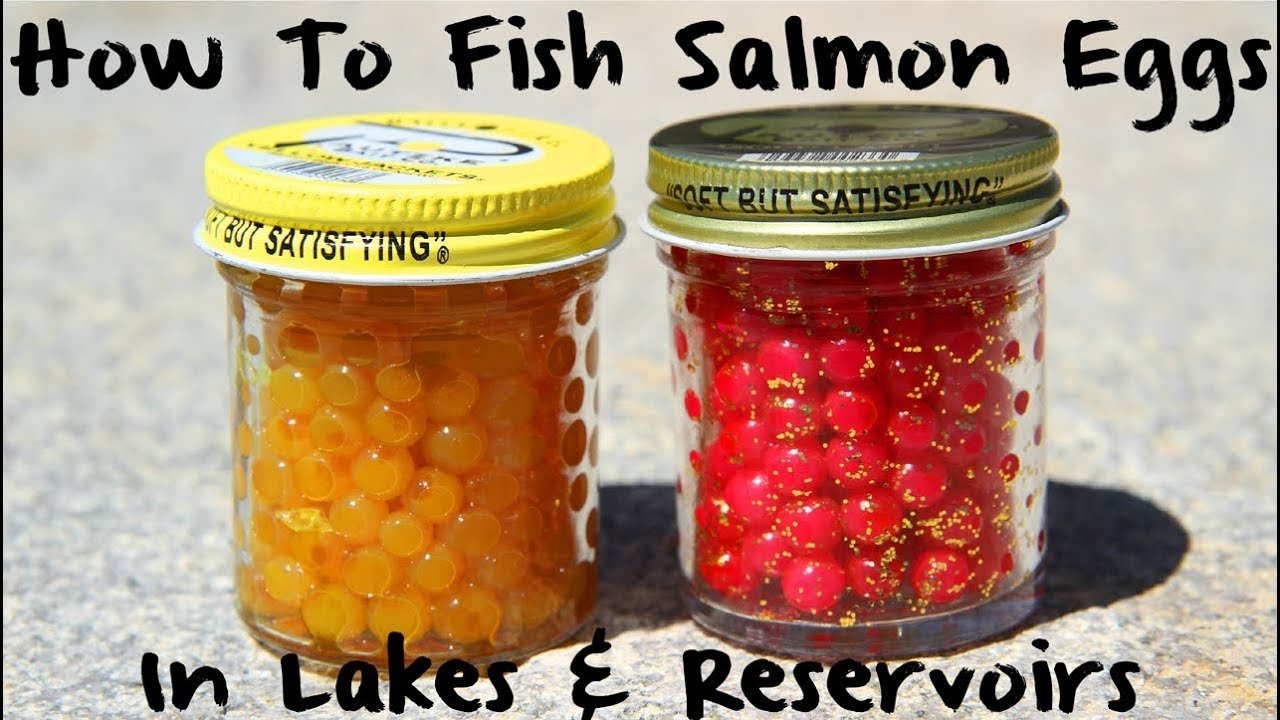
| Cured Eggs | Long shelf life, strong smell | Lakes, rivers, colder water |
| Artificial Eggs | Plastic, reusable, bright color | High-pressure spots, catch-and-release |
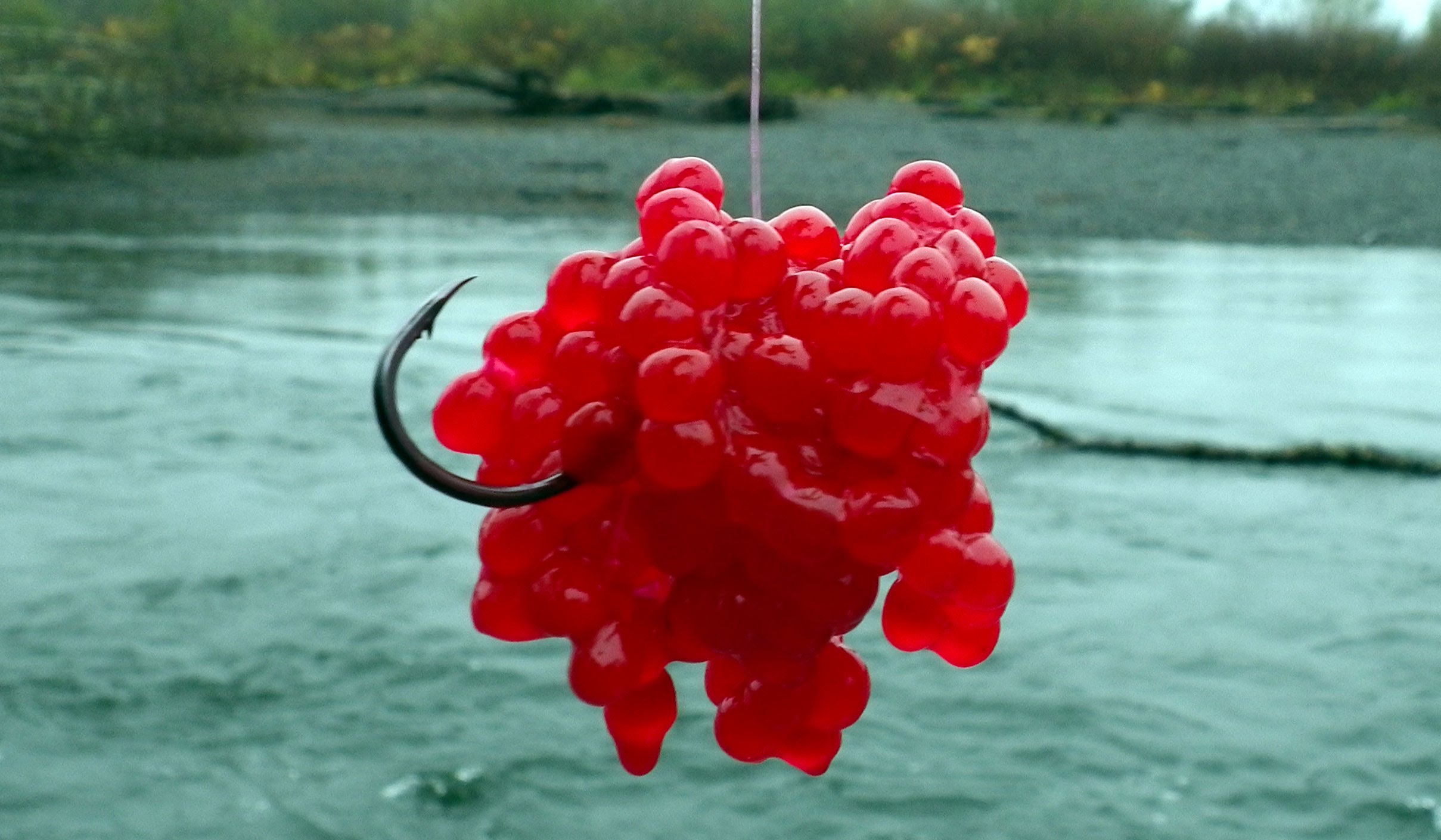
Natural eggs come directly from salmon. They work best when fresh and are usually used right after harvest. Cured eggs are treated with salt or chemicals to last longer. They often have a stronger smell, which can help attract trout from farther away. Artificial eggs are made from plastic or rubber. They mimic the look of real eggs and are good in areas where you must release fish or avoid using real bait.
Credit: tedspawn.com
How To Rig Salmon Eggs For Trout
Using salmon eggs is simple, but the right rig makes a big difference. If you use too large a hook, trout might ignore the bait. Too small, and you risk losing the fish. Here’s a common setup:
- Choose a size 12 to 16 hook. These are small enough for trout to bite easily.
- Thread one or two salmon eggs onto the hook. Don’t overload—trout prefer a natural look.
- Add a light split shot weight about 12 inches above the hook. This keeps the bait near the bottom but lets it drift naturally.
- Use a light fishing line (2–6 lbs test). Trout are wary, and thick lines can scare them.
For rivers, try drifting your eggs with the current. In lakes, cast near structures like rocks or fallen trees. Salmon eggs are best fished slowly, giving trout time to spot and bite.
Salmon Eggs Vs Other Trout Baits
Many baits work for trout, but salmon eggs have unique strengths. Let’s compare salmon eggs with worms, corn, and artificial lures:
| Bait Type | Attractiveness | Ease of Use | Best Conditions |
|---|---|---|---|
| Salmon Eggs | High | Easy | Clear, cold water |
| Worms | Medium | Easy | Muddy, warmer water |
| Corn | Low-Medium | Very easy | Stocked lakes |
| Artificial Lures | Varies | Moderate | Active trout, fast water |
Salmon eggs shine in clear or cold water where trout are cautious. Worms are good in muddy or warmer conditions. Corn often attracts stocked trout but is less effective for wild fish. Artificial lures need more skill but can catch bigger trout.
Credit: www.youtube.com
How To Choose The Right Salmon Eggs
Choosing the best salmon eggs can make your trip more successful. Look for:
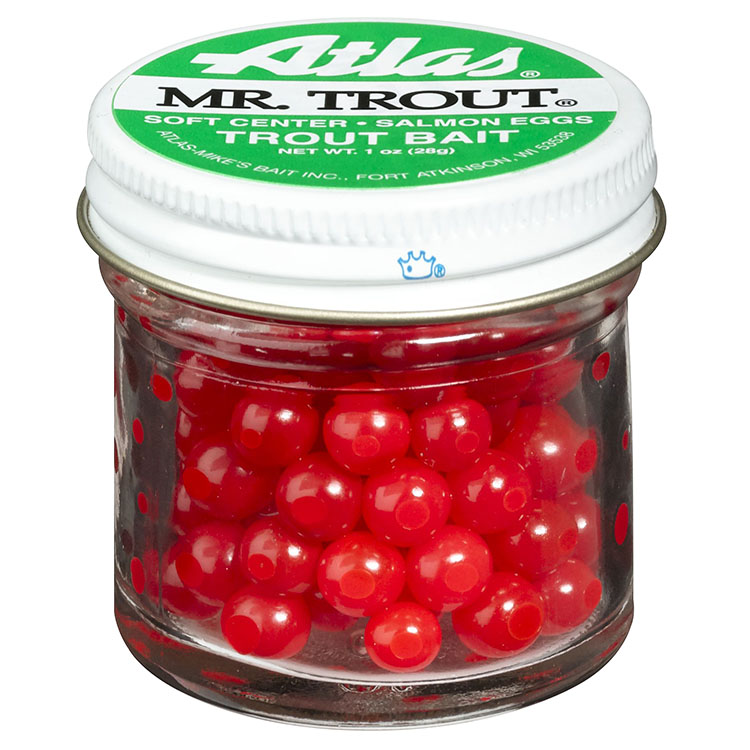
- Freshness: Natural eggs should look shiny and firm. Dull or mushy eggs are less effective.
- Color: Bright red or orange eggs are most attractive. Faded colors might not work as well.
- Scent: Strong, natural smell draws trout. Some brands add extra scent to cured eggs.
- Size: Medium eggs fit most hooks and are easy for trout to eat.
Some brands offer “deluxe” eggs with extra scent or color. These can help in busy fishing areas. Always check local rules—some places restrict certain baits.
Practical Tips For Success
Many beginners make mistakes with salmon eggs. Here are practical tips to avoid common problems:
- Don’t use too many eggs. One or two is enough.
- Keep your bait fresh. If your eggs dry out, trout may ignore them.
- Fish slowly. Trout often study the bait before biting.
- Use clear water for best results. Muddy water makes it harder for trout to see eggs.
- Change eggs after a few casts. Old eggs lose scent and color quickly.
A little patience goes a long way. If you don’t get bites, try moving to deeper water or near rocks.
Credit: atlasmikes.com
When Salmon Eggs Work Best
Salmon eggs are not always the perfect bait. Their effectiveness depends on several factors:
- Season: Spring and fall are best. Trout feed heavily after winter and before spawning.
- Water Temperature: Cold water helps scent travel farther. Salmon eggs excel in water below 60°F.
- Trout Species: Rainbow trout love salmon eggs. Brown trout and brook trout will also bite, but sometimes prefer worms or insects.
If you fish in a river with salmon runs, eggs are the top choice. In lakes, salmon eggs work well near inlets or where trout gather.
Common Mistakes To Avoid
Even experienced anglers make mistakes. Here are some to watch out for:
- Using oversized hooks. Trout ignore big hooks.
- Overloading bait. Too many eggs look unnatural.
- Ignoring water clarity. Salmon eggs work best when trout can see them.
- Not checking regulations. Some areas ban real salmon eggs to protect fish populations.
By avoiding these mistakes, you give yourself the best chance for a successful catch.
Environmental And Legal Considerations
Using salmon eggs affects the environment. Overuse of real eggs can stress salmon populations. Many areas ask anglers to use cured or artificial eggs instead. Always check local fishing rules before using salmon eggs. Some states, like California and Oregon, have strict guidelines.
Artificial eggs offer a safe alternative. They last longer and don’t harm fish populations. You can find brands that mimic scent and color closely.
For up-to-date rules and conservation advice, visit official resources like California Department of Fish and Wildlife. Responsible fishing helps protect trout and salmon for future generations.
Real-life Examples And Results
Anglers across the US report strong results with salmon eggs. In the Pacific Northwest, trout caught on salmon eggs often outnumber other baits. For example, during the spring run in Washington, catch rates increase by 30–40% when using salmon eggs compared to worms.
In Colorado, many stocked lakes see better action with salmon eggs early in the season. Experienced guides say that using cured eggs with added scent leads to more bites in cold water.
Some beginners notice that switching from corn to salmon eggs doubled their catch rates. However, in heavily fished lakes, trout sometimes get used to seeing salmon eggs. In these spots, try artificial eggs or add scent to stand out.
Salmon Egg Storage And Handling
Keeping salmon eggs fresh is important. Here’s how to store them:
- Natural eggs: Keep cool and moist. Use a sealed container in a fridge or cooler.
- Cured eggs: Store in airtight jars. They last for months at room temperature.
- Artificial eggs: No special care needed. Just keep clean and dry.
Avoid leaving eggs in direct sunlight. Heat and dryness reduce their scent and color. Always bring extra eggs—losing bait mid-trip can ruin your day.
Salmon Eggs: Pros And Cons
Let’s review the strengths and weaknesses of using salmon eggs for trout fishing:
| Pros | Cons |
|---|---|
| High trout attraction | Can be banned in some areas |
| Easy to use | Requires fresh storage |
| Works in cold, clear water | Less effective in muddy water |
| Available in many forms | Can harm salmon populations if overused |
The pros outweigh the cons for most anglers. But always check regulations and fish responsibly.
Frequently Asked Questions
Are Salmon Eggs Safe For Trout Fishing In All States?
No. Some states restrict or ban real salmon eggs to protect local fish populations. Always check your local rules before using them.
How Many Salmon Eggs Should I Use On A Hook?
Use one or two eggs per hook. Too many eggs look unnatural and may scare trout away.
Do Artificial Salmon Eggs Work As Well As Real Ones?
Artificial eggs can be very effective, especially in busy fishing spots or where real eggs are banned. Adding scent can improve results.
What Is The Best Hook Size For Salmon Eggs?
The best hook sizes are 12 to 16. These are small enough for trout to bite but strong enough to hold the fish.
Can I Use Salmon Eggs For Other Fish Besides Trout?
Yes, some other fish like steelhead and panfish also bite salmon eggs. But trout are the primary target for this bait.
Salmon eggs are a powerful tool for trout fishing. They attract fish naturally and are easy to use. By understanding how and when to use them, you can improve your catch rates and enjoy more successful trips. Remember to fish responsibly, follow local rules, and keep your bait fresh.
With these tips, you’ll be ready for your next adventure—maybe your biggest trout yet.