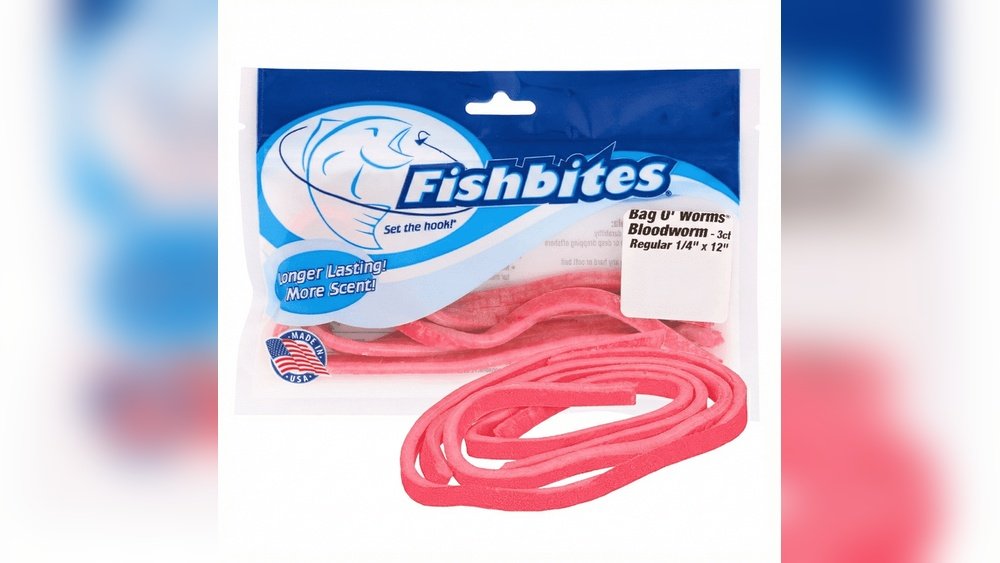
Using Worms As Bait For Saltwater Fishing
Saltwater fishing is a favorite outdoor activity for many. It brings excitement and sometimes a good meal. One simple and effective bait is the worm. Anglers use worms for freshwater, but worms also work well in saltwater. They are natural, available, and attract many fish species. If you want to improve your saltwater fishing skills, learning how to use worms as bait can help you catch more fish. This article explains the types of worms, how to prepare them, tips for using them, and common mistakes to avoid. You’ll also find practical comparisons and answers to frequent questions.
Why Worms Are Effective For Saltwater Fishing
Worms are not just for freshwater fishing. Saltwater fish like striped bass, flounder, sea bream, and whiting often feed on worms. Worms look and smell natural. Their movement is attractive in the water, and their scent spreads quickly, drawing fish from a distance.
Some important reasons worms work well:
- Natural scent: Fish rely on smell. Worms release a scent that triggers feeding.
- Lively movement: Worms wiggle, creating vibrations. Fish sense this and come closer.
- Easy to use: Worms can be hooked simply. Beginners can learn fast.
Worms are especially useful when fish are picky or when artificial lures fail. In muddy or cloudy water, worms are often more visible and appealing.
Common Types Of Worms For Saltwater Fishing
Not all worms are the same. Saltwater anglers use specific worms because they survive longer and attract more fish. Here’s a comparison of popular saltwater worms:
| Worm Type | Size | Best Target Fish | Availability |
|---|---|---|---|
| Bloodworm | 6-12 inches | Striped bass, flounder | Easy in bait shops |
| Sandworm | 4-10 inches | Sea bass, porgy | Moderate, coastal areas |
| Ragworm | 3-8 inches | Whiting, cod | Good in Europe, less in US |
| Lugworm | 2-6 inches | Flatfish, sea bream | Common on UK beaches |
Bloodworms
Bloodworms are bright red and easy to spot. They are expensive but highly effective. Their strong scent and color attract big fish. Handle with care; they can bite.
Sandworms
Sandworms are thinner and lighter in color. They live in sandy beaches and tidal flats. They work well for most saltwater species. Some anglers dig them, but they’re also sold in stores.
Ragworms
Ragworms are mainly used in Europe but are gaining popularity in the US. They are tough and last longer on the hook. Their wriggling attracts fish in deeper water.
Lugworms
Lugworms look like earthworms but live in sand. They are common in the UK and useful for flatfish. They are less lively but their scent is strong.

Credit: linearcollider.org
Preparing Worms For Saltwater Fishing
Proper preparation makes worms more attractive and easier to use. Here’s what you should do:
- Keep worms alive: Store them in moist sand or seaweed. Avoid fresh water.
- Handle gently: Worms break easily. Use soft hands or a small scoop.
- Cutting worms: For bigger hooks or smaller fish, cut worms into pieces. Use sharp scissors and avoid squeezing.
- Threading on hook: Slide the worm onto the hook from the head, covering the hook as much as possible. Leave the tail to wiggle.
Some anglers use multiple worms for bigger fish. For example, threading two sandworms increases movement and scent.
How To Hook Worms For Different Saltwater Fish
Hooking technique depends on the fish you target. Here’s a practical comparison:
| Fish Species | Hook Size | Worm Type | Hooking Method |
|---|---|---|---|
| Striped Bass | 2/0 – 4/0 | Bloodworm | Full worm, thread head-first |
| Flounder | 1/0 – 2/0 | Sandworm | Half worm, tail exposed |
| Sea Bass | 2/0 | Ragworm | Chunk, hooked once |
| Whiting | 1 – 2 | Lugworm | Small pieces, multiple worms |
Using the right hook size and worm type increases your chances. For example, striped bass need bigger hooks and whole worms. Flatfish like flounder prefer smaller hooks and worm pieces.
Practical Tips For Fishing With Worms In Saltwater
- Check local rules: Some areas limit bait types. Always follow regulations.
- Change bait often: Worms lose scent and movement after a while. Change every 30-45 minutes.
- Use circle hooks: These hooks improve catch rates and reduce injury.
- Avoid overcasting: Worms tear easily if you cast too hard. Use smooth, short casts.
- Fish at the right time: Early morning or late afternoon is best. Fish feed more and worms work better.
- Keep bait cool: Warm weather kills worms fast. Store in coolers or shade.
- Mix with other baits: Some anglers mix worms with clams or shrimp for variety.
A non-obvious tip: If worms start to dry out, sprinkle seawater—not freshwater—to revive them. Freshwater kills saltwater worms quickly.
Common Mistakes When Using Worms As Saltwater Bait
Many anglers make mistakes that lower their catch rate. Avoid these errors:
- Using dead worms: Dead worms lose scent and movement. Always use live or freshly cut worms.
- Wrong hook size: Small hooks for big worms or vice versa can waste bait.
- Overhandling: Worms break if squeezed or pulled too hard.
- Ignoring water conditions: In rough surf, worms may wash off hooks. Use bait elastic or thread to secure them.
- Fishing in bad spots: Worms work best near structure, sandbars, or rocky areas. Avoid empty, open water.
A less-known insight: In very clear water, use smaller worm pieces. Large worms may scare shy fish.
Comparing Worms With Other Saltwater Baits
Some anglers wonder if worms are better than other baits. Here’s a helpful comparison:
| Bait Type | Effectiveness | Cost | Ease of Use |
|---|---|---|---|
| Worms | High for many fish | Moderate to High | Easy |
| Shrimp | High for some fish | Moderate | Medium |
| Clams | Medium | Low | Medium |
| Artificial Lures | Varies | Low (one-time) | Hard |
Worms are easy and effective for beginners. Shrimp and clams work, but worms usually catch more fish in tough conditions. Artificial lures need skill and practice.
Where To Find Saltwater Worms
You can buy worms in bait shops near the coast. Prices vary from $10 to $25 per dozen, depending on type and season. Sometimes, shops sell only frozen worms. These work but are less effective than live ones.
Some anglers dig worms themselves. Look for sandy or muddy areas at low tide. Use a small shovel and bucket. In some places, licenses are needed for digging.
For more information on regulations and worm species, check Wikipedia’s fishing worm page.
Safe Handling And Storage
Worms can bite or cause allergic reactions. Wear gloves if possible. Keep worms in cool, moist containers. Change sand or seaweed often to keep them fresh.
Do not store worms in the refrigerator with food. Use a separate cooler. If worms die, dispose of them properly—not in the water.
Best Locations And Seasons For Using Worms
Worms are most effective in certain places and times:
- Estuaries: Where rivers meet the sea, fish feed more and worms are easy to use.
- Rocky shores: Fish hide and hunt near rocks. Worms attract them out.
- Sandy beaches: Worms blend well and catch flatfish.
Season matters. Spring and fall are best. Fish feed more, and worms live longer in cool water. In summer, worms die fast unless kept cool.
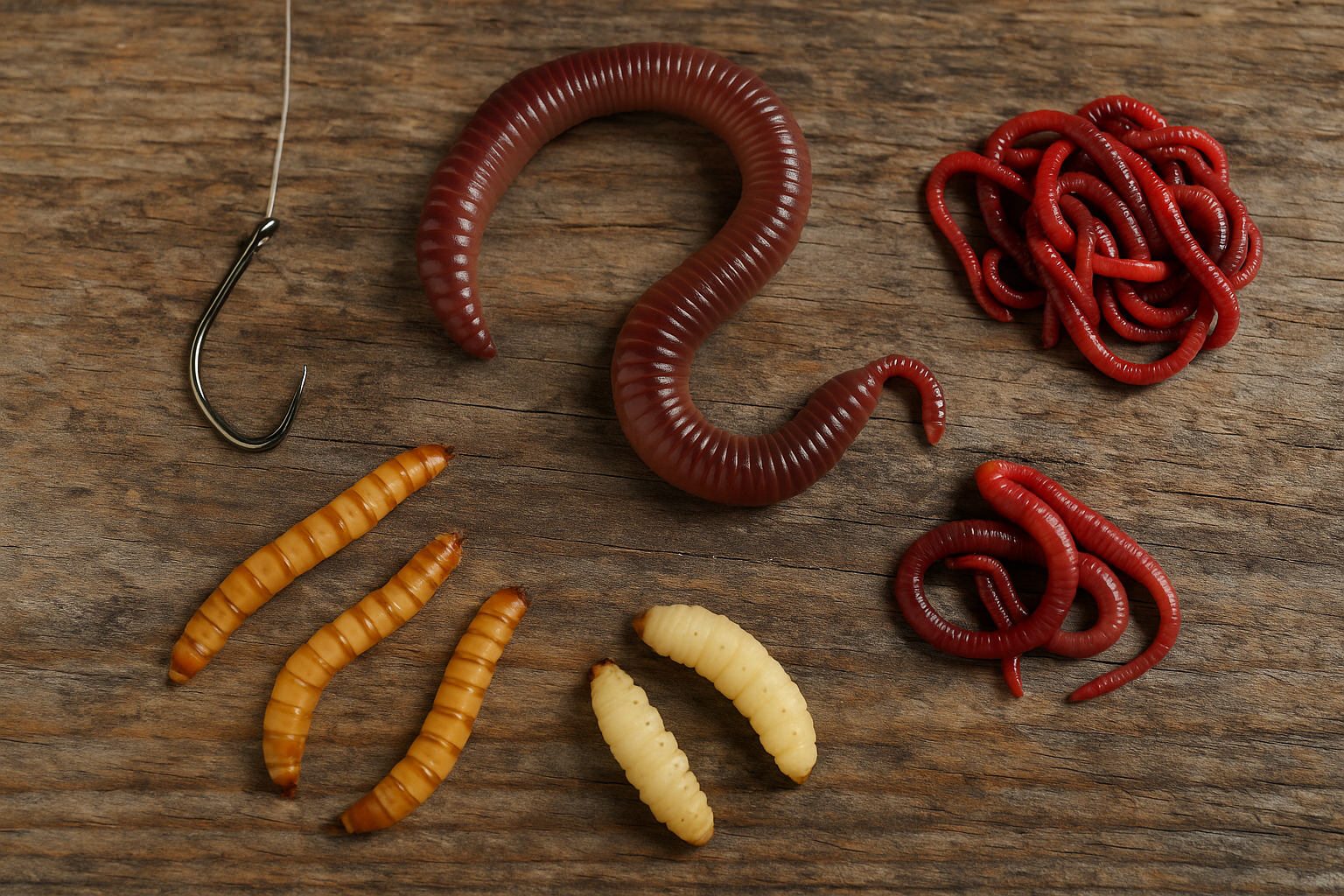
Credit: memesworms.com
Advanced Worm Fishing Tips
If you want to catch bigger fish or more fish, try these advanced tips:
- Use bait thread: Wrap bait thread around worms to keep them on the hook longer.
- Double up: Use two worms on a single hook for extra scent and movement.
- Combine baits: Mix worm with squid or shrimp for a “cocktail” bait.
- Float rigs: Use small floats above the hook to lift worms off the bottom. This makes them more visible.
- Night fishing: Worms work well at night because their scent spreads in darkness.
A practical insight: Bloodworms glow slightly in the dark, making them extra effective for night fishing.
Frequently Asked Questions
How Do I Keep Worms Alive For Saltwater Fishing?
Store worms in damp sand or seaweed in a cool container. Avoid fresh water and direct sunlight. Change sand if it dries out. Keep the container out of the fridge unless it’s a separate bait cooler.
What Fish Can I Catch With Worms In Saltwater?
You can catch striped bass, flounder, sea bass, whiting, cod, and many other species. Worms work for both small and large fish, depending on hook size and worm type.
Can I Use Freshwater Worms For Saltwater Fishing?
Freshwater worms like nightcrawlers work, but they die quickly in saltwater. Saltwater worms survive longer and attract more fish. Use bloodworms, sandworms, ragworms, or lugworms for better results.
Are Worms Better Than Artificial Lures For Saltwater Fishing?
For beginners and tough conditions, worms are better. They are natural, easy to use, and attract more fish. Artificial lures need skill and may not work in cold or muddy water.
How Do I Hook Worms For Saltwater Fishing?
Thread the worm onto the hook from the head, covering the hook. Leave the tail free to wiggle. For small fish, use worm pieces. For big fish, use whole worms or multiple worms.
Using worms as bait for saltwater fishing is simple but very effective. With the right worm type, proper handling, and good technique, you can catch more fish and enjoy your time on the water. Worms work for many species and in different conditions.
Try them next time you go saltwater fishing and see the difference.

Credit: www.saltstrong.com