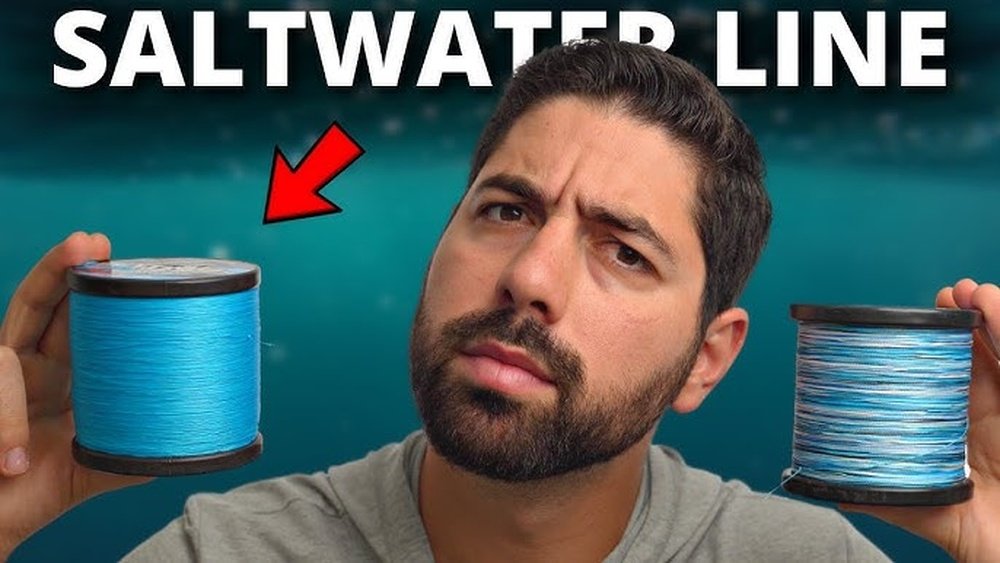
Is Braided Line Effective For Saltwater Fishing?
Saltwater fishing is full of surprises. The ocean’s power, the fight of strong fish, and the need for tough gear make every trip a challenge. One big question many anglers ask is: Is braided line effective for saltwater fishing? If you want better results, fewer lost fish, and more time catching instead of fixing tangles, your choice of fishing line matters a lot.
For years, monofilament was the standard. But in the last two decades, braided line has become very popular among both beginners and experts. Is this just a trend, or does braided line really give you an edge in saltwater? Let’s look at the facts, compare line types, and help you decide if braided line is right for your next ocean adventure.
What Is Braided Fishing Line?
Braided line is made by weaving together several ultra-strong fibers, usually polyethylene like Spectra or Dyneema. This creates a thin, smooth line that is much stronger than regular monofilament for the same diameter.
For example, a 20 lb braided line can be as thin as a 6 lb monofilament. This small diameter means you can fit more line on your reel, cast farther, and still fight big fish. Braided lines often come in bright colors for easy visibility, but you can also find them in more natural shades.
Braided Vs. Monofilament Vs. Fluorocarbon: Key Differences
To understand why braided line is popular, it helps to compare it with the other main types: monofilament and fluorocarbon.
| Feature | Braided Line | Monofilament | Fluorocarbon |
|---|---|---|---|
| Strength (by diameter) | Very high | Medium | High |
| Stretch | Almost none | High | Low |
| Visibility in water | High (unless camo color) | Medium | Low |
| Durability (abrasion) | Medium | High | High |
| Float/Sink | Floats | Floats | Sinks |
| Price | High | Low | Medium-High |
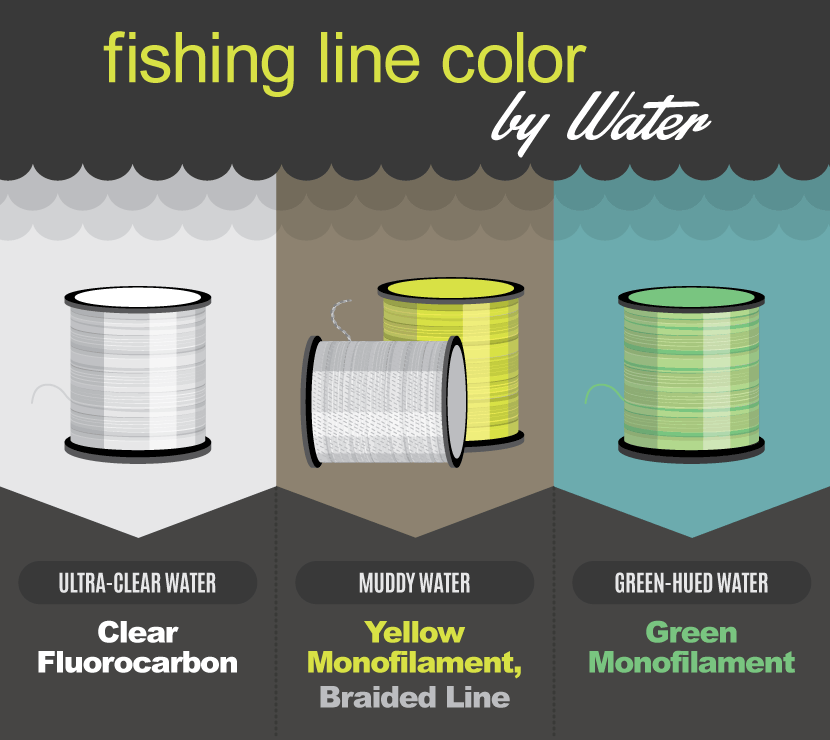
Braided line is unique because it is very strong for its size and has almost no stretch. Monofilament stretches a lot, which can help absorb shock but makes hooksets less solid. Fluorocarbon is harder for fish to see but costs more and is not as strong as braid for the same thickness.
Credit: www.northlandtackle.com
Why Braided Line Is Popular In Saltwater Fishing
Saltwater fishing is tough on gear. You face strong fish like redfish, tarpon, snook, striped bass, and even sharks. The saltwater itself can damage lines and reels. Here’s why many anglers choose braided line for these conditions:
- High Strength, Small Diameter: You can spool more line and handle larger fish without using heavy, thick line.
- Longer Casts: Thinner line creates less friction, so you can cast farther—great for surf fishing or when targeting spooky fish.
- High Sensitivity: Braided line lets you feel even tiny bites because it does not stretch. This is vital when fishing deep or in strong current.
- Better Hooksets: No stretch means your hooksets are fast and solid, helping you land more fish.
- Lasts Longer: With proper care, braided line can last years, while monofilament often needs replacing after a season.
When Is Braided Line Most Effective?
Braided line is not always the best choice, but it shines in several situations:
- Deep-Sea Fishing: When fishing deep wrecks or reefs, braid’s sensitivity helps you feel bites even with hundreds of feet of line out.
- Fishing in Weeds or Rocks: Braid cuts through grass and is less likely to get stuck.
- Surf and Pier Fishing: Longer casts mean you reach fish that are out of range with thicker monofilament.
- Jigging and Lure Fishing: The lack of stretch helps you feel every movement and strike.
Real-world Example
Many charter captains in Florida now use braided line for targeting snapper and grouper. With braid, they feel bites faster and set hooks before fish can escape into rocks.
Credit: www.saltstrong.com
Drawbacks Of Braided Line In Saltwater
No fishing line is perfect. Braided line has some downsides you should know about:
- Easy for fish to see: In clear water, some fish avoid bright, visible braid. This is why most saltwater anglers use a fluorocarbon or monofilament leader between the braid and the hook.
- Not very abrasion-resistant: Braid can be cut by sharp rocks, shells, or a fish’s teeth. Always check your leader and replace it if it’s frayed.
- Tangles badly: If you get a wind knot or backlash, braid is much harder to untangle than mono.
- Slips on reels: If you tie braid directly to the spool, it can slip. Always add a few wraps of monofilament as a backing or use tape to help grip.
- Can cut hands: Thin braid can slice skin if you pull too hard. Use gloves when handling big fish.
How To Use Braided Line Safely And Effectively
You can get the most from braided line by following these simple tips:
- Use a leader: Attach a 2-6 foot leader of fluorocarbon or mono. This makes your line less visible and more abrasion-resistant.
- Check knots carefully: Braid is slippery, so use knots like the Double Uni or FG knot for leaders.
- Check for wind knots: If your braid gets loose or tangled, fix it right away to avoid a bigger mess.
- Rinse after use: Saltwater can damage all lines. Rinse your reel and line with fresh water after each trip.
- Watch your drag: Because braid doesn’t stretch, set your drag a little lighter than you would with mono. This prevents breakoffs if a big fish makes a sudden run.
Braided Line Vs. Monofilament: Casting Distance And Strength
Let’s compare casting and strength more closely with some numbers.
| Line Type | 20 lb Test Diameter (inches) | Average Casting Distance (yards) | Spool Capacity (yards, 3000-size reel) |
|---|---|---|---|
| Braided | 0.009 | 50-80 | 300 |
| Monofilament | 0.018 | 35-60 | 180 |
These numbers show why many surf anglers choose braid. You can cast farther and hold almost twice as much line.
How To Choose The Right Braided Line For Saltwater
Not all braided lines are the same. Consider these factors before buying:
1. Line Strength (test Weight)
Match the line to your target fish. For inshore fishing (like redfish or snook), 10-30 lb is common. For offshore or bigger species, 50-80 lb may be better.
2. Number Of Strands (carriers)
Braided lines are made with 4, 8, or more strands. 8-strand braid is smoother and casts farther. 4-strand is rougher but more abrasion-resistant.
3. Color
Bright colors (yellow, green) are good for watching your line, but clear or camo colors are better in clear water.
4. Brand And Quality
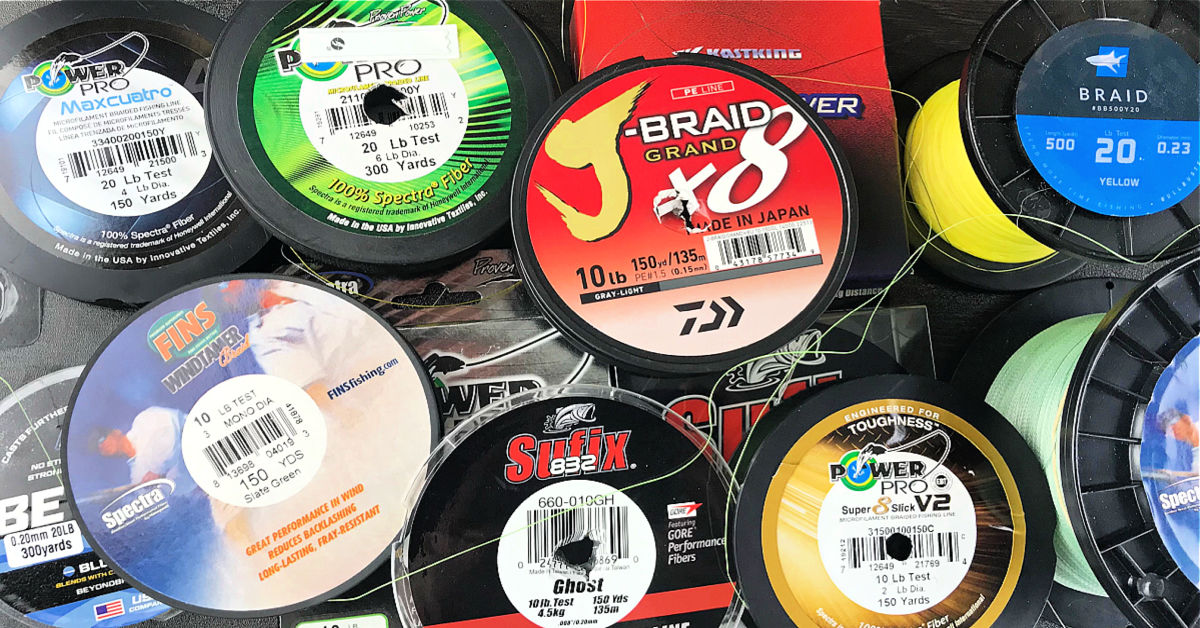
Not all brands are equal. Trusted brands like PowerPro, Sufix, and Daiwa offer consistent quality. Cheaper braid can break or fade quickly.
5. Price
Braided line costs more but lasts longer. Spending a bit extra can save frustration and lost fish.
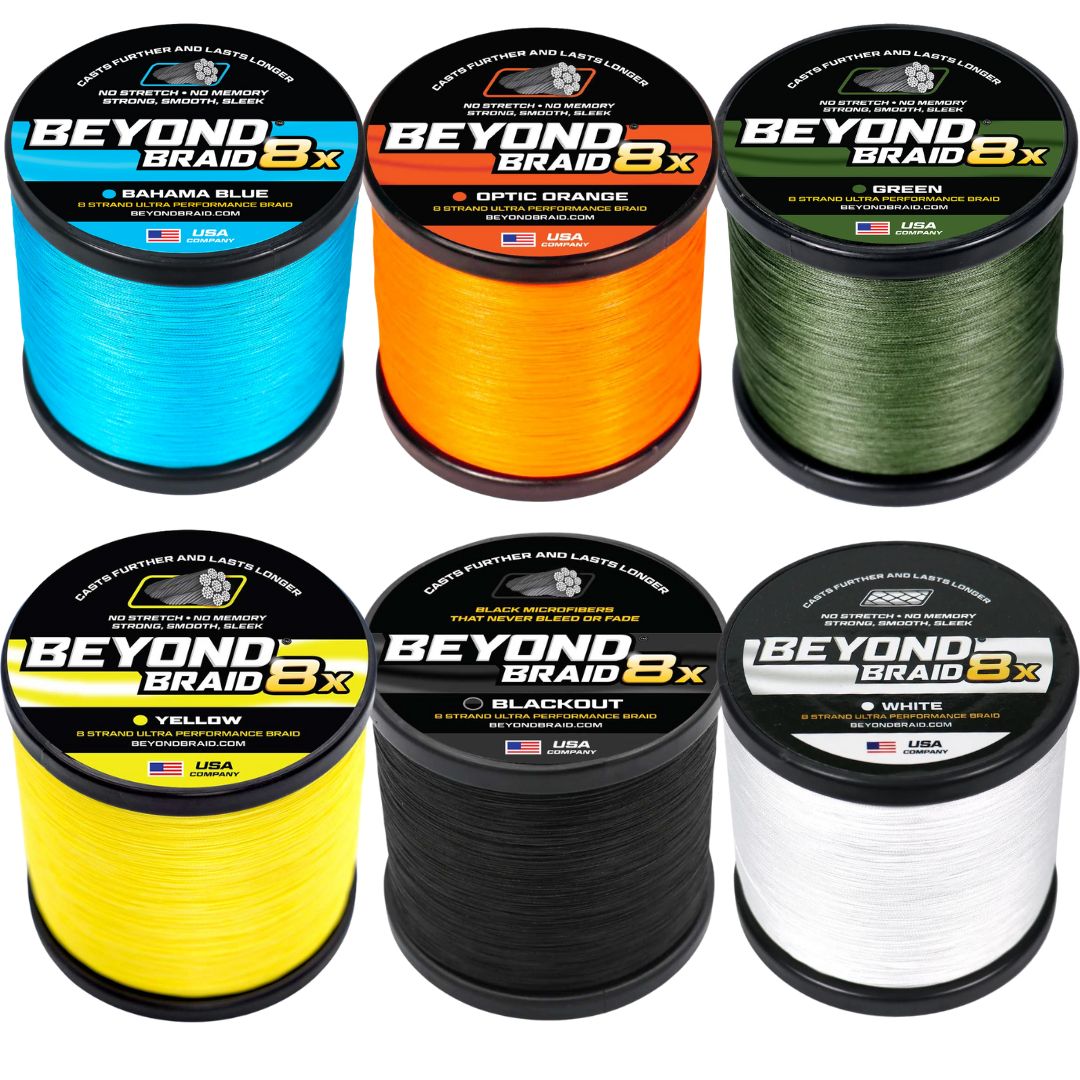
Credit: beyondbraid.com
Common Mistakes When Using Braided Line
Many anglers make simple errors that reduce the benefits of braid:
- Tying poor knots: Regular knots can slip on braid. Always use knots designed for braided line.
- Using no leader: Fish can see braid in clear water. Always use a leader.
- Overfilling the spool: Braided line can jump off the reel if you fill it to the edge. Leave a small gap.
- Ignoring drag setting: Set your drag lighter to prevent snapping the line on big runs.
When Not To Use Braided Line In Saltwater
Braided line is not ideal in every case. Avoid braid if:
- You fish mainly with live bait and want a soft, natural presentation (mono is better here).
- You fish in areas with lots of sharp rocks or coral—braid can cut quickly.
- You need a cheap, quick replacement for a short trip.
- You prefer a line that stretches and absorbs shock for fighting big fish.
Environmental Impact And Line Disposal
Braided line is strong and lasts years, but this means lost line can stay in the ocean a long time. Always recover as much line as possible and dispose of old line at a recycling station. Never throw used line in the water.
Expert Insight: Why Many Pros Use Braided Line
Many tournament anglers and charter captains now use braid as their main line. They pair it with a fluorocarbon leader for the best of both worlds: strength, sensitivity, and invisibility. Some even say they catch 20% more fish with braid because they feel more bites.
But here’s something most beginners miss: braid reveals every bump and touch. At first, you might think you’re getting more bites, but you’re really feeling small rocks, weeds, or even your lure. Take time to learn what a real bite feels like—this will make you a much better angler.
Is Braided Line Right For You?
If you want longer casts, more sensitivity, and stronger line for the same diameter, braided line is a smart choice for saltwater fishing. It’s not perfect for every situation, but with the right leader and knots, it will help you catch more fish and lose fewer lures.
For most saltwater anglers, braid is now the main line of choice, especially for lures and artificial baits. However, if you are just starting, try using braid on one reel and mono on another. Compare results for yourself.
For more background and technical details, you can check the Wikipedia page on fishing lines.
Frequently Asked Questions
Is Braided Line Better Than Monofilament For Saltwater Fishing?
Braided line is stronger and more sensitive than monofilament of the same diameter, and it lets you cast farther. However, mono is better for shock absorption and is less visible underwater. Many anglers use braid for their main line and mono or fluorocarbon for the leader.
What Size Braided Line Should I Use For Saltwater?
For inshore fish like redfish or speckled trout, 10-20 lb braid is enough. For bigger fish like tarpon or offshore species, 30-80 lb is common. Match your line to the fish you expect to catch.
Does Braided Line Last Longer In Saltwater?
Yes, with proper care, braided line can last years. Always rinse your gear after each trip and check for fraying near the leader. Sun and salt can damage any line, but braid is more resistant to UV and salt than mono.
Can I Tie Braided Line Directly To A Hook?
You can, but it’s better to use a leader. Braided line is visible to fish and can cut easily on teeth or rocks. Use a fluorocarbon or mono leader for best results.
Why Does My Braided Line Keep Getting Tangled?
Braided line is thin and slippery, so it can tangle if you overfill your reel or use too much slack. Always spool braid tightly, avoid slack, and check your drag setting. If you get a wind knot, stop and fix it before continuing to fish.
Saltwater fishing is always evolving. Choosing the right line can make a big difference in your success. With the right setup and a little practice, braided line can help you enjoy more time catching—and less time fixing problems—on the water.