Are you curious about where you stand in the world of golf? Understanding what a mid handicap golfer is can unlock new insights about your game and help you set realistic goals.
If you’ve been keeping score and wondering why your game feels different from beginners or pros, knowing your handicap category is key. A mid handicap golfer sits right in the middle—not a beginner, but not quite an expert either. You likely make solid shots, understand some course strategy, and occasionally break par, but there’s room to improve.
Keep reading to discover exactly what defines a mid handicap golfer, how to track your progress, and what steps you can take to lower your score and enjoy the game even more.
Handicap Categories In Golf
Golfers are grouped by handicap categories to match skill levels fairly. Handicaps show how many strokes a player usually takes over par. These categories help players understand their game and compete evenly.
Low Handicap Range
Low handicap golfers usually have a handicap index of 0 to 9. They hit consistent shots and score near par most rounds. These players have good control and can manage the course well.
Mid Handicap Range
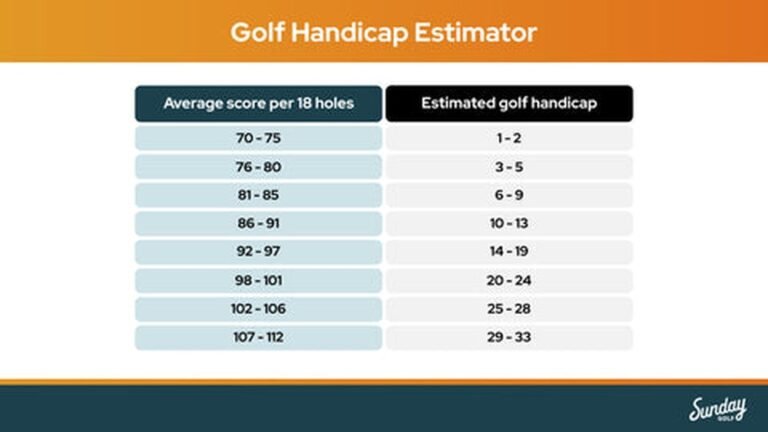
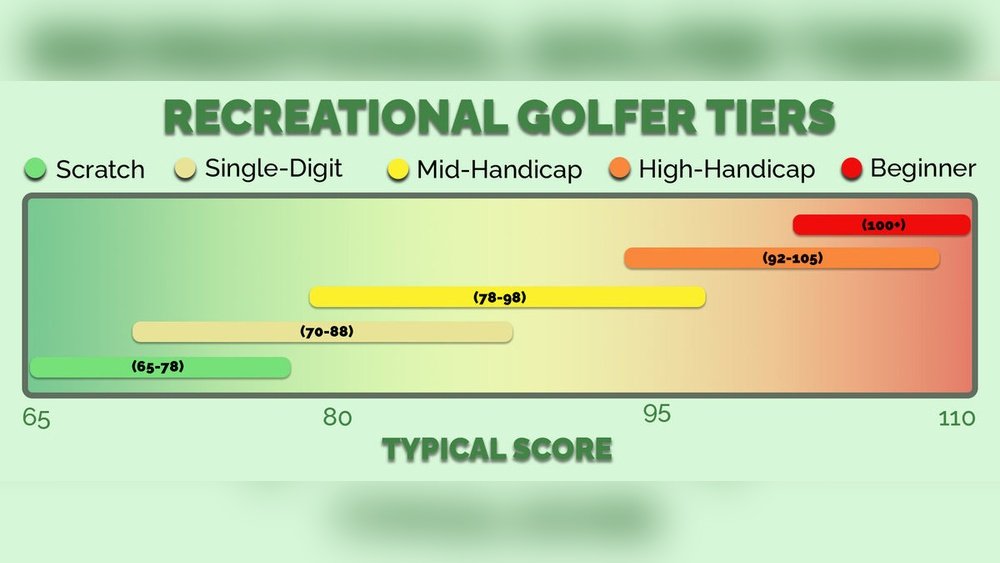
Mid handicap players have a handicap index between 10 and 18. They hit some good shots but still face challenges on tougher holes. Mid handicappers often score in the 80s or low 90s. They are improving but not yet highly consistent.
High Handicap Range
High handicap golfers have handicaps above 18. They often struggle with consistency and make more mistakes. Scores usually range above 90. These players are still learning and building skills to lower their scores.
Traits Of Mid Handicap Golfers
Mid handicap golfers have a unique set of traits that define their playing style. They are more experienced than beginners but still have room to grow. Understanding these traits helps players focus on key areas. It also helps coaches tailor training to improve performance.
These golfers usually score in a certain range and show consistent patterns. They have some strengths that keep their game steady. At the same time, they face challenges that limit their scoring potential. Recognizing these helps in making steady progress.
Typical Scoring Patterns
Mid handicap players often score between 15 and 20 strokes over par. They make a good number of pars but also have some bogeys. Double bogeys or worse happen but less frequently. Their scores show a mix of solid holes and mistakes. This variation keeps their rounds exciting and unpredictable.
Common Strengths
Mid handicap golfers usually hit the ball fairly straight. They have decent control over their irons and fairway woods. Many can reach greens in regulation on easier holes. Their putting is often steady, with a good feel for distance. These strengths help keep scores competitive and rounds fun.
Areas For Improvement
Inconsistent ball striking can lead to trouble shots. Many mid handicappers struggle with accuracy off the tee. Short game skills like chipping and pitching often need work. Reading greens and making longer putts can be a challenge. Improving these areas can lower scores and build confidence.
Tracking Your Handicap
Tracking your handicap is essential for every mid handicap golfer. It helps you understand your skill level and shows your progress over time. Keeping an accurate record lets you compare your game against others. It also allows you to join competitions with fair scoring. Handicap tracking may seem tricky, but learning the basics makes it easier. Here is a simple guide on how to track your handicap correctly.
Using The Usga Handicap System
The USGA Handicap System is a popular way to track golf scores. It calculates your handicap based on your recent rounds. You must submit your scores for 20 rounds to get an official handicap. The system adjusts your handicap as you play more rounds. It uses the difficulty of the golf course to make the scoring fair. This system works well for players in the United States.
World Handicap System Basics
The World Handicap System (WHS) combines several systems into one global standard. It makes it easier to track handicaps anywhere in the world. WHS uses your best 8 scores out of your last 20 rounds. It also considers the course rating and slope to adjust your score. This ensures your handicap reflects your true playing ability. The WHS updates your handicap after every round you enter.
Interpreting Your Handicap Index
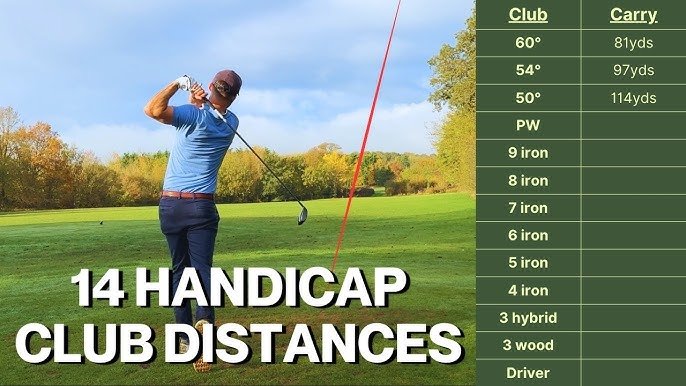
Your handicap index shows how many strokes you add to a course rating. A mid handicap golfer usually has a handicap between 10 and 20. This means you typically score 10 to 20 strokes above par. Lower handicaps mean better players. Use your handicap index to set goals and track improvements. It helps you understand your strengths and areas to improve.
Credit: www.youtube.com
Choosing Clubs For Mid Handicappers
Mid handicap golfers need clubs that balance forgiveness and control. Clubs should help improve consistency without sacrificing distance. The right set boosts confidence and supports skill growth. Each club type plays a unique role in the bag. Choosing wisely can lower scores and enhance enjoyment.
Mid handicappers benefit from clubs designed to correct common mistakes. These clubs often feature larger sweet spots and improved stability. Finding the right clubs helps reduce slices, hooks, and mishits. It is important to consider personal swing speed and playing style too.
Irons Best Suited For Mid Handicappers
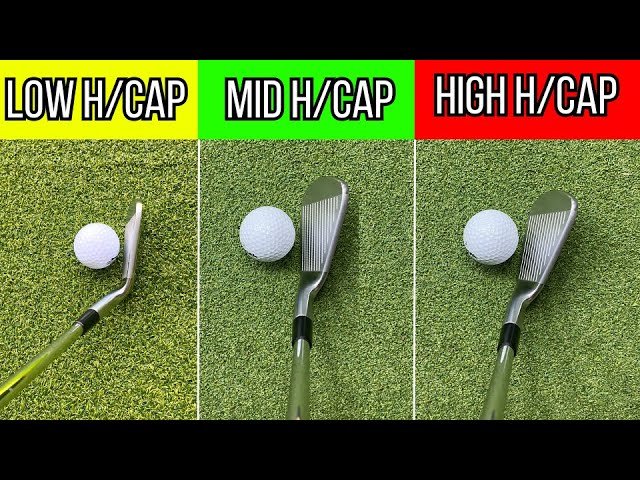
Mid handicap players should pick irons with cavity backs. These irons offer more forgiveness on off-center hits. They have wider soles to prevent digging into the turf. Perimeter weighting adds stability and improves accuracy. Game improvement irons combine distance and control. They help in hitting higher, straighter shots.
Driver And Fairway Woods Options
Drivers with a larger clubhead help mid handicappers hit longer drives. Adjustable features let players fine-tune loft and face angle. Fairway woods with shallow faces make it easier to launch the ball. These woods provide distance on longer approach shots. Choose clubs with moderate shaft flex for better control.
Putter Selection Tips
Mid handicappers should select putters that feel comfortable and balanced. Mallet putters offer stability and help with alignment. Blade putters suit players who prefer a traditional look and feel. Consistent stroke and distance control improve with the right putter. Trying different styles helps find the best fit for each player.
Course Strategy For Mid Handicappers
Mid handicap golfers face unique challenges on the course. Their skill level allows for some consistency but also brings occasional mistakes. A strong course strategy helps improve scores by focusing on smart decisions. This approach balances risk and reward to avoid unnecessary trouble.
Understanding course layout and adapting play style is key. Mid handicappers should plan each hole carefully. This planning reduces big numbers and boosts confidence. Good course strategy involves knowing when to attack and when to play safe.
Shot Selection Tips
Choose shots that fit your strengths. Avoid trying low-percentage shots that risk losing strokes. Use clubs you control well and aim for safe landing areas. Focus on accuracy rather than distance on tight holes. Play with a clear target in mind for each shot. Adjust your aim to avoid hazards and tough lies. Keeping the ball in play beats chasing long shots.
Managing Course Hazards
Identify hazards before starting the hole. Water, bunkers, and rough can cost strokes quickly. Aim to keep the ball away from these trouble spots. Play conservative shots if hazards are nearby. Use lay-up shots to avoid risky carries. Think ahead about your next shot’s position. Avoiding hazards reduces stress and helps maintain rhythm.
Putting And Short Game Focus
Strong putting saves many strokes for mid handicappers. Practice distance control and reading greens well. Aim to leave short, makeable putts. Develop a reliable routine to improve consistency. Short game practice around the green boosts scoring chances. Learn to chip and pitch with confidence. Good touch near the hole turns missed greens into par opportunities.

Credit: stix.golf
Practice Drills To Lower Your Handicap
Practice drills help mid handicap golfers improve their skills and lower their scores. Consistent practice builds muscle memory and confidence. Focused drills target key areas of the game. These help reduce mistakes and improve overall performance.
Each type of drill strengthens a specific part of your game. Combining them creates a balanced skill set. This leads to better rounds and a lower handicap.
Swing Fundamentals
Good swings start with the basics. Practice your grip, stance, and posture regularly. Use slow, controlled swings to build accuracy. Focus on smooth tempo and balance during each shot. Repetition helps your body remember the correct motion. Video recordings can reveal areas to improve. Fixing small errors prevents bigger problems on the course.
Short Game Drills
The short game saves strokes. Spend time chipping, pitching, and putting near the green. Practice different lies and distances to adapt easily. Use alignment aids to improve aim. Try putting drills that improve speed control and accuracy. Focus on making consistent contact with the ball. These drills build confidence in critical scoring areas.
Mental Game Techniques
Golf challenges the mind as much as the body. Develop a pre-shot routine to stay focused. Use breathing exercises to reduce tension and nerves. Visualize each shot clearly before swinging. Stay positive, even after bad shots. Concentrate on the process, not just the score. Mental strength helps maintain consistency under pressure.
Common Challenges Mid Handicappers Face
Mid handicap golfers face unique challenges on the course. These challenges affect their scores and enjoyment. Understanding these common issues helps golfers focus on improvement areas.
Consistency Issues
Mid handicappers often struggle to hit the ball the same way every time. One good shot may be followed by a poor one. This inconsistency makes it hard to lower scores. Swing mechanics and timing can vary from hole to hole. Finding a reliable rhythm is key but takes practice and patience.
Handling Pressure
Pressure can cause mid handicappers to lose focus. Important shots become harder under stress. Nervousness may lead to rushed swings or poor decisions. Learning to stay calm and confident helps improve performance. Mental strength is as important as physical skill in golf.
Avoiding Big Mistakes
Big mistakes like hitting into water or bunkers hurt mid handicappers more than others. These errors add extra strokes quickly. Controlling the urge to make risky shots reduces these mistakes. Playing smart and choosing safer targets can keep scores steady. Avoiding disaster holes is a top priority.
Setting Goals For Improvement
Setting goals is a vital part of improving as a mid handicap golfer. Clear goals help focus your practice and guide your progress. They break down your journey into achievable steps. This makes improvement feel real and keeps motivation high.
Good goals match your current skills and push you just enough. They prevent frustration and encourage steady growth. Setting both short-term and long-term goals gives balance. Tracking your progress shows what works and what needs change.
Short-term Goals
Short-term goals target specific skills or habits. These goals usually last a few weeks to a month. Examples include improving your putting accuracy or reducing three-putts. Another might be hitting more fairways off the tee. These goals focus on areas that need quick attention.
Short-term goals keep practice sessions clear and focused. They build confidence as you see quick wins. Small improvements add up fast. Adjust these goals often based on your results and feedback.
Long-term Goals
Long-term goals look ahead to where you want your game to be. These goals span several months or a year. Examples include lowering your handicap by a few strokes or mastering course management. Another long-term aim could be scoring under 90 consistently.
These goals require patience and steady effort. They help you plan practice routines and competitions. Long-term goals give your golf journey purpose. They inspire you to keep working even when progress feels slow.
Tracking Progress Over Time
Tracking progress is key to effective improvement. Use a golf journal or an app to record scores and practice details. Note changes in your swing, putting, and mental game. Review your data regularly to spot trends.
Tracking helps identify strengths and weaknesses. It shows if your goals are realistic or need adjusting. This feedback loop ensures your training stays efficient. Tracking progress keeps you accountable and focused on growth.
Credit: www.youtube.com
Conclusion
Mid handicap golfers play with skill and steady improvement. They understand the basics of the game well. These players can make pars and avoid big mistakes often. Tracking your handicap helps measure progress over time. Knowing your level guides practice and club choices.
Playing with others becomes easier with this clear benchmark. Mid handicappers enjoy the challenge and fun of golf. Keep practicing, stay patient, and enjoy every round. Golf is a journey, not just a score.