Golf is a sport with its own language. One word you hear everywhere on the course is par. If you are new to golf or just curious, the meaning of par might seem confusing. Yet, understanding par is key to enjoying the game and following scores. Whether you play for fun, watch tournaments, or plan to improve your skills, knowing what par means helps you read the leaderboard, compare results, and set personal goals. This article explains what par is, how it works, and why it matters so much in golf.
What Does Par Mean In Golf?
The word par describes the number of strokes a skilled golfer is expected to need to finish a hole, a round, or an entire course. Par is set by golf course designers and is based on hole length, difficulty, and obstacles. For example, a short hole with few hazards may have a par of 3, while a long hole with sand traps and water might have a par of 5.
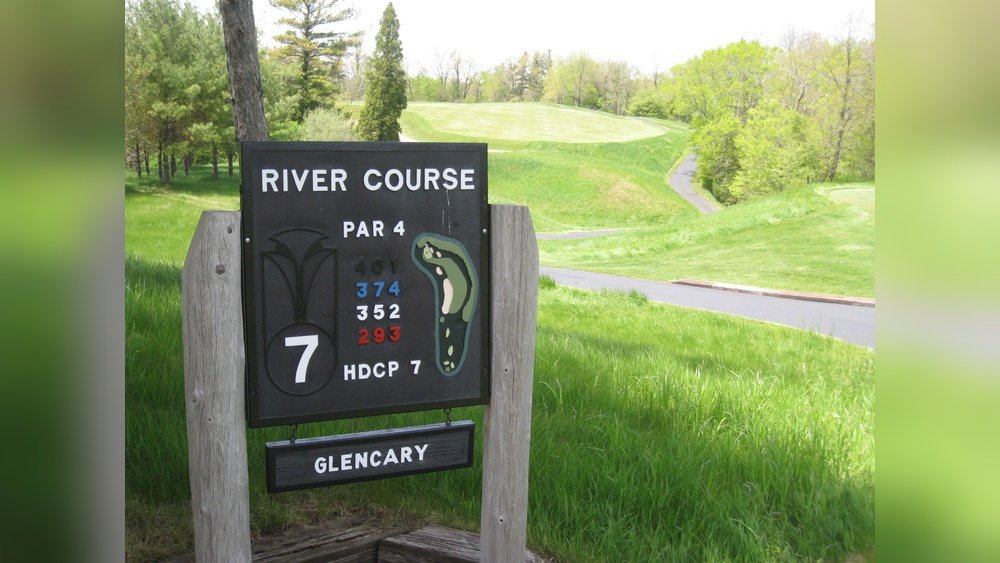
For every hole, the par is the standard score. If you play a par-4 hole, the expectation is to reach the green in two shots and take two putts. This standard is not just random—it comes from years of golf tradition and careful course planning.
Par helps golfers measure their performance. If you finish a hole in fewer strokes than par, you have done better than expected. If you take more, you have fallen short.
How Par Is Determined
Golf courses do not pick par numbers at random. There are guidelines for deciding par:
- Hole length: Longer holes usually have higher par.
- Obstacle placement: Water, sand, trees, and rough can affect par.
- Expected skill level: Par is based on what a strong amateur (not a pro) would likely score.
Most courses use these standard par values:
- Par-3 holes: Up to 250 yards for men, 210 yards for women.
- Par-4 holes: 251–470 yards for men, 211–400 yards for women.
- Par-5 holes: 471–690 yards for men, 401–575 yards for women.
- Par-6 holes: Rare, usually above 690 yards for men.
A typical 18-hole course has a total par between 70 and 72.
Example: Par Setting On A Real Course
Let’s look at a sample course layout:
| Hole | Length (Yards) | Par |
|---|---|---|
| 1 | 420 | 4 |
| 2 | 165 | 3 |
| 3 | 510 | 5 |
| 4 | 375 | 4 |
| 5 | 190 | 3 |
This layout shows how par is matched to distance and difficulty.
Why Par Is Important
Par is not just a number. It is the heart of golf scoring. Here is why par matters:
- Score comparison: Players compare their scores against par to see how well they did.
- Course design: Par shapes how courses are built and played.
- Tournament ranking: Pros and amateurs use par to track their results.
Par also helps golfers set personal goals. If you know the par for each hole, you can try to match it or beat it. This makes the game more exciting and helps you improve.
Common Golf Scores Relative To Par
Golfers use many words to describe scores compared to par. Here are the main terms:
- Birdie: One stroke under par (example: 3 on a par-4 hole).
- Eagle: Two strokes under par (example: 3 on a par-5 hole).
- Albatross (Double Eagle): Three strokes under par (rare).
- Bogey: One stroke over par (example: 5 on a par-4 hole).
- Double Bogey: Two strokes over par.
- Triple Bogey: Three strokes over par.
These words show how your score stands against par. They also make scorekeeping fun and easy to follow.
Score Comparison Table
Here’s a quick look at how scores relate to par:
| Score | Name | Relation to Par |
|---|---|---|
| Par | Par | Even |
| Par – 1 | Birdie | 1 under |
| Par – 2 | Eagle | 2 under |
| Par – 3 | Albatross | 3 under |
| Par + 1 | Bogey | 1 over |
| Par + 2 | Double Bogey | 2 over |
| Par + 3 | Triple Bogey | 3 over |
Par In Professional Golf
On the pro tour, par is a big deal. Top tournaments set par for each course and keep strict records. For example, the Masters Tournament at Augusta National is played on a par-72 course.
Players’ scores are shown relative to par. If a golfer finishes four rounds with a total of 280 strokes on a par-72 course (par 288 for four rounds), their score is “eight under par. ” This is written as -8.
Fans follow par closely because it makes scores easy to understand, even across different courses. If a player is “ten over par,” everyone knows they struggled, no matter the course.
Pro Golf Score Table
See how scores look at a pro tournament:
| Player | Round 1 | Round 2 | Round 3 | Round 4 | Total Strokes | Score vs Par |
|---|---|---|---|---|---|---|
| John Smith | 70 | 69 | 72 | 68 | 279 | -9 |
| Jane Doe | 73 | 72 | 70 | 71 | 286 | -2 |
This table shows how par makes tournament scores clear and fair.
How Par Affects Strategy
Knowing par changes how golfers approach each hole. On a par-3, players aim for the green right away. On par-5, they may plan three shots before reaching the green. Par sets the pace and guides strategy.
If you are behind par, you might take risks to catch up. If you are ahead, you may play safe. Understanding par helps you make smart decisions and avoid mistakes.
Non-obvious Insights For Beginners
- Par is not always “average.” Many beginners think par means average score. Actually, par is what a skilled golfer should aim for. Most casual players score above par.
- Par can change with tee boxes. Courses often have different tees for men, women, and juniors. Par may shift depending on which tee you use.
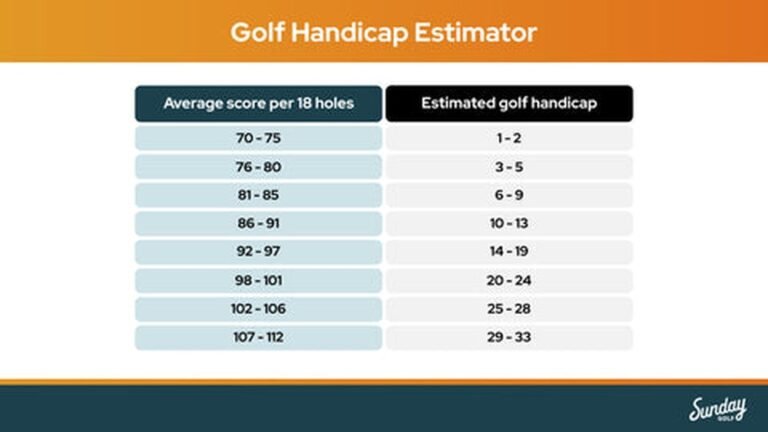
- Par influences handicap. Your golf handicap measures how you compare to par. The lower your handicap, the closer you play to par.

Credit: www.thefriedegg.com
Par And Course Ratings
Every course is rated for difficulty. The course rating shows the expected score for a scratch golfer (someone with a 0 handicap). The slope rating measures how much harder the course is for less-skilled players.
Par is part of these ratings, but course and slope show more detail. A course with a par-72 and a rating of 75 is tougher than average.
Knowing ratings helps you pick courses that match your skill level. It also explains why scoring par on some courses is harder than on others.
Par In Golf History
The term “par” has been used in golf since the late 1800s. It comes from the stock market, where “par” means the normal value. Early golf writers adopted the word to set standards for scoring.
Par has shaped how people watch and play golf. It gives meaning to scores and makes the sport more competitive. Today, every major golf event uses par to track results and crown champions.

Credit: ghostgolf.com
How To Play For Par
If you want to aim for par, you need to plan your shots and avoid mistakes. Here are some tips:
- Know the hole layout. Study each hole’s par, hazards, and distance.
- Play to your strengths. On long holes, focus on accuracy instead of distance.
- Avoid risky shots. Playing safe often leads to par.
- Practice putting. Most strokes are lost on the green. Two-putt for par.
Beginners should not feel discouraged if they score above par. Even pros sometimes miss par. The key is to improve slowly and set realistic goals.
Par And Golf Formats
Par is used in many golf formats:
- Stroke play: Most common. Score is total strokes vs par.
- Match play: Players compete hole by hole. Par helps decide winners.
- Stableford: Points are awarded based on scores against par.
Each format uses par differently, but all rely on it for fairness and structure.

Credit: news.bbc.co.uk
Frequently Asked Questions
What Happens If I Score Below Par On A Hole?
If you score below par, you achieve a birdie, eagle, or even an albatross. These are great accomplishments. Scoring below par means you played the hole better than expected.
How Is Par Set For Each Hole?
Course designers set par based on length, difficulty, and expected shots to reach the green. Guidelines from golf associations help standardize par across courses.
Is It Rare To Score Par As A Beginner?
Yes, most beginners score above par. Par is a target for skilled golfers. With practice and patience, you can get closer to par over time.
Can Par Change For The Same Hole?
Par can change if you play from different tees. For example, a hole might be par-4 from the back tees and par-3 from forward tees. Course scorecards show these differences.
What Is The Total Par For A Standard Course?
Most 18-hole courses have a total par of 70, 71, or 72. This is a mix of par-3, par-4, and par-5 holes. Some courses may vary, but par-72 is the most common.
Golf’s par system makes scoring simple and fair. It gives every player a clear target and helps measure progress. Whether you aim for par or just enjoy the game, knowing what par means opens up a new world of golf knowledge. For more detailed rules and par guidelines, you can check the Wikipedia page on golf par. With this understanding, you will enjoy golf more and make smarter choices on the course.