Golf is a game of precision, skill, and strategy. Many players, especially beginners, wonder how the pros make the ball curve left or right with such control. One of the most fascinating shots is the draw. This move can help you reach tricky pins, escape trouble, or simply add distance to your drives. But what exactly is a draw in golf? How does it work, and why do players use it? Let’s explore the science, technique, and benefits behind this famous shot.
Understanding A Draw In Golf
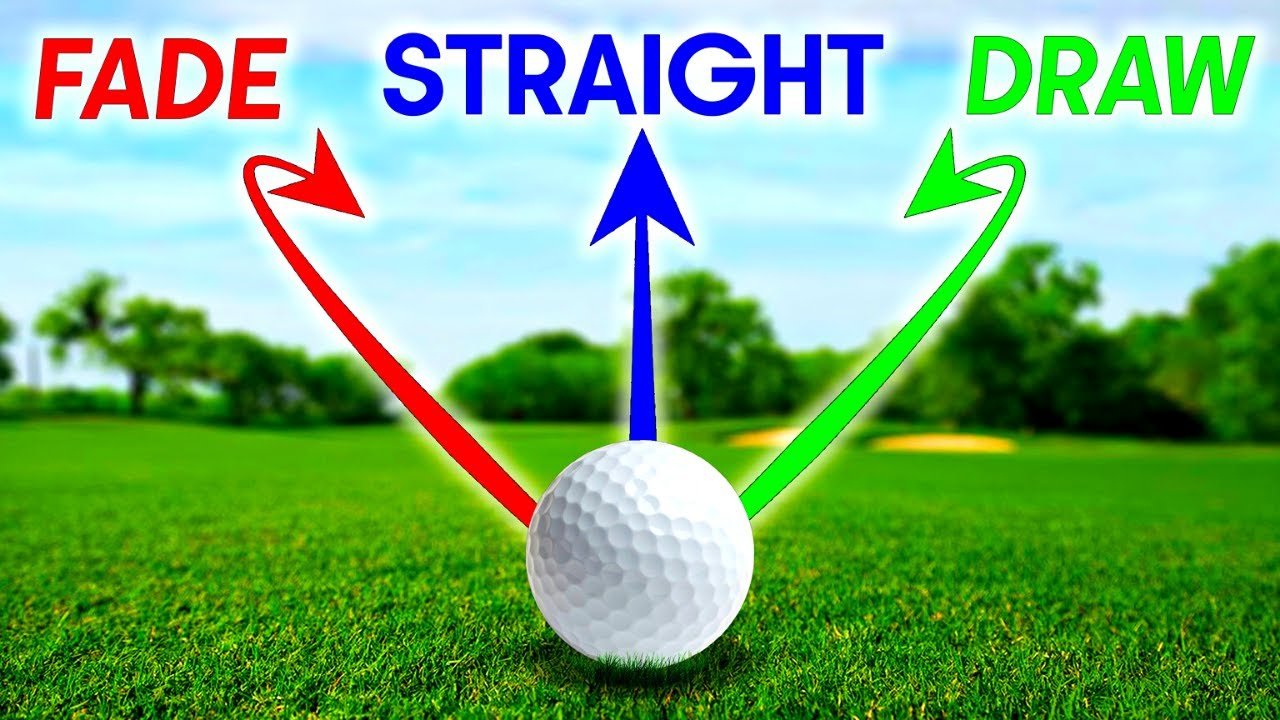
A draw is a golf shot that curves gently from right to left for a right-handed player (and left to right for a left-handed player). Unlike a hook, which is an uncontrolled curve, a draw is intentional and precise. The ball starts to the right of the target and finishes at or near the intended spot.
For example, imagine you are a right-handed golfer. You hit a ball, and it starts off to the right side of the fairway. Then, as it flies, it curves left and lands near the center or left side of the fairway.
That’s a draw. It is not just about the direction; it’s about the control and repeatability.
Why Do Golfers Use A Draw?
A draw shot is a useful tool for many situations:
- Added Distance: A draw usually produces a lower spin rate, making the ball roll further after landing. This can add 5–15 yards compared to a straight shot.
- Navigating Obstacles: When trees or hazards block a direct line to the target, a draw can help curve the ball around them.
- Wind Management: In windy conditions, a draw can be more stable and less affected by crosswinds.
- Shot Shaping: Draws allow players to shape their shots to fit the hole, especially on dogleg left layouts.
Many professionals use a draw because it gives them more options and flexibility. It’s also a sign of an advanced player, as it takes skill to control the curve.
Credit: www.youtube.com
How A Draw Happens: The Science
A draw is not magic—it’s physics. The ball curves because of side spin and launch angle. Here’s what happens at impact:
- The clubface is closed relative to the swing path.
- The swing path is right of the target line (for right-handed players).
- The ball starts right and curves left due to spin.
Let’s compare the mechanics of a draw and a fade in golf:
| Shot Type | Clubface Position | Swing Path | Ball Flight | Spin Direction |
|---|---|---|---|---|
| Draw | Closed to path | Right of target | Right to left | Left spin |
| Fade | Open to path | Left of target | Left to right | Right spin |
The difference comes from how the clubface and swing path interact. For a draw, the clubface points slightly left of the path but right of the target. The ball gets a gentle left spin, making it curve.
Steps To Hit A Draw
Learning to hit a draw takes practice and understanding. Here’s a simple step-by-step guide for right-handed golfers:
- Grip Adjustment: Strengthen your grip. Rotate your hands slightly to the right on the club. Your right hand should see more knuckles.
- Stance Setup: Aim your feet, hips, and shoulders slightly to the right of the target.
- Clubface Alignment: Point the clubface at the target or slightly left of your swing path.
- Swing Path: Swing along your body line, not directly at the target. This means your club will move from inside to out.
- Finish High: Finish your swing with your hands high. This helps keep the draw’s shape.
Let’s compare the setup for a draw and a fade:
| Setup Element | Draw | Fade |
|---|---|---|
| Grip | Strong | Weak |
| Stance | Right of target | Left of target |
| Clubface | At target | At target |
| Swing Path | Inside-out | Outside-in |
Many beginners miss one key detail: the clubface should NOT be fully closed to the target, only relative to the path. Closing the face too much creates a hook, not a draw.
Common Mistakes When Trying To Hit A Draw
Trying to hit a draw can lead to mistakes, especially for new golfers. Here are some frequent errors:
- Over-closing the Clubface: If the clubface is too closed, the ball will hook sharply and miss the target.
- Swinging Too Far Inside-Out: This exaggerates the curve and can cause a big miss.
- Poor Grip: Weak or inconsistent grip leads to unpredictable results.
- Ignoring Alignment: Not aiming your body correctly makes the shot impossible.
- Wrong Ball Position: Placing the ball too far forward or back can ruin the shot shape.
A common insight many beginners miss is that a draw does not need a massive curve. A subtle, controlled draw is better than a wild hook. Also, the ball should start right and curve gently left, not start left and keep going left.
Draw Vs. Fade: Which Is Better?
Both shots are valuable. A draw gives more distance and is often favored by players seeking power. A fade offers more control, especially under pressure. Some courses reward draws, others reward fades.
Here’s a quick comparison:
| Feature | Draw | Fade |
|---|---|---|
| Distance | Longer | Shorter |
| Control | Moderate | High |
| Spin | Lower | Higher |
| Wind Resistance | Better | More affected |
| Difficulty | Harder to master | Easier for many |
Most golfers learn both shots. Being able to shape the ball either way makes you versatile on the course.
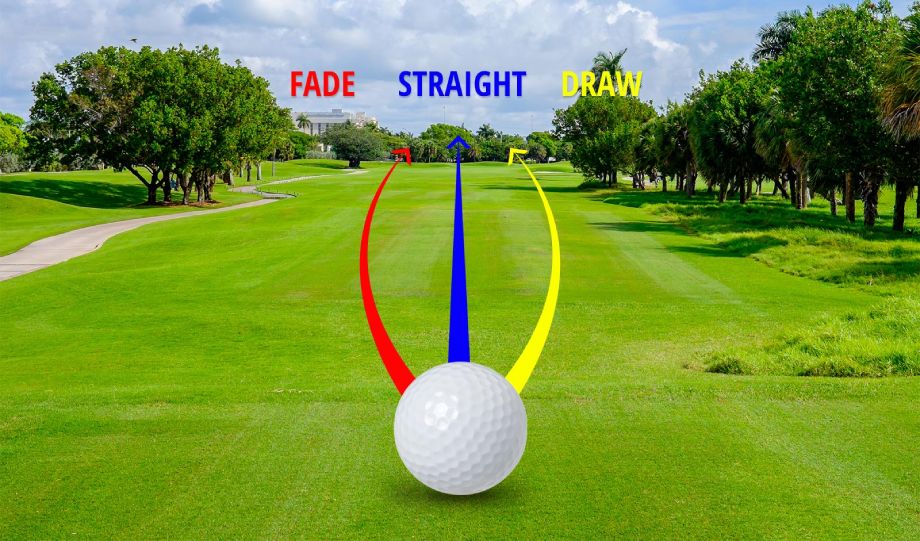
Credit: www.performancegolf.com
When Should You Use A Draw?
A draw is not always the best choice. Here are times when it’s especially helpful:
- Dogleg Left Holes: The layout bends left, so a draw matches the shape.
- Long Par 4s or 5s: You need extra distance, and a draw can add yards.
- Avoiding Hazards: When a straight shot risks hitting trees or bunkers, a draw can curve around them.
- Wind from the Right: A draw helps counteract wind coming from the right side.
However, if a hole bends right or has hazards on the left, a fade might be safer.
Famous Golfers Known For Their Draw
Some professional golfers are famous for their draw shots. Here are a few examples:
- Tiger Woods: He often uses a draw for power and control, especially off the tee.
- Bubba Watson: Known for extreme shot-shaping, Bubba can hit powerful draws that amaze fans.
- Jack Nicklaus: While he preferred a fade, Nicklaus mastered the draw for key moments.
Watching these players can help you understand how a draw works in practice. Their swings are smooth, and their setups are carefully aligned.
How Equipment Affects Your Draw
The right equipment can make hitting a draw easier. Here’s how:
- Clubface Design: Clubs with a slightly closed face help produce a draw.
- Shaft Flex: More flexible shafts can add extra spin, helping with shot shaping.
- Ball Choice: Some golf balls produce lower spin, which works well for a draw.
But equipment alone is not enough. The swing technique is the most important factor.
Practicing The Draw: Tips For Improvement
Learning to hit a draw is about repetition and feedback. Here are some practice tips:
- Use Alignment Sticks: Place them on the ground to guide your stance and swing path.
- Record Your Swing: Use your phone to check if your club is moving inside-out.
- Start Small: Practice with short irons first. It’s easier to control than with a driver.
- Seek Professional Help: A golf instructor can spot mistakes and help you adjust.
- Focus on Ball Flight: Watch where the ball starts and how it curves. Adjust as needed.
A non-obvious insight: Draws with longer clubs (like drivers) require more careful setup. The margin for error increases, so start with mid-irons before moving to woods.
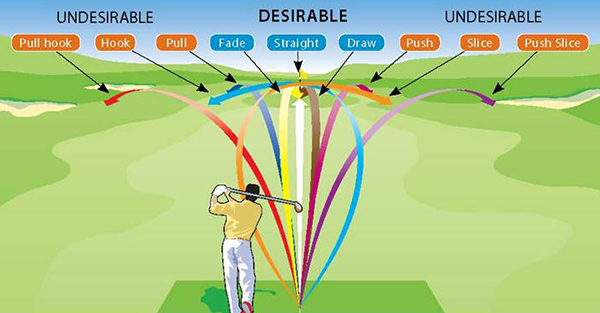
Credit: golfbit.com
Draw Shot Statistics
Draw shots are popular on the PGA Tour. According to data from ShotLink, around 60% of tour players favor a draw off the tee for extra distance. The average draw adds about 8–15 yards compared to a fade. However, only about 25% of amateur golfers can consistently hit a draw.
These numbers show that mastering the draw is a sign of skill. It’s not just about power—it’s about control and understanding your swing.
The Role Of Course Design
Many golf courses are designed with doglegs and obstacles that reward shot shaping. On dogleg left holes, a draw can make the hole shorter and easier. Some courses even have strategic bunkers that tempt players to try a draw to avoid them.
Course designers use these features to test players’ skills. Being able to hit a draw gives you a tactical advantage. If you know when and how to use a draw, you can lower your scores and play with more confidence.
Frequently Asked Questions
What Is The Difference Between A Draw And A Hook?
A draw is a controlled shot that gently curves right to left (for right-handed golfers). A hook is an uncontrolled shot that curves sharply left, often missing the target. The main difference is control and intent.
Can Beginners Learn To Hit A Draw?
Yes, beginners can learn to hit a draw. It takes practice and understanding of grip, stance, and swing path. Start with short irons and use alignment sticks for guidance.
Does A Draw Always Go Farther Than A Fade?
Usually, a draw goes farther because it has lower spin and more roll. On average, a draw adds 5–15 yards, especially with drivers. But factors like wind and course conditions can change this.
Is A Draw Easier To Hit With Certain Clubs?
A draw is easier to hit with irons and fairway woods. Drivers require more precision. Clubs with a slightly closed face or more shaft flex can help, but technique matters most.
Can Left-handed Golfers Hit A Draw?
Yes, left-handed golfers can hit a draw. For them, the ball curves left to right. The setup and technique are the same, just reversed.
Golf is full of challenges and rewards. Learning to hit a draw gives you more tools and confidence on the course. With practice and the right understanding, you can shape your shots like the pros and enjoy the game even more. For more technical details, you can check Wikipedia.