Golf is a sport that mixes skill, strategy, and a touch of luck. For many players, the language of golf can be confusing, especially words like birdie, par, and bogey. If you’ve ever watched a golf tournament or played a round with friends, you might have heard someone celebrate getting a “birdie.” But what does it really mean? Why is it special? This article will clear up exactly what a birdie is in golf, why it’s important, and how it fits into the wider world of golf scoring.
The Meaning Of A Birdie In Golf
A birdie happens when a golfer completes a hole using one stroke less than par. The word “par” is key here. Par is the number of strokes an expert golfer is expected to need to finish a hole, set by golf course designers. For example, if a hole is a “par 4,” the expectation is that a skilled golfer will need four shots to get the ball in the hole. If that golfer does it in three shots, that’s a birdie.
So, in simple terms:
- Birdie = 1 stroke under par on a hole
This term is used in all types of golf — from friendly rounds to professional tournaments.
How Par And Birdie Are Connected
Understanding par is important to understanding birdie. Each hole on a course is assigned a par value (usually 3, 4, or 5). This number is based on the hole’s length and difficulty. Here’s how it works:
| Par Value | Typical Hole Length (yards) | Birdie Score |
|---|---|---|
| 3 | Up to 250 | 2 |
| 4 | 251–470 | 3 |
| 5 | 471–690 | 4 |
If you take one less shot than par, you score a birdie. For example:
- Par 3 hole: 2 shots = birdie
- Par 4 hole: 3 shots = birdie
- Par 5 hole: 4 shots = birdie

Credit: www.golfshaftwarehouse.com
The History Behind The Term “birdie”
The word birdie has an interesting story. It started in the United States in the early 1900s. At that time, “bird” was a slang term meaning something wonderful or excellent. According to golf historians, the word was first used at the Atlantic City Country Club in New Jersey. A player hit a great shot and called it “a bird of a shot.” His friends agreed that from then on, getting one under par would be called a “birdie.”
This term caught on quickly in the golf world. Soon, people in other countries were using it too. Today, “birdie” is a common word in golf everywhere.
Why Birdies Matter In Golf
Scoring a birdie is not just about numbers — it’s a sign of skill. For most golfers, birdies are exciting because they mean you’ve beaten the expected score for a hole. On tough courses or in competitions, a birdie can give a player an important advantage.
Some reasons why birdies matter:
- Lower Scores: Every birdie helps reduce your total score, which is the main goal in golf.
- Confidence Boost: Making a birdie can give a golfer a mental lift and help them play better.
- Winning Tournaments: In professional golf, players with the most birdies often lead the tournament.
How Birdies Compare To Other Scores
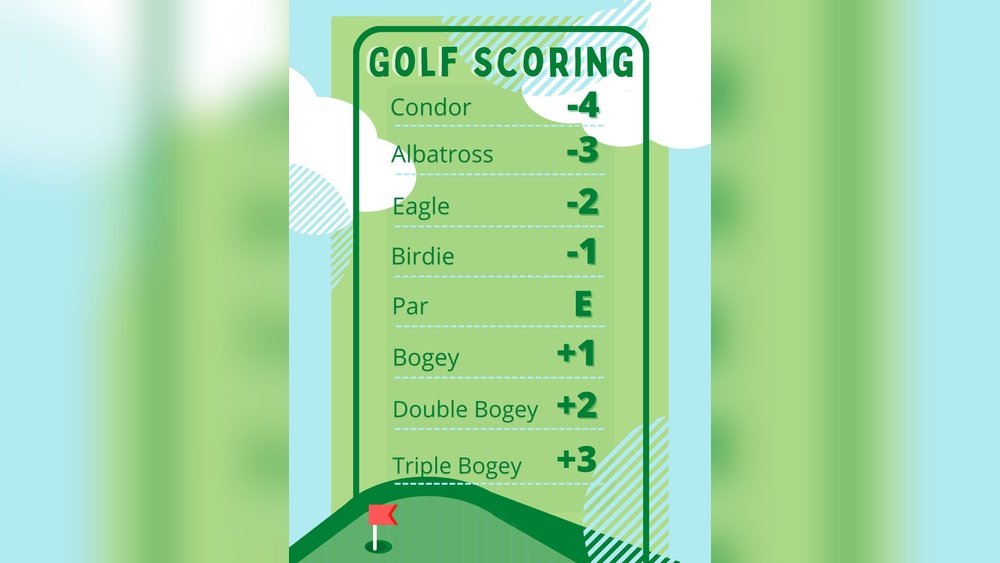
Golf has many unique terms for scores on each hole. Here’s how a birdie fits into the bigger picture:
| Term | Score Relative to Par | What It Means |
|---|---|---|
| Albatross (Double Eagle) | 3 under par | Extremely rare, 3 shots less than par |
| Eagle | 2 under par | Very good score |
| Birdie | 1 under par | Good score, better than par |
| Par | Even with par | Expected score |
| Bogey | 1 over par | One shot more than par |
| Double Bogey | 2 over par | Two shots more than par |
So, a birdie is better than par but not as rare as an eagle or albatross.
How To Score A Birdie: Key Tips
Getting a birdie takes a mix of skill, planning, and sometimes a bit of luck. Here are some practical steps and ideas to help you aim for birdies:
1. Know The Hole
Study the hole layout before you play. Look for hazards (like bunkers or water) and plan your shots. Good planning can save strokes.
2. Hit Accurate Drives
On longer holes, a strong and straight drive puts you in a better position for your next shot. Accuracy is often more important than power.
3. Approach Shots Matter
Your second shot (on a par 4) or third shot (on a par 5) should aim to get the ball close to the green or the flag. The closer you are, the better your chance for a birdie.
4. Short Game And Putting
Many birdies are lost or gained on the green. Practice your putting and chipping. A good putt can turn a par into a birdie.
Common Mistakes When Chasing Birdies
Many golfers, especially beginners, make the same errors when trying for birdies:
- Taking Unnecessary Risks: Trying to go over water or trees can lead to trouble. Sometimes it’s better to play safe.
- Ignoring the Green’s Slope: Reading the green before you putt can make a big difference. Always check the slope and speed.
- Getting Frustrated: Missing a birdie chance can be disappointing, but staying calm helps you play better on the next hole.
:max_bytes(150000):strip_icc()/golf-birdie-illustration-5854086b5f9b586e027f9a34.jpg)
Credit: www.liveabout.com
Famous Birdies In Golf History
Birdies have helped decide some of the biggest moments in golf. Here are a few examples that show how important a single birdie can be:
- Tiger Woods at the 2008 US Open: Woods made a dramatic birdie on the 18th hole to force a playoff, eventually winning the tournament.
- Phil Mickelson at the 2004 Masters: Mickelson’s birdie on the final hole gave him his first major championship win.
- Annika Sörenstam at the 2003 Colonial: Her birdies helped her become the first woman in 58 years to play a PGA Tour event.
These moments are remembered by fans everywhere, showing how a birdie can change the outcome of a tournament.
How Birdies Affect Golf Tournaments
In professional golf, the number of birdies a player makes can decide who wins. Tournaments often track “birdie leaders.” Players who score many birdies usually finish at the top. For example, in major championships, the winner often averages four or more birdies per round.
Here’s a quick look at how birdies can affect a tournament:
| Player | Birdies (per 72 holes) | Final Position |
|---|---|---|
| Champion | 18–22 | 1st |
| Runner-up | 15–18 | 2nd |
| Top 10 | 12–16 | 3rd–10th |
This is just an example, but it shows that making more birdies usually leads to better results.
Credit: justgolfstuff.ca
Birdie Vs. Par: Why The Difference Matters
For a new golfer, the difference between par and birdie may seem small, but it’s important. Par means you’ve played the hole as expected. A birdie means you’ve done better than expected. Over 18 holes, just a few birdies can make a big difference in your final score.
For example, if you play 18 holes of par 4 and get four birdies and the rest pars, your score will be 68 (4 under par). That’s a strong round for any golfer.
Strategies For Beginners To Get More Birdies
If you’re just starting, birdies may seem rare. But there are ways to increase your chances:
1. Practice Your Short Game
Most birdies are made by good putting or chipping. Spend extra time on the practice green.
2. Play To Your Strengths
If you drive the ball well, aim to set up short approach shots. If your putting is strong, focus on getting on the green quickly.
3. Stay Patient
Not every hole is a birdie chance. Take your time, and don’t get frustrated if you miss.
4. Track Your Progress
Keep a record of how many birdie chances you get. This helps you see where you need to improve.
Non-obvious Insights For Scoring Birdies
- Play the Right Tees: Many golfers play from tees that are too long for their skill level. Moving up a tee can give you more birdie chances.
- Course Management is Key: Sometimes, aiming for the center of the green (instead of the flag) gives you a safer putt for birdie. Not every pin is worth the risk.
Birdies In Different Formats Of Golf
Golf is played in many formats. The value of a birdie can change depending on the game:
- Stroke Play: The total number of strokes matters. Every birdie reduces your final score.
- Match Play: Winning more holes than your opponent is the goal. A birdie can win you a hole, but a bogey on the next won’t hurt as much if you win the match.
- Scramble: In team formats, a birdie can help your group take the lead, especially in fun or charity events.
Understanding how birdies work in each format helps you play smarter.
The Role Of Birdies In Handicaps
Many new golfers hear about handicaps but don’t know how birdies fit in. A handicap is a number that shows a player’s skill level. If you make more birdies, your handicap will go down over time. Birdies are a sign that you are improving.
Example:
If your handicap is 18 and you start making a few birdies each round, you may see your handicap drop to 15 or lower after a few months.
Birdie Celebrations And Traditions
Golfers often celebrate birdies in special ways. On the PGA Tour, you may see players give a fist pump or tip their cap. In friendly games, golfers sometimes use a special coin or token to mark birdies on their scorecard. Some courses even offer prizes for the most birdies in a tournament.
Frequently Asked Questions
What Is A Birdie In Golf?
A birdie is when a golfer scores one stroke under par on a single hole. For example, finishing a par 4 hole in three shots is a birdie.
Is A Birdie Good In Golf?
Yes, a birdie is a sign of good play. It means the golfer did better than the expected score for that hole.
How Rare Is It To Get A Birdie?
For professional golfers, birdies happen often. For average players, a birdie might occur once or twice per round, or sometimes not at all. Beginners may get birdies less often.
What Is The Difference Between A Birdie And An Eagle?
A birdie is one stroke under par, while an eagle is two strokes under par. Eagles are less common and usually happen on par 5 holes.
Where Can I Learn More About Golf Scoring Terms?
You can find more information about golf scoring, including birdies, on the official Wikipedia page for Par (score).
Golf is full of unique words and traditions, but understanding what a birdie means is a big step toward enjoying the game more. Whether you’re watching the pros or playing on the weekend, the next time you or someone else makes a birdie, you’ll know exactly why it’s worth celebrating.