
Golf is a game of rules and traditions, but even in such a structured sport, there’s room for a little fun. If you’ve ever played a casual round with friends, you may have heard the word “mulligan” after a bad tee shot.
But what does this term really mean, where did it come from, and how does it fit into the world of golf? Understanding the mulligan can change how you enjoy your next round, especially if you’re new to the game or just want to keep things light.
Let’s break down what a mulligan is, when it’s used, and why it’s so popular among amateur golfers.
The Definition Of A Mulligan
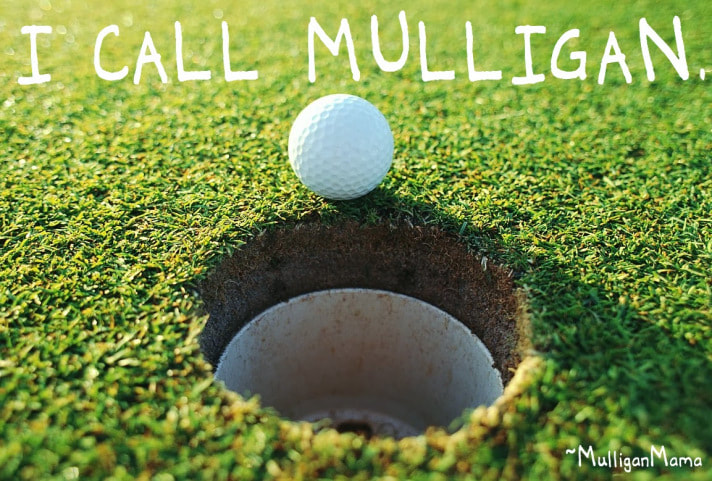
A mulligan in golf is a second chance to replay a shot, usually after a poor first attempt. It’s most common on the tee box (the area where you take your first stroke on a hole), especially on the opening hole when nerves are high. The key thing to remember: a mulligan is never allowed in official rules. It’s an informal agreement, used among friends or during casual games.
For example, imagine you step up to the first tee, swing, and watch the ball slice into the trees. Instead of counting that shot, your group says, “Take a mulligan!” You get to hit again without adding a stroke to your score.
Origins And History
The exact story behind the word “mulligan” is a bit of a mystery. Several tales try to explain its origin, but none have been proven completely true. One of the most popular stories involves a Canadian golfer named David Mulligan in the 1920s. He allegedly hit a bad shot and retook it, calling it a “correction shot.” His friends started calling it a “mulligan” after him, and the name stuck.
Another version claims that a golfer named Mulligan would often arrive late and need a practice shot to warm up. Some suggest the term comes from baseball or other sports, where a similar do-over idea exists. What’s clear is that the mulligan quickly became part of golf’s casual culture.
Credit: www.acementoroforegon.com
When Is A Mulligan Used?
Mulligans are usually played in friendly matches or social outings, not in tournaments or competitions. Here are some common scenarios:
- First Tee Nerves: Many groups allow a mulligan on the first shot of the day to help players relax.
- Group Agreements: Before starting, players might agree that everyone can take one or two mulligans during the round.
- Charity and Scramble Events: Some charity tournaments sell mulligans as a way to raise money. Players can buy a limited number to use during the game.
It’s important to agree on the rules before the round starts. Some groups allow only one mulligan per nine holes; others might be more flexible.
Mulligan Rules In Different Formats
Because mulligans aren’t part of the official rules, their use can vary. Here’s a simple comparison of how mulligans are treated in different golf settings:
| Setting | Mulligan Allowed? | Typical Limit |
|---|---|---|
| Professional Tournaments | No | 0 |
| Amateur Tournaments | No | 0 |
| Charity/Corporate Events | Yes (if purchased) | 1-3 per player |
| Casual Play | Yes (by agreement) | Varies |
Why Do Golfers Use Mulligans?
There are several reasons why mulligans are popular, especially among beginners and casual players:
- Reduces Pressure: The first swing of the day can be stressful. A mulligan lets you relax and enjoy the game.
- Speeds Up Play: Instead of searching for a lost ball or playing from a tough spot, a quick redo keeps things moving.
- Adds Fun: Mulligans encourage laughter and good spirit, making the game more enjoyable.
- Levels the Playing Field: For less experienced golfers, a mulligan helps balance the competition.
The Unwritten Rules Of Mulligans
While mulligans are informal, there are some common expectations that help keep the game fair and fun:
- Agree Beforehand: Always set the number of mulligans allowed before the game starts.
- Don’t Use in Competition: Never expect a mulligan in a tournament or when playing for money.
- No “Mulligan on a Mulligan”: If you take a mulligan, you can’t redo the redo!
- Honesty Matters: Keep track of your shots truthfully, even when using mulligans.
It’s also good etiquette to avoid using a mulligan to win a bet or settle a score in a serious way.
Real-world Examples
Imagine a group of four friends playing on a Saturday morning. They agree on one mulligan per player for the front nine and one for the back nine. On the third hole, one player slices his drive into the water.
He says, “I’m taking my mulligan,” and re-tees without penalty. Nobody argues, because the group agreed on the rule ahead of time.
In a charity tournament, players can buy mulligans for $5 each. The money goes to a local hospital, and the event raises thousands of dollars this way. Each player is allowed to use up to three mulligans during the round.
Impact On Scoring And Game Integrity
Mulligans can make scores look better than they truly are. If you’re trying to track your progress or set a personal best, using mulligans gives a false sense of improvement. For this reason, most golfers keep two scores: a “real” score (including every stroke) and a “mulligan” score (including any do-overs).
Here’s a side-by-side look at how scores can differ when mulligans are used:
| Hole | Actual Score | With Mulligan |
|---|---|---|
| 1 | 6 | 5 |
| 2 | 5 | 5 |
| 3 | 7 | 6 |
| 4 | 4 | 4 |
| 5 | 5 | 5 |
Notice how mulligans can lower your score, but they also make it harder to compare with others who play by the official rules.
Mulligans Around The World
While the term “mulligan” is widely used in the United States and Canada, other countries may have their own versions or slang for a second chance. In the UK and Ireland, players might say “reloading” or “having another go.” However, the practice is mostly limited to friendly games and is not part of any official golf associations’ rulebooks.
Mulligan Variations
Over time, golfers have created fun twists on the basic mulligan. Some groups use these variations to add excitement or challenge:
- Gilligan: The opposite of a mulligan; your opponent can force you to replay a shot, often after a lucky or lucky-looking hit.
- Reverse Mulligan: After a particularly good shot, your group can make you hit again, hoping for a worse result.
- Snake Mulligan: If someone three-putts (takes three strokes to get the ball into the hole from the green), they must take another putt.
These variations are all about keeping the mood light and the competition friendly.

Credit: www.noblesvilleparksgolf.com
Pros And Cons Of Using Mulligans
It’s helpful to weigh the advantages and disadvantages of using mulligans during your round. Here’s a simple overview:
| Pros | Cons |
|---|---|
| Reduces frustration | Skews score accuracy |
| Makes the game more fun | Not recognized in official play |
| Helps beginners learn | Can cause disagreements if not agreed upon |
| Speeds up play | Less sense of achievement |
Two Non-obvious Insights About Mulligans
- Practice for Pressure: Taking a mulligan on the first tee is a tradition for many, but skipping it occasionally can help you learn to play under pressure. Practicing with real consequences helps you handle nerves in important rounds.
- Skill Development: Relying on mulligans too often can slow your improvement. If you always get a second try, you may not focus on fixing your swing or learning to recover from tough spots. Challenging yourself to play without mulligans—even just for a few holes—can boost your skills faster.
Mulligans And The Official Rules
The official Rules of Golf, set by the USGA and The R&A, do not recognize mulligans. Any shot taken must be counted, except in very rare cases where a rule allows a replay (such as hitting a provisional ball or when a rule requires a replay due to interference).
If you’re preparing for a tournament or want to post scores for your handicap, it’s important to play every shot as it lies and not use mulligans. You can read more about official rules and scoring on the USGA website.
When Should You Avoid Taking Mulligans?
- Handicap Rounds: If you want to track your handicap, do not use mulligans. Only count real strokes.
- Competition Play: In any event with prizes, rankings, or official scoring, mulligans are not allowed.
- Learning Situations: If you want to challenge yourself or practice under pressure, skip the mulligans.

Credit: www.glenmuir.com
How To Introduce Mulligans To Your Group
If you want to use mulligans during your next round, here’s how to do it smoothly:
- Talk Before Playing: Ask your group how they feel about mulligans before you start.
- Set Clear Limits: Agree on when and how many mulligans can be used.
- Stay Consistent: Make sure everyone follows the same rules for fairness.
- Keep it Fun: Remember, the main goal is to enjoy the game and each other’s company.
Frequently Asked Questions
What Is A Mulligan In Golf?
A mulligan is a do-over shot. If a player hits a bad shot, they can replay it without adding a penalty stroke. Mulligans are not allowed in official competitions; they are only used in casual games by agreement.
Are Mulligans Allowed In Professional Golf?
No, professional golf does not allow mulligans. Every shot must be counted according to the official rules. Using a mulligan in a tournament is considered cheating.
How Many Mulligans Can I Take In A Round?
It depends on your group’s agreement. Some allow one per nine holes, others set a limit for the entire round. In charity events, mulligans are often sold, and the number is set by the organizers.
Do Mulligans Affect My Golf Handicap?
Yes, using mulligans makes your score lower than it should be, so you should not post scores with mulligans for your official handicap. Only real, counted strokes should be used for handicap purposes.
Where Did The Term “mulligan” Come From?
The exact origin is unclear, but many believe it comes from a golfer named David Mulligan in the 1920s. He took a second shot after a bad drive, and his friends started calling it a “mulligan. ” There are several other stories, but all agree the term means a second chance in golf.
Golf is a game of challenges and enjoyment. The mulligan is a reminder that sometimes, a little break from the rules can make the sport more accessible and fun. Whether you use mulligans or not, always focus on honesty, fair play, and the joy of the game.
That’s the real spirit of golf.