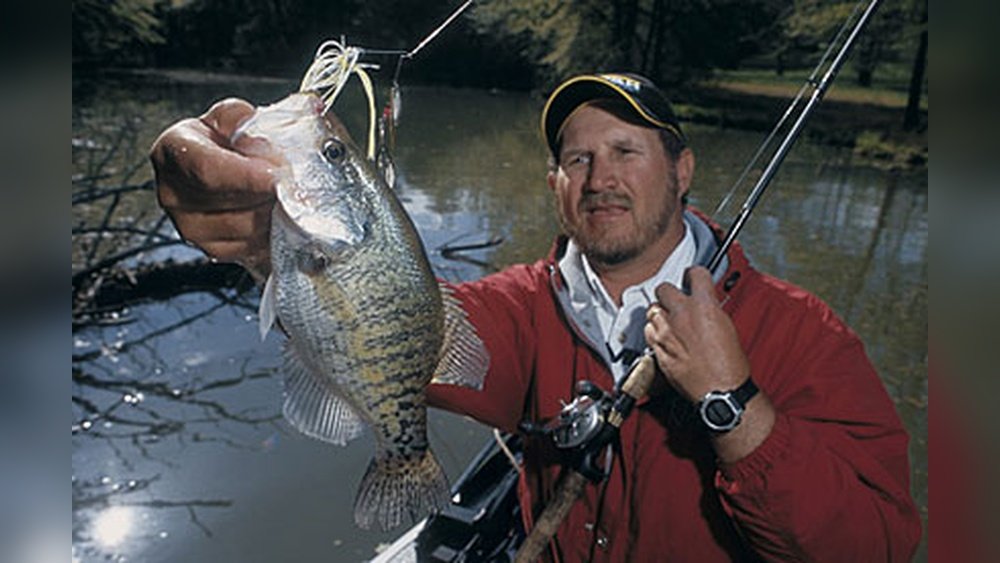
Crappie fishing holds a special place in the hearts of anglers across Missouri. With its countless lakes, reservoirs, and winding rivers, the state is a true paradise for those who love the chase of black and white crappie. Every spring, locals and travelers alike flock to the water, hoping to hook into a slab-sized crappie and create memories that last a lifetime. But with so many options, where do you find the absolute best crappie fishing in Missouri? Let’s dive into the top spots, explore what makes each one unique, and share tips to boost your success.
Why Missouri Is A Crappie Hotspot
Missouri’s waters are rich in nutrients, with diverse habitats that allow crappie to flourish. The state’s conservation efforts, including effective regulations and stocking programs, help maintain strong crappie populations year after year. Whether you prefer fishing from a boat, kayak, or shoreline, you’ll find a spot that fits your style.
A not-so-obvious advantage: Missouri’s lakes vary widely in size, structure, and water clarity. This means you can chase crappie in clear deep reservoirs, shallow brushy lakes, or even slow-moving rivers—all within a short drive.
Top Crappie Fishing Lakes In Missouri
Not all waters are created equal when it comes to crappie. Below, you’ll find the best places in Missouri to target these panfish, each with its own character, prime months, and local secrets.
1. Lake Of The Ozarks
Few places in Missouri are as famous as Lake of the Ozarks for big crappie. Stretching over 54,000 acres, it offers endless coves, docks, and brush piles. The Grand Glaize, Niangua, and Osage arms are known for excellent spring and fall fishing. Local guides recommend targeting submerged brush and dock pilings, especially in March and April when crappie move shallow to spawn.
Tip: Early morning or late afternoon often delivers the best action. Using small jigs or minnows near docks can yield slabs up to 15 inches.
2. Truman Lake
Truman Lake is well-known for its healthy crappie population, often producing both numbers and size. This 55,600-acre reservoir features timber-filled arms, shallow flats, and creek channels. Crappie here are often found around standing timber and brush piles, especially in the Tebo, Osage, and Grand arms.
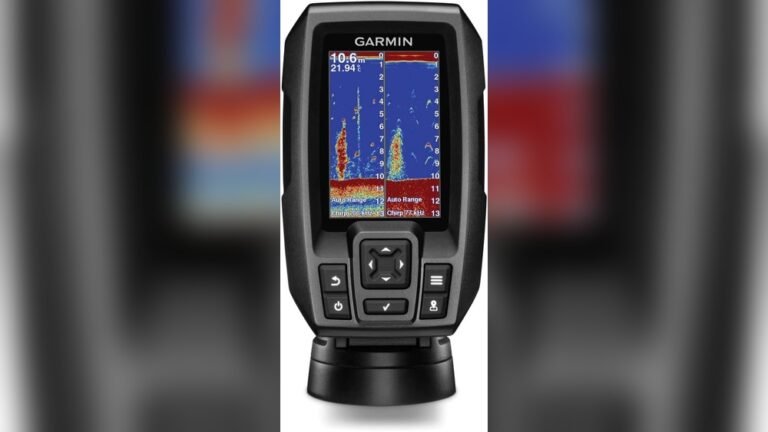
Insider’s edge: After spawning in shallow water, crappie spread out and suspend in open water. Use electronics to find schools 10-20 feet deep in summer.
3. Mark Twain Lake
Located in northeast Missouri, Mark Twain Lake covers over 18,000 acres. Its many coves, creeks, and submerged cover attract anglers from around the Midwest. The North Fork and Indian Creek arms are local favorites. Spring and fall are peak times, but winter ice fishing can also be productive.
Practical tip: Crappie in Mark Twain often suspend along drop-offs. Vertical jigging with tube jigs works well, especially when water is clear.
4. Table Rock Lake
While more famous for bass, Table Rock Lake is an underrated crappie spot. The James and Kings River arms offer prime habitat, especially in brush piles and submerged timber. Water clarity is high, so lighter line and natural colors are best.
What beginners miss: Crappie in Table Rock often hold deeper than in other lakes—sometimes 20-30 feet down, especially during summer.
5. Stockton Lake
Stockton Lake is a hidden gem for crappie fans. The lake’s clear water and rocky structure support strong crappie numbers. The Little Sac and Big Sac arms are top producers. In spring, look for fish staging near brush piles and flooded timber.
Key difference: The lake’s lower fishing pressure means less competition, so you can often find undisturbed schools of crappie.
6. Pomme De Terre Lake
This 7,800-acre lake is a favorite among both locals and visitors. Pomme de Terre Lake boasts a healthy mix of black and white crappie, with the Lindley and Pomme arms being most productive. Anglers often use small jigs tipped with minnows for best results.
Helpful insight: Water clarity can change quickly after rains, so adjust your lure color from bright (stained water) to natural (clear water).
7. Smithville Lake
Near Kansas City, Smithville Lake is popular for its easy access and solid crappie fishing. The Camp Branch and Little Platte arms are hotspots, and the lake is regularly stocked. Spring is the top season, with crappie moving shallow to spawn along rocks and riprap.
Non-obvious tip: Later in the season, try trolling jigs in open water to locate suspended schools.
8. Mozingo Lake
At just 1,000 acres, Mozingo Lake may be smaller, but it packs a punch. Its brush piles, fish attractors, and weed lines hold good numbers of crappie, including some true slabs. Early spring is best, but fall can be surprisingly productive as well.
Why try Mozingo: Less boat traffic means a quieter fishing experience, perfect for beginners or families.
9. Wappapello Lake
In southeast Missouri, Wappapello Lake offers 8,400 acres of prime crappie water. The upper lake, with its standing timber and brush, is especially popular. Spring spawning action draws crowds, but fall can also bring hot bites.
Extra insight: Fish often relate to current in this lake—crappie may stack up in creek mouths after rains.
10. Lake Taneycomo
Best known for trout, Lake Taneycomo also holds a solid crappie population, especially in the upper lake. The cold water isn’t ideal for spawning, but crappie still thrive in warmer pockets and brushy backwaters.
Beginner’s mistake: Many anglers overlook crappie here, so try fishing away from the main trout crowd for surprising results.

Credit: www.youtube.com
Missouri River And Other Moving Waters
Missouri’s rivers are often ignored for crappie, but they shouldn’t be. The Missouri River, along with the Osage, Gasconade, and Grand rivers, offers strong populations. Look for crappie in backwaters, slow-moving bends, and around submerged timber.
What most miss: River crappie often move more than lake fish—finding them can be a challenge but also very rewarding. Focus on eddies and slack water, especially after water levels stabilize.
Comparing Missouri’s Top Crappie Lakes
To help you choose where to fish, here’s a side-by-side look at some of Missouri’s best crappie lakes:
| Lake | Size (Acres) | Peak Season | Typical Crappie Size |
|---|---|---|---|
| Lake of the Ozarks | 54,000 | Mar–Apr, Oct | 10–15 inches |
| Truman Lake | 55,600 | Apr–May, Sep | 9–14 inches |
| Mark Twain Lake | 18,000 | Mar–May, Oct | 9–13 inches |
| Table Rock Lake | 43,000 | Apr–May | 8–12 inches |
| Stockton Lake | 24,900 | Apr–May | 10–14 inches |
Credit: www.wired2fish.com
Essential Gear And Techniques For Missouri Crappie
You don’t need expensive gear to catch crappie, but a few basics make a difference:
- Rod and Reel: Light or ultralight spinning rods, 5 to 7 feet long, offer good sensitivity.
- Line: 4-8 lb. Test monofilament or fluorocarbon is standard. Use lighter line in clear water.
- Jigs: 1/16 to 1/32 oz. Tube or marabou jigs, in colors like chartreuse, white, or pink.
- Live Bait: Small minnows fished under a float are classic and effective.
- Tackle Box: Include bobbers, split shot, extra hooks, and a small net.
Technique matters: In spring, cast near brush or docks and retrieve slowly. In summer, try vertical jigging or trolling. In fall, look for fish along creek channels or deeper brush.
Understanding Missouri’s Crappie Regulations
Missouri’s crappie fishing regulations are designed to keep populations healthy. Most lakes have a daily limit of 15 crappie per angler, with a minimum length limit of 9 inches on many waters. Always check the specific rules for each lake or river before fishing—regulations can change.
Pro tip: Some lakes, like Truman and Lake of the Ozarks, enforce stricter size limits to protect larger crappie. Following these rules helps ensure great fishing for years to come.
Best Times For Crappie Fishing In Missouri
Crappie bite year-round, but timing can make a big difference. Here’s a quick look at the prime seasons:
| Season | Crappie Behavior | Best Techniques |
|---|---|---|
| Spring (Mar–May) | Spawning, shallow water | Cast jigs/minnows near cover |
| Summer (Jun–Aug) | Deep, suspended | Vertical jigging, trolling |
| Fall (Sep–Nov) | Feeding, moving shallow | Cast jigs, slow retrieve |
| Winter (Dec–Feb) | Deep, sluggish | Ice fishing, slow jigs |
Unique Challenges And Local Tips
While Missouri offers incredible crappie fishing, a few challenges are worth noting:
- Changing water levels: Spring rains can quickly raise or lower water, pushing crappie into new areas. Always adapt your location if you’re not getting bites.
- Clear vs. stained water: In clear lakes, use lighter line and natural-colored lures. In stained water, go for brighter colors and bigger presentations.
- Crowds: Popular lakes get busy during spring weekends. Try fishing mid-week or during off-peak hours for more solitude.
Advanced tip: Many experienced anglers sink their own brush piles (following local rules) to create private hotspots. Mark these on your GPS and return each season.
Where To Find Local Information
Before heading out, check local fishing reports, forums, and bait shops for the latest crappie action. The Missouri Department of Conservation provides weekly updates on most major lakes, including water temperature, clarity, and fishing pressure. For more detailed regulations and maps, visit the official Missouri Department of Conservation website.
Frequently Asked Questions
What Is The Best Month For Crappie Fishing In Missouri?
April is often considered the peak month for crappie fishing, as fish move into shallow water to spawn. However, March and May can be excellent as well, depending on weather and water temperature.
Do I Need A Special Permit To Fish For Crappie In Missouri?
You need a valid Missouri fishing license for anyone age 16–64. Some lakes may require additional permits or daily use fees, especially in state parks or conservation areas.
What’s The Biggest Crappie Ever Caught In Missouri?
The state record for black crappie is 4 lbs 8 oz, and for white crappie is 4 lbs 9 oz. Both were caught in Missouri lakes, showing the potential for trophy fish.
Are There Any Restrictions On Using Live Bait?
Live bait is allowed on most Missouri waters, but transporting live fish between lakes is prohibited to prevent the spread of invasive species. Always buy bait locally and never release unused bait into the water.
Can I Fish For Crappie At Night?
Yes, many anglers have success fishing for crappie at night, especially during summer. Using lights to attract baitfish can bring crappie close to your boat or dock.
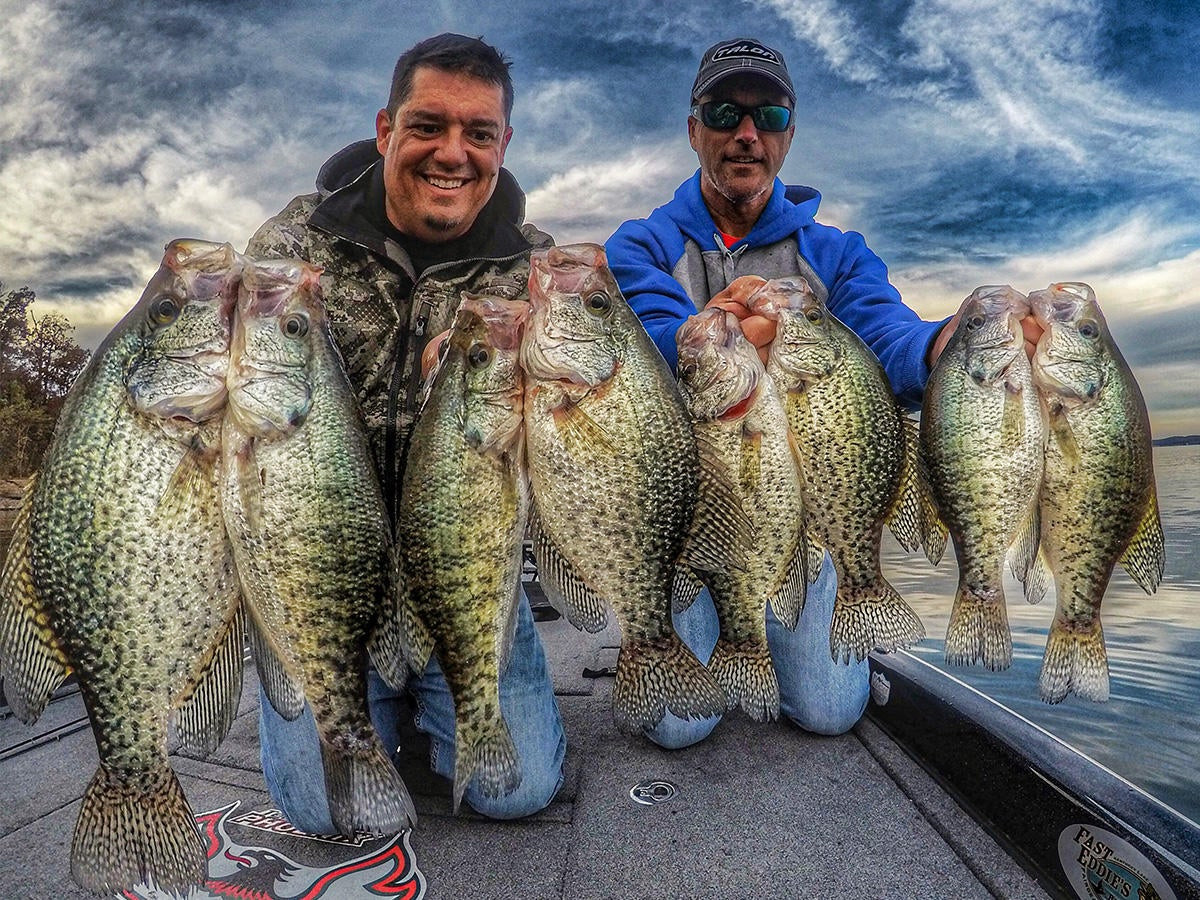
Missouri’s lakes and rivers offer some of the best crappie fishing in the country. Whether you’re chasing your first slab or looking for a quiet corner of a busy reservoir, the Show-Me State has something for every angler. With the right gear, local knowledge, and a bit of patience, you’re almost guaranteed a memorable day on the water.

Credit: www.youtube.com