Golf is a sport where small details make a big difference. The clubs you choose can shape your swing, ball flight, and overall performance. Among the many types of golf clubs, blades stand out for their classic look and unique feel. But what exactly are blades in golf, and why do some golfers prefer them while others avoid them? This guide will help you understand blades, how they work, their pros and cons, and whether they might be right for your game.
What Are Blades In Golf?
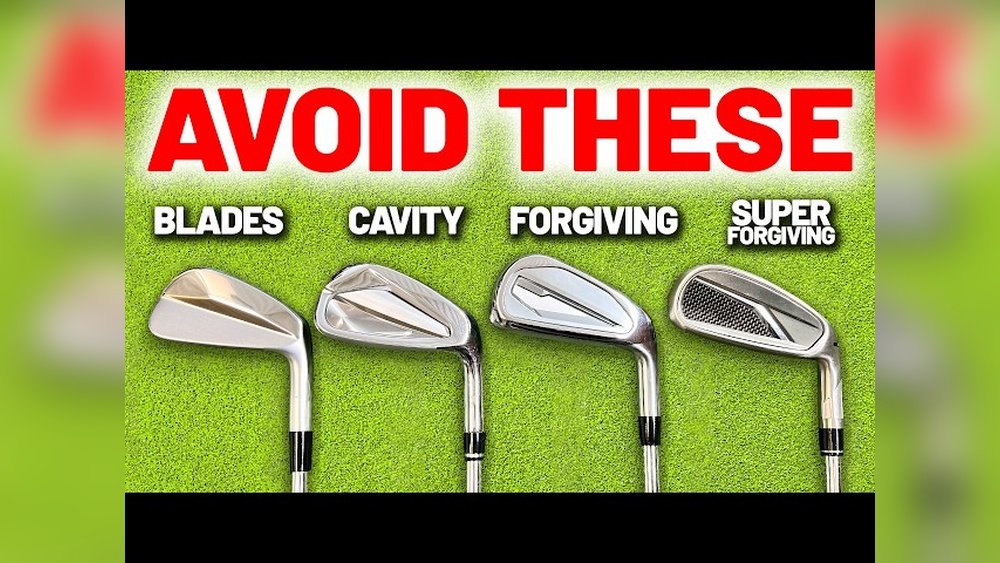
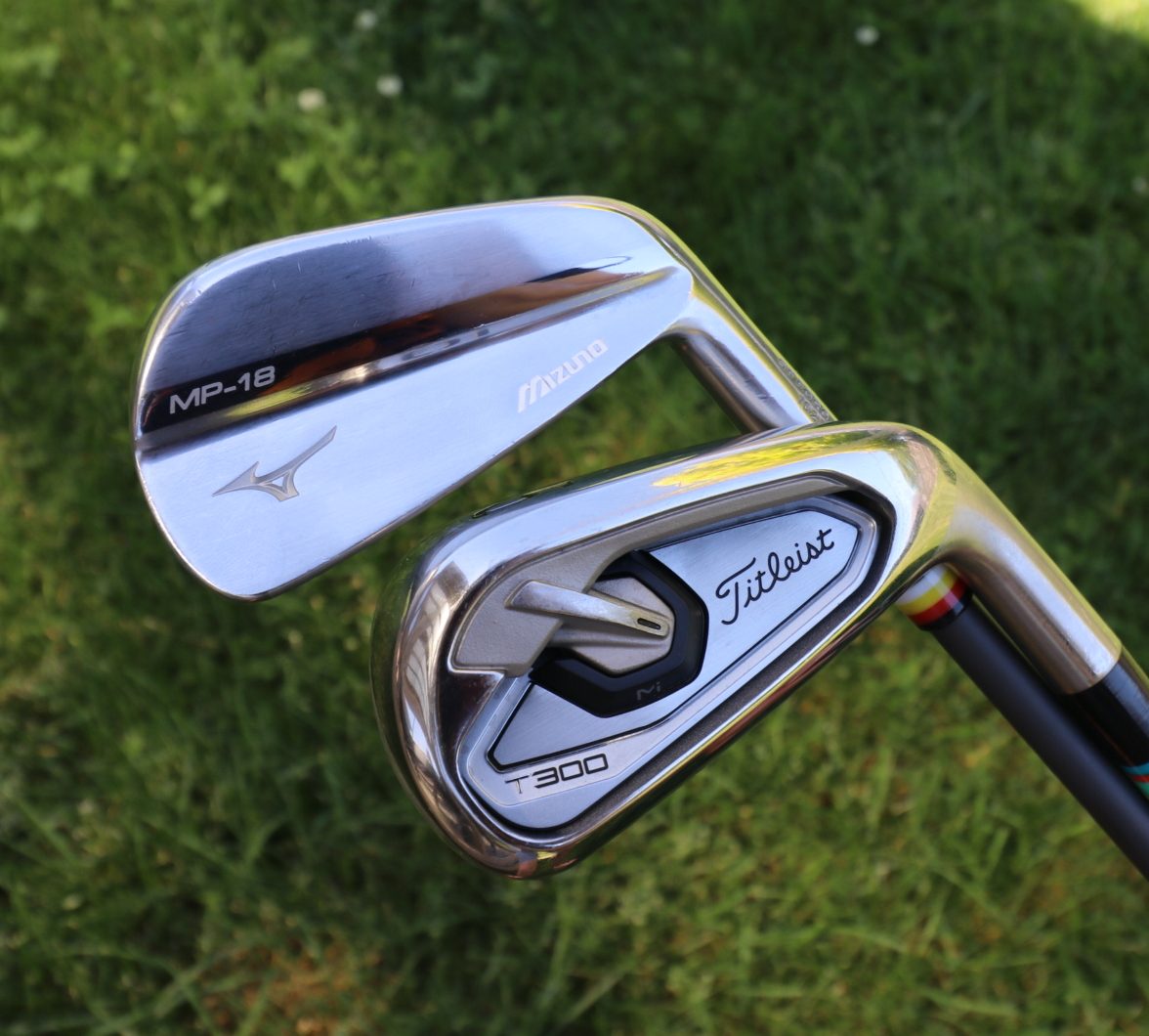
In golf, blades refer to a specific style of iron clubhead. These clubs are also known as muscle backs because of their thin design and solid, one-piece construction. Unlike modern game-improvement irons, blades have a thin top line, a small sweet spot, and almost no perimeter weighting. This means the weight is concentrated behind the center of the clubface.
Blades have been around since the early days of golf. They were the standard for professionals and serious amateurs until the 1980s, when cavity-back irons started to appear. Today, blades are mostly used by advanced players who want more control and feedback from their shots.
How Blades Differ From Other Irons
To really understand blades, it’s helpful to compare them to other types of irons you’ll find in a typical golf shop.
| Feature | Blades | Cavity-Back Irons |
|---|---|---|
| Design | Thin, solid back | Hollowed back, perimeter weighting |
| Forgiveness | Low | High |
| Control/Workability | High | Medium |
| Player Skill Level | Advanced | Beginner to Intermediate |
| Feedback | Very strong | Softer, less direct |
Blades are all about precision and feel. They punish off-center hits, but they reward perfect contact with unmatched feedback and the ability to shape shots.

Credit: pluggedingolf.com
Why Do Golfers Choose Blades?
Some golfers see blades as the “purest” way to play. Here are the main reasons skilled players choose blades:
- Workability: With blades, you can more easily curve the ball left or right, hit high or low shots, and control spin. The club responds directly to your swing.
- Feedback: Every shot feels different. A well-struck shot feels soft and powerful, while a mishit feels harsh. This feedback helps skilled golfers fine-tune their swings.
- Classic Look: Many golfers love the simple, elegant appearance of blades. They have a thin top line and compact head, which inspires confidence for some.
- Consistency: Blades produce a reliable ball flight for players who consistently hit the sweet spot. There’s less “help” from the club, so the results match your skill level.
However, these same qualities can make blades difficult for beginners. If you don’t make solid contact, your shots will lose distance and accuracy.
Who Should Use Blades?
Blades are not for everyone. They are best suited for:
- Low-handicap golfers (usually under 10)
- Players who consistently strike the center of the clubface
- Golfers who want to shape shots and control trajectory
If you’re a high-handicap player or struggle with consistent contact, cavity-back or game-improvement irons are usually a better choice.
Common Mistakes When Choosing Blades
- Thinking blades will improve your game instantly: Many amateurs believe that using blades will make them better players. In reality, blades are harder to hit and can make golf more frustrating.
- Ignoring fitting: Even skilled players need a proper club fitting. Getting the right shaft, lie angle, and length is just as important as picking the clubhead style.
The Anatomy Of A Blade Iron
Let’s break down what makes a blade unique, piece by piece:
- Clubhead: Thin from front to back, with a small sweet spot and little to no cavity in the back.
- Top Line: Very thin, giving a clean look at address.
- Sole: Usually narrow, allowing for easier turf interaction and shot shaping.
- Hosel: Longer hosel for better control over clubface position.
Here’s a quick look at the parts of a blade iron versus a cavity-back:
| Part | Blade Iron | Cavity-Back Iron |
|---|---|---|
| Back | Solid, flat | Hollowed, weighted around perimeter |
| Sole Width | Narrow | Wider |
| Top Line | Thin | Thicker |
| Sweet Spot Size | Small | Larger |
A non-obvious detail: the narrow sole of blades helps advanced players make precise contact from tight lies or tricky turf. But it also means less forgiveness on fat shots.
The Science Behind Blades: Forging Vs. Casting
Most blades are forged from a single piece of soft steel. Forging involves heating and shaping the metal, which gives the club its soft feel and crisp feedback. In contrast, many game-improvement irons are cast—liquid metal is poured into a mold, which allows for more complex shapes but can feel less responsive.
Forged blades are prized for their feel, but they require more skill to use. Even small changes in swing path or face angle are noticeable. This is why professionals and elite amateurs often prefer them.

Credit: pacificgolfwarehouse.com
How Blades Affect Ball Flight And Performance
With blades, your swing produces exactly the shot you intend—good or bad. Here’s how they affect your game:
- Ball Flight: Blades tend to produce a lower, more penetrating ball flight. This is helpful in windy conditions or when you want to control the roll.
- Spin: Because the sweet spot is small, you can generate more spin when you hit the center. But off-center hits lose both distance and control.
- Shot Shaping: Blades make it easier to hit fades, draws, and specialty shots.
An insight many beginners miss: blades exaggerate both your good and bad swings. If you want to learn about your swing’s strengths and weaknesses, practicing with blades can reveal a lot.
Pros And Cons Of Using Blades
Choosing blades is a big decision. Here’s a side-by-side look at the main advantages and disadvantages.
| Pros | Cons |
|---|---|
| Unmatched feedback and feel | Small sweet spot punishes mishits |
| Great for shot shaping and trajectory control | Less forgiving for high handicappers |
| Classic, clean look at address | Can lose distance on off-center hits |
| Preferred by many professionals | Harder to use from rough or tricky lies |
A tip: Some manufacturers now offer “combo sets,” where longer irons are cavity-backs for forgiveness, and shorter irons are blades for control. This can be a good middle ground.
Famous Golfers Who Use Blades
Many of the world’s top players have used blades at some point in their careers. Some still do, at least in their short irons. For example:
- Tiger Woods: Often plays custom-made blade irons.
- Rory McIlroy: Prefers blades for their feel and shot control.
- Ben Hogan: Known for designing and playing with classic blades.
It’s important to note that even pros sometimes use modern, slightly more forgiving versions. The myth that “all pros play pure blades” isn’t always true.
Should You Try Blades?
If you’re considering blades, ask yourself:
- Do you consistently hit the sweet spot?
- Are you looking for maximum control over your ball flight?
- Do you practice regularly and want to improve your swing mechanics?
If the answer is yes, blades could help you take your game to the next level. If not, you may enjoy the game more with forgiving clubs.
A practical tip: test blades during a fitting session or borrow a friend’s set. You’ll quickly feel the difference. Also, don’t be afraid to mix and match—many players carry blades for their 7-iron to pitching wedge, and use forgiving irons for the longer clubs.
How To Transition To Blades
Moving from cavity-backs to blades is a big step. Here’s how to make the transition smoother:
- Start with short irons: These are easier to hit. Try blades in your 8, 9, and pitching wedge first.
- Practice your ball-striking: Spend time on the range focusing on hitting the center of the clubface.
- Work with a coach: A teaching pro can help adjust your swing for the demands of blades.
- Monitor your results: Track your scores and shot patterns. If your game suffers, consider a combo set.
Advanced insight: Many players find that their distance control improves with blades, even though their average distance may drop. This is because well-struck shots with blades travel consistent yardages, reducing big misses.
Frequently Asked Questions
What Does “blade” Mean In Golf?
A blade is a type of iron club with a thin, solid back and small sweet spot. It’s designed for skilled players who want maximum feedback and control. Blades are less forgiving but offer more shot-shaping ability.
Are Blades Only For Professionals?
No, but they are best for advanced amateurs and professionals. Beginners and high-handicappers usually find blades too difficult because they require precise contact.
Do Blades Go Farther Than Cavity-backs?
Not usually. Blades may produce lower, more controlled shots, but they’re less forgiving on off-center hits, which can reduce distance. Game-improvement irons are designed to maximize distance, even on mishits.
Can You Mix Blades With Other Irons In Your Set?
Yes. Many golfers use a combo set—blades for short irons, cavity-backs for long irons. This offers a mix of control and forgiveness.
Where Can I Learn More About The Science Behind Golf Club Design?
A good resource is the Wikipedia page on golf clubs, which explains materials, construction, and how different designs affect performance.
Golf is about finding the right equipment for your swing and skill level. Blades are a traditional choice with unique benefits, but they require commitment and practice. If you’re curious, give them a try—just remember, the best club is the one that helps you enjoy the game and play your best.
Credit: www.golfwrx.com