When you think of a contact sport, images of fierce tackles, hard hits, and constant physical battles might come to mind. But where does baseball fit in?
Is it truly a contact sport, or does it belong in a different category altogether? You might be surprised to learn that while baseball isn’t classified the same way as football or hockey, it still involves moments of physical contact that can impact your safety on the field.
If you want to understand how baseball’s contact level affects players, injury risks, and the way the game is played, keep reading. This article will clear up the confusion and give you a fresh perspective on what makes baseball unique in the world of sports.

Credit: en.wikipedia.org
Baseball’s Contact Classification
Baseball’s classification as a contact or non-contact sport often causes confusion. The game does not involve planned physical clashes like football or rugby. Still, players frequently experience physical contact during plays. Understanding this classification helps clarify baseball’s nature and the risks involved.
Non-contact Sport Status
Baseball is generally labeled a non-contact sport. The rules do not allow deliberate physical contact between players. The main focus is on hitting, running, and fielding. Players aim to avoid collisions and maintain safe distances. The sport’s structure reduces intentional contact compared to other team sports.
Incidental Contact In Play
Incidental contact happens often during games. Players may collide while running bases or catching balls. The ball itself can cause sudden impacts when hit or thrown. These moments are unplanned but part of the game’s flow. Such contact is usually accidental and brief.
Injury Risks Despite Classification
Despite being a non-contact sport, baseball carries injury risks. Players face dangers from fast pitches and hard-hit balls. Collisions during close plays may cause bruises or sprains. Serious injuries like concussions or fractures can occur. Protective gear and safety rules help lower these risks but cannot eliminate them.
Types Of Contact Sports
Contact sports vary widely based on the level and type of physical interaction involved. Understanding these categories helps clarify where baseball fits. Contact sports range from intense collisions to minimal or no physical contact. Each type poses different risks and requires unique safety measures.
These distinctions are important for players, coaches, and fans. Knowing the category also guides training and injury prevention strategies.
Collision Sports Defined
Collision sports involve deliberate, forceful contact between players. These sports include football, rugby, and ice hockey. Players often crash into each other at high speed. Injuries are common and can be severe. The physical contact is planned and a key part of the game.
Regular Contact Sports
Regular contact sports feature routine physical contact but less forceful than collision sports. Examples are basketball, soccer, and wrestling. Contact occurs often but is usually less intense. Players use contact to gain advantage or protect the ball. Injuries happen but are generally less severe than in collision sports.
Limited-contact And Non-contact Sports
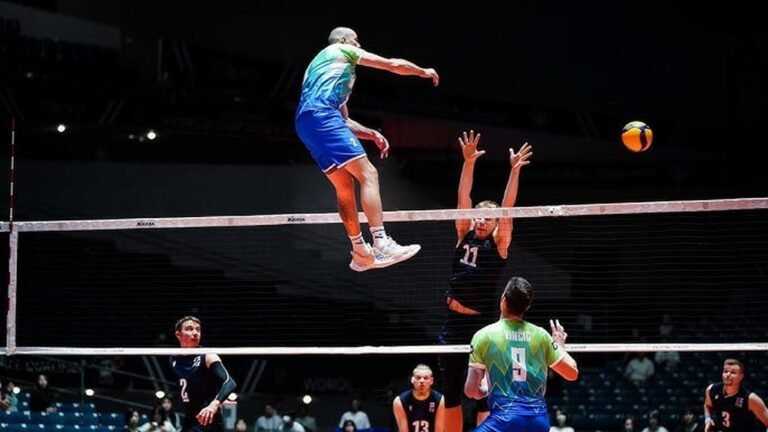
Limited-contact sports allow some contact, but it is minor or accidental. Tennis, volleyball, and baseball fall here. Baseball is not designed for player-to-player contact. Contact happens mainly during plays like sliding or running bases. Non-contact sports avoid player contact altogether, focusing on individual skill and movement.
Common Baseball Injuries
Baseball players face various injuries during games and practices. These injuries happen due to the speed of the ball, player actions, and unexpected collisions. Understanding common baseball injuries helps players and fans recognize the risks involved in the sport.
Injuries From Ball Impact
Getting hit by a pitched or batted ball can cause bruises, fractures, and cuts. Fast balls can reach speeds over 90 miles per hour. Protective gear like helmets and padding reduces injury risks but cannot prevent all impacts. Even an unexpected ball deflection can cause pain and injury.
Player Collisions On Field
Collisions often happen at bases or home plate when players try to tag or score. These impacts can lead to sprains, broken bones, or muscle strains. Players sometimes crash into each other while chasing the ball or sliding. Coaches teach safe techniques to reduce these collision injuries.
Concussions And Serious Trauma
Head injuries occur from collisions or ball strikes to the head. Concussions can cause dizziness, headaches, and confusion. Serious trauma needs immediate medical attention and rest. Wearing helmets and following safety rules lowers the chance of brain injuries but does not eliminate them.
Credit: www.ebay.com
Safety Measures In Baseball
Baseball involves certain risks despite being a non-contact sport by definition. Players face dangers from fast pitches, sudden ball movements, and player collisions. Safety measures help reduce injuries and keep the game safer for everyone. Teams and leagues work hard to protect players during practices and games.
Protective Gear Usage
Players wear helmets to protect their heads from pitched balls. Catchers use masks, chest protectors, and shin guards for added safety. Batting gloves help prevent blisters and improve grip. Some players also wear mouthguards to protect their teeth and jaws. Using proper gear lowers injury risks significantly.
Field Awareness And Training
Players learn to stay alert on the field at all times. Coaches emphasize watching the ball and other players carefully. Training includes drills to improve reaction time and avoid collisions. Awareness helps players dodge fast balls and moving teammates. Good communication among players also prevents accidents.
Rule Adjustments To Reduce Risk
Leagues have changed rules to make baseball safer. Sliding rules limit dangerous collisions at bases. Batters must wear helmets at all times while at bat. Some leagues restrict aggressive plays near home plate. These rule changes aim to lower injury chances without changing the game’s spirit.
Comparing Baseball To Other Sports
Comparing baseball to other sports helps clarify its place in the contact sport spectrum. Baseball features some player interactions and risks. These differ significantly from sports known for heavy physical contact. Yet, baseball shares traits with certain contact sports and also stands apart from limited-contact games. Understanding these differences and similarities improves our grasp of the sport’s unique nature.
Differences From Collision Sports
Collision sports like football and hockey rely on deliberate physical contact. Players tackle or block opponents as a core part of play. Baseball does not involve planned collisions. Contact happens accidentally, such as when players run into each other or slide into bases. The chance of injury exists but contact is not a strategic element. Protective gear in collision sports is more extensive due to expected impacts.
Similarities With Contact Sports
Baseball shares some injury risks with contact sports. Players sometimes collide while chasing a ball or at home plate. Being hit by a pitched or batted ball is common and can cause harm. These contacts may lead to bruises, sprains, or even concussions. Both baseball and contact sports require awareness and quick reflexes to avoid injury. Safety rules and equipment help reduce risks in both.
Baseball Vs Limited-contact Sports
Limited-contact sports like tennis or volleyball have minimal player interaction. Contact between players is rare and usually accidental. Baseball has more frequent contact through plays at bases or catches. The ball’s high speed adds risk not seen in many limited-contact sports. Unlike these sports, baseball players wear helmets and padding for protection. This level of contact places baseball between non-contact and full contact sports.
Credit: www.ebay.com
Frequently Asked Questions
Does Baseball Count As A Contact Sport?
Baseball is generally a non-contact sport, but incidental contact and collisions can occur. It does not involve intentional physical contact like football or hockey.
What Is Considered A Contact Sport?
A contact sport involves physical contact between players as a regular, accepted part of the game. Examples include football, rugby, hockey, and boxing. Contact can be intentional or incidental, distinguishing these sports from non-contact ones where contact is penalized.
What Category Of Sport Is Baseball?
Baseball is classified as a non-contact sport. It involves incidental contact, but no intentional physical collisions between players.
Is Baseball A Low Contact Sport?
Baseball is generally a low-contact sport with no intentional physical collisions. Contact happens incidentally, causing some injuries.
Conclusion
Baseball is mostly a non-contact sport by definition. Players do not plan to hit or tackle opponents. Still, accidental contact happens often during plays. Injuries can result from collisions or being hit by the ball. Protective gear helps reduce serious harm.
Understanding this helps players stay safe and enjoy the game. Contact may not define baseball, but it shapes the experience.