Are you setting up a volleyball game and wondering about the exact height of a high school volleyball net? Getting this right is crucial—not just for fair play, but to boost your performance and enjoyment on the court.
Whether you’re a player, coach, or just curious, knowing the official net height can give you the edge you need. You’ll discover the precise measurements used in high school volleyball, why these standards matter, and how they differ from other levels of play.
Keep reading to make sure your game is set up perfectly every time!
Credit: volleyball-tips.com
High School Net Height
The height of the volleyball net is a key factor in the sport. It affects how players serve, block, and spike the ball. In high school volleyball, the net height follows specific rules. These rules ensure fair play and challenge athletes appropriately.
Understanding the standard net height helps players and coaches prepare better. The net height varies by gender, which influences game strategies and training methods.
Standard Measurements
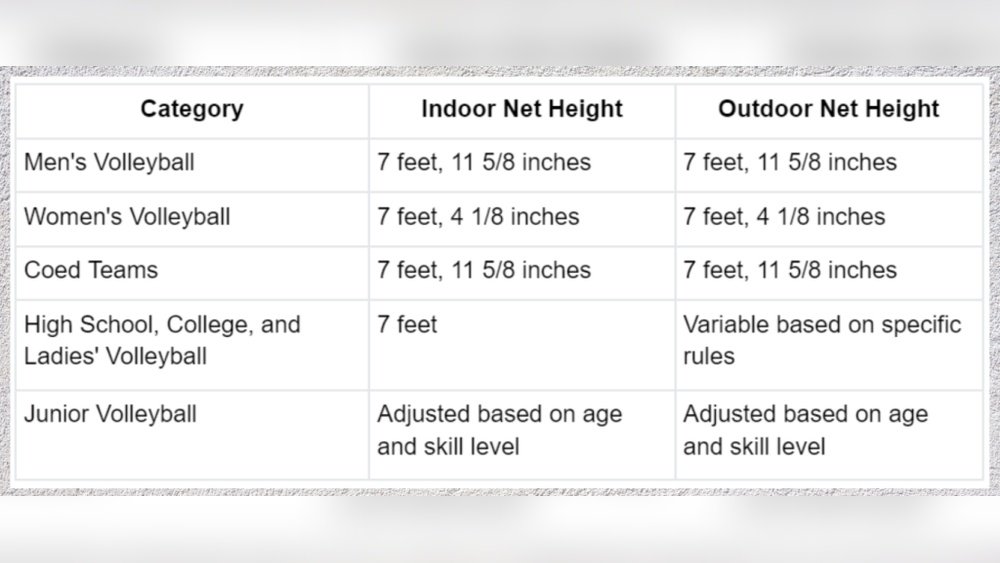
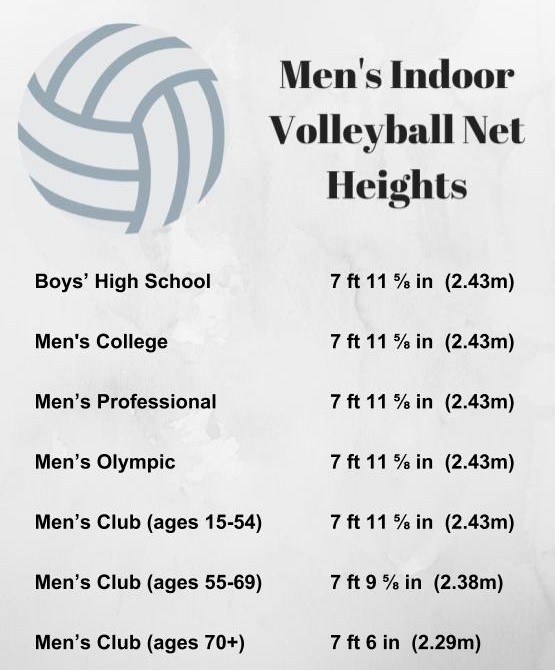
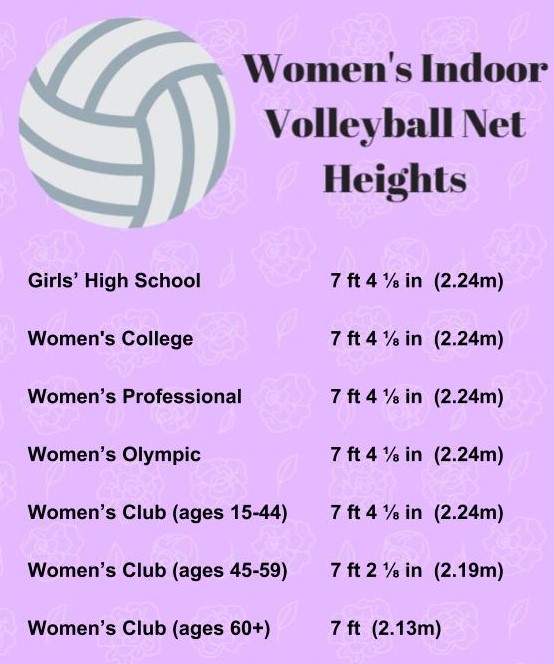
The official net height for boys’ high school volleyball is 7 feet 11 5/8 inches (2.43 meters). For girls, the net height is 7 feet 4 1/8 inches (2.24 meters). These heights are set by national volleyball organizations. They are consistent across most high school leagues in the United States.
The net must be tightly secured and level across the court. Proper measurement ensures the game is played correctly. It also keeps the competition fair for all players.
Differences Between Boys And Girls
Boys’ net height is higher than girls’ by about 7 inches. This difference reflects physical strength and jumping ability. Boys generally have a higher net to increase difficulty. Girls play with a slightly lower net to match their average reach.
Coaches design drills and plays based on these net heights. Training focuses on improving jump height and attack techniques. Knowing the exact net height helps players set realistic goals.
Credit: www.sportsimports.com
Comparison With Other Levels
The height of a volleyball net changes depending on the level of play. Comparing high school net height with other levels helps players and coaches understand these differences. These variations affect how the game is played and the skills needed. Below, we explore net heights for middle school and college or professional volleyball.
Middle School Net Heights
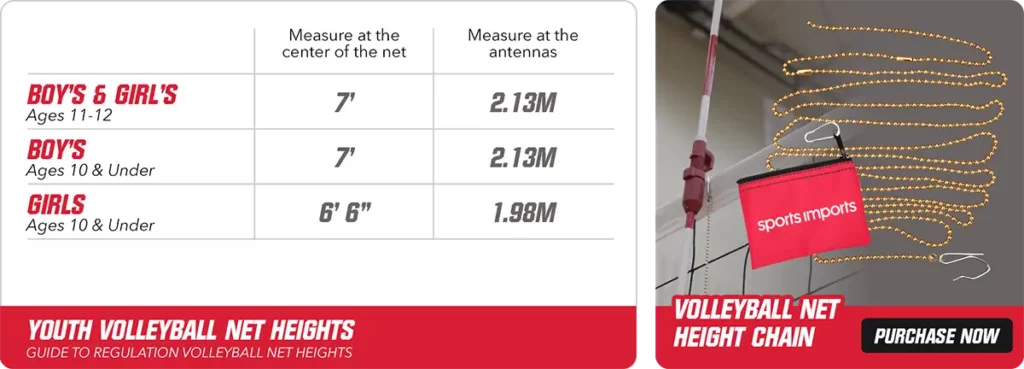
Middle school volleyball nets are set lower than high school nets. The height is usually around 7 feet (2.13 meters). This lower height helps younger players develop their skills and build confidence. It allows them to practice hitting and blocking more easily. The net height gradually increases as players move up to higher levels.
College And Professional Standards
College and professional volleyball use higher nets than high school. For women, the net height is 7 feet 4 1/8 inches (2.24 meters). For men, it is 7 feet 11 5/8 inches (2.43 meters). This higher net requires advanced skills and strength. It challenges players to improve their jumping and timing. These standards are set by official volleyball organizations worldwide.
Regulations And Rules
The height of a high school volleyball net follows specific rules set by official organizations. These rules ensure fair play and consistency in every match. Knowing the exact net height helps players prepare and compete properly.
Rules cover different categories, including boys’, girls’, and co-ed volleyball. Each category has a set net height to match players’ average height and skill level. Understanding these rules helps coaches and players set up the court correctly.
Governing Bodies’ Guidelines
The National Federation of State High School Associations (NFHS) sets the standard for high school volleyball net height.
For girls’ volleyball, the net height is 2.24 meters (7 feet 4 1/8 inches). Boys’ volleyball nets stand taller at 2.43 meters (7 feet 11 5/8 inches).
These heights align with international standards from the Fédération Internationale de Volleyball (FIVB). Referees must check the net height before every official match. Proper net height guarantees fairness and safety for all players.
Co-ed And Recreational Adjustments
Co-ed volleyball often uses a net height between the boys’ and girls’ standards. Typically, the net is set at 2.35 meters (7 feet 8 1/2 inches).
Recreational leagues may adjust net height to suit player skill levels or age groups. Some youth leagues use lower nets to help beginners develop skills comfortably.
Adjusting net height in co-ed and recreational play promotes fun and inclusivity. It allows players of different abilities to enjoy the game safely and fairly.
Impact On Gameplay
The height of the high school volleyball net plays a key role in how the game unfolds. It changes the way players move, jump, and hit. Different net heights can make the game easier or tougher. This affects both offense and defense strategies.
Adjusting to the net height helps teams improve their skills. It also influences the pace and style of play. Understanding this impact can give players an edge on the court.
How Height Affects Player Performance
A higher net requires stronger jumps and better timing. Players must reach higher to block or spike the ball. This tests their strength and agility. A lower net allows faster attacks and easier blocks. It can help less experienced players enjoy the game more. Net height also affects player confidence and risk-taking. Some may try tougher shots or plays with a lower net. Others may focus on defense with a higher net.
Strategies For Different Net Heights
Teams change tactics based on the net height. With a higher net, players focus on quick sets and strong spikes. They may rely on jump serves to pressure opponents. Defense shifts to strong blocking and deep court coverage. For a lower net, teams often use fast-paced rallies and quick attacks. They can use more tip shots and soft hits. Communication and positioning are vital for both net heights. Coaches train players to adapt quickly during matches.
Setting Up The Net
Setting up the volleyball net correctly is essential for a fair and enjoyable game. The net height must follow official rules to ensure consistency. Proper setup helps players perform their best and keeps the match safe. Understanding the tools and common pitfalls can make the process smooth and efficient.
Tools And Equipment Needed
To set up the volleyball net, gather the following items:
- Volleyball net with side straps
- Two sturdy poles to hold the net
- Measuring tape for accurate height
- Net tensioning device or ropes
- Anchors or weights for stability
- Level to check horizontal alignment
These tools help secure the net at the correct height and tightness. Having everything ready speeds up setup and ensures accuracy.
Common Setup Mistakes
Several errors can occur during net setup, causing problems in gameplay. One common mistake is setting the net height too high or too low. For high school volleyball, the net height should be exactly 7 feet 4 1/8 inches (2.24 meters) for girls and 7 feet 11 5/8 inches (2.43 meters) for boys.
Another error is uneven tension on the net sides. This can cause sagging or tilting. Also, poles that are not firmly anchored may move during play. Check measurements twice and tighten the net properly to avoid these issues.
Credit: volleyball-tips.com
🏐 Enhance Your Volleyball Experience
Whether you’re practicing, competing, coaching, or playing recreationally, having the right volleyball equipment can make every game more enjoyable and help you get the most out of your time on the court.
Official-Size Volleyball Net System
A versatile volleyball net system suitable for practice sessions, competitive play, school programs, backyard games, and recreational matches.
A popular choice for volleyball players, coaches, schools, and families.
Training Tips For Players
Training for high school volleyball players means focusing on skills and adapting to the net height. The net height can feel challenging at first. Practice and drills help players improve confidence and performance. Below are key tips that support training efforts and boost player abilities.
Adjusting To Net Height
Practice serves and spikes at the official net height. Repetition builds muscle memory and timing. Use a ball machine or partner for steady practice. Focus on reaching over the net cleanly. Visualize the ball’s path and your hand position. Training at the correct height reduces surprises during games.
Improving Vertical Jump
Jump training increases power and reach. Start with simple exercises like squats and calf raises. Add plyometric drills such as box jumps and jump rope. Consistency improves leg strength and explosiveness. Track progress and increase difficulty gradually. A higher vertical jump means better blocking and attacking.
Troubleshooting Net Issues
Maintaining the correct height and tension of a high school volleyball net is essential for fair play. Net issues can disrupt the flow of the game and affect player performance. Troubleshooting common problems quickly helps keep the game on track.
Preventing Sagging
Net sagging happens when the net loses its shape and hangs low in the middle. This can cause unfair advantages or disrupt player timing. Check the net regularly for signs of sagging. Tighten the top cable to restore the net’s shape. Use a sturdy cable or rope designed for volleyball nets. Replace worn or stretched parts promptly to avoid repeated sagging issues.
Ensuring Proper Tension
Proper tension keeps the net firm and at the right height throughout the match. Use a tensioning device or ratchet system to tighten the net evenly. Avoid over-tightening, which can damage the net or poles. Check both sides of the net to ensure balanced tension. Inspect the net before every game to maintain consistent play conditions.
Future Trends
The height of high school volleyball nets has stayed mostly the same for years. Changes in rules or equipment may affect this in the future. These trends could make volleyball safer and more fun for players of all skill levels.
Technology and research are helping coaches and officials think about new ideas. These ideas may change net heights or improve volleyball gear. Both could affect how the sport is played in schools.
Potential Changes In Net Heights
Some experts suggest adjusting net heights for different age groups. This change could help players develop skills better and reduce injuries. For example, younger players might use lower nets to improve confidence and technique.
There is talk about creating more flexible net heights for coed teams. This would allow boys and girls to compete fairly on the same court. Such changes could encourage more students to join volleyball teams.
Innovations In Volleyball Equipment
New materials are making volleyball nets stronger and lighter. These improvements make setup faster and safer for schools. Nets with better tension control help keep the correct height during play.
Advances in sensors and smart technology may soon track net height automatically. This can ensure rules are followed and reduce human error. Smart equipment might also provide instant feedback to players and coaches.
Frequently Asked Questions
How Tall Is A Volleyball Net For High School Girls?
The volleyball net height for high school girls is 2. 24 meters (7 feet 4 1/8 inches). This is the official standard used in competition.
How High Are High School Nets?
High school volleyball nets are 7 feet 4 1/8 inches (2. 24 meters) tall for girls and 7 feet 11 5/8 inches (2. 43 meters) for boys.
How Tall For High School Volleyball?
The official high school volleyball net height is 2. 24 meters (7 feet 4 inches) for girls and 2. 43 meters (7 feet 11 5/8 inches) for boys. Co-ed nets usually set at 2. 35 meters (7 feet 8 1/2 inches).
These heights meet standard regulations for competitive play.
At What Height Should The Volleyball Net Be Supported?
The volleyball net height should be 2. 43 meters (7 feet 11 5/8 inches) for men. For women, it must be 2. 24 meters (7 feet 4 1/8 inches). Co-ed or recreational nets typically stand at 2. 35 meters (7 feet 8 1/2 inches).
Conclusion
Knowing the correct height of a high school volleyball net matters. Girls’ nets stand at 2. 24 meters (7 feet 4 inches). Boys’ nets are taller, at 2. 43 meters (7 feet 11 5/8 inches). Setting the net right helps players practice and compete fairly.
It also keeps the game fun and safe. Coaches and players should always check the net height before matches. This simple step improves skills and enjoyment on the court. Remember, the right net height supports better volleyball play for everyone.