Can You Use Carp Rod For Trout Fishing?
Fishing often sparks debate about the best gear to use. One common question from anglers, especially those starting out, is: Can you use a carp rod for trout fishing? At first, it seems simple—fishing is fishing, right? But the answer is more complex. The type of rod you use can change your experience and success. Let’s break down what you need to know before bringing a carp rod to your next trout fishing trip.
Understanding Carp Rods And Trout Rods
Before deciding if you can swap one rod for another, it’s good to know the main differences.
Carp rods are made for targeting large, powerful carp. They are usually longer (often 12-13 feet), have a medium to heavy action, and can cast big weights far. The design helps control strong fish and cast heavy rigs.
Trout rods are built for smaller, lighter fish. They are shorter (typically 6-8 feet), lighter in weight, and have a softer action. This makes them ideal for delicate presentations, using small lures or baits, and fighting trout with light lines.
Here’s a side-by-side comparison to visualize the main differences:
| Feature | Carp Rod | Trout Rod |
|---|---|---|
| Typical Length | 12-13 feet | 6-8 feet |
| Rod Action | Medium to heavy | Light to medium |
| Line Weight | 12-20 lb | 2-8 lb |
| Lure/Bait Weight | 2-4 oz | 1/16-1/2 oz |
| Target Fish Size | Large (10+ lb) | Small to medium (1-5 lb) |
Pros And Cons Of Using A Carp Rod For Trout
You might think, “If a carp rod is strong enough for big fish, it should be fine for trout. ” But there are some trade-offs.
Pros
- Extra Power: Carp rods are strong. If you’re fishing in a place with both trout and large fish, the rod can handle surprise catches.
- Casting Distance: The longer length helps cast baits far. This can be useful in wide lakes or rivers.
- Durability: Carp rods can take rough use and big rigs, so they’re less likely to break if you make a mistake.
Cons
- Sensitivity Loss: Trout often bite softly. Carp rods can be too stiff, making it harder to feel small bites.
- Heavier Weight: Carp rods are heavier and can tire your arms over a long day of fishing.
- Overkill for Small Fish: Fighting a small trout on a carp rod removes much of the sport. You might miss the thrill of a light tackle fight.
- Poor Presentation: Heavy rods and lines can spook trout. They prefer subtle, natural presentations.

Credit: blog.fullingmill.com
Real-world Scenarios: When It Works And When It Doesn’t
Whether you can use a carp rod for trout fishing depends on where and how you fish.
- Big Lakes: If you need to cast far, like in a large reservoir, a carp rod might help. But use the lightest possible line and bait.
- Fast Rivers: In small, fast rivers with many obstacles, a carp rod will be too long and hard to manage.
- Trophy Trout: If you’re targeting very large trout (5 pounds or more), a carp rod can offer extra backbone.
- Stocked Ponds: In stocked ponds with smaller trout, a carp rod is often too much.
How To Adjust A Carp Rod For Trout
If a carp rod is all you have, you can make it work—if you adjust your setup.
Use Lighter Line
Replace the heavy carp line with 4-6 lb test monofilament or fluorocarbon. This helps make your presentation more natural and improves sensitivity.
Choose Smaller Hooks And Weights
Switch to size 8-14 hooks and weights under 1/4 oz. Trout have small mouths and prefer smaller baits.
Try A Sensitive Tip
If your carp rod has an interchangeable tip, use the softest one. This can help you feel bites better.
Cast Gently
Avoid hard, long casts. Instead, use short, soft casts to reduce splash and avoid scaring trout.
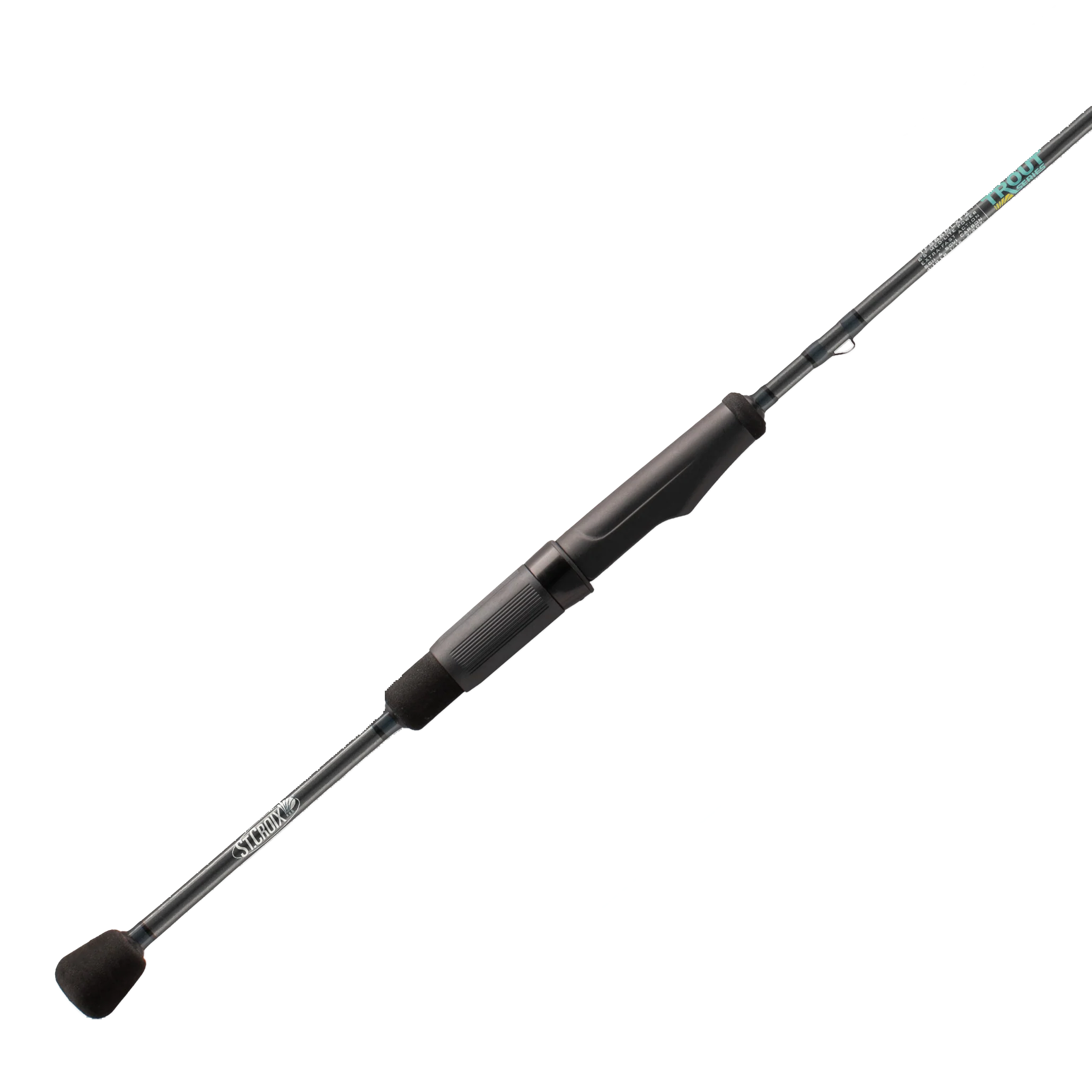
Credit: stcroixrods.com
Common Mistakes When Using A Carp Rod For Trout
- Using Heavy Line and Rigs: Heavy tackle can scare trout and reduce bites.
- Ignoring Rod Action: A stiff rod can pull hooks out of a trout’s mouth.
- Fishing in Tight Spots: Long carp rods are hard to use where space is limited.
- Setting the Hook Too Hard: Trout have soft mouths. With a stiff rod, set the hook gently.
- Not Adjusting Drag: Use a light drag to prevent breaking light line or pulling hooks free.
Examples: Carp Rod Vs. Trout Rod In Practice
Let’s look at a few real-life fishing situations.
- Scenario 1: Big Lake, Large Trout
You’re fishing for trophy trout in a deep lake. A carp rod with a light line works if you need to cast far and fight a big fish. But sensitivity is still less than with a trout rod.
- Scenario 2: Small Stream, Small Trout
You’re walking along a narrow creek, casting to small pools. Here, a long carp rod is awkward. You’ll miss bites and spook fish.
- Scenario 3: Mixed Fishery
The water has carp, trout, and other species. If you want to catch anything that bites, a carp rod gives you flexibility—but you lose finesse for trout.
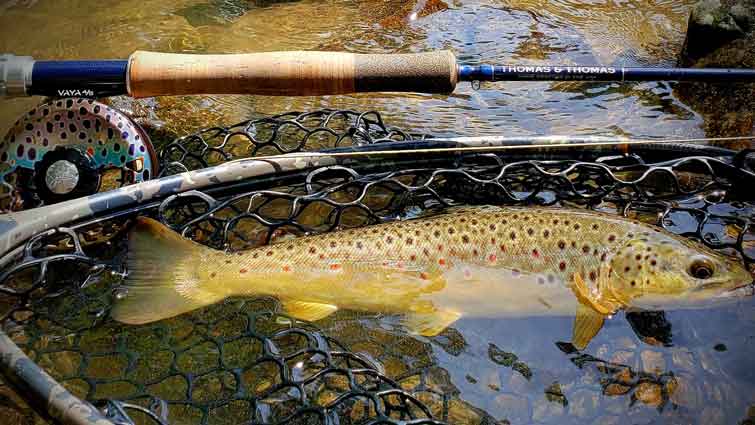
Credit: drifthook.com
The Science Behind Rod Action And Fish Response
Why does rod type matter so much? It’s about rod action and fish behavior.
Trout are sensitive and react to unnatural movements. A stiff rod can make your bait move in a way that scares them. Also, trout often nibble or mouth bait before taking it. A sensitive, soft rod helps you detect these light bites.
Carp, on the other hand, are strong and can run with your bait. A heavy rod with strong line is needed to control them and avoid break-offs.
What Really Matters When Choosing A Rod For Trout
If you’re thinking of using a carp rod for trout, consider these key factors:
| Factor | Why It Matters | Best for Trout |
|---|---|---|
| Rod Length | Shorter rods are easier to control in tight spaces | 6-8 feet |
| Rod Action | Softer action helps detect light bites | Light or medium-light |
| Line Weight | Lighter line is less visible and spooks trout less | 2-6 lb |
| Lure Weight | Trout prefer small lures and baits | 1/16-1/4 oz |
Two Non-obvious Insights
Rod Balance Affects Presentation
A heavy carp rod can make your hand and wrist tired. This causes less accurate casting and unnatural bait movement. Many beginners ignore rod balance, but it’s key for smooth, natural casts.
Line Stretch Changes Hookups
Carp rods often use heavier, less stretchy line. Trout setups use lighter line that stretches more. This stretch acts as a shock absorber, preventing hooks from tearing out of a trout’s soft mouth. Using a heavy, low-stretch line with a stiff rod causes more lost fish.
When It’s Okay To Use A Carp Rod For Trout
- If you only have one rod and want to fish for both carp and trout in a session, it’s better than not fishing.
- For kids or beginners, using a carp rod is fine for catching stocked trout in large, open waters.
- If you’re targeting record-sized trout, the extra power of a carp rod can be helpful.
But for most trout fishing, especially in small streams and rivers, a proper trout rod will catch more fish and give you a better experience.
Alternatives If You Only Have A Carp Rod
If you don’t want to buy a new rod, you can improve your setup:
- Use the lightest tackle possible
- Fish in places where a long rod isn’t a problem (open banks, big lakes)
- Cast further from shore to avoid spooking fish close in
- Focus on stillwater trout, not stream fishing
Another option is to try telescopic rods or multi-purpose rods. These can switch between styles and are more sensitive than dedicated carp rods.
Practical Tips For Success
- Match your reel: Use a smaller spinning reel with a carp rod to reduce weight and improve balance.
- Watch the weather: Wind can make long rods harder to control, especially with light line.
- Practice casting: Take time to practice gentle, accurate casts with a heavy rod. Accuracy matters more than power.
- Stay mobile: Move along the bank to find active trout, instead of relying on long-distance casting.
What Experts Say
Experienced anglers agree: using the right tool for the job gives better results. Many experts recommend having at least one light-action rod for trout, even if you mainly fish for carp.
Modern carp rods are more sensitive than older models, but still not as good as dedicated trout rods for light bites. If you’re serious about trout fishing, invest in the right gear. For more on rod types and fishing tactics, see this Wikipedia article on fishing rods.
Frequently Asked Questions
Can I Catch Trout With A Carp Rod?
Yes, you can catch trout with a carp rod. But your results may not be as good as with a proper trout rod. You’ll likely miss some bites and the experience won’t feel as exciting due to the heavy action.
Will Using A Carp Rod Harm The Trout?
If you use heavy line and set the hook too hard, you can injure trout, especially their soft mouths. Always use a gentle hook set and light line to avoid harming fish.
What’s The Best Line To Use On A Carp Rod For Trout?
Use 4-6 lb test monofilament or fluorocarbon. This reduces visibility and improves bite detection, even on a heavier rod.
Is It Better To Use A Spinning Or Baitcasting Reel For Trout On A Carp Rod?
A spinning reel is better for trout, especially with light lines. It allows smoother casting with small baits and is easier for beginners.
Should I Buy A Trout Rod If I Already Have A Carp Rod?
If you plan to fish for trout often, a dedicated trout rod will catch more fish and make your experience more enjoyable. If you fish for trout only sometimes, you can get by with a carp rod, but adjust your setup as described above.
Fishing is about enjoying the water and learning what works best for you. While a carp rod can work for trout in some cases, using the right rod makes a real difference. Try different setups, pay attention to the details, and you’ll find what brings you the most success—and fun—on your next fishing trip.