Carp fishing is fun and relaxing. But many beginners ask, “What weight should I use?” Choosing the right weight is very important. It helps you catch more fish and keeps your line safe. This article will explain what weights to use for carp fishing. We will talk about types, sizes, and when to use each weight.
Why Does Weight Matter in Carp Fishing?
The weight you use is also called a “lead.” It helps your bait stay on the lake or river bottom. If the weight is too light, the bait can move or float away. If it is too heavy, the fish might feel it and swim away. The right weight helps your bait look natural and stay in place.
Types of Weights for Carp Fishing
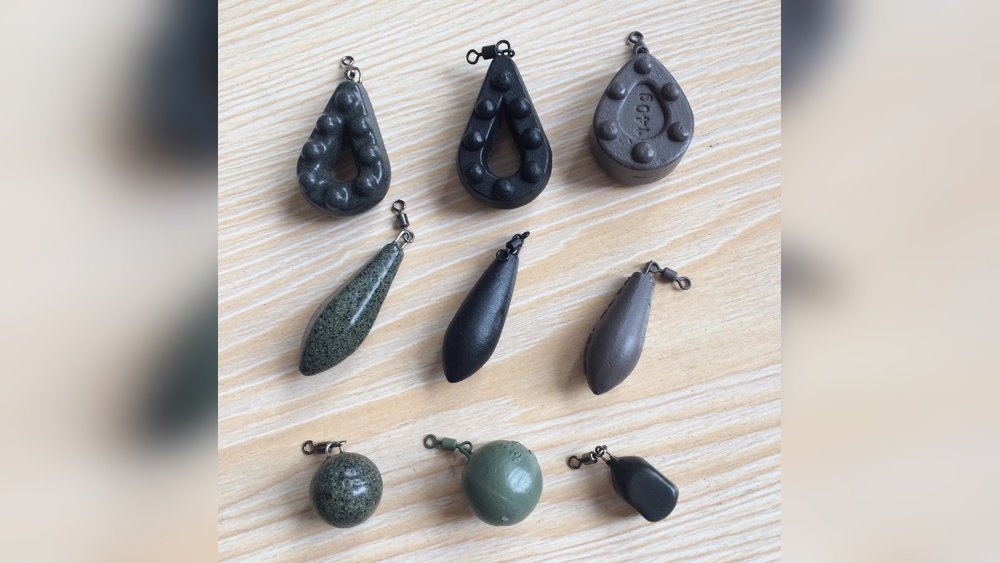
There are many types of leads for carp fishing. Each has a special use. Here are the most common types:
| Weight Type | Description | Best Use |
|---|---|---|
| Flat Pear Leads | Flat shape, holds bottom well, less visible. | Short to medium range fishing on solid bottom. |
| Inline Weights | Line goes through the center of the weight. | Good for PVA bags and to reduce tangles. |
| Distance Leads | Streamlined, heavy front, aerodynamic. | For long casting to reach far spots. |
| Gripper Leads | Have bumps to hold on steep or fast river beds. | Best for rivers or fast-flowing water. |
| Tungsten Sinkers | Small and heavy, pins line to bottom. | Used to stop line movement and avoid spooking fish. |
How to Choose the Right Weight Size
Choosing the right size depends on where you fish and the water conditions. Here are some tips:
- Soft Bottom (silt, mud): Use flat and light weights. Heavy weights can sink too deep.
- Gravel or rocky bottom: Use heavier, textured weights. They hold better on rough ground.
- Fast rivers: Use gripper leads. They stay in place even in strong currents.
- Long casts: Use distance leads. They help your bait fly farther.
Weight Size Guide
Here is a simple guide for weight sizes in carp fishing:
| Fishing Situation | Weight Size |
|---|---|
| Close to shore, calm water | 0.5 to 1 oz (15 to 30 grams) |
| Medium distance, calm or slow water | 1 to 2 oz (30 to 60 grams) |
| Long distance casting | 2 to 3 oz (60 to 85 grams) |
| Fast flowing rivers or deep water | 2 to 4 oz (60 to 115 grams) |
Safety Tips for Using Weights
When you use weights, safety is important. Fish can get stuck if the weight is too heavy. Here are some safety tips:
- Always use a safety lead clip or drop-off system. This lets the weight fall off if the line breaks.
- Check your line and knot often to avoid breakage.
- Use smaller weights in areas with many weeds or snags.
- Remove your weights after fishing to protect the environment.
How to Match Weight with Bait and Rod
Weight works with your bait and rod. You want them to balance well.
- If your bait is light, use lighter weights for a natural look.
- Heavier bait can handle heavier weights.
- Make sure your rod is strong enough for the weight size.
- Test your setup before fishing to ensure it casts well.
Tips for Better Carp Fishing with Weights
Here are some extra tips to help you choose and use weights well:
- Use dark-colored weights. They blend with the bottom better.
- Try different weights. Change size if fish are not biting.
- Use tungsten sinkers. They are smaller but heavy, less visible.
- Practice casting with your weights. It helps you cast farther and more accurate.
- Observe the water bottom. Choose weights that suit the ground type.
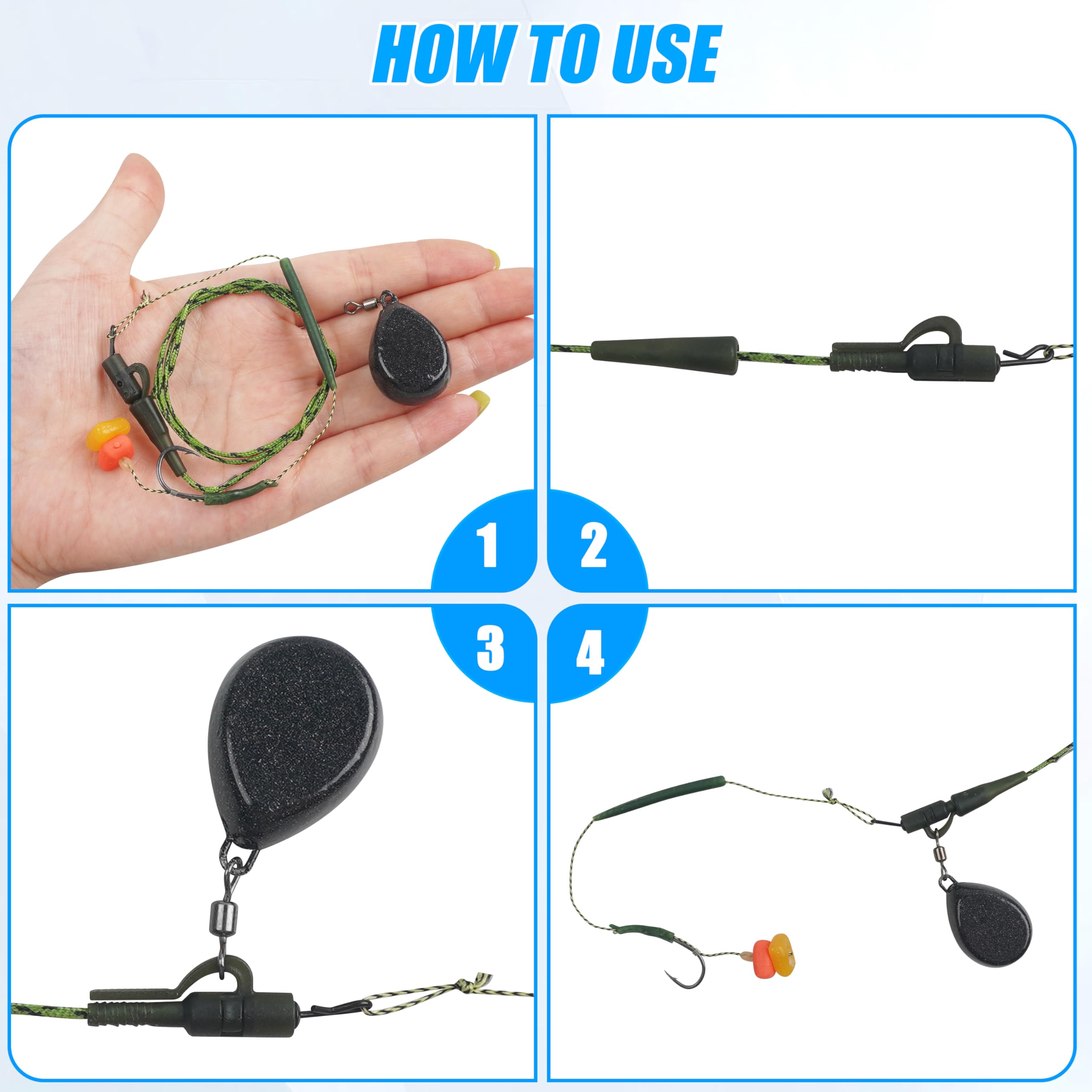

Credit: www.9km-outdoor.com
Making Your Own Weights
Some anglers make their own weights using pebbles or clay. This can be fun and cheap. Here is how:
- Find small, heavy pebbles that fit your line.
- Attach them securely to your line with strong knots.
- Test if they sink well and hold the bait in place.
- Use this method only in calm water to avoid losing your bait.
Summary
Choosing the right weight for carp fishing is important. It helps your bait stay where you want. It also keeps fish safe. Use flat leads for soft bottoms. Use heavy, gripper leads in rivers. Pick the right size for the water and distance. Always think about safety. Try different weights to find what works best for you.
Carp fishing is a great way to enjoy nature. With the right weights, you can catch more fish and have more fun.