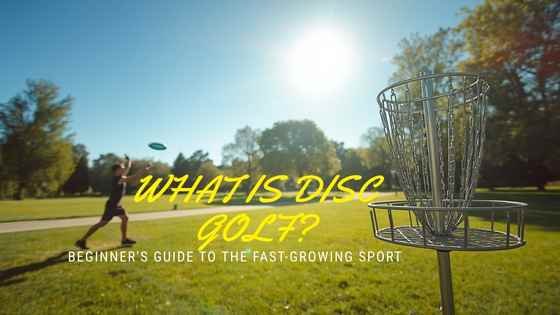
Disc golf is a sport that surprises many people with its mix of fun, skill, and outdoor adventure. It might look similar to traditional golf, but instead of hitting a ball into a hole, players throw flying discs (like Frisbees) into special baskets.
Over the past few decades, disc golf has gone from a small hobby to a worldwide sport, attracting people of all ages and backgrounds. If you’ve seen people tossing colorful discs in a park and wondered what they’re doing, this guide will explain everything you need to know.
The Basics Of Disc Golf
At its core, disc golf is simple. The main goal is to complete each hole in the fewest throws possible. Players start from a tee area and aim to land their disc in an elevated metal basket, usually placed 200 to 400 feet away.
Like traditional golf, each hole has a “par” a standard number of throws expected to finish.
Discs are a key part of the game. Unlike regular Frisbees, disc golf discs come in different shapes and weights for various shots. There are drivers for long-distance, mid-range discs for control, and putters for short, accurate throws.
A full disc golf course typically has 9 or 18 holes, winding through open fields, trees, and sometimes hills or water. Players keep score by counting their total throws for all holes-lowest score wins.
How Disc Golf Is Played
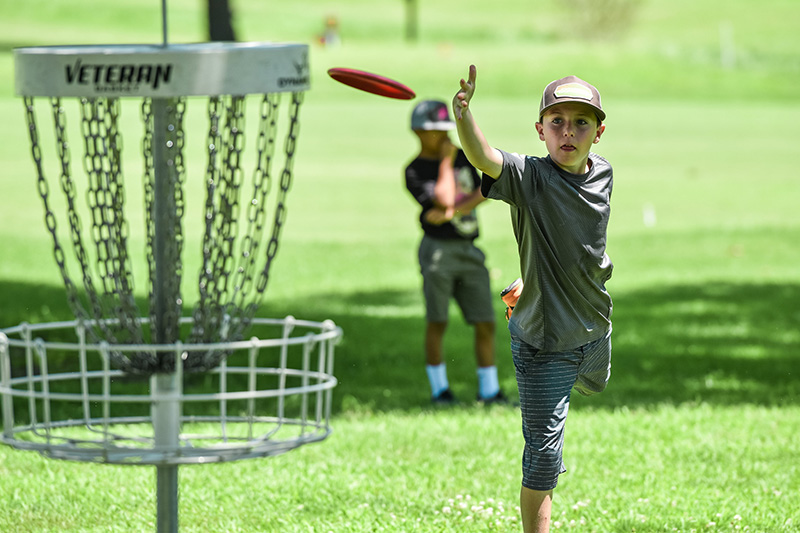
Most games start with 2-5 players. The first player throws their disc from the tee pad toward the basket. Each player then throws from where their disc landed, repeating until they finish the hole.
Players take turns, usually starting with the one farthest from the basket. The same rules apply on each hole, and the group moves through the course together, keeping track of scores on paper or a phone app.
There are a few simple rules:
- The next throw always starts from where the disc last landed.
- The player with the lowest score on the previous hole throws first on the next.
- A throw only counts if the disc comes to rest; if it’s stuck in a tree or lost, penalty strokes may apply.
- Discs must land in the basket or chains to finish a hole.
One insight beginners often miss: accuracy matters more than power. Many new players try to throw as hard as possible, but control is usually more important for getting a good score.
Credit: www.pdga.com
Disc Golf Equipment
Disc golf is appealing partly because it doesn’t need expensive gear. To start, you only need a few discs and comfortable clothing.
Main Types Of Discs
Disc golf discs are smaller and heavier than beach Frisbees. There are three main types:
- Drivers – For long throws (over 250 feet). They have sharp edges and fly fast, but can be tricky to control.
- Mid-Range Discs – For medium distances (100–250 feet). They balance speed and accuracy.
- Putters – For short, precise shots (under 100 feet). They are slower and more stable.
Disc Golf Baskets
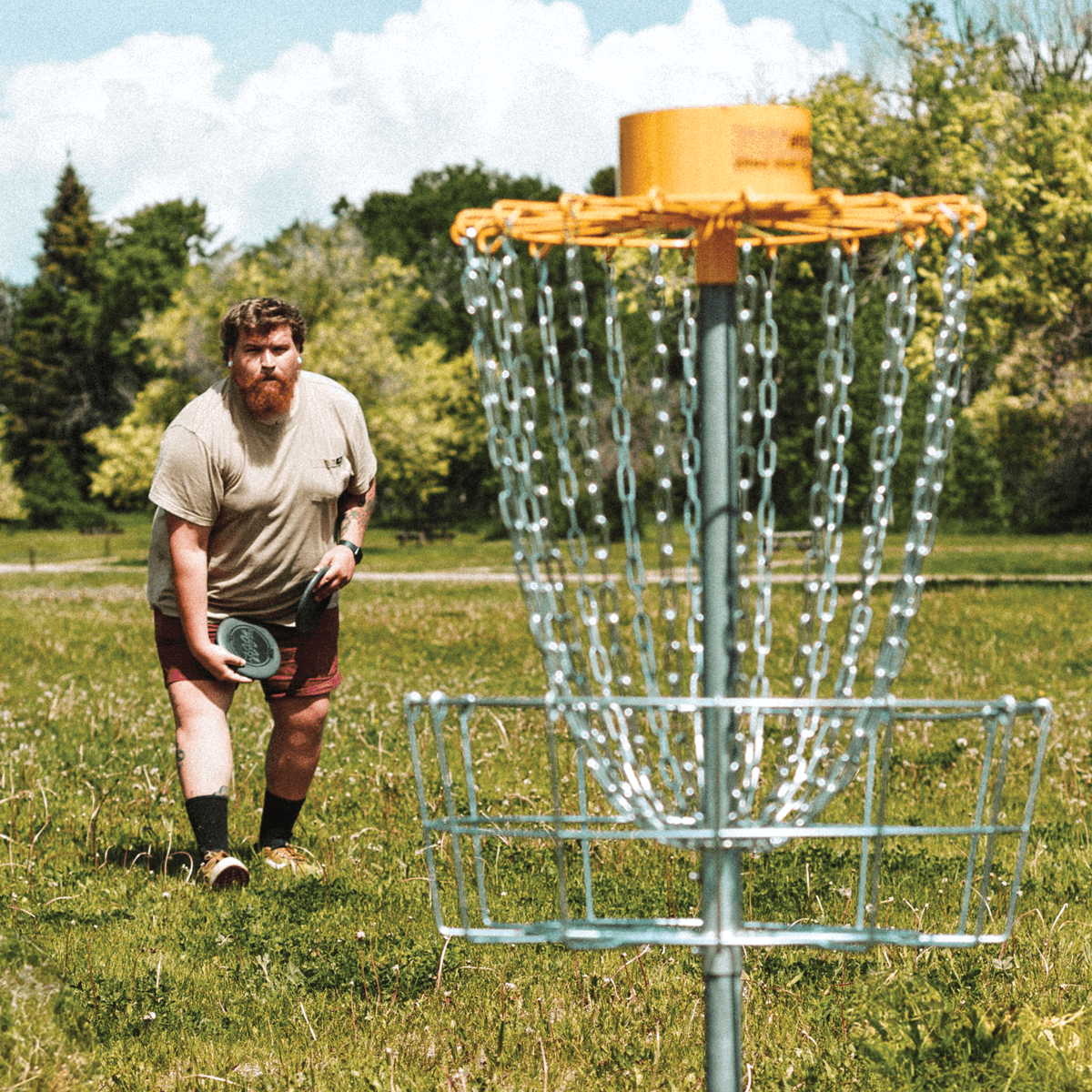
The target is a basket made of metal chains and a catching tray. Chains help slow the disc, dropping it into the basket.
Other Gear
Many players use a disc golf bag to carry multiple discs, water, and snacks. Good shoes are helpful, especially for rough or wooded courses.
Here’s a comparison of the main disc types:
| Disc Type | Typical Use | Speed | Control |
|---|---|---|---|
| Driver | Long distance | Very High | Low |
| Mid-Range | Medium shots | Medium | Medium |
| Putter | Short, accurate | Low | High |
A smart tip for beginners: Start with a mid-range disc or putter. They are easier to control, and you’ll learn good technique faster.
The History Of Disc Golf
Disc golf’s roots go back to the early 1900s, but the sport as we know it began in the 1970s in California. Steady Ed Headrick is often called the father of disc golf. He invented the modern Frisbee and the first disc golf basket.
The first official disc golf course was built in 1975 in Oak Grove Park, Pasadena. Since then, the sport has exploded in popularity. Today, there are more than 13,000 courses worldwide. The United States leads, with over 9,000 courses, but countries like Finland, Canada, and Australia have growing communities.
The Professional Disc Golf Association (PDGA) was formed in 1976. It now has over 250,000 members and runs tournaments around the world.
Disc Golf Vs. Traditional Golf
At first glance, disc golf and regular golf are similar, but there are key differences:
| Feature | Disc Golf | Traditional Golf |
|---|---|---|
| Equipment | Discs, basket | Clubs, ball, hole |
| Course Size | Smaller, 1-2 hours | Large, 4-5 hours |
| Cost | Low (often free) | High (green fees) |
| Learning Curve | Easy to start | Harder for beginners |
| Popularity | Growing fast | Very popular |
Disc golf’s low cost and accessibility are big reasons for its growth. Many city parks offer free courses, so people can play without paying expensive fees.
Benefits Of Playing Disc Golf
Disc golf offers more than just fun. Here are some real benefits:
- Physical Exercise – Walking a full course can cover 1–3 miles. Throwing works your arms, legs, and core.
- Mental Focus – Planning shots and reading the course builds concentration.
- Social – It’s a friendly sport. Players of all levels can enjoy a round together.
- Low Cost – Most public courses are free. Discs are cheap compared to other sports equipment.
- Accessibility – People of almost any age or fitness level can play.
- Nature – Courses are usually in parks or forests, adding fresh air and beautiful scenery.
One often-overlooked benefit: Disc golf is easy to play solo. You can practice alone or join a group—whatever fits your mood.

Credit: www.wesa.fm
Basic Techniques And Skills
Improving at disc golf takes practice, but a few fundamentals make a big difference:
Grip
Hold the disc firmly but not too tight. The standard “power grip” uses four fingers under the rim and your thumb on top.
Stance And Throwing
The most common throw is the backhand. Stand sideways to your target. Step forward as you swing your arm across your body and snap your wrist.
Another throw is the forehand (or sidearm), where you flick the disc from the side, like skipping a stone.
Putting
Short throws into the basket are called putts. Focus on accuracy, using a smooth, controlled motion.
Shot Selection
Learning when to use a driver, mid-range, or putter is key. Beginners often use drivers too much, but putters and mid-range discs are best for control.
Reading The Course
Each hole is different. Wind, trees, and slopes all affect your shot. Experienced players plan their throws, sometimes aiming for the safest spot rather than the farthest.
Here’s a quick comparison of common throwing styles:
| Throw Type | Best For | Difficulty |
|---|---|---|
| Backhand | Distance, accuracy | Medium |
| Forehand | Curved shots, tight spaces | Medium/Hard |
| Overhand (Tomahawk/Thumber) | Getting over obstacles | Hard |
Many beginners overlook footwork. Good balance and smooth movement add power and accuracy to your throws.
Popular Disc Golf Courses And Events
Some disc golf courses are famous in the sport’s world. For example, Maple Hill in Massachusetts and Winthrop Gold in South Carolina host top tournaments. In Europe, Finland’s Järva DiscGolfPark is well-known.
Major events include:
- PDGA Professional Disc Golf World Championships
- United States Disc Golf Championship (USDGC)
- European Open
Top players, like Paul McBeth and Kristin Tattar, have become stars, with prize money reaching over $100,000 for major wins.
To see global rankings, the PDGA official site offers current stats and course listings.
Getting Started: Tips For New Players
Thinking about trying disc golf? Here are some practical steps:
- Find a Local Course – Search online or ask at a local park.
- Get a Starter Disc – Many brands sell beginner-friendly sets for under $25.
- Learn the Rules – Watch a quick video or join a casual group for your first round.
- Practice Your Throw – Focus on smooth, controlled movements.
- Play With Friends – It’s more fun, and you can learn from each other.
- Join a League or Club – Many areas have weekly games for all skill levels.
A common mistake: Buying too many discs too soon. Start with one or two, then add more as you improve.
Disc Golf Culture And Community
Disc golf is known for its welcoming atmosphere. New players are often surprised by how friendly and helpful others are. Many courses have lost-and-found boxes for discs, and experienced players will offer tips or even lend you a disc.
There’s also a strong focus on respect for nature. Players are expected to pick up litter and take care of the course. Events often include “clean-up days” where volunteers maintain the grounds.
Online, you’ll find active forums, YouTube channels, and social media groups where people share advice, videos, and news.
Credit: thecapecurrent.com
Frequently Asked Questions
What Is The Difference Between A Frisbee And A Disc Golf Disc?
While both are flying discs, Frisbees are designed for casual play and have a rounded edge. Disc golf discs are smaller, heavier, and come in different shapes for distance, accuracy, or putting. This design helps them fly farther and more precisely.
How Long Does A Round Of Disc Golf Take?
A typical 18-hole round takes 1.5 to 2 hours for a group of 2-4 people. A solo player can finish faster. The time depends on the course length and the number of players.
Do I Need Special Shoes Or Clothes To Play Disc Golf?
Not really. Comfortable athletic shoes are best, especially if the ground is uneven or muddy. Dress for the weather, and avoid open sandals, as you’ll walk through grass, dirt, and sometimes woods.
Is Disc Golf Safe For Children And Older Adults?
Yes. Disc golf is low-impact, so it’s gentle on joints. Children, seniors, and people with different fitness levels can play together. Just be careful with slippery ground or steep hills.
Where Can I Find Disc Golf Courses Near Me?
Most cities and towns have courses in public parks. You can search online at the PDGA’s course directory or use apps like UDisc. Local disc golf clubs are also a great resource.
Disc golf is more than just throwing discs, it’s a sport that brings people together, encourages healthy activity, and lets you enjoy the outdoors. Whether you want a fun hobby, a new way to exercise, or a competitive challenge, disc golf is easy to start and full of rewards.
Give it a try, and you might find yourself hooked on this fast-growing game.