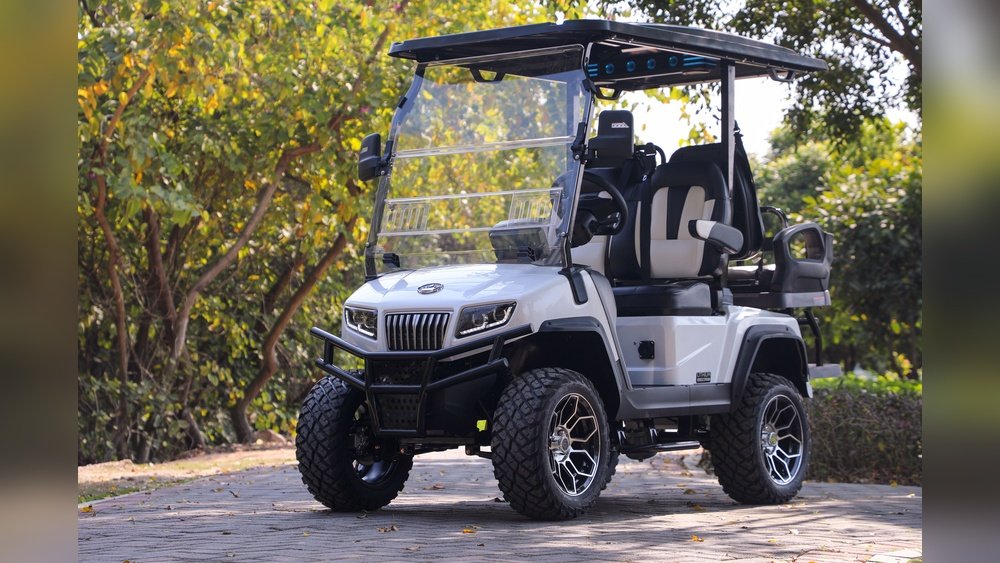
Thinking about taking your golf cart beyond the course and onto the streets? Before you hit the road, you need to know what it takes to make your golf cart street legal.
It’s not just about having a fun ride—it’s about making sure you and everyone around you stay safe and follow the rules. You’ll discover the key features and legal requirements that transform a simple golf cart into a street-ready vehicle.
Ready to find out how to make your golf cart roadworthy and enjoy the freedom of driving it around town? Keep reading to get all the essential details.

Credit: thecoconutrentals.com
Legal Requirements By State
Golf carts must meet specific legal requirements to be street legal. These rules vary widely by state. Knowing state-specific laws helps owners prepare their carts correctly. This section covers regulations in Texas, Alabama, Florida, and other states. Each state sets rules about safety features, speed limits, and registration.
Texas Regulations
Texas requires golf carts to have safety equipment like headlights, brake lights, and turn signals. Drivers must register their carts with the local Department of Motor Vehicles. The carts should not exceed 20 miles per hour on public roads. Some cities have additional rules, so checking local laws is important. A valid driver’s license is also necessary to operate a golf cart on streets.
Alabama Rules
Alabama allows golf carts on roads with speed limits under 35 miles per hour. The carts must have seat belts for each passenger. Safety mirrors, headlights, and brake lights are mandatory. Registration is required through the state, along with a valid driver’s license. Modifications may be needed to meet these safety standards before use on public roads.
Florida And Other States
Florida permits golf carts on streets in designated areas, often within communities or near golf courses. The carts must have safety equipment like turn signals and reflectors. Registration and insurance are typically required. Other states have similar but varied rules, often based on speed limits and road types. Checking with local authorities ensures compliance with all legal requirements.
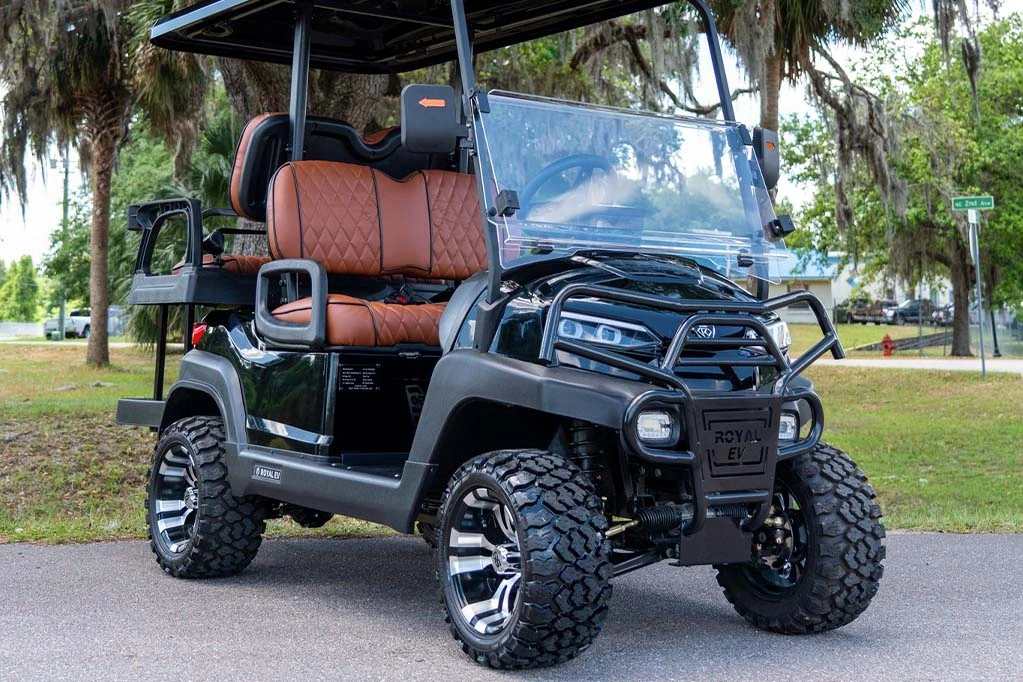
Credit: royal-ev.com
Safety Features Needed
Making a golf cart street legal means adding key safety features. These features protect both the driver and others on the road. They help the golf cart meet legal standards for public streets. Without these safety upgrades, a golf cart cannot be driven legally outside of private property.
Each safety feature plays an important role. They improve visibility, communication, and control. Let’s explore the must-have safety features for street-legal golf carts.
Lighting And Signals
Street-legal golf carts need proper lighting to be seen. Headlights allow driving at night or in low light. Tail lights show when the cart is stopping or slowing. Brake lights warn drivers behind to slow down. Turn signals communicate your direction changes clearly. Reflectors help other vehicles spot the cart from all sides.
Mirrors And Visibility
Mirrors are crucial for safe driving. Side mirrors show traffic beside and behind the cart. A rearview mirror gives a clear view of the road behind. These mirrors reduce blind spots. They help avoid accidents when changing lanes or turning. Good visibility helps the driver react quickly to hazards.
Seat Belts And Horns
Seat belts keep passengers secure during sudden stops. They reduce the risk of injury in collisions. Horns alert pedestrians and other drivers. They warn others of your presence in busy areas. Both seat belts and horns increase overall safety for street use.
Vehicle Specifications
Vehicle specifications play a key role in making a golf cart street legal. Different states and cities set rules to ensure safety on public roads. These rules often focus on speed, tires, and vehicle classification. Meeting these standards helps golf carts operate safely and legally in neighborhoods and certain streets.
Speed Capabilities
Most street legal golf carts must reach a speed between 20 and 25 miles per hour. This speed limit keeps the cart safe for use on roads with low traffic speeds. Golf carts that go slower may not meet the minimum requirements. Faster carts need additional safety features to be legal.
Tire Types
Golf carts need street-ready tires to be legal. These tires provide better traction and stability on paved roads. Off-road or turf tires are not allowed on public streets. Proper tires help the cart handle turns and stops safely, reducing accidents.
Low-speed Vehicle Classification
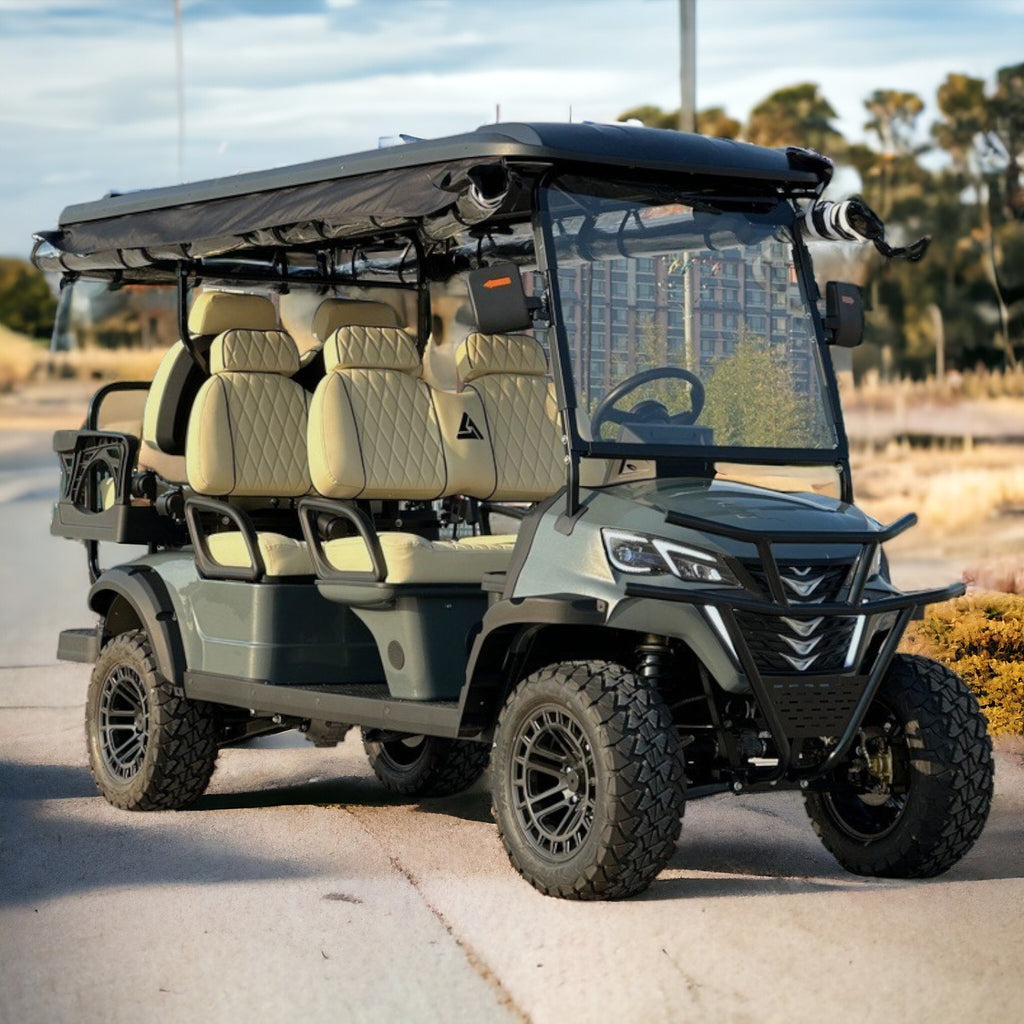
Many golf carts fall under the Low-Speed Vehicle (LSV) classification. LSVs are defined by federal and state laws as vehicles with a top speed of 20 to 25 mph. This classification requires certain safety equipment like lights, mirrors, and seat belts. Registering the cart as an LSV often makes it street legal.
Credit: backyardescapism.com
Registration And Insurance
Registering and insuring a golf cart are key steps to make it street legal. These processes ensure your golf cart meets legal standards and is allowed on public roads. Understanding registration and insurance rules helps avoid fines and legal trouble.
Registration Process
Register your golf cart with the local motor vehicle department. You must fill out the required forms and provide proof of ownership. A safety inspection may be necessary to confirm the cart meets road safety standards. Once approved, you will receive a license plate or registration sticker. Display it clearly on the golf cart while driving on streets.
Insurance Requirements
Most states require liability insurance for street-legal golf carts. Insurance protects you from financial loss in accidents or damage. Contact your insurance provider to add your golf cart to your policy. Coverage levels vary, so choose one that meets state minimums. Keep proof of insurance in the golf cart at all times.
Title And Documentation
A valid title proves ownership of your golf cart. Some states require a title before registration. Keep your title in a safe place for reference. You may also need a bill of sale or manufacturer’s certificate. Carry all necessary documents when using your golf cart on public roads. This helps law enforcement verify your golf cart’s legal status.
Driver Requirements
Understanding driver requirements is essential for making a golf cart street legal. These rules ensure safety for the driver and others on the road. Every driver must meet specific criteria before operating a street-legal golf cart.
Licensing Rules
Drivers must hold a valid driver’s license. A regular car license or a motorcycle license usually works. Some states may accept a learner’s permit. Always check local laws to confirm which license types apply.
Age Restrictions
Most areas set a minimum age for driving a street-legal golf cart. This age is often 16 years old. Younger drivers typically cannot operate these vehicles on public roads. Age limits help reduce accidents and promote safe driving.
Operating Areas
Street-legal golf carts can only be driven in certain areas. These often include residential neighborhoods and roads with speed limits under 35 mph. Driving on highways or busy streets is usually prohibited. Stay within allowed zones to avoid fines and ensure safety.
Common Modifications
Making a golf cart street legal involves several changes. These common modifications improve safety and ensure the cart meets local road rules. Owners often upgrade their carts to handle street driving better. These changes help protect drivers and pedestrians alike. The next sections explain key modifications to consider.
Adding Safety Equipment
Safety equipment is essential for street legal golf carts. Headlights and taillights help others see the cart at night. Turn signals and brake lights communicate driver intentions clearly. Rearview mirrors improve visibility behind the cart. Reflectors increase the cart’s visibility from all angles. A windshield offers protection from wind and debris. Installing a horn warns pedestrians and other drivers. These additions make the golf cart safer on public roads.
Upgrading Electrical Systems
The electrical system must support new safety features. Lights, signals, and horns require a reliable power source. Many carts need stronger batteries or upgraded wiring. Electrical upgrades ensure all devices work properly and consistently. Properly installed systems prevent shorts or failures. This helps avoid accidents caused by malfunctioning equipment. Electrical improvements are a key step in making a cart street ready.
Installing Street-ready Tires
Standard golf cart tires are not made for street use. Street-ready tires provide better grip and durability on pavement. These tires improve handling and reduce road wear. They offer better traction in wet or uneven conditions. Street tires meet safety standards for road use. Installing these tires makes the golf cart safer and more comfortable to drive on streets. Proper tires are a must for street legal golf carts.
Differences Between Golf Carts And Lsvs
Golf carts and Low-Speed Vehicles (LSVs) look similar but have key differences. Both are small, electric or gas-powered vehicles. Yet, their design, safety features, and legal status vary. Understanding these differences helps in knowing which vehicle is street legal and why.
Golf carts mainly serve golf courses or private properties. LSVs are designed to meet specific road safety standards. These standards allow LSVs to operate on public streets legally.
Safety Standards
Golf carts usually lack advanced safety features. They often do not have seat belts, turn signals, or headlights. LSVs must have these safety features. They also require windshield wipers, mirrors, and brake lights. These items ensure safe driving on public roads. LSVs must meet federal safety regulations. Golf carts do not have this requirement.
Legal Definitions
Golf carts are defined as vehicles for use on golf courses. They are not classified as motor vehicles by law. LSVs are recognized as motor vehicles under federal law. They must comply with the National Highway Traffic Safety Administration (NHTSA) rules. This classification allows LSVs on public roads with speed limits under 35 mph. Golf carts are usually restricted to private or limited areas.
Usage Limitations
Golf carts have limited use on streets. They are often allowed only in golf communities or private properties. Some states allow golf carts on roads with low speed limits after modifications. LSVs can be driven on public streets with speed limits up to 35 mph. They have fewer restrictions compared to golf carts. LSVs can carry passengers safely on neighborhood roads and short trips.
Conclusion
Making a golf cart street legal means meeting specific safety rules. You need proper lights, mirrors, and street tires. Registration and sometimes insurance are also required. Each state or city may have different laws. Always check local rules before driving your cart on roads.
Following these steps keeps you safe and legal while enjoying your golf cart.