Are you curious about how much time you’ll spend watching a varsity basketball game? Whether you’re heading to a local high school gym or tuning in to support your favorite team, knowing how long the game lasts can help you plan your day.
But the answer isn’t as simple as just adding up the quarters. Between timeouts, fouls, and possible overtime, the actual duration can surprise you. Stick with me, and you’ll discover exactly how long a varsity basketball game runs, what factors stretch the clock, and why some games feel like they fly by while others drag on.
Ready to get the full picture? Let’s jump right in!
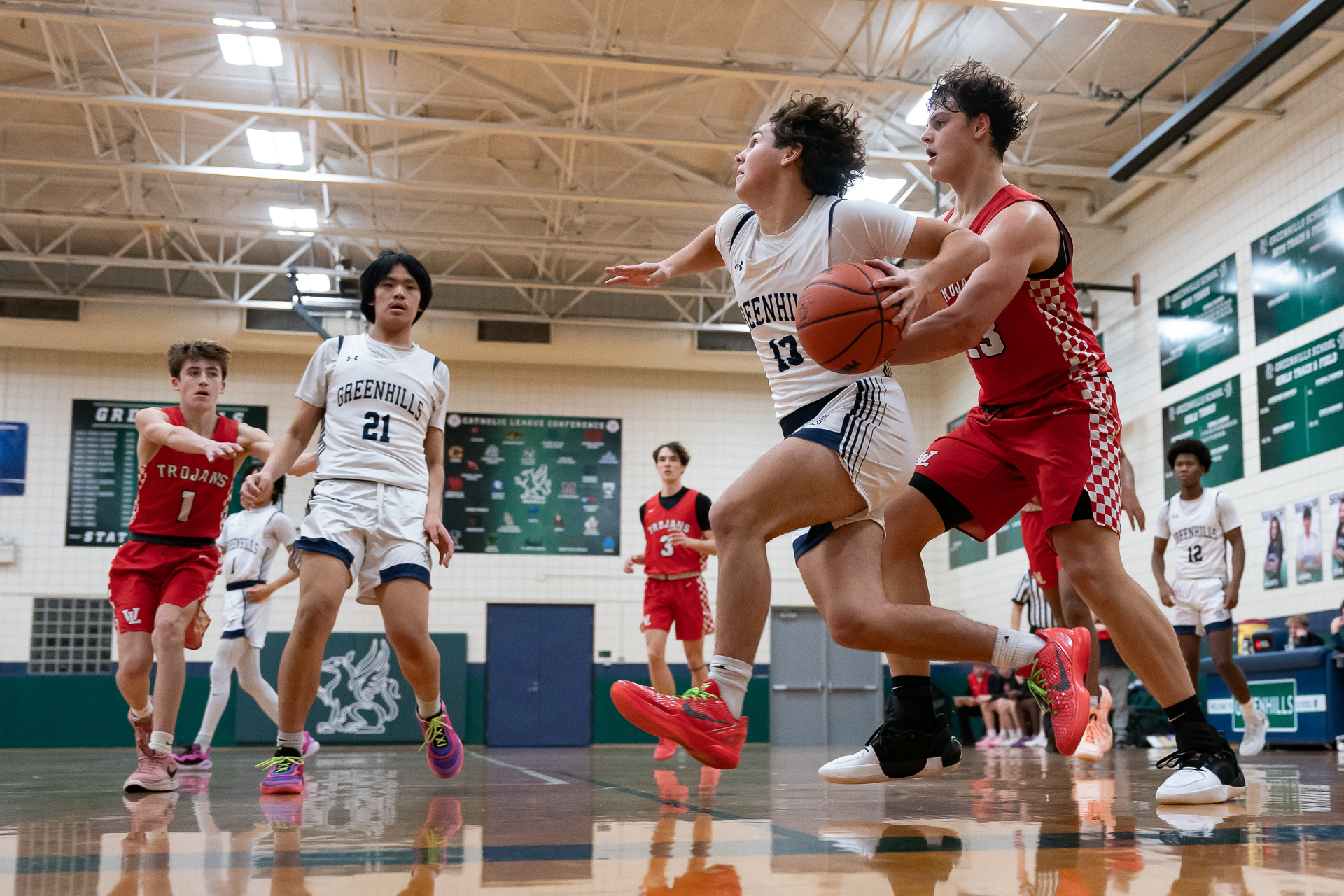
Credit: www.greenhillsschool.org
Varsity Game Duration
Varsity basketball games have a set duration that keeps the action intense and engaging. Understanding the game length helps players, coaches, and fans plan better. The duration depends on the quarter length, halftime break, and any overtime periods.
Quarter Length
Each varsity basketball game has four quarters. Each quarter lasts 8 minutes. The clock stops during fouls and timeouts, which can extend the real-time length. Teams play hard in these short bursts, making every minute count.
Halftime Break
Halftime happens after the second quarter. It usually lasts 10 to 15 minutes. This break gives players time to rest and coaches time to adjust strategies. Fans also get a chance to refresh before the second half begins.
Overtime Impact
If the game is tied after four quarters, it goes into overtime. Overtime periods are 4 minutes long. Each overtime adds extra playing time and excitement. Games can have multiple overtimes, making the total duration longer than expected.
Factors Extending Game Time
Several factors can extend the total time of a varsity basketball game beyond the set quarters. These interruptions stop the clock and add breaks, increasing the real duration. Understanding these factors helps to know why games often last longer than the official playing time.
Clock Stoppages
The game clock stops for many reasons. Referees stop the clock during fouls, out-of-bounds plays, and timeouts. The clock also stops during free throws and certain reviews. These pauses add extra minutes to the game’s total length. Stoppages are most common in the final minutes of each quarter.
Timeouts And Tv Breaks
Each team has a limited number of timeouts per game. Coaches use these to rest players or discuss strategy. TV broadcasts add mandatory breaks for commercials. These pauses extend the game’s real-time length. The combination of team timeouts and TV breaks can add significant time.
Fouls And Out-of-bounds
Fouls lead to free throws and referees stopping the clock. Out-of-bounds plays require players to reset and inbound the ball. Both cause delays in play. These frequent interruptions slow the game’s pace and increase total game time. The number of fouls and out-of-bounds plays varies each game.
Real-time Game Length
Understanding the real-time length of a varsity basketball game helps fans and players plan better. The official game clock shows the regulation time, but actual games usually take longer. This difference happens due to many stoppages and breaks during the match. Factors like fouls, timeouts, and halftime add to the total duration. The excitement of the game often extends the experience beyond just the clock ticking.
Typical Game Duration
A standard varsity basketball game has four quarters. Each quarter lasts 8 minutes. The total regulation time is 32 minutes. The clock stops often for fouls, out-of-bounds, and free throws. These stoppages can double the real-time length. Timeouts also pause the clock and add extra minutes. Halftime usually lasts around 10 to 15 minutes. The whole event often takes about 1.5 to 2 hours from start to finish.
High Stakes And Finals
Important games, like playoffs and finals, can last longer. Overtime periods occur if the score is tied after regulation. Each overtime lasts 4 minutes. Multiple overtimes can make the game much longer. Coaches use more timeouts in crucial moments. The increased intensity causes more stoppages and delays. Fans should expect these games to run over two hours sometimes.
Differences By Region
Varsity basketball rules vary by country and state. Some places use quarters, others halves, affecting game length. For example, some regions play 10-minute quarters instead of 8. Stoppage rules can differ as well. High school games in some areas may have shorter or longer breaks. These regional differences impact the total real-time game duration. Always check local rules for the most accurate timing.
Comparing Levels
Basketball games vary in length depending on the level of play. Understanding these differences helps fans and players know what to expect. The timing rules change across high school, college, and varsity levels.
Here, we compare game lengths between different levels and types of basketball games.
High School Vs College
High school varsity basketball games usually have four quarters of eight minutes each. The total playtime is 32 minutes. College games have two halves of 20 minutes each, totaling 40 minutes. College games last longer due to the extended halves and more breaks.
Varsity Vs Junior Varsity
Varsity games follow official timing rules with full quarters or halves. Junior varsity games often use shorter quarters, sometimes six or seven minutes. This helps younger players get more experience without too much fatigue. Varsity games are more intense and longer overall.
Girls Vs Boys Games
Game length for girls and boys varsity basketball is usually the same. Both typically play four eight-minute quarters in high school. Some leagues may have slight differences in timeout rules or overtime periods. The key timing remains consistent to keep fairness.
Timing Rules And Regulations
Understanding the timing rules and regulations is key to knowing how long a varsity basketball game lasts. The rules control the game flow and ensure fair play. Timing affects players, coaches, and fans alike. Different leagues may have unique rules that impact game length.
Clock Management
The game clock runs only during active play. It stops for fouls, out-of-bounds, and timeouts. In the last two minutes, the clock stops more often. This keeps the game fair and exciting. Proper clock management can change the game’s outcome.
Practice Time Limits
Practice sessions have set time limits to protect players. Teams must follow these rules to avoid penalties. These limits help prevent overtraining and injuries. Coaches plan practice carefully within these time frames. This balance keeps players fresh for games.
League Specific Rules
Each league sets its own timing rules and regulations. Some leagues have longer quarters; others have shorter. Overtime rules also differ between leagues. Knowing these rules helps players and fans understand the game better. Always check the league’s official rulebook for details.

Credit: www.lytleisd.org

Credit: www.kunsan.af.mil
Frequently Asked Questions
How Long Is An Average Varsity Basketball Game?
An average varsity basketball game lasts about 32 minutes of playing time, divided into four 8-minute quarters. Including stoppages, timeouts, and halftime, the total duration typically ranges from 1. 5 to 2 hours. Overtime periods can extend the game length further.
How Many Hours Is A Basketball Game?
A basketball game lasts about 2 to 2. 5 hours including four 12-minute quarters, timeouts, fouls, halftime, and possible overtime.
How Long Is A High School Varsity Game?
A high school varsity basketball game lasts 32 minutes, divided into four 8-minute quarters. Actual game time extends due to stoppages and timeouts.
How Long Does A Typical Jv Basketball Game Last?
A typical JV basketball game lasts about 48 minutes, divided into four 10- or 12-minute quarters. Game stoppages may extend total time.
Conclusion
Varsity basketball games usually last about 32 minutes of play. The clock stops often, so total time can reach around an hour. Halftime and timeouts also add to the length. Overtime periods extend the game further if teams are tied.
Understanding this helps fans plan their time better. Watching a game becomes more enjoyable when you know how long it takes. Each match’s real-time length varies but stays close to these limits. Keep these points in mind when you attend or watch varsity basketball games.